 Предпросмотр
 Поделиться
 Поделиться
 Детали произведения

 Скачать
 Похожие работы
 Рентгенография
 Слайд-шоу
 Статистика
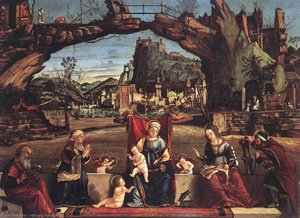
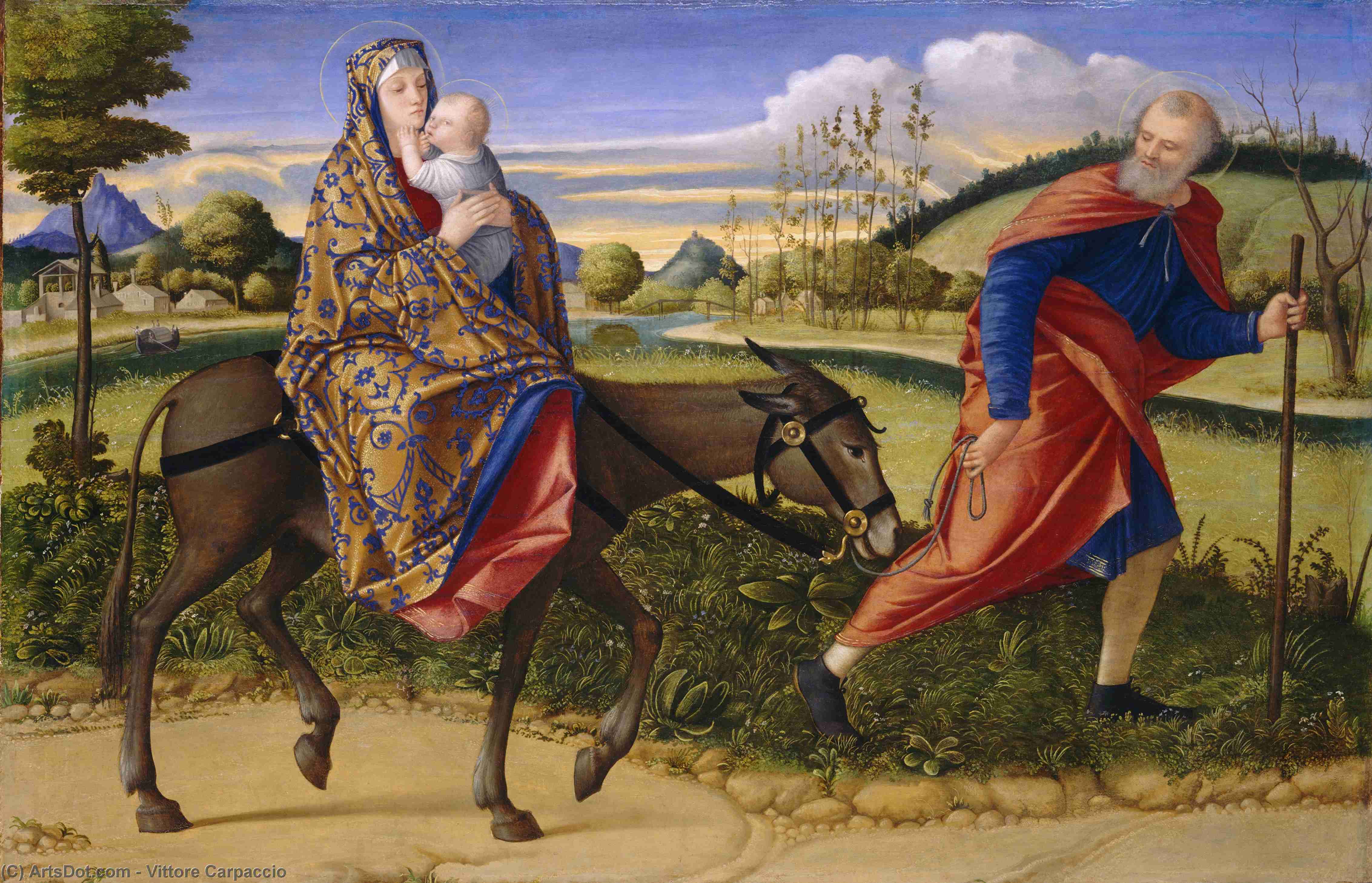
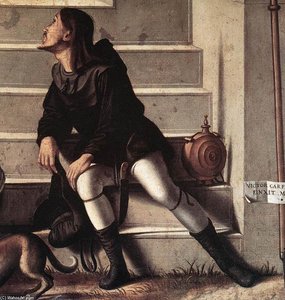
The Flight into Egypt
 Oil On Canvas
- WallArt
- Renaissance Painting
 1500
1500 73.0 x 111.0 cm
 Национальная галерея искусств
 Читать далее
Масляная репродукция ручной работы
Картина маслом на холсте в выбранном вами размере и раме, написанная на заказ нашими художниками. ( Перейти к печати Перейти к цифровым изображениям)




P118B $10

P118H $10

P118W $10

P438Z $10

P508JH $12

P508YH $12

P805H $10

P805Z $10

P919BZ $10

P919G $10

P919XJ $10

P959ZH $10

P968JZ $12

W106C $8

W218G $10

W218JH $8

W218Y $10

W307PJ $10

W316G $10

W316PJ $8

W316Y $10

W398PJ $8

W4111J $10

W500HY $15

W500JH $15

W692G $12

W849H $8

W940BG $15

W953PJ $8




Выберите один из наших стандартных размеров, соответствующих оригинальным пропорциям произведения искусства.

Вы можете указать собственные размеры, чтобы картина идеально вписалась в выбранную раму или пространство. Если выбранный вами размер не соответствует пропорциям оригинала, мы либо обрежем полотно, либо расширим его за счет дополнительных элементов, написанных вручную. Цифровой макет будет отправлен вам на утверждение перед началом производства.
Обратите внимание, что предварительный просмотр на экране не отражает фактическую обрезку или расширение. Только макет точно покажет окончательную композицию.
Хотя доступны индивидуальные размеры, мы рекомендуем выбирать вариант из предопределенного списка, чтобы сохранить исходные пропорции.
После оформления заказа команда ArtsDot.com свяжется с клиентом по электронной почте для уточнения деталей и предоставит предварительный макет
Доставка по всему миру () за 3–4 недели вместо стандартных 5 недель. (11 Сентябрь). Без компромиссов в качестве.

Бесплатная экспресс-доставка по всему миру

Высококачественный льняной холст

Полное страхование доставки

Гарантия возмещения таможенных пошлин

Гарантия точного соответствия цветов

100-дневная политика возврата (только при обнаружении дефектов)

Гарантия возврата 100% средств

Предложение оптовых скидок
 Вариант со стеклом доступен только для размеров менее 110 см

The Flight into Egypt
Техника репродукции
Размер репродукции
-


Итоговая стоимость
$ 263
The Flight into Egypt: A Venetian Masterpiece of Narrative and Light
Vittore Carpaccio’s “The Flight into Egypt,” painted around 1500, is more than just a biblical scene; it's a meticulously crafted tableau brimming with narrative complexity, subtle symbolism, and an extraordinary command of late-Quattrocento Venetian painting. This monumental work, measuring 73 x 111 cm, housed within the National Gallery of Art in Washington D.C., offers a captivating glimpse into the world of Renaissance Venice – a city renowned for its artistic innovation and its deep engagement with both classical tradition and emerging humanist thought.
Carpaccio’s style is immediately recognizable: a deliberate conservatism that sets him apart from the more flamboyant figures of his time, like Bellini. He eschewed the radical experimentation of the High Renaissance, instead favoring a grounded approach rooted in meticulous observation and a profound understanding of narrative structure. His work isn't about dramatic gestures or idealized beauty; it’s about conveying a story with clarity and precision. This is evident in the careful positioning of figures, the detailed rendering of clothing and landscape, and the restrained use of color – predominantly earthy tones punctuated by vibrant reds and blues that draw the eye to key elements within the composition.
The scene itself—Mary, Joseph, and the infant Jesus fleeing Bethlehem for Egypt—is a cornerstone of Christian iconography. However, Carpaccio elevates this familiar narrative through his masterful execution. He doesn’t simply depict the event; he constructs a carefully orchestrated drama. Note the deliberate arrangement of the figures – Mary is centrally positioned, radiating maternal concern as she guides her family along the dusty road. Joseph, depicted with a weary but resolute expression, leads the way, while the infant Jesus, remarkably lifelike in his depiction, appears calm and trusting. The inclusion of several other individuals—a man carrying a staff, a group of travelers—adds layers to the story, suggesting a broader community responding to the unfolding events.
The Influence of Early Netherlandish Art
A key element contributing to Carpaccio’s distinctive style is his debt to early Netherlandish painting. Like Jan van Eyck and Rogier van der Weyden, he employed a painstaking attention to detail, rendering textures with incredible realism. The folds of Mary's cloak, the rough surface of the donkey’s hide, the intricate patterns on the travelers’ garments—all are rendered with meticulous precision. This commitment to naturalism is further emphasized by Carpaccio’s use of *sfumato*, a subtle blurring technique that softens outlines and creates an atmospheric effect, particularly noticeable in the distant landscape.
Furthermore, Carpaccio's compositional choices mirror those found in Netherlandish works. The figures are arranged within a shallow space, creating a sense of immediacy and drawing the viewer into the scene. The use of perspective, though not entirely innovative for Venice at the time, is carefully considered to create depth and spatial coherence. This influence is particularly evident in the depiction of the road leading towards the horizon—a recurring motif in Netherlandish landscapes.
Symbolism and Venetian Context
Beyond its narrative function, “The Flight into Egypt” is rich in symbolic meaning. The donkey itself represents humility and service – a deliberate choice that underscores Mary’s role as a humble servant of God. The landscape—a barren, sun-baked terrain—symbolizes the hardships faced by the Holy Family during their flight. The inclusion of the staff-carrying figure has been interpreted as representing Joseph's lineage or perhaps even a divine messenger guiding them on their journey.
Painted in Venice around 1500, this work reflects the city’s burgeoning artistic and economic power. Venice was a major center for trade and cultural exchange, attracting artists from across Europe. Carpaccio’s style—a synthesis of Venetian tradition and Northern European influences—embodied this cosmopolitan spirit. The painting's acquisition by the Medici family in Florence further underscores its significance as a masterpiece of the Renaissance.
A Timeless Masterpiece: Reproduction and Beyond
“The Flight into Egypt” remains a profoundly moving work, offering viewers a glimpse into the heart of Christian faith and the artistic genius of Vittore Carpaccio. Reproductions capture much of the original’s power, allowing this iconic image to be enjoyed by a wider audience. When selecting a reproduction, consider the quality of materials and printing techniques – aiming for a faithful representation of Carpaccio's masterful use of light, color, and detail. This painting is not merely a depiction of a biblical story; it’s an invitation to contemplate themes of faith, family, and the enduring power of art.
Похожие произведения
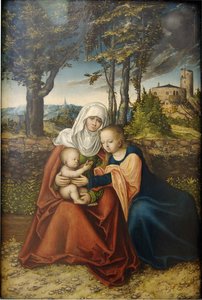
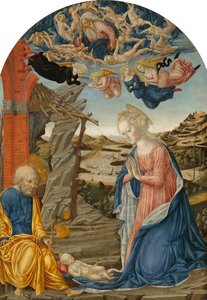
Биография художника
Ранние годы и обучение
Витторе Карпаччо, выдающийся итальянский живописец, родился в Венеции около 1465 года. Его путь в искусстве начался под чутким руководством Джентиле Беллини, прославленного мастера венецианской школы. Это ученичество заложило прочный фундамент для будущего триумфа Карпаччо, сформировав его видение и технику.Художественный стиль и влияния
Стиль Карпаччо отличался определенным консерватизмом; в его работах почти не ощущалось влияния гуманистических течений, которые в то время стремительно преображали итальянскую живопись Ренессанса. На его творчество оказали глубокое воздействие манера Антонелло да Мессина и традиции раннего нидерландского искусства. Именно этот уникальный синтез различных стилей позволил ему создать самобытный и узнаваемый подход к венецианской живописи.Знаковые произведения
- «Легенда о Святой Урсуле» — цикл из девяти полотен, ставший самым знаменитым творением Карпаччо. Эта серия, ныне хранящаяся в Галерее Академии, является истинным триумфом его мастерства в повествовательной живописи.
- Алтарный образ «Слава Святой Урсулы» (1491) демонстрирует исключительный талант художника в передаче света и цвета, что напоминает о манере Джованни Беллини.
- «Чудо реликвии Креста на мосту Риальто» (1494) подчеркивает умение Карпаччо виртуозно сочетать композиционную гармонию с драматизмом сюжета.
Вершины карьеры и наследие
- Основные работы Карпаччо были созданы в период между 1490 и 1519 годами, что позволило ему занять почетное место среди ранних мастеров Венецианского Возрождения.
- Его ориенталистский стиль, ярко проявившийся в картине «Святой Георгий крестит селенитов», отражает новое увлечение художников Востоком и Левантом.
- Несмотря на величие его таланта, творчество Карпаччо порой оставалось в тени достижений его современников, таких как Джованни Беллини или Джорджоне.
Источники и дополнительная литература
Узнайте больше о Витторе Карпаччо и венецианской школе на ArtsDot.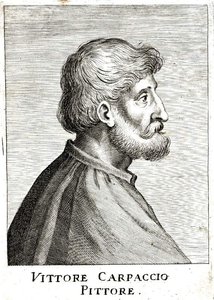
Виttore Карпаччо
1465 - 1526 , Италия
Основные сведения
- Artistic Movement Or Style: Ранний венецианский ренессанс
- Artists Or Movements Influenced By This Artist: ['Раннее нидерландское искусство']
- Artists Who Influenced This Artist:
- Джиотто ди Бондоне
- Антонио да Мессина
- Date Of Birth: Венеция, Италия (ок. 1465)
- Date Of Death: 1526
- Full Name: Витторе Карпаччо
- Nationality: Итальянский
- Notable Artworks:
- Легенда о святой Урсуле
- Слава святой Урсулы Альтарпьесэ
- Чудо реликвии Креста при Риальто
- Place Of Birth: Венеция
Похожие статьи
Mario Sironi: A Poetic of Modern Italian Identity Through Symbolism & Social Commentary
Explore the profound works of Mario Sironi, a key figure in Italian Modernism. Discover his evolution from Futurism to Metaphysical painting and his powerful social commentary. Learn about his legacy at ArtsDot.
Cosmè Tura: Rediscovering the Ferrarese Master & His Distinctive Style
Discover Cosmè Tura (1430-1495), founder of the Ferrara School. Explore his unique style, key artworks & lasting influence. Expert insights for collectors.
Jacob Henricus Maris: A Master of Dutch Atmospheric Realism & the Intimate Landscape
Explore the captivating world of Jacob Henricus Maris, a leading figure of the Dutch Hague School. Discover his atmospheric landscapes, signature brushstrokes & lasting influence on 19th-century art. Learn more at ArtsDot.
Vittore Carpaccio: Venetian Renaissance Narrative & the Poetics of Detail
Explore the captivating world of Vittore Carpaccio, a master storyteller of the Venetian Renaissance. Discover his intricate details, narrative cycles like 'The Legend of St. Ursula,' and unique artistic style.

Джотто ди Бондоне: 25 шедевров великого флорентийского мастера | ArtsDot
Погрузитесь в мир Джотто ди Бондоне! 25 величайших шедевров флорентийского мастера – фрески, картины, религиозная живопись. Узнайте историю создания и значение каждой работы. Репродукции картин высокого качества для вашего интерьера на ArtsDot.com