 Предпросмотр
 Поделиться
 Поделиться
 Детали произведения

 Скачать
 Похожие работы
 Рентгенография
 Слайд-шоу
 Статистика
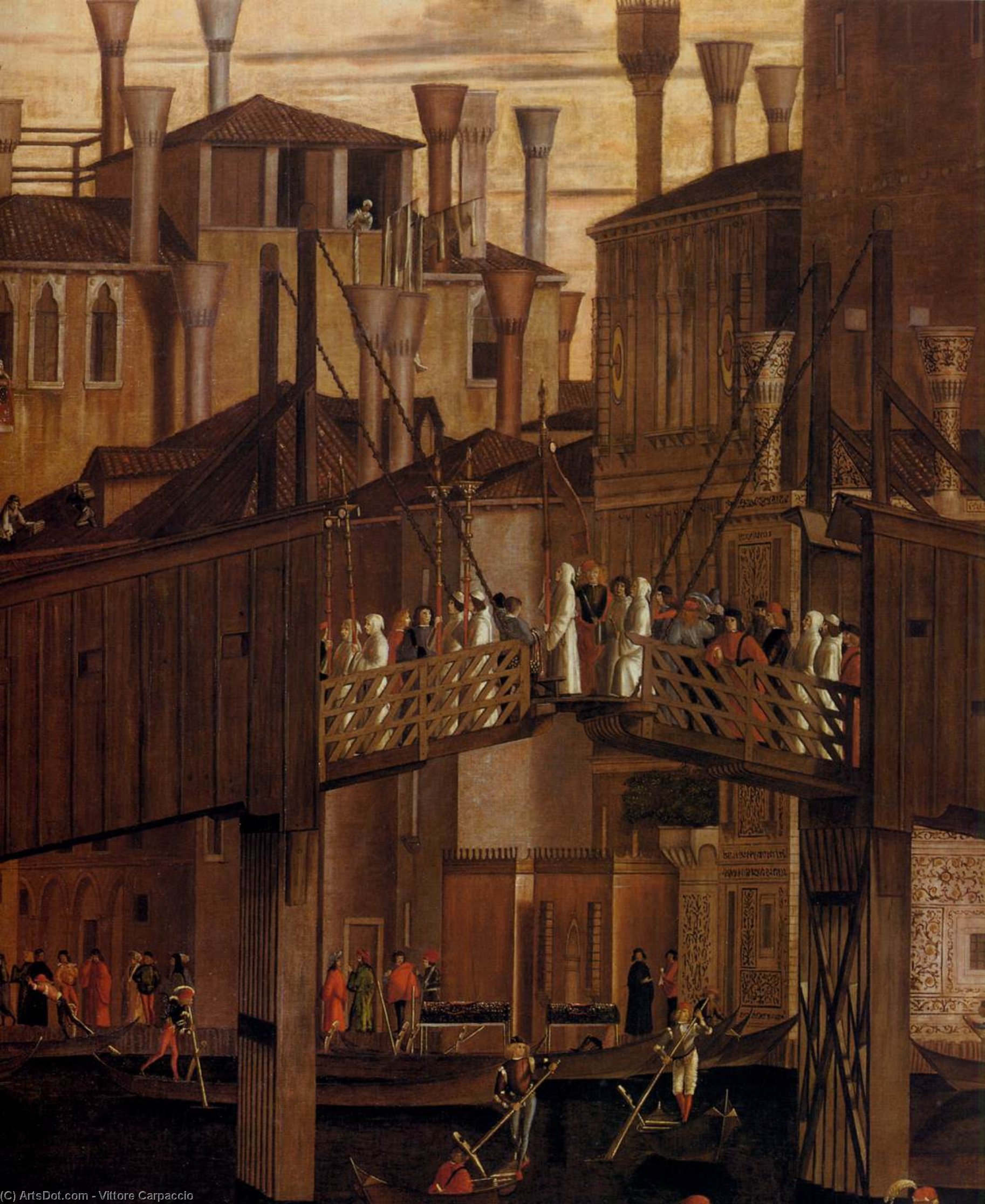
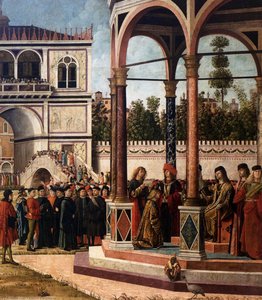
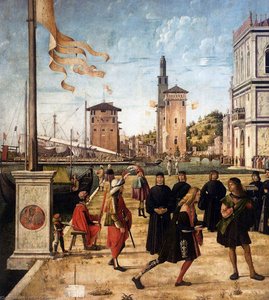
The Healing of the Madman (detail)


 Читать далее
Жикле / Арт-принт
Печать (жикле) или холст музейного качества с быстрыми сроками изготовления и широким выбором вариантов отделки. ( Купить картину ручной работы Перейти к цифровым изображениям)




P118B $10

P118H $10

P118W $10

P438Z $10

P508JH $12

P508YH $12

P805H $10

P805Z $10

P919BZ $10

P919G $10

P919XJ $10

P959ZH $10

P968JZ $12

W106C $8

W218G $10

W218JH $8

W218Y $10

W307PJ $10

W316G $10

W316PJ $8

W316Y $10

W398PJ $8

W4111J $10

W500HY $15

W500JH $15

W692G $12

W849H $8

W940BG $15

W953PJ $8




Выберите один из наших стандартных размеров, соответствующих оригинальным пропорциям произведения искусства.

Вы можете указать свои собственные размеры, чтобы репродукция идеально подошла под конкретную раму или пространство. Если выбранный вами размер не будет соответствовать пропорциям оригинала, мы либо обрежем произведение, либо дополним изображение зеркальным отражением краев или однотонной заливкой. Перед началом производства вам будет отправлен цифровой макет для утверждения.
Пожалуйста, обратите внимание, что предварительный просмотр на экране не отображает фактическую обрезку или расширение изображения. Только макет точно покажет финальную композицию.
Несмотря на возможность заказа индивидуальных размеров, мы рекомендуем выбирать размер из предопределенного списка, чтобы сохранить оригинальные пропорции.
Доставка по всему миру () за 2 недели вместо стандартных 4/5 недель. (13 Сентябрь)

Бесплатная экспресс-доставка по всему миру

Высококачественный льняной холст

Полное страхование доставки

Гарантия возмещения таможенных пошлин

Гарантия точного соответствия цветов

100-дневная политика возврата (только при обнаружении дефектов)

Гарантия возврата 100% средств

Предложение оптовых скидок
 Вариант со стеклом доступен только для размеров менее 110 см

The Healing of the Madman (detail)
Жикле / Арт-принт
Размер репродукции
-


Итоговая стоимость
$ 62
The Healing of the Madman – A Venetian Masterpiece Unveiled
Vittore Carpaccio’s “The Healing of the Madman,” painted in 1496, is not merely a depiction of a miraculous event; it's a profound meditation on faith, suffering, and divine intervention rendered with an arresting blend of Venetian realism and early Netherlandish influence. This remarkable tempera-on-canvas work, now housed within the Gallerie dell’Accademia in Venice, offers a captivating glimpse into the artistic landscape of Renaissance Italy – a period marked by both burgeoning humanist ideals and enduring religious devotion.
The scene unfolds within a bustling Venetian marketplace, a vibrant tableau teeming with everyday life. At its heart stands a man, clearly afflicted by madness, his face contorted in anguish and his limbs flailing wildly. Around him cluster a group of concerned onlookers – merchants, clergy, and fellow citizens – all united in their desire to alleviate his suffering. The focal point of the composition is the miraculous healing: a golden halo emanates from the hand of a young boy, gently touching the afflicted man’s forehead. This gesture initiates an immediate transformation; the madness visibly recedes, replaced by serenity and gratitude.
A Synthesis of Styles – Carpaccio's Unique Vision
Carpaccio’s artistic style is immediately recognizable as distinct from the more flamboyant and idealized works of his contemporaries like Bellini. He deliberately eschewed the prevailing humanist trends that emphasized classical forms and heroic narratives, instead drawing heavily from the meticulous detail and emotional intensity characteristic of early Netherlandish painting – particularly the work of Rogier van der Weyden and Hans Memling. This influence is evident in the remarkably realistic portrayal of the figures, their expressive faces, and the careful attention to anatomical accuracy. The use of tempera paint, favored for its luminosity and durability, further contributes to the artwork’s rich texture and enduring quality.
Furthermore, Carpaccio's composition demonstrates a masterful understanding of narrative structure. He skillfully guides the viewer’s eye through the scene, layering details and creating a sense of depth and immediacy. The figures are arranged in a dynamic pyramid, drawing attention to the central miracle while simultaneously capturing the surrounding atmosphere of concern and hope. The artist’s deliberate use of light and shadow adds to the dramatic effect, highlighting key elements and enhancing the emotional impact of the scene.
Symbolism and Spiritual Resonance
Beyond its immediate visual appeal, “The Healing of the Madman” is laden with symbolic meaning. The afflicted man represents humanity’s fallen state – a condition characterized by sin, suffering, and spiritual darkness. The boy offering healing embodies divine grace and compassion, representing Christ's mercy and redemption. The marketplace itself symbolizes the world, where earthly concerns often obscure our connection to the divine. The act of healing is not simply a physical restoration but a profound spiritual transformation – a testament to the power of faith to overcome adversity.
Interestingly, the painting’s genesis is linked to a specific miracle recounted in Venetian folklore: “The Miracle of the Relic of the Cross at the Ponte di Rialto.” This event, occurring in 1489, involved a supposed manifestation of the relic's power, leading to the healing of a madman. Carpaccio’s depiction likely served as a commission for the Scuola Grande di San Giovanni Evangelista, reflecting their patronage and devotion to religious narratives.
A Timeless Appeal – Beauty and Emotion
“The Healing of the Madman” continues to resonate with viewers centuries after its creation. Its potent combination of realism, symbolism, and emotional depth creates a powerful and enduring image of hope amidst suffering. The painting’s meticulous detail invites close examination, while its narrative clarity evokes empathy and compassion. It stands as a testament to Carpaccio's artistic skill and his ability to capture the complexities of human experience within the context of faith and spirituality – a truly remarkable achievement in Venetian Renaissance art.
Похожие произведения

Биография художника
Ранние годы и обучение
Витторе Карпаччо, выдающийся итальянский живописец, родился в Венеции около 1465 года. Его путь в искусстве начался под чутким руководством Джентиле Беллини, прославленного мастера венецианской школы. Это ученичество заложило прочный фундамент для будущего триумфа Карпаччо, сформировав его видение и технику.Художественный стиль и влияния
Стиль Карпаччо отличался определенным консерватизмом; в его работах почти не ощущалось влияния гуманистических течений, которые в то время стремительно преображали итальянскую живопись Ренессанса. На его творчество оказали глубокое воздействие манера Антонелло да Мессина и традиции раннего нидерландского искусства. Именно этот уникальный синтез различных стилей позволил ему создать самобытный и узнаваемый подход к венецианской живописи.Знаковые произведения
- «Легенда о Святой Урсуле» — цикл из девяти полотен, ставший самым знаменитым творением Карпаччо. Эта серия, ныне хранящаяся в Галерее Академии, является истинным триумфом его мастерства в повествовательной живописи.
- Алтарный образ «Слава Святой Урсулы» (1491) демонстрирует исключительный талант художника в передаче света и цвета, что напоминает о манере Джованни Беллини.
- «Чудо реликвии Креста на мосту Риальто» (1494) подчеркивает умение Карпаччо виртуозно сочетать композиционную гармонию с драматизмом сюжета.
Вершины карьеры и наследие
- Основные работы Карпаччо были созданы в период между 1490 и 1519 годами, что позволило ему занять почетное место среди ранних мастеров Венецианского Возрождения.
- Его ориенталистский стиль, ярко проявившийся в картине «Святой Георгий крестит селенитов», отражает новое увлечение художников Востоком и Левантом.
- Несмотря на величие его таланта, творчество Карпаччо порой оставалось в тени достижений его современников, таких как Джованни Беллини или Джорджоне.
Источники и дополнительная литература
Узнайте больше о Витторе Карпаччо и венецианской школе на ArtsDot.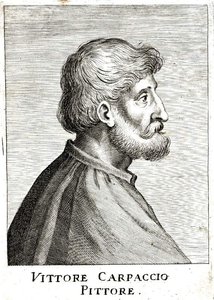
Виttore Карпаччо
1465 - 1526 , Италия
Основные сведения
- Artistic Movement Or Style: Ранний венецианский ренессанс
- Artists Or Movements Influenced By This Artist: ['Раннее нидерландское искусство']
- Artists Who Influenced This Artist:
- Джиотто ди Бондоне
- Антонио да Мессина
- Date Of Birth: Венеция, Италия (ок. 1465)
- Date Of Death: 1526
- Full Name: Витторе Карпаччо
- Nationality: Итальянский
- Notable Artworks:
- Легенда о святой Урсуле
- Слава святой Урсулы Альтарпьесэ
- Чудо реликвии Креста при Риальто
- Place Of Birth: Венеция
Похожие статьи
Illuminating Surfaces: A Comprehensive Exploration of Tempera on Panel Painting Techniques & Historical Significance
Explore the rich history & techniques of tempera painting! Discover Renaissance masters like Botticelli & Fra Angelico, conservation insights, and the enduring legacy of this captivating art form. Learn more now!
The Golden Light of Innovation: Exploring the Venetian Renaissance Art Movement (1430–1580)
Explore the Golden Age of Venetian art (1430–1580). Discover Giorgione, Titian & Tintoretto's techniques, the 'colorito' revolution, and lasting influence. Expert insights for collectors & enthusiasts.

Топ-25 шедевров Тинторетто: Венецианская драма и свет в вашем интерьере
Погрузитесь в мир драматизма и света с 25 шедеврами Тинторетто! Узнайте историю создания легендарных картин эпохи Возрождения. Репродукции высокого качества для вашего интерьера на ArtsDot.com.
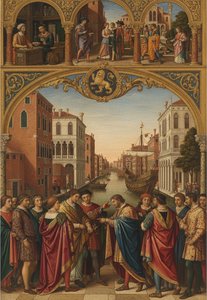
Vittore Carpaccio: Venetian Renaissance Narrative & the Poetics of Detail
Explore the captivating world of Vittore Carpaccio, a master storyteller of the Venetian Renaissance. Discover his intricate details, narrative cycles like 'The Legend of St. Ursula,' and unique artistic style.
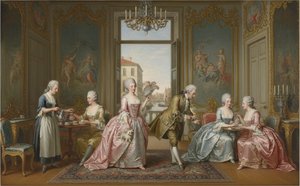
Pietro Longhi's Venetian Scenes: A Study of Rococo Society & Domestic Life
Explore the captivating world of Pietro Longhi's Venetian scenes! Discover insightful analysis of his Rococo masterpieces & social commentary on 18th-century life. Learn about this 'Venetian Hogarth' and his lasting artistic legacy.