Предпросмотр
 Поделиться
 Поделиться
 Детали произведения

 Скачать
 Похожие работы
 Рентгенография
 Слайд-шоу
 Статистика
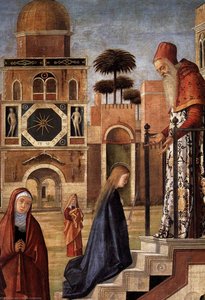
The Presentation of the Virgin
 Acrylic On Canvas
- WallArt
- Early Renaissance
 1504
1504 130.0 x 137.0 cm
 Пинакотека Брера
 Читать далее
Жикле / Арт-принт
Печать (жикле) или холст музейного качества с быстрыми сроками изготовления и широким выбором вариантов отделки. ( Купить картину ручной работы Перейти к цифровым изображениям)




P118B $10

P118H $10

P118W $10

P438Z $10

P508JH $12

P508YH $12

P805H $10

P805Z $10

P919BZ $10

P919G $10

P919XJ $10

P959ZH $10

P968JZ $12

W106C $8

W218G $10

W218JH $8

W218Y $10

W307PJ $10

W316G $10

W316PJ $8

W316Y $10

W398PJ $8

W4111J $10

W500HY $15

W500JH $15

W692G $12

W849H $8

W940BG $15

W953PJ $8
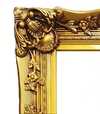
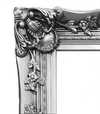
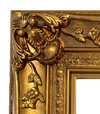
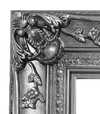
Выберите один из наших стандартных размеров, соответствующих оригинальным пропорциям произведения искусства.

Вы можете указать свои собственные размеры, чтобы репродукция идеально подошла под конкретную раму или пространство. Если выбранный вами размер не будет соответствовать пропорциям оригинала, мы либо обрежем произведение, либо дополним изображение зеркальным отражением краев или однотонной заливкой. Перед началом производства вам будет отправлен цифровой макет для утверждения.
Пожалуйста, обратите внимание, что предварительный просмотр на экране не отображает фактическую обрезку или расширение изображения. Только макет точно покажет финальную композицию.
Несмотря на возможность заказа индивидуальных размеров, мы рекомендуем выбирать размер из предопределенного списка, чтобы сохранить оригинальные пропорции.
Доставка по всему миру () за 2 недели вместо стандартных 4/5 недель. (14 Сентябрь)

Бесплатная экспресс-доставка по всему миру

Высококачественный льняной холст

Полное страхование доставки

Гарантия возмещения таможенных пошлин

Гарантия точного соответствия цветов

100-дневная политика возврата (только при обнаружении дефектов)

Гарантия возврата 100% средств

Предложение оптовых скидок
 Вариант со стеклом доступен только для размеров менее 110 см

The Presentation of the Virgin
Жикле / Арт-принт
Размер репродукции
-


Итоговая стоимость
$ 62
The Presentation of the Virgin: A Venetian Masterpiece
Vittore Carpaccio’s “The Presentation of the Virgin” is not merely a religious scene; it's a window into 15th-century Venice, a city brimming with artistic innovation and a unique blend of influences. Painted in 1504, this monumental work, now housed within the Pinacoteca di Brera in Milan, captures a pivotal moment from the apocryphal Protoevangelium of James – the infant Mary’s arrival at the Temple in Jerusalem. More than just depicting a biblical event, Carpaccio masterfully weaves together elements of Early Netherlandish painting, Venetian tradition, and even hints of Orientalist aesthetics, creating an image that is both deeply spiritual and remarkably human.
Carpaccio's style diverges significantly from the prevailing Renaissance trends of his time. Unlike the idealized figures and dramatic compositions favored by many of his contemporaries, Carpaccio’s approach is characterized by a meticulous realism and a profound attention to detail. He eschewed the flamboyant use of color and perspective that defined much of Venetian painting during this period, opting instead for a more restrained palette and a carefully constructed spatial arrangement. This deliberate conservatism, combined with his masterful rendering of textures – from the folds of the priests’ robes to the rough stone of the steps – gives the scene an almost photographic quality, lending it an immediacy and emotional resonance that transcends its religious subject matter.
A Symphony of Influences
Carpaccio's artistic journey reveals a fascinating interplay of influences. His early training under Gentile Bellini instilled in him a deep understanding of Venetian painting, but he quickly developed his own distinctive style, drawing heavily from the techniques of Antonello da Messina – particularly his use of light and shadow – and the meticulous detail characteristic of Early Netherlandish artists like Rogier van der Weyden. Notably, Carpaccio’s work also exhibits a subtle yet undeniable influence from the East, evident in the composition's balance, the careful arrangement of figures, and the inclusion of architectural elements reminiscent of Islamic art. This fusion of styles—Venetian, Northern European, and Eastern—is what makes Carpaccio’s “Presentation” so uniquely captivating.
The scene itself is meticulously rendered with a remarkable sense of realism. The priests, clad in vibrant red robes, stand on the steps of the Temple, their gestures conveying both solemnity and reverence. The young Mary, presented by her parents, is depicted with an innocence and vulnerability that immediately draws the viewer’s attention. Even the background figures – servants, onlookers, and animals – are rendered with a high degree of detail, contributing to the overall sense of immersion within the scene. The clock mounted on the wall, a relatively uncommon feature in Venetian paintings of this era, adds an element of temporal awareness, reminding us that this event occurred centuries ago.
Symbolism and Emotional Resonance
Beyond its visual beauty, “The Presentation of the Virgin” is rich in symbolic meaning. The act of presentation itself represents Mary’s dedication to God from her earliest years – a theme central to Christian theology. The Temple, with its towering dome, symbolizes divine authority and holiness. The red robes worn by the priests signify their role as intermediaries between humanity and God. Furthermore, the scene evokes a powerful sense of hope and anticipation, suggesting that Mary’s destiny—her future role as Mother of God—is already unfolding.
Carpaccio's masterful use of light and shadow further enhances the emotional impact of the painting. The strong contrast between light and dark creates a dramatic effect, drawing the viewer’s eye to key figures and elements within the scene. The warm glow emanating from the Temple suggests divine presence, while the shadows cast by the priests and onlookers create a sense of mystery and reverence. Ultimately, “The Presentation of the Virgin” is not simply a depiction of a biblical event; it's an invitation to contemplate themes of faith, devotion, and the enduring power of human connection.
A Timeless Masterpiece
Reproductions of "The Presentation of the Virgin" capture the essence of Carpaccio’s artistic vision. The meticulous detail, vibrant colors, and evocative symbolism are faithfully reproduced in high-quality prints, making this masterpiece accessible to a wider audience. Whether displayed in a private home or a public gallery, this painting continues to inspire awe and admiration for its beauty, artistry, and profound spiritual significance. It remains a testament to Carpaccio’s genius—a Venetian master who seamlessly blended diverse artistic influences to create an image that transcends time and speaks to the enduring power of faith and human experience.
Похожие произведения
Биография художника
Ранние годы и обучение
Витторе Карпаччо, выдающийся итальянский живописец, родился в Венеции около 1465 года. Его путь в искусстве начался под чутким руководством Джентиле Беллини, прославленного мастера венецианской школы. Это ученичество заложило прочный фундамент для будущего триумфа Карпаччо, сформировав его видение и технику.Художественный стиль и влияния
Стиль Карпаччо отличался определенным консерватизмом; в его работах почти не ощущалось влияния гуманистических течений, которые в то время стремительно преображали итальянскую живопись Ренессанса. На его творчество оказали глубокое воздействие манера Антонелло да Мессина и традиции раннего нидерландского искусства. Именно этот уникальный синтез различных стилей позволил ему создать самобытный и узнаваемый подход к венецианской живописи.Знаковые произведения
- «Легенда о Святой Урсуле» — цикл из девяти полотен, ставший самым знаменитым творением Карпаччо. Эта серия, ныне хранящаяся в Галерее Академии, является истинным триумфом его мастерства в повествовательной живописи.
- Алтарный образ «Слава Святой Урсулы» (1491) демонстрирует исключительный талант художника в передаче света и цвета, что напоминает о манере Джованни Беллини.
- «Чудо реликвии Креста на мосту Риальто» (1494) подчеркивает умение Карпаччо виртуозно сочетать композиционную гармонию с драматизмом сюжета.
Вершины карьеры и наследие
- Основные работы Карпаччо были созданы в период между 1490 и 1519 годами, что позволило ему занять почетное место среди ранних мастеров Венецианского Возрождения.
- Его ориенталистский стиль, ярко проявившийся в картине «Святой Георгий крестит селенитов», отражает новое увлечение художников Востоком и Левантом.
- Несмотря на величие его таланта, творчество Карпаччо порой оставалось в тени достижений его современников, таких как Джованни Беллини или Джорджоне.
Источники и дополнительная литература
Узнайте больше о Витторе Карпаччо и венецианской школе на ArtsDot.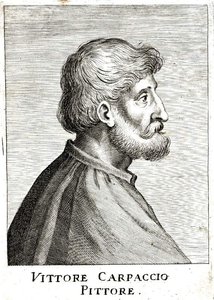
Виttore Карпаччо
1465 - 1526 , Италия
Основные сведения
- Artistic Movement Or Style: Ранний венецианский ренессанс
- Artists Or Movements Influenced By This Artist: ['Раннее нидерландское искусство']
- Artists Who Influenced This Artist:
- Джиотто ди Бондоне
- Антонио да Мессина
- Date Of Birth: Венеция, Италия (ок. 1465)
- Date Of Death: 1526
- Full Name: Витторе Карпаччо
- Nationality: Итальянский
- Notable Artworks:
- Легенда о святой Урсуле
- Слава святой Урсулы Альтарпьесэ
- Чудо реликвии Креста при Риальто
- Place Of Birth: Венеция
Похожие статьи
Vittore Carpaccio: Venetian Renaissance Narrative & the Poetics of Detail
Explore the captivating world of Vittore Carpaccio, a master storyteller of the Venetian Renaissance. Discover his intricate details, narrative cycles like 'The Legend of St. Ursula,' and unique artistic style.
Фра Анджелико: Топ-25 шедевров эпохи Возрождения для вашего интерьера
Погрузитесь в мир Фра Анджелико! Топ-25 шедевров Возрождения – религиозные фрески, алтари и картины с ангелами. Узнайте историю искусства и вдохновитесь для декора дома. Репродукции картин высокого качества на ArtsDot.com.
Джотто ди Бондоне: 25 шедевров великого флорентийского мастера | ArtsDot
Погрузитесь в мир Джотто ди Бондоне! 25 величайших шедевров флорентийского мастера – фрески, картины, религиозная живопись. Узнайте историю создания и значение каждой работы. Репродукции картин высокого качества для вашего интерьера на ArtsDot.com
Jacob Henricus Maris: A Master of Dutch Atmospheric Realism & the Intimate Landscape
Explore the captivating world of Jacob Henricus Maris, a leading figure of the Dutch Hague School. Discover his atmospheric landscapes, signature brushstrokes & lasting influence on 19th-century art. Learn more at ArtsDot.
Sacred Narratives Embodied: A Comprehensive Exploration of Religious Iconography in Art History
Explore the rich history of religious iconography in art! Discover symbolism, movements & masterpieces from Byzantine to Renaissance periods. Expert insights for collectors and enthusiasts at ArtsDot.