

 Предпросмотр
 Поделиться
 Поделиться
 Детали произведения

 Скачать
 Похожие работы
 Рентгенография
 Слайд-шоу
 Статистика
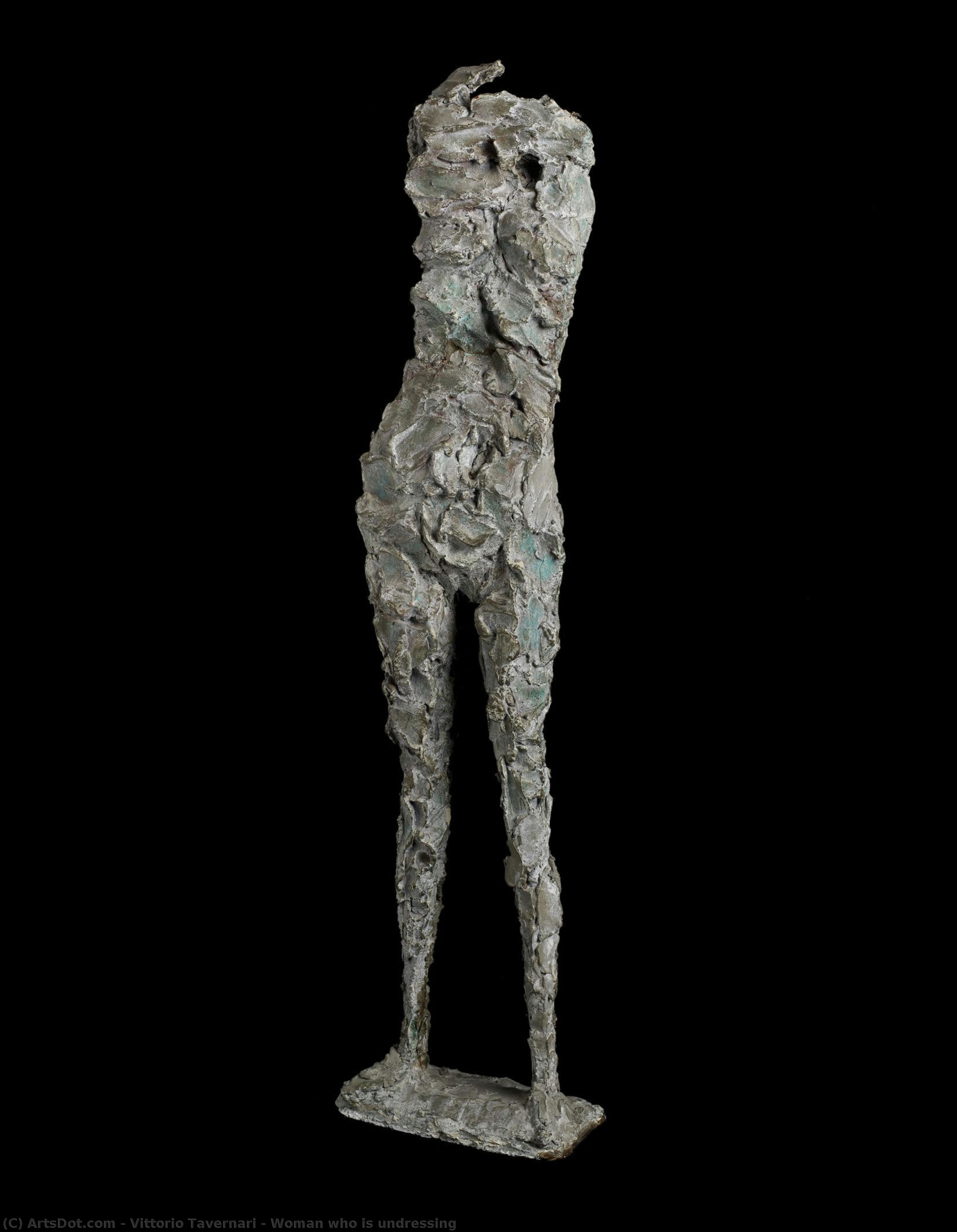
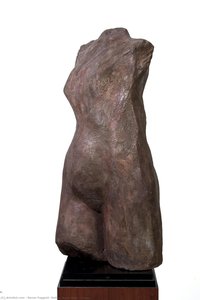
Woman who is undressing
 Contemporary Sculpture
 20.0 x 80.0 cm
 MAGA - Museo Arte Gallarate
 Читать далее
Приобретите цифровое изображение высокого разрешения в улучшенном качестве, которое значительно превосходит онлайн-превью.
Каждый файл тщательно подготавливается нашими специалистами с использованием передовых инструментов и экспертной ручной ретуши. Мы гарантируем исключительную четкость, точную цветопередачу и детальную проработку каждого изображения.
Финальный файл доставляется по электронной почте в течение 72 часов и оптимизирован для немедленного использования в профессиональной среде, при верстке и печати. Это тот же уровень качества, которому доверяют ведущие дизайнерские студии, издательства и галереи.
Цифровое изображение
Скачайте файл высокого разрешения для личного использования, печати и творческих проектов. ( Перейти к печати Купить картину ручной работы)
Включено в каждый заказ цифровых изображений
Гарантия экспертной цифровой доставки
Выбирая ArtsDot.com, вы получаете не просто изображение — вы приобретаете профессионально обработанное цифровое произведение искусства, созданное с безупречной точностью и под защитой гарантии качества. Вот всё, что автоматически входит в ваш заказ:

Мгновенная доставка по e-mail
Ваш цифровой файл в высоком разрешении будет отправлен вам по электронной почте в течение 72 часов после оформления заказа — и сразу станет доступен для использования.

Цифровой файл с ИИ-улучшением
Ваше произведение искусства проходит профессиональную оптимизацию с использованием передовых инструментов ИИ и ручной обработки, что гарантирует максимальную детализацию, четкость и точность цветопередачи.

Бессрочная бесплатная повторная доставка
Случайно удалили или потеряли файл? Не беспокойтесь — мы отправим его вам повторно в любое время и совершенно бесплатно.

Без импортных пошлин — навсегда
Наслаждайтесь вашим произведением искусства мгновенно без таможенных пошлин, сборов или затрат на доставку — цифровые загрузки всегда не облагаются налогом.

Гарантия точности цветопередачи
Мы гарантируем, что ваше цифровое изображение максимально точно передает оригинальные цвета благодаря использованию профессиональных инструментов и систем управления цветом.

Гарантия удовлетворенности 100 дней
Если вы не будете удовлетворены своим цифровым изображением, мы внесем правки или вернем 100% стоимости в течение 100 дней — без лишних вопросов.

100% Гарантия возврата средств
Не удовлетворены покупкой? Получите полный возврат средств в течение 100 дней после получения цифрового файла — без лишних вопросов.

Скидки на оптовые заказы
Купите 3 изображения, сэкономьте 10% — Купите 5, сэкономьте 15% — Купите 10+, сэкономьте 20%. Отличное решение для творческих проектов, галерей и агентств.
Похожие произведения


Биография художника
A Sculptor of the Human Condition: The Life and Art of Vittorio Tavernari
Vittorio Tavernari, born in Milan in 1919, emerged as a significant voice within the Italian artistic landscape of the post-World War II era. His journey began with formal training at the Scuola del Marmo from 1935 to 1938, an institution dedicated to the art of sculpting—a foundation that would profoundly shape his aesthetic and technical approach. However, Tavernari’s work wasn't merely a continuation of traditional sculptural practices; it was a deliberate response to the trauma and upheaval of the war years, a search for meaning and authenticity in a world irrevocably altered. He became a central figure in the Realism movement, not as a simple imitation of life but as an exploration of its raw emotional core and contemporary realities.The Manifesto del Realismo and Early Artistic Development
Tavernari’s artistic identity solidified with his participation in the *Oltre Guernica. Il Manifesto del Realismo* (Beyond Guernica: The Realism Manifesto) published in 1946 by the journal *Argine Numero*. This pivotal moment saw ten artists, including Tavernari and Giovanni Testori, articulate a commitment to representing “the total reality of mankind, in a given place and time.” The manifesto wasn’t simply a stylistic declaration; it was an ethical stance—a rejection of escapism and a call for art that engaged directly with the present. This period saw Tavernari experimenting with various materials – wood, bronze, cement, and marble – each lending itself to different expressive possibilities. His early sculptures often focused on the human figure, particularly torsos, stripped down to their essential forms. These weren’t idealized representations but rather studies of vulnerability, resilience, and the weight of existence. The plaster sculpture from 1943, a precursor to later castings, exemplifies this nascent exploration of the female form in torsion, revealing a modeling process that predates his most recognized works.Exploring Form and Emotion: A Sculptural Language
The years following the manifesto were crucial for Tavernari’s stylistic evolution. His sculptures from 1944-1947 demonstrate a shift from detailed figuration towards simplification of forms, imbued with a primitive and archaic quality. Works like *Maternità* (Maternity, 1944) showcase essential strokes delineating volumes, conveying a sense of ancestral power and quiet strength. *Donna che si sveste* (Woman Undressing, 1945), a captivating black & white sculpture, exemplifies his ability to capture intimate moments with profound sensitivity. These sculptures weren’t merely representations of the human body; they were explorations of inner states—of longing, vulnerability, and the complexities of identity. Tavernari's commitment to realism wasn't about photographic accuracy but about conveying emotional truth through form and texture. He sought a language that transcended superficial appearances, delving into the psychological depths of his subjects.Recognition and Legacy: From Peggy Guggenheim to MOMA
Tavernari’s dedication to his artistic vision didn’t go unnoticed. His work was exhibited at prestigious institutions like the Peggy Guggenheim Collection in Venice, solidifying his position within the international art world. Further recognition came with exhibitions at the Museum of Modern Art (MOMA) in New York City, bringing his sculptures to a wider audience and establishing him as a leading figure in post-war Italian art. While biographical details remain somewhat scarce—compilation is ongoing according to askART—the impact of his work is undeniable. Tavernari’s sculptures continue to resonate with viewers today, offering a powerful testament to the enduring human spirit and the transformative power of art. His exploration of form, emotion, and the complexities of contemporary life ensures his place as a significant contributor to 20th-century sculpture.The Enduring Relevance of a Realist Vision
Vittorio Tavernari’s legacy extends beyond specific artworks or institutional accolades. He represents a generation of artists grappling with the aftermath of war, seeking new ways to express the realities of their time. His commitment to realism—not as a mere style but as an ethical imperative—remains profoundly relevant in a world often saturated with superficiality and abstraction. His sculptures are not simply objects to be admired; they are invitations to contemplate the human condition, to confront our own vulnerabilities, and to recognize the shared experiences that bind us together. The enduring power of Tavernari’s work lies in its ability to connect with viewers on a deeply emotional level, reminding us of the beauty, fragility, and resilience of the human spirit.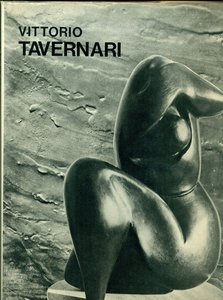
vittorio tavernari
1919 - , Italy
Основные сведения
- Artistic Movement Or Style: Realism
- Date Of Birth: 1919
- Full Name: Vittorio Tavernari
- Nationality: Italian
- Notable Artworks: ['Woman who is undressing']
- Place Of Birth: Milan, Italy