

 Предпросмотр
 Поделиться
 Поделиться
 Детали произведения

 Скачать
 Похожие работы
 Рентгенография
 Слайд-шоу
 Статистика
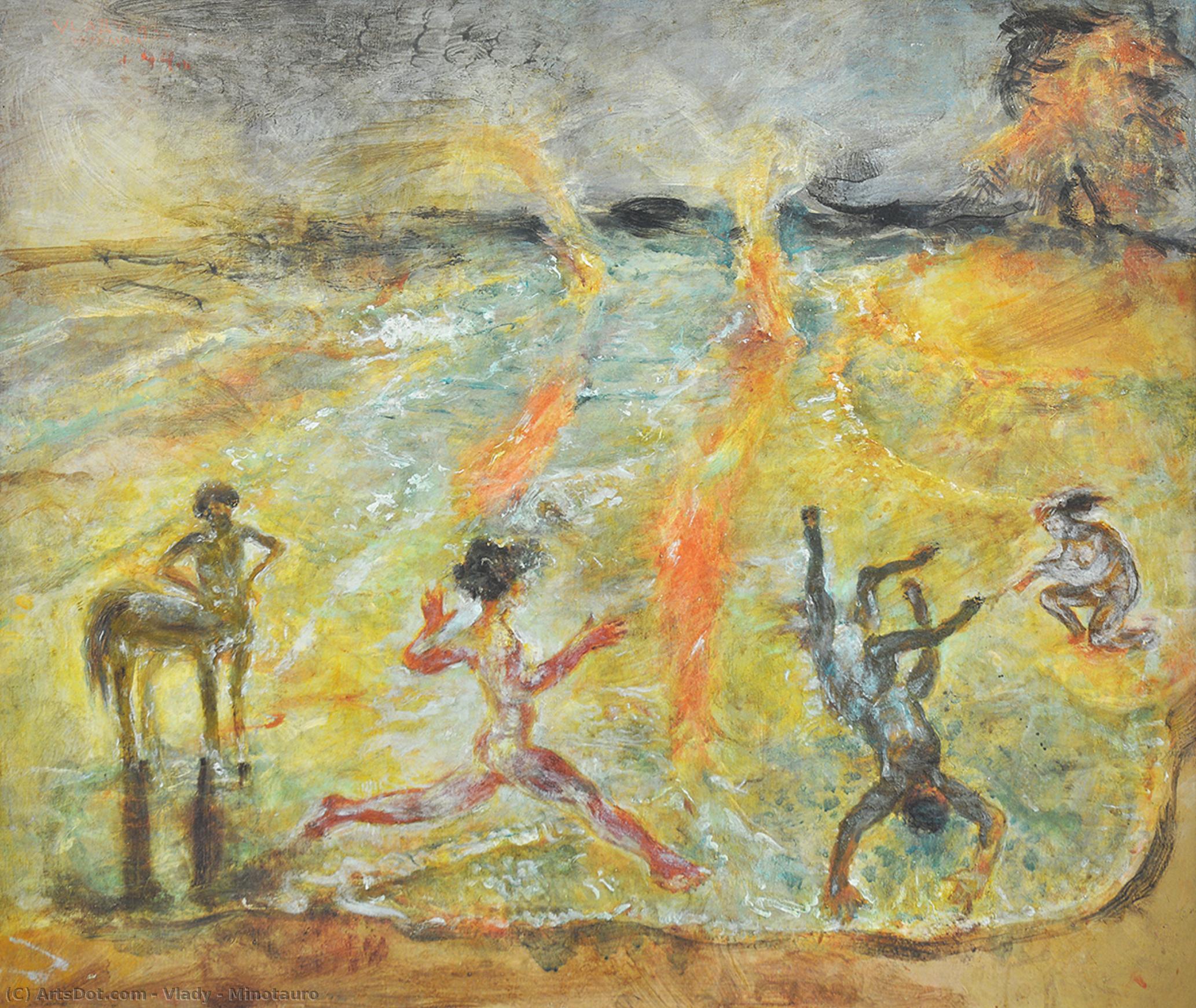
Minotauro
 Surrealism
 75.0 x 100.0 cm
 Читать далее
Жикле / Арт-принт
Печать (жикле) или холст музейного качества с быстрыми сроками изготовления и широким выбором вариантов отделки. ( Купить картину ручной работы Перейти к цифровым изображениям)




































Выберите один из наших стандартных размеров, соответствующих оригинальным пропорциям произведения искусства.

Вы можете указать свои собственные размеры, чтобы репродукция идеально подошла под конкретную раму или пространство. Если выбранный вами размер не будет соответствовать пропорциям оригинала, мы либо обрежем произведение, либо дополним изображение зеркальным отражением краев или однотонной заливкой. Перед началом производства вам будет отправлен цифровой макет для утверждения.
Пожалуйста, обратите внимание, что предварительный просмотр на экране не отображает фактическую обрезку или расширение изображения. Только макет точно покажет финальную композицию.
Несмотря на возможность заказа индивидуальных размеров, мы рекомендуем выбирать размер из предопределенного списка, чтобы сохранить оригинальные пропорции.
Доставка по всему миру () за 2 недели вместо стандартных 4/5 недель. (11 Сентябрь)

Бесплатная экспресс-доставка по всему миру

Высококачественный льняной холст

Полное страхование доставки

Гарантия возмещения таможенных пошлин

Гарантия точного соответствия цветов

100-дневная политика возврата (только при обнаружении дефектов)

Гарантия возврата 100% средств

Предложение оптовых скидок
 Вариант со стеклом доступен только для размеров менее 110 см

Minotauro
Жикле / Арт-принт
Размер репродукции
-


Итоговая стоимость
$ 62
Похожие произведения
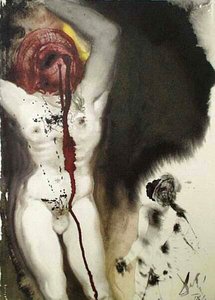
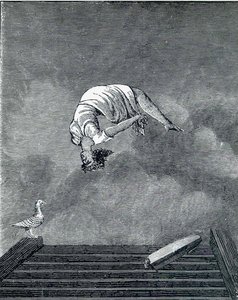
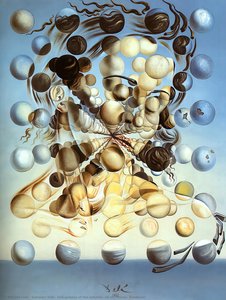
Биография художника
The Dawn of a New Aesthetic: Exploring the World of the 1920s
The 1920s, often dubbed the “Jazz Age,” wasn’t merely a decade defined by flappers and speakeasies; it was a crucible for artistic innovation. Emerging from the ashes of World War I, a profound shift occurred in how artists perceived their role and the very nature of art itself. The established traditions of realism and academic painting were increasingly challenged, giving way to experimentation, abstraction, and a fervent desire to capture the dynamism and anxieties of a rapidly changing world. This period witnessed the birth of movements like Dadaism, Surrealism, and Art Deco – each offering a radically different lens through which to view reality and express emotion.
The economic prosperity that followed the war provided artists with newfound freedom and resources. Patrons were eager to support groundbreaking work, fueling a surge in creativity across various disciplines. However, this era wasn’t without its undercurrents of unease. The horrors of the Great War had shattered faith in reason and progress, leading many artists to question societal norms and explore darker themes – alienation, disillusionment, and the subconscious. This tension between optimism and despair is a defining characteristic of 1920s art.
Key Movements and Artistic Styles
Several distinct artistic movements flourished during this decade, each leaving an indelible mark on the subsequent development of modern art. Dadaism, born in Zurich, rejected logic and embraced absurdity as a means of critiquing bourgeois society and the perceived failures of reason. Artists like Marcel Duchamp famously challenged traditional notions of authorship and beauty by presenting everyday objects – a urinal, for example – as works of art, forcing viewers to question their own assumptions about what constitutes “art.”
Simultaneously, Surrealism emerged, drawing inspiration from the psychoanalytic theories of Sigmund Freud. Artists like Salvador Dalí explored the realm of dreams and the subconscious mind, creating bizarre and unsettling imagery that defied rational interpretation. Georgia O’Keeffe, a pivotal figure in American art, developed a unique style characterized by intensely detailed depictions of flowers, landscapes, and Native American pottery – often imbued with a sense of sensuality and mystery. Her work reflected a deep connection to the natural world and a willingness to challenge conventional representations of female beauty.
Art Deco, perhaps the most visually striking movement of the era, dominated architecture, design, and decorative arts. Characterized by geometric patterns, luxurious materials (like chrome and lacquer), and stylized motifs inspired by ancient Egypt, Mesoamerica, and exotic cultures, Art Deco embodied a spirit of optimism and technological advancement. Tamara de Lempicka epitomized this style with her glamorous portraits of the wealthy elite, capturing the essence of the Jazz Age’s sophisticated and liberated atmosphere.
Influences and Key Figures
The 1920s were shaped by a confluence of influences, ranging from European avant-garde movements to the burgeoning popularity of jazz music. The rise of photography also played a significant role, providing artists with new tools for capturing reality and experimenting with composition and perspective. Cubism, which had gained momentum in the early 20th century, continued to influence painters like O’Keeffe, who incorporated its fragmented forms and multiple viewpoints into her work.
Beyond these movements, several individual artists made significant contributions during this period. George Luks, a prominent Realist painter, depicted scenes of urban life with gritty honesty and social commentary. Marcel Duchamp's conceptual art challenged the very definition of artistic creation, paving the way for future generations of avant-garde artists. And, as mentioned previously, Tamara de Lempicka’s bold portraits captured the spirit of a generation embracing modernity and self-expression.
Legacy and Historical Significance
The innovations of the 1920s laid the foundation for much of the art that followed in the 20th century. The experimentation with abstraction, the exploration of psychological themes, and the rejection of traditional artistic conventions established a new paradigm for artists to consider. The decade’s embrace of mass media – particularly through Art Deco posters and advertising – demonstrated the growing influence of technology on visual culture.
Furthermore, the 1920s witnessed a shift in the role of the artist from craftsman to intellectual, challenging established hierarchies and redefining the purpose of art. The artists of this era weren’t simply creating beautiful objects; they were engaging with social and political issues, questioning societal norms, and pushing the boundaries of artistic expression. Their legacy continues to resonate today, reminding us that art can be a powerful force for change and a reflection of the complexities of human experience.
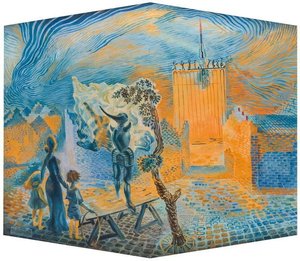
vladimir victorovich kibalchich rusakov
1920 - 2005 , Russia
Основные сведения
- Artistic Movement Or Style:
- 1920s Art Deco
- Expressionism
- Surrealism
- Artists Or Movements Influenced By This Artist: ['Georgia O’Keeffe']
- Artists Who Influenced This Artist: ['Marcel Duchamp']
- Date Of Birth: 1920
- Date Of Death: 2005
- Place Of Birth: WahooArt