

 Предпросмотр
 Поделиться
 Поделиться
 Детали произведения

 Скачать
 Похожие работы
 Рентгенография
 Слайд-шоу
 Статистика
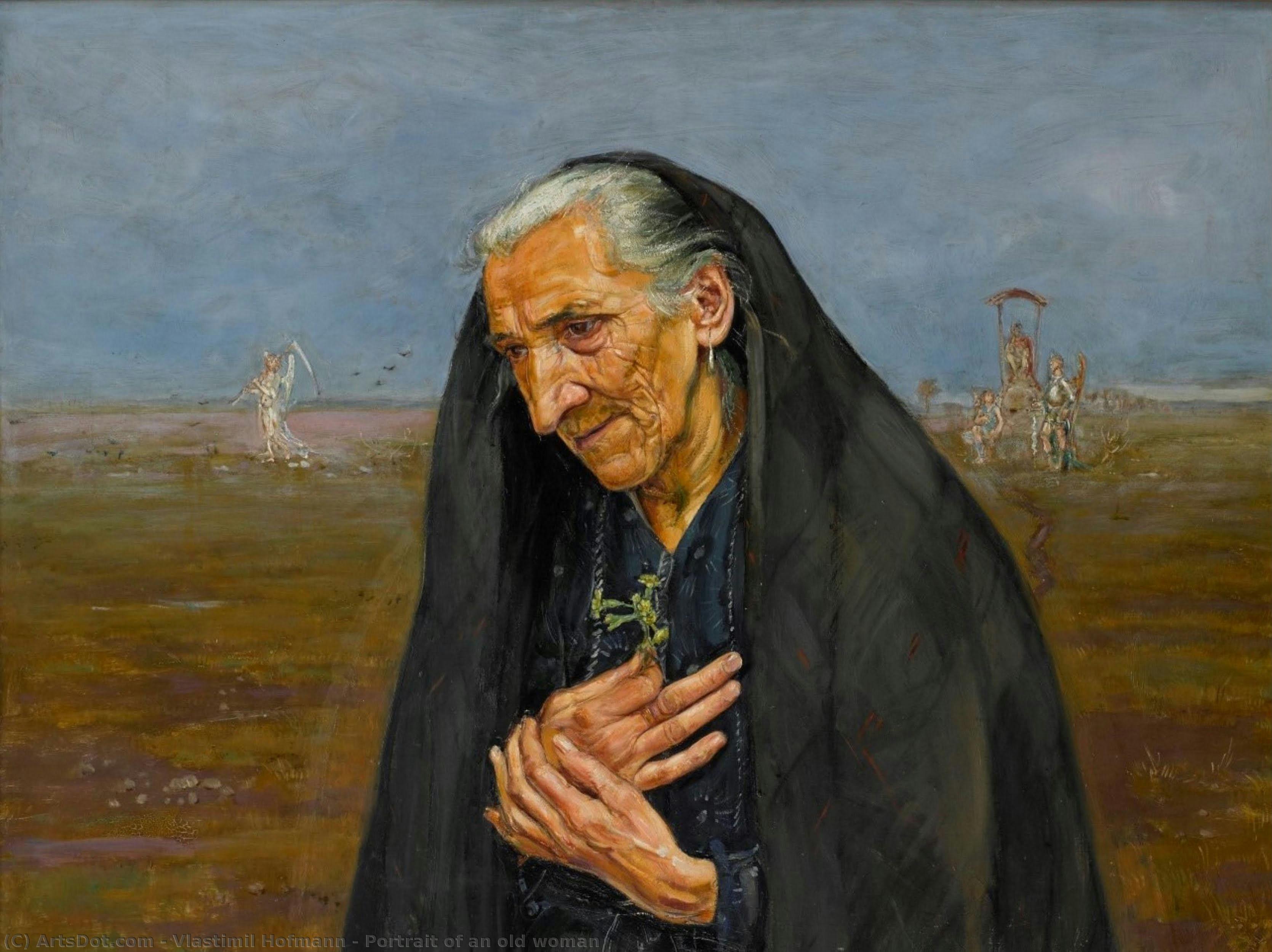
Portrait of an old woman


 Читать далее
Жикле / Арт-принт
Печать (жикле) или холст музейного качества с быстрыми сроками изготовления и широким выбором вариантов отделки. ( Купить картину ручной работы Перейти к цифровым изображениям)




































Выберите один из наших стандартных размеров, соответствующих оригинальным пропорциям произведения искусства.

Вы можете указать свои собственные размеры, чтобы репродукция идеально подошла под конкретную раму или пространство. Если выбранный вами размер не будет соответствовать пропорциям оригинала, мы либо обрежем произведение, либо дополним изображение зеркальным отражением краев или однотонной заливкой. Перед началом производства вам будет отправлен цифровой макет для утверждения.
Пожалуйста, обратите внимание, что предварительный просмотр на экране не отображает фактическую обрезку или расширение изображения. Только макет точно покажет финальную композицию.
Несмотря на возможность заказа индивидуальных размеров, мы рекомендуем выбирать размер из предопределенного списка, чтобы сохранить оригинальные пропорции.
Доставка по всему миру () за 2 недели вместо стандартных 4/5 недель. (13 Сентябрь)

Бесплатная экспресс-доставка по всему миру

Высококачественный льняной холст

Полное страхование доставки

Гарантия возмещения таможенных пошлин

Гарантия точного соответствия цветов

100-дневная политика возврата (только при обнаружении дефектов)

Гарантия возврата 100% средств

Предложение оптовых скидок
 Вариант со стеклом доступен только для размеров менее 110 см

Portrait of an old woman
Жикле / Арт-принт
Размер репродукции
-


Итоговая стоимость
$ 62
Похожие произведения
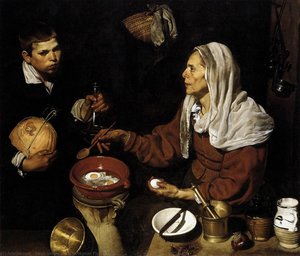
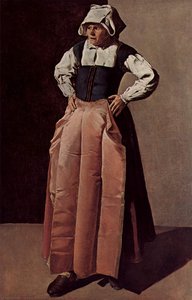
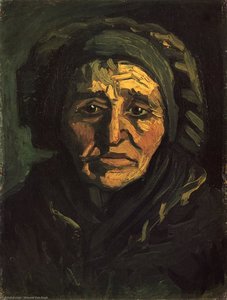
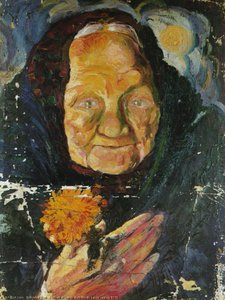
Биография художника
A Life Bridging Cultures: The Evocative World of Vlastimil Hofmann
Vlastimil Hofmann, often known as Wlastimil Hofman, was a painter whose life and work embodied the complex cultural currents of Central Europe in the first half of the 20th century. Born in Prague in 1881 to a Czech father and Polish mother, his artistic journey became a poignant reflection of his dual heritage and the turbulent times he lived through. He wasn’t simply a painter; he was a visual poet who translated spiritual yearning and human emotion onto canvas with a distinctive blend of symbolism and realism. His early life in Prague provided a foundation steeped in Bohemian artistic traditions before his family relocated to Kraków, Poland, in 1889—a move that would profoundly shape his identity as a Polish artist while retaining the subtle nuances of his Czech upbringing. He began formal training at the Academy of Fine Arts in Kraków under the tutelage of Jacek Malczewski, a leading figure in Polish Symbolism, and later refined his skills at the prestigious École nationale supérieure des Beaux-Arts in Paris. These formative experiences laid the groundwork for a career that would see him become one of the most popular artists of the interwar and postwar periods.The Rise of a Symbolic Voice: Early Works & Recognition
Hofmann’s artistic debut came with exhibitions organized by the ‘Sztuka’ society in 1902, marking the beginning of his public recognition. He quickly established himself through participation in shows across Europe—Munich, Amsterdam, Rome, Berlin, Prague, and Warsaw all became stages for his evolving style. However, it was his series of “village madonnas,” initiated in 1904, that truly captured the public imagination. These weren’t traditional depictions of the Virgin Mary; they were intimate portrayals of peasant women imbued with a quiet dignity and spiritual depth. He followed this success with the ‘Confession’ cycle, begun in 1905, which brought him international acclaim. This series delved into themes of guilt, redemption, and the human condition, showcasing his mastery of psychological nuance and symbolic imagery. In 1907, he was invited to join the Vienna Secession gallery—a testament to the growing recognition of his innovative approach to painting. These early works demonstrate a clear departure from purely academic styles, embracing instead an emotional intensity that resonated with the burgeoning Expressionist movement while maintaining a uniquely personal vision.Navigating War and Displacement: A Testament to Resilience
The outbreak of World War II dramatically altered Hofmann’s life trajectory. Married to a Jewish woman, he was forced to flee Poland in 1939 as Nazi persecution intensified. His escape took him on a harrowing journey through the Soviet Union and Turkey before finally reaching Palestine. This period of displacement profoundly impacted his artistic output, though documentation from this time is scarce. The trauma of exile undoubtedly informed his later work, adding layers of sorrow and resilience to his already emotionally charged compositions. After the war, he returned to Poland, determined to rebuild his life and continue his artistic practice. Despite the hardships endured, Hofmann’s commitment to his craft remained unwavering—a testament to the power of art as a means of personal expression and cultural preservation.Themes & Techniques: A Synthesis of Spirituality and Realism
Hofmann's oeuvre is characterized by a powerful synthesis of spirituality and realism. His paintings often feature religious or mythological subjects, but they are rarely presented in a conventional manner. He imbued everyday scenes with symbolic meaning, elevating the ordinary to the level of the sacred. The “village madonnas,” for example, weren’t idealized representations; they were portraits of real women, their faces etched with the hardships and joys of life. His technique was equally distinctive—characterized by realistic brushstrokes combined with a deliberate use of impasto to create texture and depth. He employed a muted color palette that evoked a sense of melancholy and introspection. His ability to convey emotion through subtle gestures and nuanced expressions set him apart from his contemporaries. He wasn’t interested in grand narratives or dramatic spectacle; he focused instead on the inner lives of his subjects, exploring themes of faith, loss, and redemption with quiet intensity.Legacy & Historical Significance: A Bridge Between Worlds
Vlastimil Hofmann died in Szklarska Poreba, Poland, in 1970, leaving behind a rich artistic legacy. He remains an important figure in Polish art history, celebrated for his unique blend of symbolism and realism. His work offers a poignant glimpse into the cultural complexities of Central Europe during a period of profound change and upheaval.- His paintings continue to resonate with audiences today, offering a timeless exploration of universal human emotions.
- He bridged the gap between traditional artistic styles and the emerging Expressionist movement.
- Hofmann’s life story—marked by displacement and resilience—serves as a powerful reminder of the importance of art as a means of cultural preservation and personal expression.
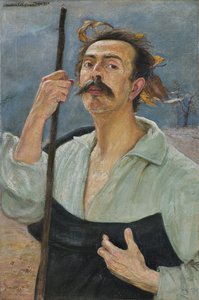
vlastimil hofmann
1881 - 1970 , Czech Republic
Основные сведения
- Artistic Movement Or Style: Symbolic painting
- Date Of Birth: 1881
- Date Of Death: 1970
- Full Name: Vlastimil Hofmann
- Nationality: Polish
- Notable Artworks:
- Confession Series
- Village Madonnas
- Place Of Birth: Prague, Czech Republic
Похожие статьи
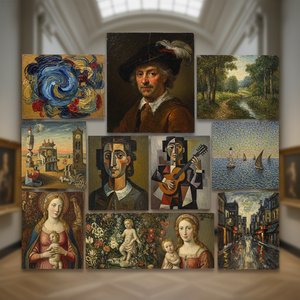
Топ-10 шедевров масляной живописи на доске, изменившие искусство | ArtsDot.com
Откройте для себя 10 легендарных шедевров масляной живописи на доске, изменивших искусство! Узнайте истории Ван Гога, Моне и других великих художников. Репродукции картин премиум-качества для вашего интерьера – ArtsDot.com

Oil on Canvas: A Historical & Technical Exploration of a Timeless Artistic Medium
Explore the rich history & enduring techniques of oil painting on canvas. Discover the science behind its longevity, conservation practices, and contemporary relevance. Expert insights for art enthusiasts.

The Enduring Power of Painting: A Historical & Contemporary Exploration of Form and Emotion
Explore the rich history & enduring techniques of oil painting with ArtsDot. Discover masterpieces, learn about art collecting, and find authentic handmade reproductions crafted by skilled artists.

The Enduring Legacy of Oil on Canvas: Technique, History & Aesthetic Impact
Explore the rich history & techniques of oil painting – from Renaissance masters to Impressionism. Discover pigments, layering methods, and why this timeless medium endures. Expert insights for artists & art enthusiasts.

Масляная живопись: История, техника и непреходящее наследие
Узнайте все о масляной живописи: история техники, секреты мастеров и современные тенденции. Погрузитесь в мир искусства с экспертами !