

 Предпросмотр
 Поделиться
 Поделиться
 Детали произведения

 Скачать
 Похожие работы
 Рентгенография
 Слайд-шоу
 Статистика
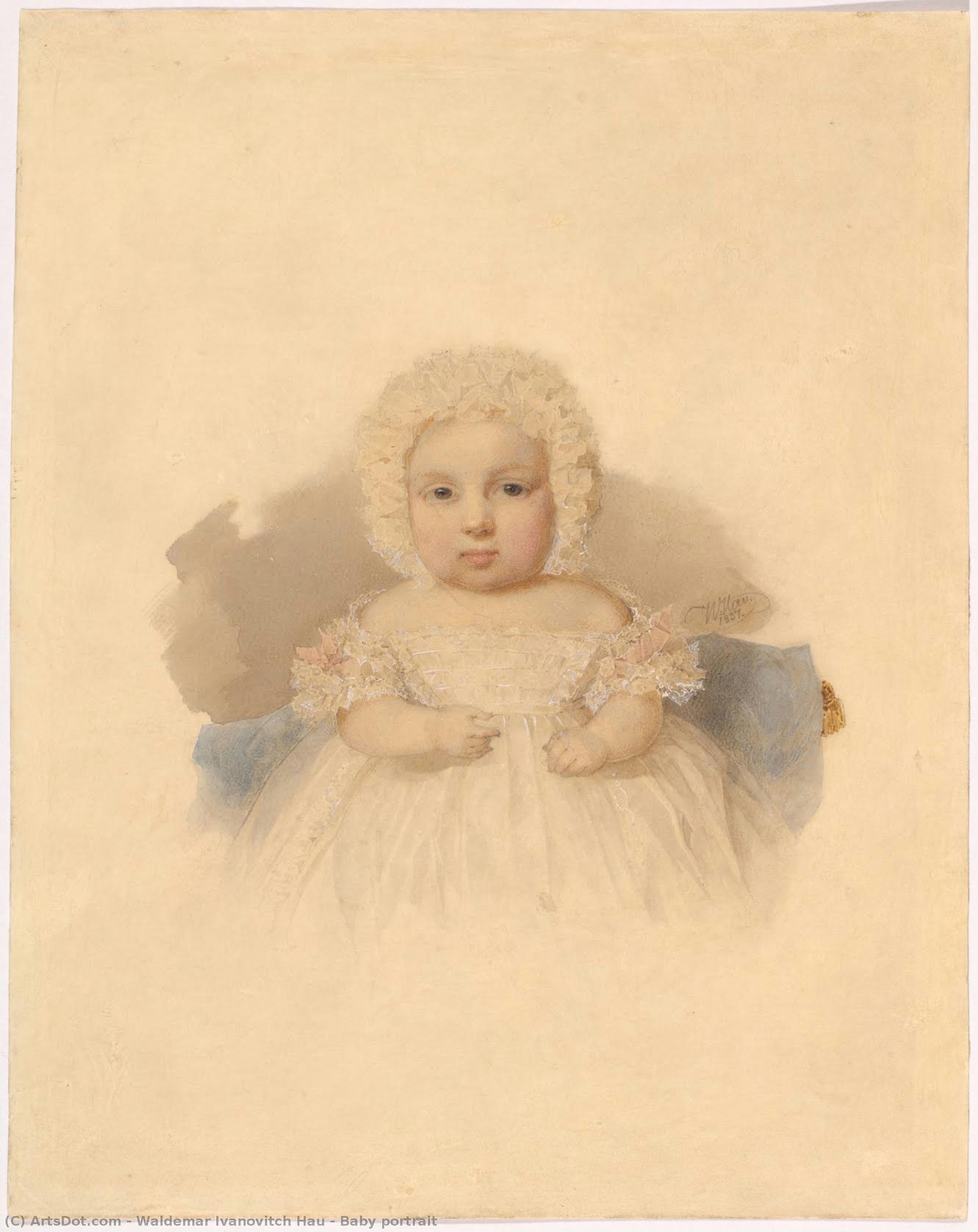
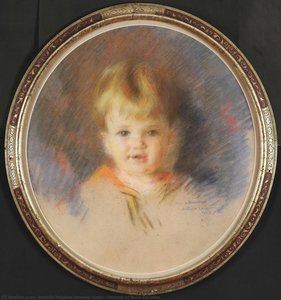
Baby portrait


 Читать далее
Приобретите цифровое изображение высокого разрешения в улучшенном качестве, которое значительно превосходит онлайн-превью.
Каждый файл тщательно подготавливается нашими специалистами с использованием передовых инструментов и экспертной ручной ретуши. Мы гарантируем исключительную четкость, точную цветопередачу и детальную проработку каждого изображения.
Финальный файл доставляется по электронной почте в течение 72 часов и оптимизирован для немедленного использования в профессиональной среде, при верстке и печати. Это тот же уровень качества, которому доверяют ведущие дизайнерские студии, издательства и галереи.
Цифровое изображение
Скачайте файл высокого разрешения для личного использования, печати и творческих проектов. ( Перейти к печати Купить картину ручной работы)
Включено в каждый заказ цифровых изображений
Гарантия экспертной цифровой доставки
Выбирая ArtsDot.com, вы получаете не просто изображение — вы приобретаете профессионально обработанное цифровое произведение искусства, созданное с безупречной точностью и под защитой гарантии качества. Вот всё, что автоматически входит в ваш заказ:

Мгновенная доставка по e-mail
Ваш цифровой файл в высоком разрешении будет отправлен вам по электронной почте в течение 72 часов после оформления заказа — и сразу станет доступен для использования.

Цифровой файл с ИИ-улучшением
Ваше произведение искусства проходит профессиональную оптимизацию с использованием передовых инструментов ИИ и ручной обработки, что гарантирует максимальную детализацию, четкость и точность цветопередачи.

Бессрочная бесплатная повторная доставка
Случайно удалили или потеряли файл? Не беспокойтесь — мы отправим его вам повторно в любое время и совершенно бесплатно.

Без импортных пошлин — навсегда
Наслаждайтесь вашим произведением искусства мгновенно без таможенных пошлин, сборов или затрат на доставку — цифровые загрузки всегда не облагаются налогом.

Гарантия точности цветопередачи
Мы гарантируем, что ваше цифровое изображение максимально точно передает оригинальные цвета благодаря использованию профессиональных инструментов и систем управления цветом.

Гарантия удовлетворенности 100 дней
Если вы не будете удовлетворены своим цифровым изображением, мы внесем правки или вернем 100% стоимости в течение 100 дней — без лишних вопросов.

100% Гарантия возврата средств
Не удовлетворены покупкой? Получите полный возврат средств в течение 100 дней после получения цифрового файла — без лишних вопросов.

Скидки на оптовые заказы
Купите 3 изображения, сэкономьте 10% — Купите 5, сэкономьте 15% — Купите 10+, сэкономьте 20%. Отличное решение для творческих проектов, галерей и агентств.
Похожие произведения




Биография художника
John Frederick Kensett: The Luminist’s Pursuit of Light and Atmosphere
Born in Cheshire, Connecticut, in 1816, John Frederick Kensett's journey from engraving to becoming a pivotal figure in the Hudson River School is a compelling story of artistic evolution. Initially apprenticed to his father’s engraving firm, he quickly found himself drawn to the burgeoning field of landscape painting – a departure that required considerable determination and a willingness to embrace new techniques. His early years were marked by a series of moves, including stints in New York and Albany, as he navigated away from the constraints of printmaking and sought to establish his voice within the evolving American art scene. The death of his father in 1829 propelled him back to New Haven, but a falling out with his business partner led to another relocation, ultimately setting him on a path toward Europe – a crucial period of artistic exploration and development.
Kensett’s European sojourn, beginning in 1840, proved transformative. He initially connected with family forebears at Hampton Court Palace, immersing himself in the collections of the National Gallery and Dulwich College, institutions that profoundly influenced his understanding of light and composition. His time in Paris (1842-1843) was equally significant; he studied at the École Préparation des Beaux-Arts, absorbing the principles of academic painting while simultaneously engaging with a vibrant American artist community comprised of figures like Thomas Cole, Benjamin Champney, and Francis W. Edmonds. This exposure to diverse artistic approaches broadened his perspective and fueled his experimentation with capturing atmospheric effects – a hallmark of what would later be termed “luminism.” The death of his grandmother in 1843 prompted a return to England until 1845, after which he journeyed to Italy, dedicating the remainder of his career to exploring the landscapes of Europe and the Mediterranean.
Kensett’s Italian sojourn (1843-1847) proved to be the most fruitful period of his artistic life. He spent considerable time touring the towns surrounding Rome, sketching in southern Italy around Naples, and visiting Florence and Venice. His cultural circle expanded dramatically, including George Curtis and his brothers, who became influential friends and provided valuable connections within New York’s social and artistic circles. This immersion in Italian art and landscape profoundly shaped his style, leading him to masterfully capture the subtle nuances of light, color, and atmosphere – a technique that distinguished his work from more traditional historical or portrait paintings. He developed a distinctive approach to capturing the effects of sunlight on water and foliage, creating images imbued with a sense of tranquility and natural beauty.
The Luminist Style: Capturing Atmospheric Light
Kensett is widely recognized as the foremost practitioner of “luminism,” a style of landscape painting that emerged in America during the mid-19th century. This approach, heavily influenced by European artists like J.M.W. Turner and the Barbizon School painters, prioritized capturing the fleeting effects of light and atmosphere over detailed representation or dramatic narrative. Kensett’s brushwork was characterized by delicate textures and a focus on pure, exquisite states of light – a technique that earned him considerable acclaim. He meticulously observed how sunlight interacted with different surfaces, creating an illusion of depth and luminosity that drew viewers into the scene. His paintings often depict serene landscapes—forests, rivers, and coastal scenes— bathed in soft, diffused light, evoking a sense of peace and contemplation.
Unlike many of his Hudson River School contemporaries who favored grand vistas and heroic subjects, Kensett’s focus remained firmly on the natural world. He sought to capture not just the appearance of a landscape but also its essence—its mood, its atmosphere, and its inherent beauty. His paintings are often described as “impressionistic” before the Impressionist movement fully developed, reflecting his commitment to capturing immediate sensory experiences rather than adhering to strict academic conventions.
Key Works and Notable Paintings
Several of Kensett’s works stand out as particularly significant examples of his luminist style. *The Old Mill* (1848) is perhaps his most famous painting, a quintessential example of his ability to capture the subtle effects of light on water and foliage. Other notable paintings include *Twilight in the Adirondacks* (1867), which showcases his mastery of atmospheric perspective; *The Shore Scene at Gloucester* (1859), demonstrating his interest in coastal landscapes; and *Ram's Head, Riverbank* (1846), a striking portrait that combines naturalistic detail with an evocative sense of mood. These paintings represent the culmination of his artistic explorations and solidify his legacy as one of America’s most important landscape painters.
Historical Significance and Legacy
John Frederick Kensett's contribution to American art is undeniable. He played a crucial role in establishing luminism as a distinct style, influencing generations of artists who followed. His meticulous observation of nature, his innovative use of light and color, and his commitment to capturing the essence of the landscape helped to shape the course of American painting. While he initially faced challenges and skepticism within the art world, Kensett’s work gradually gained recognition for its beauty, subtlety, and emotional resonance. Today, his paintings are celebrated in museums and private collections around the world, serving as a testament to his artistic vision and enduring legacy.
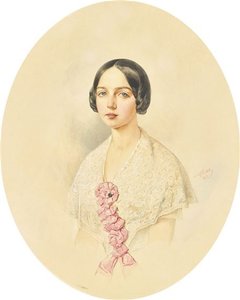
waldemar ivanovitch hau
1816 - 1895 , Estonia
Основные сведения
- Artistic Movement Or Style: Luminism
- Artists Or Movements Influenced By This Artist:
- Hudson River School
- Luminism
- Artists Who Influenced This Artist:
- Asher B. Durand
- Thomas Cole
- Benjamin Champney
- Date Of Birth: 1816
- Date Of Death: 1872
- Full Name: John Frederick Kensett
- Nationality: American
- Notable Artworks:
- The First Snowfall
- Twilight in the Adirondacks
- Sauks and Foxes
- The Oxbow
- Place Of Birth: Cheshire, Connecticut