

 Поделиться
 Поделиться
 Детали произведения

 Скачать
 Похожие работы
 Слайд-шоу
 Статистика
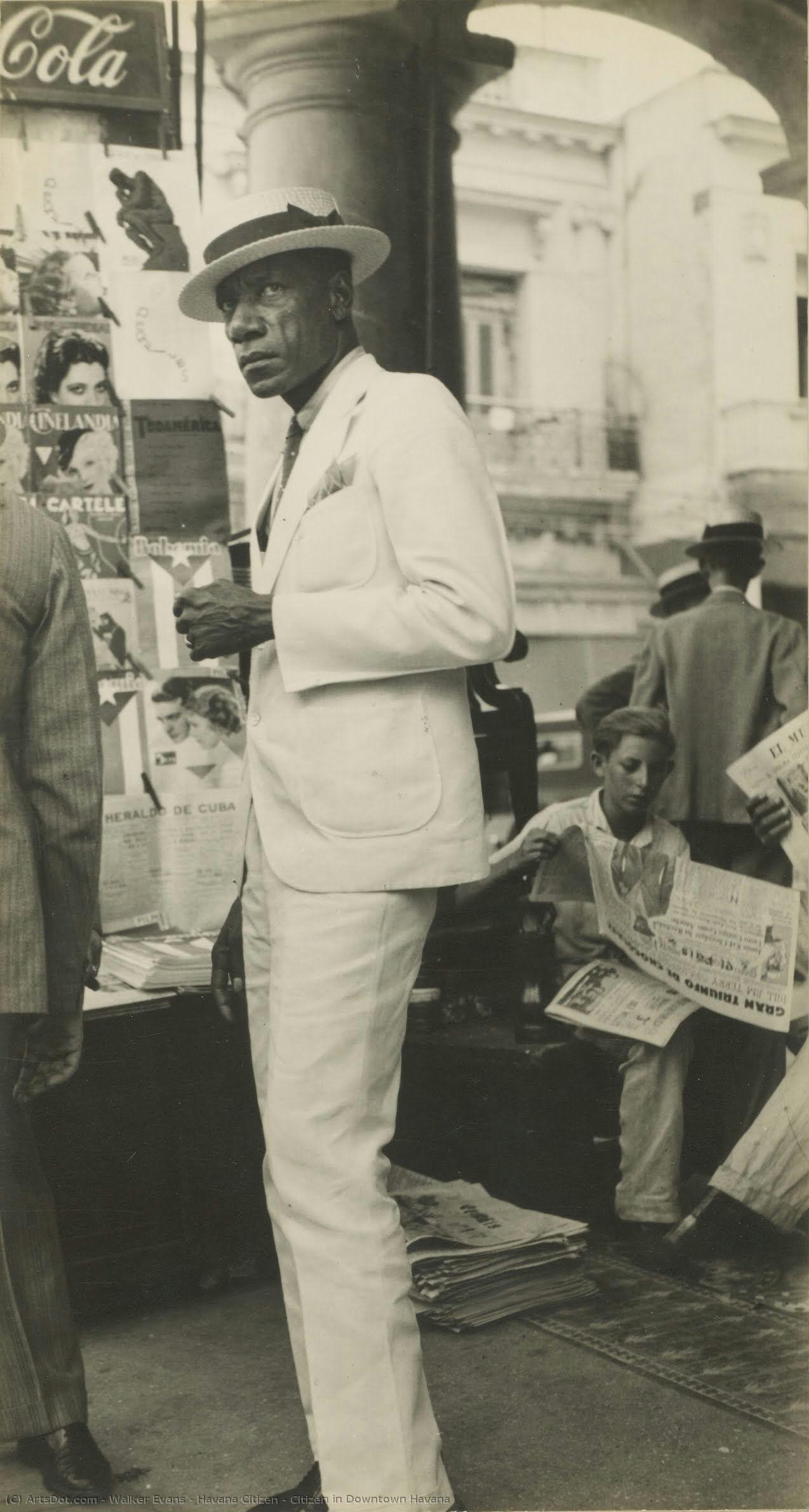
Havana Citizen / Citizen in Downtown Havana
 Gelatin Silver Print
- Photo
- Documentary Photography
 1933
1933- 19th Century
 22.0 x 11.0 cm
 Музей Дж. Пол Гети
 Читать далее
Масляная репродукция ручной работы
Картина маслом на холсте в выбранном вами размере и раме, написанная на заказ нашими художниками. ( Перейти к печати Перейти к цифровым изображениям)




































Выберите один из наших стандартных размеров, соответствующих оригинальным пропорциям произведения искусства.

Вы можете указать собственные размеры, чтобы картина идеально вписалась в выбранную раму или пространство. Если выбранный вами размер не соответствует пропорциям оригинала, мы либо обрежем полотно, либо расширим его за счет дополнительных элементов, написанных вручную. Цифровой макет будет отправлен вам на утверждение перед началом производства.
Обратите внимание, что предварительный просмотр на экране не отражает фактическую обрезку или расширение. Только макет точно покажет окончательную композицию.
Хотя доступны индивидуальные размеры, мы рекомендуем выбирать вариант из предопределенного списка, чтобы сохранить исходные пропорции.
После оформления заказа команда ArtsDot.com свяжется с клиентом по электронной почте для уточнения деталей и предоставит предварительный макет
Доставка по всему миру () за 3–4 недели вместо стандартных 5 недель. (10 Сентябрь). Без компромиссов в качестве.

Бесплатная экспресс-доставка по всему миру

Высококачественный льняной холст

Полное страхование доставки

Гарантия возмещения таможенных пошлин

Гарантия точного соответствия цветов

100-дневная политика возврата (только при обнаружении дефектов)

Гарантия возврата 100% средств

Предложение оптовых скидок
 Вариант со стеклом доступен только для размеров менее 110 см

Havana Citizen / Citizen in Downtown Havana
Техника репродукции
Размер репродукции
-


Итоговая стоимость
$ 263
A Snapshot of Havana’s Soul: Walker Evans' “Citizen in Downtown Havana”
Walker Evans’ “Citizen in Downtown Havana,” created in 1933, isn’t merely a photograph; it’s a distilled moment, a frozen tableau of urban life that speaks volumes about a city grappling with change and the quiet dignity of its inhabitants. Captured during a brief assignment for Carlton Beals' book *The Crime of Cuba*, this image transcends simple documentation, becoming a poignant meditation on identity, masculinity, and the subtle rhythms of daily existence in a rapidly transforming Havana. The photograph’s power lies not just in its technical execution – Evans’ masterful use of light and shadow, his keen eye for composition – but also in the palpable sense of atmosphere he conjures: a humid, sun-drenched street teeming with men, each seemingly lost in their own thoughts yet collectively forming the pulse of the city.
The scene unfolds on Obispo Street, Havana’s main thoroughfare, a space dominated by cavernous stores and shaded portals. Evans meticulously frames his subject – a man dressed in a crisp white linen suit, a straw hat tilted just so – amidst a sea of similar figures. These men, predominantly white, are the dominant presence, reflecting a city where, as Evans himself noted, “nearly all are men.” This isn’t a celebration of masculinity; rather, it subtly hints at the social dynamics and perhaps even the constraints placed upon the male population within Cuban society at that time. The inclusion of lottery tickets plastered across the walls of the shops adds a layer of everyday reality – a blend of commerce, chance, and the mundane routines that underpin daily life.
The FSA Photographer and the Politics of Representation
Understanding “Citizen in Downtown Havana” requires recognizing Walker Evans’ role as a key figure within the Farm Security Administration (FSA). Established during the Great Depression, the FSA employed photographers like Evans to document the plight of rural Americans and share their stories with the nation. While this photograph was taken in Cuba, it exemplifies Evans' broader approach: he wasn’t simply recording hardship; he sought to capture the essence of a place and its people – their resilience, their dignity, and their quiet beauty. Beals’ book, for which Evans photographed, aimed to expose American capitalist influence on Cuba, but Evans’ images offered a more nuanced perspective, focusing on the everyday lives of Cubans rather than solely highlighting political critiques.
The decision to omit this photograph from Beals' final publication is itself significant. It suggests that Evans recognized the image’s inherent value – its ability to transcend political agendas and speak directly to the viewer about the human experience. It became one of his favorite images, a testament to his belief in the power of photography to reveal truths beyond words.
A Study in Light, Texture, and Symbolism
Technically, “Citizen in Downtown Havana” is a remarkable example of Evans’ signature style: stark, unadorned black and white. The composition is carefully balanced, drawing the eye towards the central figure while simultaneously immersing the viewer in the bustling street scene. The use of light is particularly masterful – it casts dramatic shadows that accentuate the textures of the linen suits, the worn brick walls, and the colorful advertisements. These details contribute to a sense of depth and immediacy, as if we are standing right there on Obispo Street.
Beyond its technical merits, the photograph is rich in symbolism. The white suit, often associated with formality and respectability, contrasts sharply with the casual postures of the men around him. The tilted straw hat – a symbol of Cuban identity and tradition – adds another layer of visual interest. Even the simple act of idling in the open-air cafes suggests a certain languor, a sense of time slowing down amidst the city’s relentless activity.
A Legacy of Observation and Human Connection
“Citizen in Downtown Havana” remains a powerful testament to Walker Evans' extraordinary talent as a photographer and observer. It’s an image that invites contemplation – prompting us to consider not only the specific context of 1930s Havana but also universal themes of identity, community, and the quiet beauty of everyday life. Reproduced faithfully on high-quality canvas or paper by ArtsDot.com, this photograph offers a unique window into a bygone era, allowing viewers to connect with the spirit of a city and its people in a profoundly meaningful way. It’s more than just an image; it's a portal to another time and place.
Похожие произведения

Биография художника
Walker Evans: A Witness to America’s Soul
Walker Evans, born in St. Louis in 1903, wasn't merely a photographer; he was an architect of perception, meticulously crafting images that resonated with the quiet dignity and stark realities of American life. His name is inextricably linked with the visual record of the Great Depression, but to reduce his artistic journey to this single period would be a profound injustice – it obscures the breadth of his vision and the enduring influence he exerted on photography itself. Evans’s early years were marked by constant relocation—from Toledo to Chicago, then to New York City—a restless movement that instilled in him an acute awareness of America's diverse landscapes and its people. Despite a somewhat sporadic academic record, including brief stints at Phillips Academy Andover and Williams College, his true education unfolded through self-directed study, immersing himself in the works of literary giants like T.S. Eliot, D.H. Lawrence, James Joyce, and e.e. cummings – writers who valued precision of language and a keen observation of the human condition. This intellectual foundation profoundly shaped his photographic approach.The Seeds of a New Vision: Influences and Early Work
Evans’s artistic sensibilities were nurtured by a confluence of influences. He deeply admired Eugène Atget, whose intimate photographs of Parisian streets captured a timeless quality, and August Sander, whose portraits aimed for an objective cataloging of German society. Equally significant were the writings of American modernists—writers who championed clarity, directness, and a rejection of sentimentality. These literary and photographic models coalesced in Evans’s developing aesthetic: a commitment to visual precision, a deliberate avoidance of melodrama, and a profound respect for the dignity of ordinary subjects. His early work, produced during the late 1920s and early 1930s, often reflected this influence, featuring semi-abstract patterns derived from skyscrapers and other machine-age products—a fascination with the geometry of modern life. However, it was his time in Paris in 1926 that proved pivotal, exposing him to European artistic trends and solidifying his desire to move beyond purely decorative photography. Returning to New York City, he found work as a bookstore clerk and library assistant, providing him with ample opportunity to cultivate his passion for literature and to hone his observational skills.Documenting America’s Hardships: The Farm Security Administration
The turning point in Evans's career arrived in 1935 when he accepted a position with the Farm Security Administration (FSA), a New Deal agency tasked with documenting the plight of rural communities during the Great Depression. Initially assigned to photograph a resettlement community in West Virginia, Evans quickly realized that his role extended far beyond simply recording statistics—he was driven by a deep empathy for the people he photographed and a desire to capture their stories with honesty and nuance. He rejected the FSA’s prescribed itineraries and ideological agenda, instead focusing on capturing the essence of American life from the simple and the ordinary. His photographs of roadside stands, small-town churches, and weathered faces became iconic representations of hardship, resilience, and the dignity of rural America. The collaboration with writer James Agee on *Let Us Now Praise Famous Men* (1941) is a testament to this commitment—a lyrical exploration of three tenant farming families in Alabama that combined stark photographs with evocative prose. This project, initially rejected by *Fortune* magazine for its unconventional length and style, remains a landmark achievement in documentary literature and photography.Beyond the FSA: Portraits and Shifting Perspectives
Following his work with the FSA, Evans’s artistic trajectory continued to evolve. The 1938 exhibition “Walker Evans: American Photographs” at the Museum of Modern Art marked a watershed moment, solidifying his reputation as a major figure in photography and establishing a new standard for realism and objectivity. However, he resisted being confined to the role of simply a documentary photographer. He increasingly turned his attention towards portraits and street photography, capturing candid moments of urban life in New York City with an understated elegance. These later works reveal a subtle shift in focus—less concerned with social commentary and more interested in exploring the aesthetic qualities of everyday scenes. In the 1960s, Evans embraced color photography, producing vibrant images of interiors, architecture, and commonplace objects – a bold move that challenged conventional notions of photographic representation. This experimentation demonstrated a willingness to push boundaries and explore new avenues for artistic expression.A Lasting Legacy: Influence and Enduring Power
Walker Evans’s legacy extends far beyond the iconic images he created during the Great Depression. He is widely considered one of the most important figures in the history of documentary photography, having established a new standard for realism and objectivity in photographic representation. His work profoundly influenced generations of photographers, inspiring them to look at the world with fresh eyes and to find beauty and meaning in the ordinary. His impact on social realism is undeniable, as his FSA photographs became powerful symbols of hardship and resilience during a pivotal moment in American history. But perhaps his greatest contribution lies in demonstrating how photography could serve not only as a tool for social commentary but also as a medium for aesthetic exploration. He proved that even the most seemingly mundane subjects could be transformed into works of art through careful observation, precise composition, and a commitment to visual truth. Evans’s work continues to resonate today, reminding us of the power of photography to document our world, challenge our perceptions, and connect us to the shared human experience. His photographs are not merely images; they are windows into another time, offering a profound glimpse into the soul of America.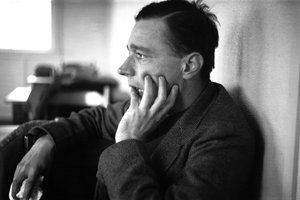
Волкер Эванс
1903 - 1975 , Соединенные Штаты Америки
Основные сведения
- Artistic Movement Or Style: Документальная фотография
- Artists Or Movements Influenced By This Artist:
- Шерри Левин
- Социальный реализм
- Artists Who Influenced This Artist:
- Эжен Атего
- Август Сандер
- Date Of Birth: 1903
- Date Of Death: 1975
- Full Name: Walker Evans
- Nationality: Американский
- Notable Artworks:
- Let Us Now Praise Famous Men
- Silverware
- Barn with Porch Addition
- Place Of Birth: Сент-Луис, США
Похожие статьи

Топ-10 знаменитых картин в черных тонах: шедевры искусства для вашего интерьера
Погрузитесь в мир темных шедевров! Топ-10 знаменитых картин в черных тонах от Гойи, Рембрандта и Мунка. История искусства, техники живописи и вдохновение для вашего интерьера. Купите репродукции высокого качества на ArtsDot.com

Monochrome Visions: Exploring the Aesthetic & Historical Significance of Black & White Photography
Explore the rich history & artistic power of black and white photography. From early techniques to iconic masters like Ansel Adams, discover why monochrome continues to captivate art lovers today. Expert insights for collectors.
Топ-10 шедевров документальной фотографии: искусство, изменившее взгляд на мир | ArtsDot.com
Топ-10 шедевров документальной фотографии, изменивших мир искусства. Узнайте истории культовых фотографов и их работ, вдохновившихся реализмом и социальными темами. Репродукции высокого качества на ArtsDot.com – для вашего интерьера!

Pictorialism: A Search for Artistic Photography's Soul – Aesthetics, Techniques & Legacy
Explore the captivating world of Pictorialism – a pivotal movement that transformed photography into fine art. Discover key artists like Stieglitz & Käsebier, techniques, and collecting tips from experts.
Beyond the Lens: Photography's Enduring Influence on Modern & Contemporary Art
Explore photography's pivotal role in shaping modern & contemporary art. Discover key movements, influential artists like Stieglitz, and expert collecting advice from ArtsDot.