

 Предпросмотр
 Поделиться
 Поделиться
 Детали произведения

 Скачать
 Похожие работы
 Рентгенография
 Слайд-шоу
 Статистика
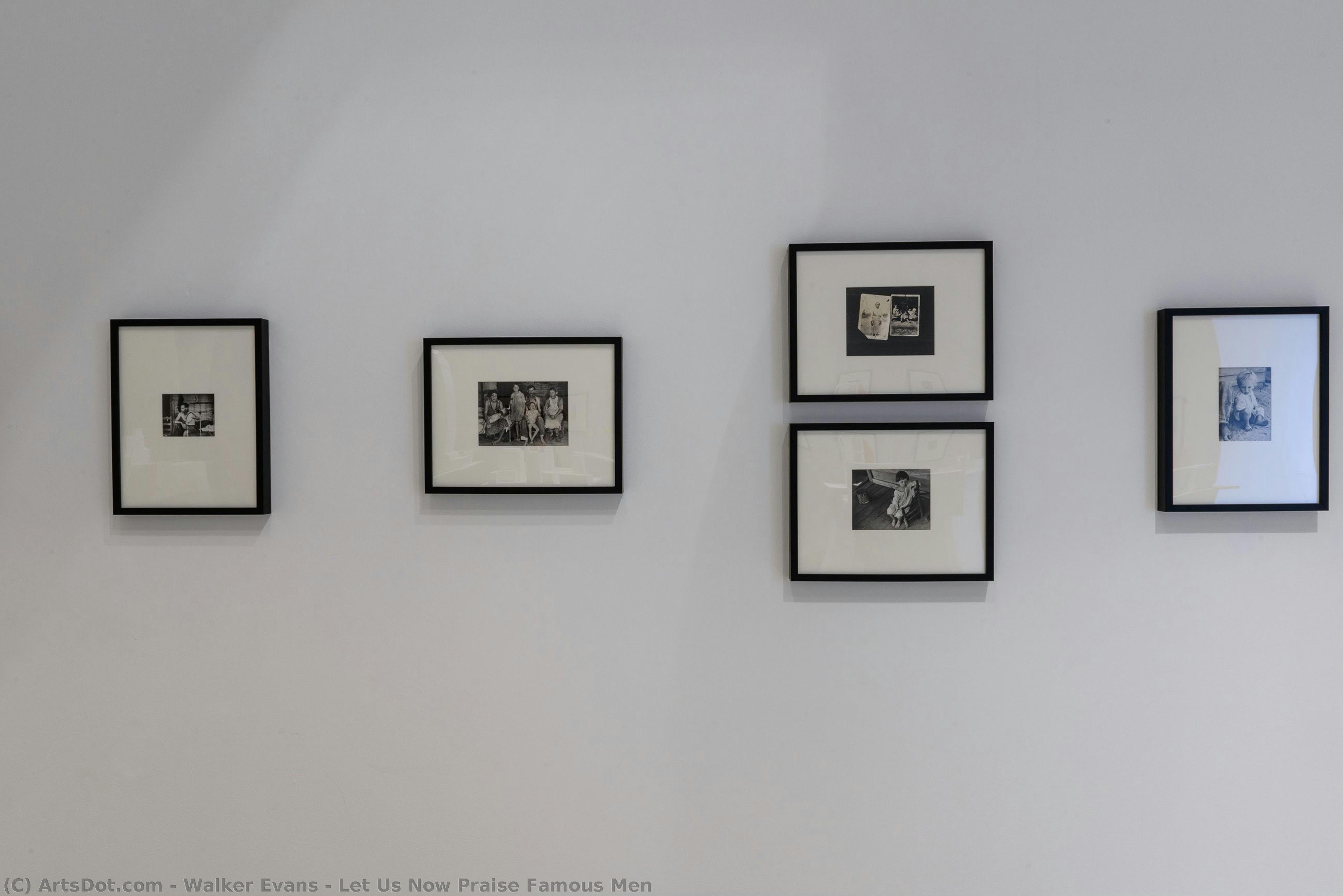
Let Us Now Praise Famous Men


 Читать далее
Приобретите цифровое изображение высокого разрешения в улучшенном качестве, которое значительно превосходит онлайн-превью.
Каждый файл тщательно подготавливается нашими специалистами с использованием передовых инструментов и экспертной ручной ретуши. Мы гарантируем исключительную четкость, точную цветопередачу и детальную проработку каждого изображения.
Финальный файл доставляется по электронной почте в течение 72 часов и оптимизирован для немедленного использования в профессиональной среде, при верстке и печати. Это тот же уровень качества, которому доверяют ведущие дизайнерские студии, издательства и галереи.
Цифровое изображение
Скачайте файл высокого разрешения для личного использования, печати и творческих проектов. ( Перейти к печати Купить картину ручной работы)
Включено в каждый заказ цифровых изображений
Гарантия экспертной цифровой доставки
Выбирая ArtsDot.com, вы получаете не просто изображение — вы приобретаете профессионально обработанное цифровое произведение искусства, созданное с безупречной точностью и под защитой гарантии качества. Вот всё, что автоматически входит в ваш заказ:

Мгновенная доставка по e-mail
Ваш цифровой файл в высоком разрешении будет отправлен вам по электронной почте в течение 72 часов после оформления заказа — и сразу станет доступен для использования.

Цифровой файл с ИИ-улучшением
Ваше произведение искусства проходит профессиональную оптимизацию с использованием передовых инструментов ИИ и ручной обработки, что гарантирует максимальную детализацию, четкость и точность цветопередачи.

Бессрочная бесплатная повторная доставка
Случайно удалили или потеряли файл? Не беспокойтесь — мы отправим его вам повторно в любое время и совершенно бесплатно.

Без импортных пошлин — навсегда
Наслаждайтесь вашим произведением искусства мгновенно без таможенных пошлин, сборов или затрат на доставку — цифровые загрузки всегда не облагаются налогом.

Гарантия точности цветопередачи
Мы гарантируем, что ваше цифровое изображение максимально точно передает оригинальные цвета благодаря использованию профессиональных инструментов и систем управления цветом.

Гарантия удовлетворенности 100 дней
Если вы не будете удовлетворены своим цифровым изображением, мы внесем правки или вернем 100% стоимости в течение 100 дней — без лишних вопросов.

100% Гарантия возврата средств
Не удовлетворены покупкой? Получите полный возврат средств в течение 100 дней после получения цифрового файла — без лишних вопросов.

Скидки на оптовые заказы
Купите 3 изображения, сэкономьте 10% — Купите 5, сэкономьте 15% — Купите 10+, сэкономьте 20%. Отличное решение для творческих проектов, галерей и агентств.
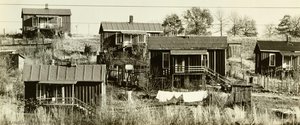
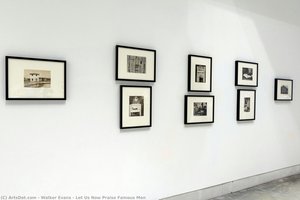
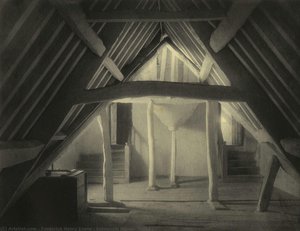
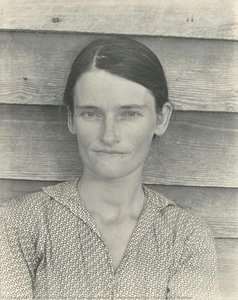
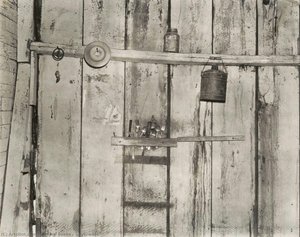
Let Us Now Praise Famous Men: A Portrait of Resilience Amidst Desolation
Walker Evans’s “Let Us Now Praise Famous Men,” published in 1941, stands as an unparalleled achievement in documentary photography and a cornerstone of American literature. More than just capturing the bleak realities of the Great Depression—specifically the plight of tenant farmers in Hale County, Alabama—Evans’s magnum opus delves into the profound dignity inherent within human experience even amidst crushing hardship.
- Historical Context: The book emerged from a collaborative effort between novelist James Agee and photographer Walker Evans, spurred by an assignment for *Fortune* magazine in 1936. This coincided with Franklin D. Roosevelt’s New Deal initiatives aimed at alleviating poverty during the economic collapse of the era.
- Stylistic Innovation: Evans eschewed conventional journalistic techniques, prioritizing a subtle yet powerful aesthetic rooted in modernist principles. His approach favored direct observation combined with meticulous framing and tonal manipulation—a deliberate rejection of sentimentalism that sought to convey truth without embellishment.
- Technique: Evans utilized the large format view camera, meticulously adjusting it for optimal exposure and capturing images with remarkable detail and nuance. He employed a technique known as “platinum printing,” which produced stunningly rich blacks and whites—a process favored by artists like Ansel Adams—that emphasized texture and tonal gradation.
- Symbolism: The photographs themselves serve as potent symbols of resilience, perseverance, and the enduring spirit of humanity. Evans’s portraits depict individuals facing adversity with quiet dignity, conveying a message of hope amidst despair.
- Emotional Impact: “Let Us Now Praise Famous Men” transcends mere documentation; it evokes profound empathy for those marginalized by circumstance. The book compels readers to confront uncomfortable truths about social inequality and celebrates the beauty found within ordinary lives—a testament to Evans’s artistic vision and Agee's masterful storytelling.
The FSA Collaboration: Shaping a Vision of American Reality
Evans’s partnership with Dorothea Lange and others at the Farm Security Administration (FSA) profoundly influenced his creative process. The FSA’s mandate to document rural poverty fueled Evans’s determination to portray the realities of Depression-era America without resorting to melodrama. This collaborative spirit fostered a shared commitment to capturing authentic human emotion—a crucial element in conveying the book's core message.
Evans' Photographic Approach: Precision and Sensitivity
Evans’s meticulous attention to detail—evident in his careful framing, tonal adjustments, and compositional choices—reflects his unwavering belief that photography could illuminate truth without sentimentality. He prioritized capturing the essence of human experience through understated imagery—a stylistic hallmark that distinguishes “Let Us Now Praise Famous Men” from more conventional documentary works.
Legacy and Influence: Inspiring Generations of Artists
"Let Us Now Praise Famous Men" continues to inspire artists today, demonstrating the transformative power of combining visual storytelling with literary prose. Its enduring relevance stems from Evans’s ability to convey profound empathy for marginalized communities—a timeless achievement that secures its place as a landmark in both photographic history and American literature.
Похожие произведения
Биография художника
Walker Evans: A Witness to America’s Soul
Walker Evans, born in St. Louis in 1903, wasn't merely a photographer; he was an architect of perception, meticulously crafting images that resonated with the quiet dignity and stark realities of American life. His name is inextricably linked with the visual record of the Great Depression, but to reduce his artistic journey to this single period would be a profound injustice – it obscures the breadth of his vision and the enduring influence he exerted on photography itself. Evans’s early years were marked by constant relocation—from Toledo to Chicago, then to New York City—a restless movement that instilled in him an acute awareness of America's diverse landscapes and its people. Despite a somewhat sporadic academic record, including brief stints at Phillips Academy Andover and Williams College, his true education unfolded through self-directed study, immersing himself in the works of literary giants like T.S. Eliot, D.H. Lawrence, James Joyce, and e.e. cummings – writers who valued precision of language and a keen observation of the human condition. This intellectual foundation profoundly shaped his photographic approach.The Seeds of a New Vision: Influences and Early Work
Evans’s artistic sensibilities were nurtured by a confluence of influences. He deeply admired Eugène Atget, whose intimate photographs of Parisian streets captured a timeless quality, and August Sander, whose portraits aimed for an objective cataloging of German society. Equally significant were the writings of American modernists—writers who championed clarity, directness, and a rejection of sentimentality. These literary and photographic models coalesced in Evans’s developing aesthetic: a commitment to visual precision, a deliberate avoidance of melodrama, and a profound respect for the dignity of ordinary subjects. His early work, produced during the late 1920s and early 1930s, often reflected this influence, featuring semi-abstract patterns derived from skyscrapers and other machine-age products—a fascination with the geometry of modern life. However, it was his time in Paris in 1926 that proved pivotal, exposing him to European artistic trends and solidifying his desire to move beyond purely decorative photography. Returning to New York City, he found work as a bookstore clerk and library assistant, providing him with ample opportunity to cultivate his passion for literature and to hone his observational skills.Documenting America’s Hardships: The Farm Security Administration
The turning point in Evans's career arrived in 1935 when he accepted a position with the Farm Security Administration (FSA), a New Deal agency tasked with documenting the plight of rural communities during the Great Depression. Initially assigned to photograph a resettlement community in West Virginia, Evans quickly realized that his role extended far beyond simply recording statistics—he was driven by a deep empathy for the people he photographed and a desire to capture their stories with honesty and nuance. He rejected the FSA’s prescribed itineraries and ideological agenda, instead focusing on capturing the essence of American life from the simple and the ordinary. His photographs of roadside stands, small-town churches, and weathered faces became iconic representations of hardship, resilience, and the dignity of rural America. The collaboration with writer James Agee on *Let Us Now Praise Famous Men* (1941) is a testament to this commitment—a lyrical exploration of three tenant farming families in Alabama that combined stark photographs with evocative prose. This project, initially rejected by *Fortune* magazine for its unconventional length and style, remains a landmark achievement in documentary literature and photography.Beyond the FSA: Portraits and Shifting Perspectives
Following his work with the FSA, Evans’s artistic trajectory continued to evolve. The 1938 exhibition “Walker Evans: American Photographs” at the Museum of Modern Art marked a watershed moment, solidifying his reputation as a major figure in photography and establishing a new standard for realism and objectivity. However, he resisted being confined to the role of simply a documentary photographer. He increasingly turned his attention towards portraits and street photography, capturing candid moments of urban life in New York City with an understated elegance. These later works reveal a subtle shift in focus—less concerned with social commentary and more interested in exploring the aesthetic qualities of everyday scenes. In the 1960s, Evans embraced color photography, producing vibrant images of interiors, architecture, and commonplace objects – a bold move that challenged conventional notions of photographic representation. This experimentation demonstrated a willingness to push boundaries and explore new avenues for artistic expression.A Lasting Legacy: Influence and Enduring Power
Walker Evans’s legacy extends far beyond the iconic images he created during the Great Depression. He is widely considered one of the most important figures in the history of documentary photography, having established a new standard for realism and objectivity in photographic representation. His work profoundly influenced generations of photographers, inspiring them to look at the world with fresh eyes and to find beauty and meaning in the ordinary. His impact on social realism is undeniable, as his FSA photographs became powerful symbols of hardship and resilience during a pivotal moment in American history. But perhaps his greatest contribution lies in demonstrating how photography could serve not only as a tool for social commentary but also as a medium for aesthetic exploration. He proved that even the most seemingly mundane subjects could be transformed into works of art through careful observation, precise composition, and a commitment to visual truth. Evans’s work continues to resonate today, reminding us of the power of photography to document our world, challenge our perceptions, and connect us to the shared human experience. His photographs are not merely images; they are windows into another time, offering a profound glimpse into the soul of America.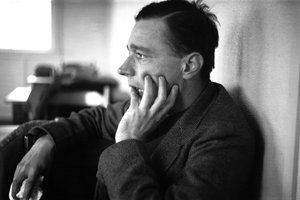
Волкер Эванс
1903 - 1975 , Соединенные Штаты Америки
Основные сведения
- Artistic Movement Or Style: Документальная фотография
- Artists Or Movements Influenced By This Artist:
- Шерри Левин
- Социальный реализм
- Artists Who Influenced This Artist:
- Эжен Атего
- Август Сандер
- Date Of Birth: 1903
- Date Of Death: 1975
- Full Name: Walker Evans
- Nationality: Американский
- Notable Artworks:
- Let Us Now Praise Famous Men
- Silverware
- Barn with Porch Addition
- Place Of Birth: Сент-Луис, США