

 Предпросмотр
 Поделиться
 Поделиться
 Детали произведения

 Скачать
 Похожие работы
 Рентгенография
 Слайд-шоу
 Статистика
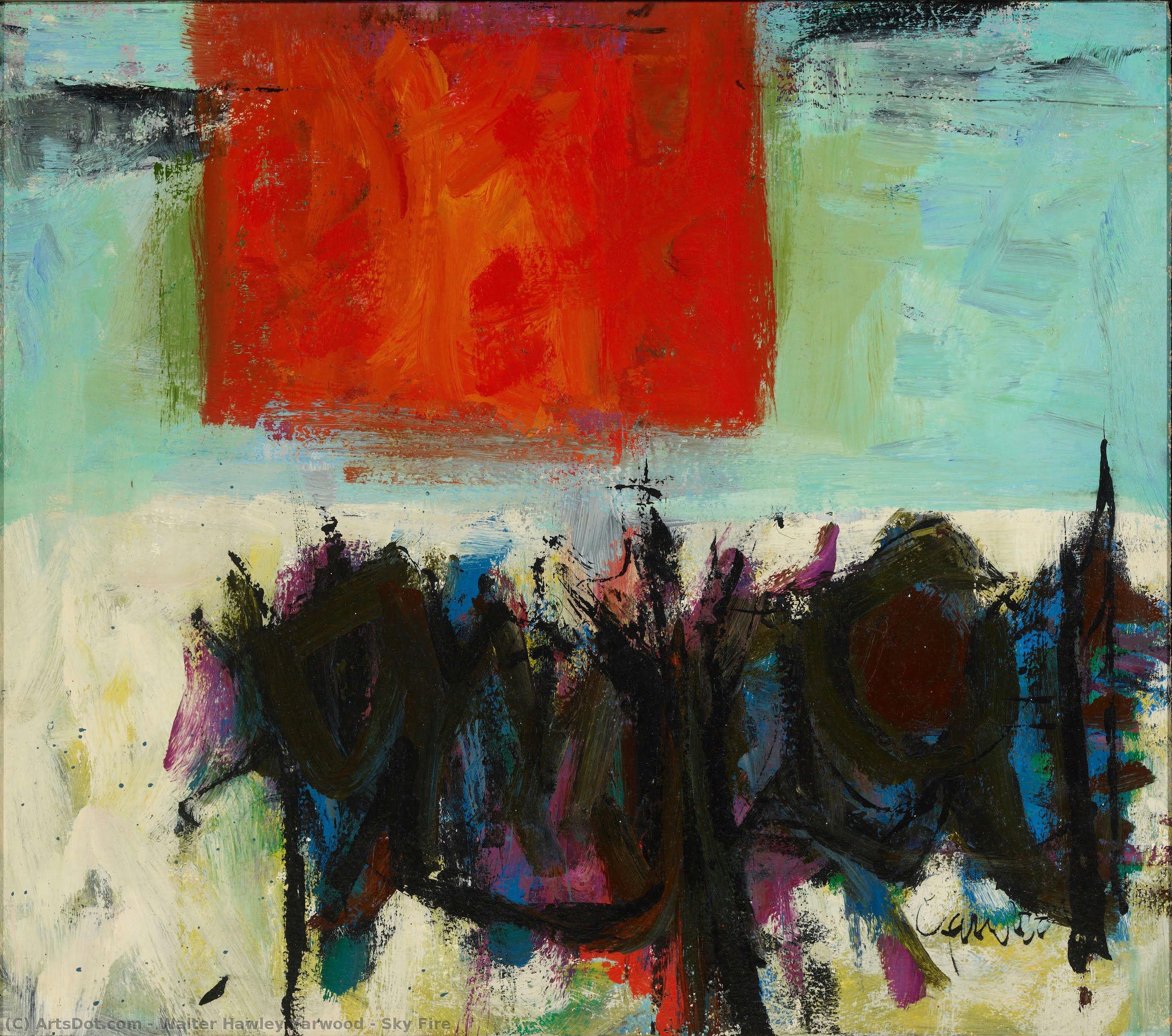
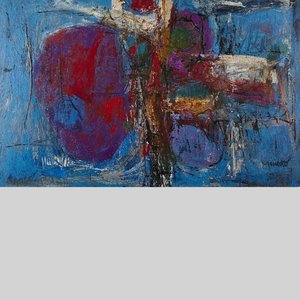
Sky Fire
 Painting
- Abstract Expressionism
 1957
1957- Modern
 50.0 x 57.0 cm
 The Robert McLaughlin Gallery
 Читать далее
Жикле / Арт-принт
Печать (жикле) или холст музейного качества с быстрыми сроками изготовления и широким выбором вариантов отделки. ( Купить картину ручной работы Перейти к цифровым изображениям)




































Выберите один из наших стандартных размеров, соответствующих оригинальным пропорциям произведения искусства.

Вы можете указать свои собственные размеры, чтобы репродукция идеально подошла под конкретную раму или пространство. Если выбранный вами размер не будет соответствовать пропорциям оригинала, мы либо обрежем произведение, либо дополним изображение зеркальным отражением краев или однотонной заливкой. Перед началом производства вам будет отправлен цифровой макет для утверждения.
Пожалуйста, обратите внимание, что предварительный просмотр на экране не отображает фактическую обрезку или расширение изображения. Только макет точно покажет финальную композицию.
Несмотря на возможность заказа индивидуальных размеров, мы рекомендуем выбирать размер из предопределенного списка, чтобы сохранить оригинальные пропорции.
Доставка по всему миру () за 2 недели вместо стандартных 4/5 недель. (11 Сентябрь)

Бесплатная экспресс-доставка по всему миру

Высококачественный льняной холст

Полное страхование доставки

Гарантия возмещения таможенных пошлин

Гарантия точного соответствия цветов

100-дневная политика возврата (только при обнаружении дефектов)

Гарантия возврата 100% средств

Предложение оптовых скидок
 Вариант со стеклом доступен только для размеров менее 110 см

Sky Fire
Жикле / Арт-принт
Размер репродукции
-


Итоговая стоимость
$ 62
A Symphony of Geometric Radiance
In the realm of mid-century abstraction, few works capture the visceral tension between structure and emotion as poignantly as Sky Fire. Created in 1957 by the Canadian master Walter Hawley Yarwood, this piece serves as a profound meditation on color and form. At first glance, the viewer is met with a striking composition: a bold, crimson square that commands the center of the canvas, framed by a luminous yellow outline that seems to pulse against a deep, nocturnal blue background. This interplay of primary and secondary hues creates an optical vibration, where the warmth of the red threatens to spill over its boundaries, held in check only by the disciplined geometry of the composition. The presence of smaller, auxiliary squares on the periphery adds a rhythmic complexity, guiding the eye through a carefully choreographed dance of shapes that suggests a cosmic or celestial event unfolding in silence.
The technique employed in Sky Fire reflects Yarwood’s unique position as a pioneer of Canadian Abstract Expressionism. While his contemporaries often leaned into the chaotic, gestural drips of the era, Yarwood mastered an architectonic approach to abstraction. His brushwork, though appearing smooth and deliberate, possesses an underlying energy that breathes life into the flat planes of color. The way the yellow border interacts with the red core creates a sense of depth, transforming a two-dimensional arrangement into a layered, atmospheric experience. For the discerning collector or interior designer, this painting offers more than mere decoration; it provides a focal point of intense intellectual and visual stimulation, capable of anchoring a room with its sophisticated balance of weight and light.
Historical Resonance and Emotional Depth
To understand Sky Fire, one must look toward the historical crucible from which it emerged. As a founding member of the legendary Painters Eleven, Yarwood was instrumental in shifting the Canadian artistic consciousness away from traditional landscapes and toward the radical possibilities of non-representational art. This work, dating from 1957, sits at the height of this movement, embodying the era's fascination with universal truths and the psychological power of pure form. The painting does not seek to replicate a physical sunset or a literal fire; rather, it seeks to evoke the feeling of heat, light, and cosmic expansion through the language of geometry.
The emotional impact of the piece is both grounding and transcendent. There is a profound sense of stability found in its square motifs, yet the "fire" suggested by the title and the searing red palette introduces an element of unpredictability and passion. It is a work of contradictions—contained yet explosive, silent yet loud. For those looking to integrate fine art into a modern living space, Sky Fire offers a timeless elegance. Its bold aesthetic complements minimalist interiors while providing enough narrative depth to spark conversation, making it an exquisite choice for anyone seeking to surround themselves with the enduring legacy of Canadian modernism.
Похожие произведения

Биография художника
The Architect of Color: The Life and Legacy of Walter Hawley Yarwood
In the vibrant tapestry of mid-twentieth-century Canadian art, few threads are as structurally profound or coloristically rich as those woven by Walter Hawley Yarwood. Born in Toronto in 1917, Yarwood’s journey was one of disciplined duality. While many perceive the artist through the lens of pure abstraction, his foundation was built upon the pragmatic rigors of a commercial illustrator. This early career, pursued alongside his weekend explorations into painting, instilled in him a unique precision—a way of seeing that balanced the spontaneous energy of modernism with a deep, underlying sense of order. His formative years at Western Technical School provided the technical scaffolding upon which he would later build much more complex, emotive worlds.
As the mid-century approached, the art world was undergoing a seismic shift, moving away from the representational landscapes that had long defined the Canadian identity toward the visceral, uninhibited language of Abstract Expressionism. Yarwood did not merely witness this change; he became one of its primary architects in Canada. By joining the Ontario Society of Artists and the Canadian Group of Painters, he positioned himself at the heart of a burgeoning movement. However, it was his role as a founding member of the legendary Painters Eleven in 1948 that would forever cement his place in history. This collective was more than just a group of contemporaries; it was a revolutionary force dedicated to establishing a distinctly Canadian voice within the global avant-garde.
A Symphony of Form and Motion
Yarwood’s artistic evolution is a fascinating study in controlled metamorphosis. In the late 1940s, his canvases were often rooted in the familiar, capturing the quiet essence of landscapes. Yet, as he delved deeper into the experimental spirit of the 1950s—a period enriched by his studies in Mexico—his work underwent a radical transformation. He began to move away from the loose, spontaneous splashes characteristic of some of his peers, opting instead for what critics often described as an architectonic approach to abstraction. His paintings became landscapes of the mind, where heavy, blocky shapes and geometric energies suggested movement and structural permanence rather than mere fleeting impressions.
This mastery of form was matched only by his prowess as a colorist. To look at a work like Sky Fire or As in Winter is to witness a masterclass in chromatic tension. He utilized intense, vibrant palettes to breathe life into his shapes, creating a sense of internal heat and rhythmic pulse. His canvases were not static; they possessed a kinetic quality, where the interplay of light and saturated hues suggested the dynamism of modern urban architecture or the raw power of natural forces. This ability to marry the heavy weight of form with the ethereal lightness of color allowed him to achieve a rare equilibrium in his mature works.
Sculptural Presence and Lasting Impact
The reach of Yarwood’s vision extended far beyond the two-dimensional plane. During the 1960s, he translated his fascination with structural energy into the physical realm through public sculpture. His works in Ontario, Quebec, and Manitoba brought his abstract language to the streets and plazas, allowing the public to interact with his concepts of weight, balance, and motion in three dimensions. This expansion into sculpture demonstrated his profound understanding of how space is occupied and how form can command an environment.
Though he was often a more reserved figure than the more boisterous members of Painters Eleven, Yarwood’s influence was undeniable. He earned the deep respect of critics and peers alike for his technical skill and his refusal to succumb to easy, purely decorative abstraction. His legacy remains a cornerstone of Canadian modernism, characterized by:
- The Integration of Form and Color: A unique ability to use geometric structure to anchor intense emotional palettes.
- Architectural Abstraction: Moving the needle of Canadian art toward a more structured, powerful, and monumental aesthetic.
- Foundational Leadership: His pivotal role in the Painters Eleven, which helped launch Canada into the international conversation of abstract expressionism.
walter hawley yarwood
1917 - 1996 , Canada
Основные сведения
- Artistic Movement Or Style: Abstract Expressionism
- Artists Or Movements Influenced By This Artist: ['Painters Eleven']
- Artists Who Influenced This Artist:
- Tom Hodgson
- Oscar Cahén
- Date Of Birth: September 19, 1917
- Date Of Death: December 22, 1996
- Full Name: Walter Hawley Yarwood
- Nationality: Canadian
- Notable Artworks:
- Dark Bird
- As in Winter
- Sky Fire
- Place Of Birth: Toronto, Canada
Похожие статьи
Казимир Малевич: 25 шедевров супрематизма для ценителей искусства и декора интерьера
Погрузитесь в мир супрематизма с Казимиром Малевичем! 25 культовых картин, история создания и значение. Репродукции высокого качества для вашего интерьера на ArtsDot.com. Откройте всю коллекцию онлайн!

Геометрическая абстракция: 10 шедевров, изменивших искусство | ArtsDot.com
Погрузитесь в мир геометрической абстракции! От Кандинского до Малевича – 10 шедевров, изменивших искусство. Узнайте историю создания и значение культовых картин. Репродукции музейного качества на ArtsDot.com. Вдохновение для вашего интерьера!
Топ-25 шедевров Василия Кандинского: Абстрактное искусство для вашего интерьера
Погрузитесь в мир абстрактного искусства с Василием Кандинским! 25 шедевров экспрессионизма, баухауса и русского авангарда. Репродукции картин Кандинского для вдохновения и декора вашего интерьера. Откройте всю коллекцию на ArtsDot.com
Топ-10 знаменитых картин в оттенках серо-голубого: искусство и декор от ArtsDot
Погрузитесь в мир серо-голубых оттенков! От Моне до Ренуара – 10 знаменитых картин, вдохновляющих на создание уникального интерьера. Репродукции высокого качества от ArtsDot.com. Explore the full collection online!
Топ-10 шедевров абстрактного экспрессионизма: искусство для вашего интерьера от ArtsDot.com
Погрузитесь в мир абстрактного экспрессионизма! Откройте для себя 10 шедевров Поллока, Ротко и других гениев. История искусства, техники живописи и вдохновение для вашего интерьера от ArtsDot.com. Explore the full collection online!