

 Предпросмотр
 Поделиться
 Поделиться
 Детали произведения

 Скачать
 Похожие работы
 Рентгенография
 Слайд-шоу
 Статистика
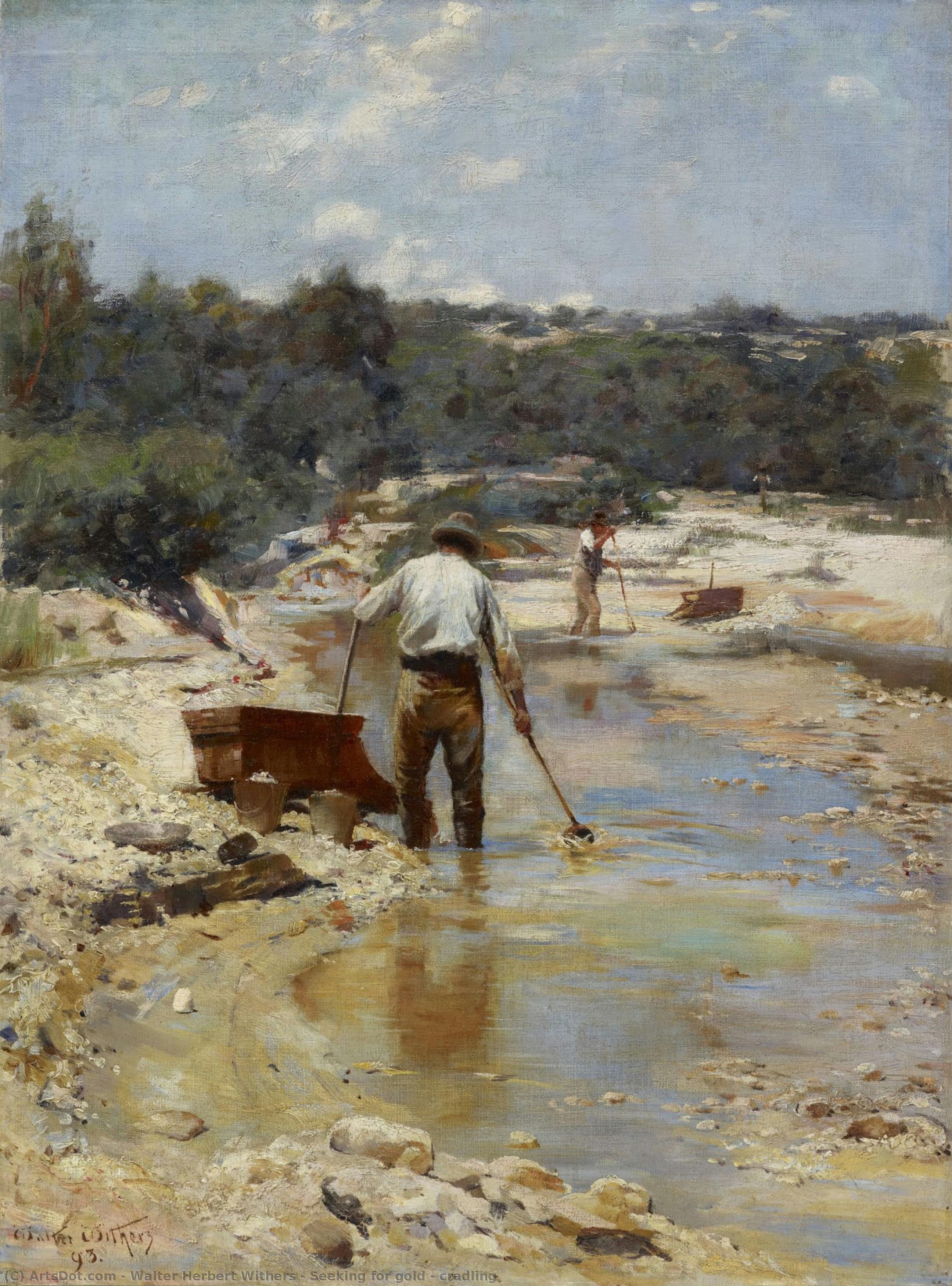
Seeking for gold - cradling
 Oil On Board
- WallArt
- Heidelberg School Impressionism
 1893
1893- 19th Century
 67.0 x 49.0 cm
 Галерея Нового Южного Уэльса
 Читать далее
Приобретите цифровое изображение высокого разрешения в улучшенном качестве, которое значительно превосходит онлайн-превью.
Каждый файл тщательно подготавливается нашими специалистами с использованием передовых инструментов и экспертной ручной ретуши. Мы гарантируем исключительную четкость, точную цветопередачу и детальную проработку каждого изображения.
Финальный файл доставляется по электронной почте в течение 72 часов и оптимизирован для немедленного использования в профессиональной среде, при верстке и печати. Это тот же уровень качества, которому доверяют ведущие дизайнерские студии, издательства и галереи.
Цифровое изображение
Скачайте файл высокого разрешения для личного использования, печати и творческих проектов. ( Перейти к печати Купить картину ручной работы)
Включено в каждый заказ цифровых изображений
Гарантия экспертной цифровой доставки
Выбирая ArtsDot.com, вы получаете не просто изображение — вы приобретаете профессионально обработанное цифровое произведение искусства, созданное с безупречной точностью и под защитой гарантии качества. Вот всё, что автоматически входит в ваш заказ:

Мгновенная доставка по e-mail
Ваш цифровой файл в высоком разрешении будет отправлен вам по электронной почте в течение 72 часов после оформления заказа — и сразу станет доступен для использования.

Цифровой файл с ИИ-улучшением
Ваше произведение искусства проходит профессиональную оптимизацию с использованием передовых инструментов ИИ и ручной обработки, что гарантирует максимальную детализацию, четкость и точность цветопередачи.

Бессрочная бесплатная повторная доставка
Случайно удалили или потеряли файл? Не беспокойтесь — мы отправим его вам повторно в любое время и совершенно бесплатно.

Без импортных пошлин — навсегда
Наслаждайтесь вашим произведением искусства мгновенно без таможенных пошлин, сборов или затрат на доставку — цифровые загрузки всегда не облагаются налогом.

Гарантия точности цветопередачи
Мы гарантируем, что ваше цифровое изображение максимально точно передает оригинальные цвета благодаря использованию профессиональных инструментов и систем управления цветом.

Гарантия удовлетворенности 100 дней
Если вы не будете удовлетворены своим цифровым изображением, мы внесем правки или вернем 100% стоимости в течение 100 дней — без лишних вопросов.

100% Гарантия возврата средств
Не удовлетворены покупкой? Получите полный возврат средств в течение 100 дней после получения цифрового файла — без лишних вопросов.

Скидки на оптовые заказы
Купите 3 изображения, сэкономьте 10% — Купите 5, сэкономьте 15% — Купите 10+, сэкономьте 20%. Отличное решение для творческих проектов, галерей и агентств.
A Golden Vision in the Australian Bush
In the shimmering heat of the Victorian goldfields, where the air vibrates with both hope and hardship, Walter Herbert Withers captured a moment of profound human endeavor. “Seeking for Gold – Cradling,” painted in 1893, is far more than a mere historical record; it is a poetic immersion into the soul of the Australian frontier. The scene unfolds within a shallow creek bed, where two men are locked in a rhythmic, diligent dance with the earth. As they operate the gold cradle—a primitive yet essential wooden apparatus designed to sift precious grains from the silt—the viewer is drawn into their quiet world of determination. There is a palpable sense of focus in their movements, a shared silence that speaks to the solitary nature of the pioneer's struggle against the elements.
Withers, a master of the Heidelberg School, utilizes the hallmarks of Impressionism to breathe life into this rugged landscape. Rather than clinging to rigid, photographic precision, he employs loose, spirited brushstrokes that allow the light to dance across the canvas. The technique prioritizes the ephemeral quality of the atmosphere, capturing how the brilliant Australian sun pierces through the canopy to illuminate the creek. This mastery of plein air sensibilities ensures that the painting feels alive, as if the warmth of the afternoon could be felt by anyone standing before it. The interplay of light and shadow does not merely define form; it creates a sense of movement, suggesting the flowing water and the shifting dust of the mining site.
The Symphony of Light and Earth
The color palette of this masterpiece is a deliberate study in warmth and resilience. Dominated by sun-drenched ochres, deep earthy browns, and radiant golds, the work evokes an overwhelming sense of optimism. These warm hues are not merely descriptive of the soil and the sunlight; they serve as a symbolic heartbeat for the painting, representing the very prosperity the miners seek. Amidst these heavy, grounded tones, the subtle presence of nature—such as the birds gliding through the sky above—adds a layer of tranquil continuity to the scene, reminding us that while man seeks to extract wealth from the land, the landscape remains an enduring, majestic force.
For the discerning collector or interior designer, this artwork offers a sophisticated anchor for any space. Its historical gravity and emotional depth make it a perfect centerpiece for rooms that value character and storytelling. Whether placed in a sunlit study to evoke a sense of adventure or in a contemporary living area to provide a warm, organic contrast to modern minimalism, the painting brings with it an aura of timelessness. To possess a reproduction of this work is to hold a fragment of Australian history—a tribute to the enduring human spirit and the beautiful, untamed light of the Antipodes.
Похожие произведения
Биография художника
The Visionary of the Australian Light: The Life of Walter Herbert Withers
Born amidst the industrial landscapes of Aston Manor, Warwickshire, in 1854, Walter Herbert Withers would eventually become a primary architect of the Australian visual identity. His journey from the United Kingdom to the heart of the Antipodes was more than a mere geographical relocation; it was an artistic pilgrimage that allowed him to translate the rugged, sun-drenched essence of the Australian bush into the sophisticated language of Impressionism. Though his father initially harbored reservations about a life dedicated to the brush, the burgeoning passion within Withers could not be suppressed. This early struggle between familial expectation and creative calling forged a resilient spirit that would later define his approach to the challenging, ever-shifting light of the Australian landscape.
The foundation of Withers’ technical mastery was laid through rigorous academic training and a deep immersion in the European tradition. His time at the Académie Julian in Paris served as a pivotal chapter, where he absorbed the revolutionary techniques of plein air painting. This method—the practice of stepping out from the studio to capture nature directly under the open sky—became the heartbeat of his work. By studying the interplay of light and shadow through a French lens, Withers developed a meticulous eye for detail that remained grounded in the atmospheric spontaneity of the Impressionist movement. His early years as a drawing and painting master further refined his ability to observe the subtle nuances of form and texture, skills he would later share with a new generation of Australian talent.
A Pillar of the Heidelberg School
Upon arriving in Melbourne in 1883, Withers found himself at the epicenter of a burgeoning national art movement. He became an integral member of the Heidelberg School, joining forces with legendary figures such as Arthur Streeton and Fred McCubbin. Together, these artists sought to move away from colonial, European-centric depictions of Australia, striving instead to capture the authentic, raw beauty of the local environment. Withers’ contribution to this movement was characterized by a unique ability to blend the structural precision of his academic training with the emotive, vibrant color palettes favored by his contemporaries.
His work often moved beyond mere landscape to explore the human connection to the land. One of his most evocative themes involved the depiction of Australian life and the grit of the gold rush era. In masterpieces such as 'Seeking for Gold - Cradling', Withers utilized a masterful command of light to narrate stories of resilience and hope. Through these scenes, he captured the rhythmic labor of gold panning and the quiet dignity of those navigating the frontier, transforming historical moments into timeless, atmospheric studies of human endurance.
Legacy and Artistic Significance
The significance of Walter Herbert Withers lies in his role as a bridge between tradition and modernity. While his techniques were rooted in the classical academies of Europe, his soul was firmly planted in the Australian soil. His ability to render the eucalyptus-scented air, the harsh midday sun, and the tranquil winter shadows helped establish a visual vocabulary that allowed Australians to see their own country through an elevated, artistic lens.
Throughout his career, Withers remained a dedicated observer of nature’s fleeting moments. His legacy is preserved not only in the galleries that house his landscapes but in the very way we perceive the Australian light today. He remains a cornerstone of Australian art history, remembered as a painter who could capture both the monumental scale of the bush and the intimate, quiet whispers of the natural world.
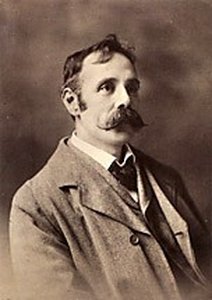
walter herbert withers
1854 - 1914