

 Предпросмотр
 Поделиться
 Поделиться
 Детали произведения

 Скачать
 Похожие работы
 Рентгенография
 Слайд-шоу
 Статистика
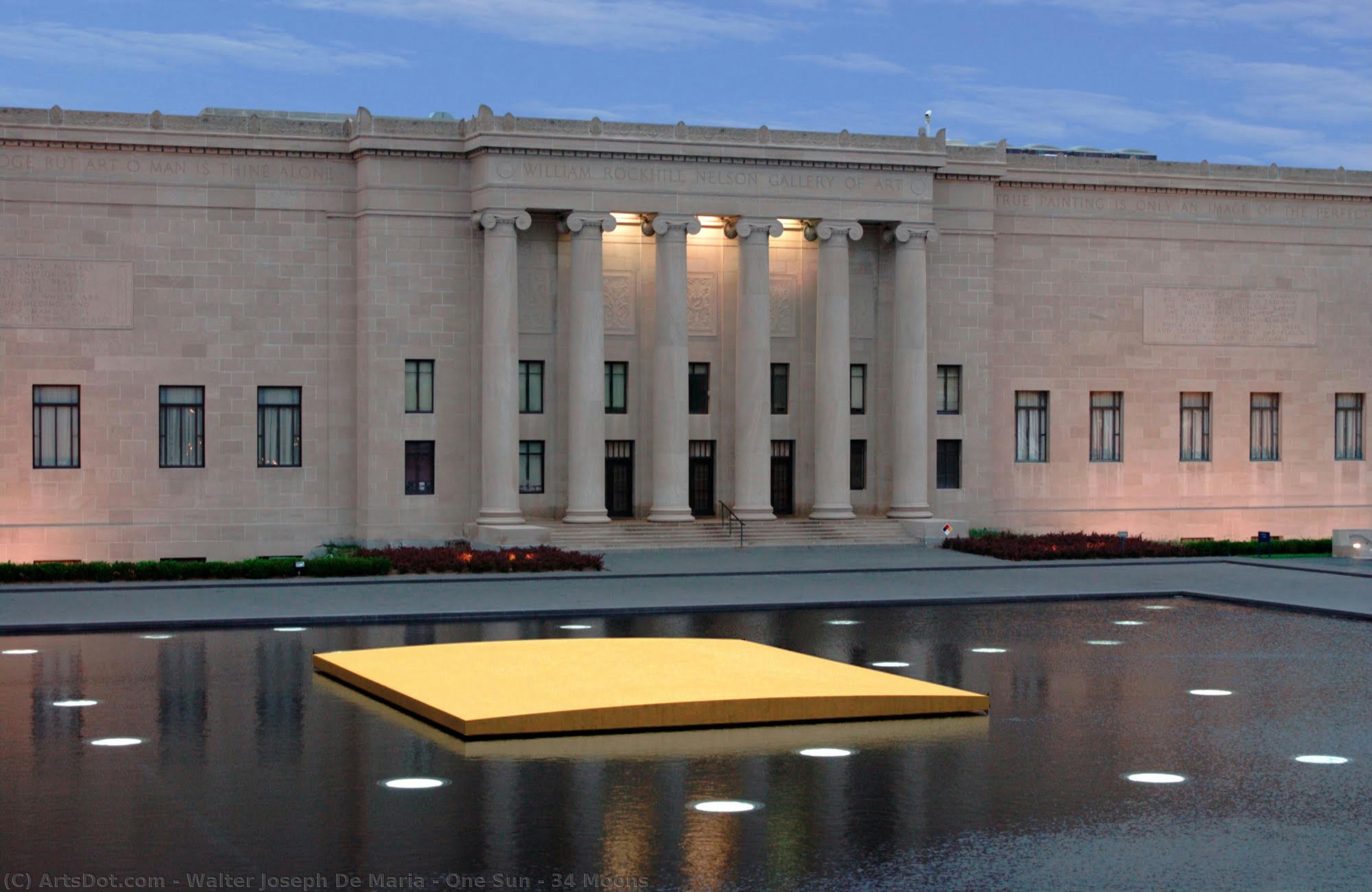
One Sun / 34 Moons


 Читать далее
Приобретите цифровое изображение высокого разрешения в улучшенном качестве, которое значительно превосходит онлайн-превью.
Каждый файл тщательно подготавливается нашими специалистами с использованием передовых инструментов и экспертной ручной ретуши. Мы гарантируем исключительную четкость, точную цветопередачу и детальную проработку каждого изображения.
Финальный файл доставляется по электронной почте в течение 72 часов и оптимизирован для немедленного использования в профессиональной среде, при верстке и печати. Это тот же уровень качества, которому доверяют ведущие дизайнерские студии, издательства и галереи.
Цифровое изображение
Скачайте файл высокого разрешения для личного использования, печати и творческих проектов. ( Перейти к печати Купить картину ручной работы)
Включено в каждый заказ цифровых изображений
Гарантия экспертной цифровой доставки
Выбирая ArtsDot.com, вы получаете не просто изображение — вы приобретаете профессионально обработанное цифровое произведение искусства, созданное с безупречной точностью и под защитой гарантии качества. Вот всё, что автоматически входит в ваш заказ:

Мгновенная доставка по e-mail
Ваш цифровой файл в высоком разрешении будет отправлен вам по электронной почте в течение 72 часов после оформления заказа — и сразу станет доступен для использования.

Цифровой файл с ИИ-улучшением
Ваше произведение искусства проходит профессиональную оптимизацию с использованием передовых инструментов ИИ и ручной обработки, что гарантирует максимальную детализацию, четкость и точность цветопередачи.

Бессрочная бесплатная повторная доставка
Случайно удалили или потеряли файл? Не беспокойтесь — мы отправим его вам повторно в любое время и совершенно бесплатно.

Без импортных пошлин — навсегда
Наслаждайтесь вашим произведением искусства мгновенно без таможенных пошлин, сборов или затрат на доставку — цифровые загрузки всегда не облагаются налогом.

Гарантия точности цветопередачи
Мы гарантируем, что ваше цифровое изображение максимально точно передает оригинальные цвета благодаря использованию профессиональных инструментов и систем управления цветом.

Гарантия удовлетворенности 100 дней
Если вы не будете удовлетворены своим цифровым изображением, мы внесем правки или вернем 100% стоимости в течение 100 дней — без лишних вопросов.

100% Гарантия возврата средств
Не удовлетворены покупкой? Получите полный возврат средств в течение 100 дней после получения цифрового файла — без лишних вопросов.

Скидки на оптовые заказы
Купите 3 изображения, сэкономьте 10% — Купите 5, сэкономьте 15% — Купите 10+, сэкономьте 20%. Отличное решение для творческих проектов, галерей и агентств.
Похожие произведения










Биография художника
Walter Joseph De Maria: Architect of Space and Meaning
Walter Joseph De Maria (October 1, 1935 – July 25, 2013) was an American artist, sculptor, illustrator, and composer whose career spanned six decades and profoundly impacted the landscape of contemporary art. Born in Albany, California, he moved to New York City in 1960, a pivotal moment that propelled him into the heart of the burgeoning Minimalist and Land Art movements. De Maria’s work wasn't simply about creating objects; it was an exploration of space, perception, and the relationship between art and its environment – often pushing the boundaries of traditional gallery spaces and inviting viewers to actively participate in the experience. His legacy lies not just in his singular sculptures but also in his conceptual approach to art-making, challenging conventional notions of form, materiality, and the role of the viewer.Early Influences and Artistic Formation
De Maria’s artistic journey began with a deep engagement with music, initially mastering piano and percussion before gravitating towards sports and drawing. This early interest in rhythm and structure would later inform his sculptural work, particularly his explorations of seriality and repetition. His formal training at the University of California, Berkeley (1953-1959), where he studied history and art, exposed him to a diverse range of influences – Dada, suprematism, and constructivism—each contributing to his evolving artistic vocabulary. These early movements instilled in him a fascination with geometric abstraction, industrial materials, and the potential for art to challenge established conventions. Crucially, De Maria’s exposure to La Monte Young's immersive soundscapes and Simone Forti’s experimental performance pieces ignited his interest in viewer-interactive projects, laying the groundwork for his later conceptual sculptures that demanded active participation from the audience.The Rise of Minimalist Sculpture and Conceptual Projects
De Maria’s early sculptural work in the 1960s firmly established him within the Minimalist movement. He embraced simple geometric forms – circles, lines, squares—often utilizing industrially manufactured materials like stainless steel and aluminum, mirroring the aesthetic principles of Minimalism while simultaneously injecting a sense of playful experimentation. His most famous early piece, *Boxes for Meaningless Work* (1961), exemplifies this approach. Inscribed with instructions to repeatedly transfer objects between boxes, it’s a deceptively simple task that highlights the inherent absurdity of action and challenges viewers to question the meaning behind their own movements. This work foreshadowed his later explorations in Land Art, where he sought to create experiences that blurred the boundaries between art and environment. He also engaged with happenings, composing musical works like *Cricket Music* (1964) and *Ocean Music* (1968), demonstrating a multi-faceted artistic practice extending beyond sculpture.Land Art and Monumental Installations
De Maria’s most significant contribution to the art world came with his pioneering work in Land Art, beginning in 1968. He moved beyond the confines of traditional galleries and studios, creating vast installations that engaged directly with the landscape. *The Lightning Field* (1977), a staggering grid of four hundred stainless steel poles installed in the remote desert of New Mexico, is arguably his most iconic work. This monumental piece invites viewers to experience the raw power of nature – specifically, the potential for lightning strikes—while simultaneously questioning the role of art within that environment. The installation’s scale and its deliberate exposure to the elements transformed it into a living artwork, constantly evolving under the influence of weather and time. Other notable Land Art projects included *The Broken Kilometer* (1979), a one-kilometer-long line of brass rods placed in a field in Germany, and *The New York Earth Room* (1977), an immersive installation within a SoHo loft filled with tons of soil – both works emphasizing the relationship between human intervention and natural processes.Later Years and Legacy
In 1980, De Maria purchased a dilapidated Con Edison substation in New York City, transforming it into his studio and residence. This purchase represented a shift towards a more self-contained artistic practice, allowing him to focus on developing his ideas without the constraints of commercial galleries. His later work continued to explore themes of space, repetition, and the relationship between art and environment, culminating in *Truck Trilogy* (2011–17), a series of modified Chevrolet pickup trucks installed in a public space. Walter De Maria died in Los Angeles in 2013 at the age of 77. His work continues to be exhibited worldwide, influencing generations of artists and solidifying his place as a pivotal figure in the history of contemporary art—a visionary who redefined the possibilities of sculpture and challenged our understanding of what constitutes an artwork.Key Characteristics & Influences
- Minimalism: De Maria’s early work embraced the principles of Minimalism, utilizing simple geometric forms and industrial materials.
- Conceptual Art: His later projects moved beyond traditional sculpture to explore concepts related to space, perception, and the viewer's role in the artwork.
- Land Art: He pioneered Land Art by creating large-scale installations that engaged directly with the landscape, often exposing them to natural elements like weather and time.
- Influence of Music & Eastern Philosophy: His musical background and exposure to Zen Buddhism informed his approach to composition, repetition, and the search for a deeper meaning within art.

walter joseph de maria
1935 - 2013 , United States of America
Основные сведения
- Artistic Movement Or Style:
- Minimalism
- Land art
- Conceptual art
- Artists Or Movements Influenced By This Artist:
- Minimalism
- Land art
- Artists Who Influenced This Artist:
- Dada
- Suprematism
- Constructivism
- La Monte Young
- Date Of Birth: October 1, 1935
- Date Of Death: July 25, 2013
- Full Name: Walter Joseph De Maria
- Nationality: American
- Notable Artworks:
- Boxes for Meaningless Work
- Three circles and two lines in the desert
- The Lightning Field
- Place Of Birth: Albany, California