

 Предпросмотр
 Поделиться
 Поделиться
 Детали произведения

 Скачать
 Похожие работы
 Рентгенография
 Слайд-шоу
 Статистика
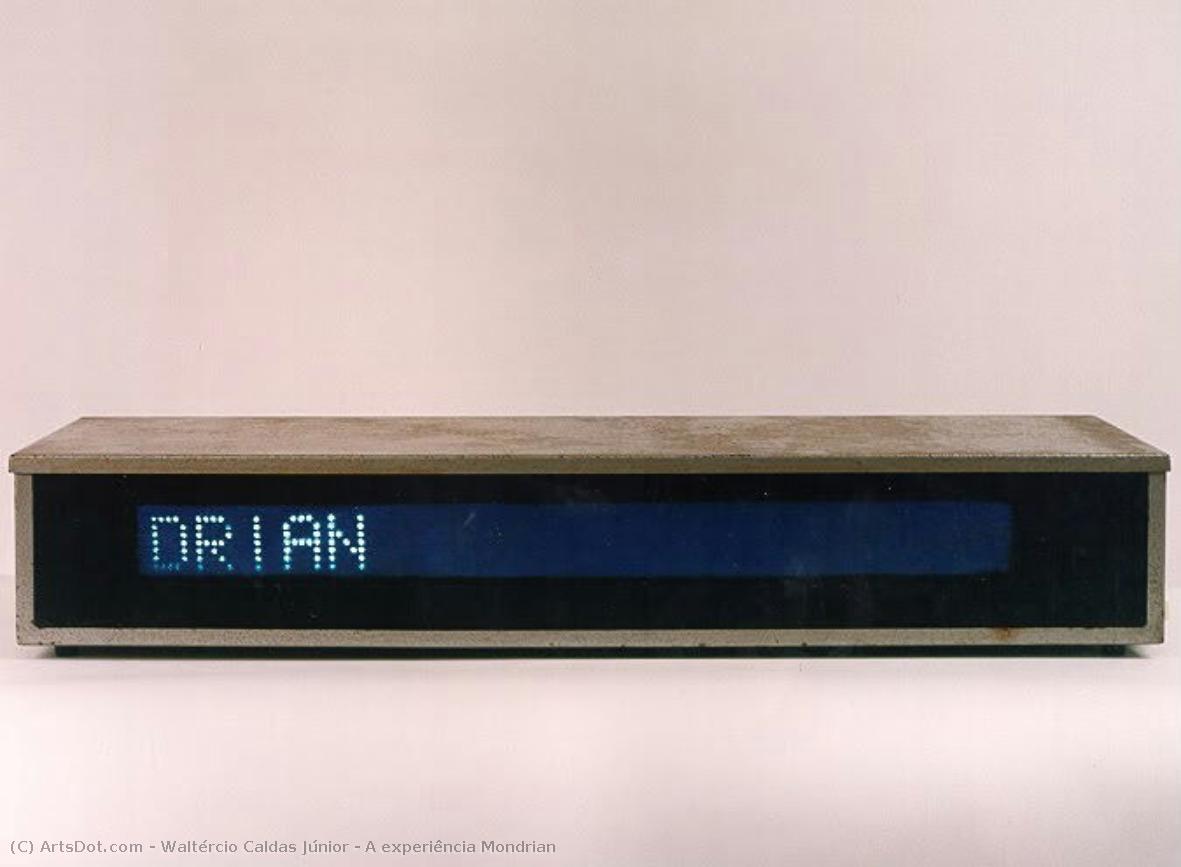
A experiência Mondrian

 Читать далее
Приобретите цифровое изображение высокого разрешения в улучшенном качестве, которое значительно превосходит онлайн-превью.
Каждый файл тщательно подготавливается нашими специалистами с использованием передовых инструментов и экспертной ручной ретуши. Мы гарантируем исключительную четкость, точную цветопередачу и детальную проработку каждого изображения.
Финальный файл доставляется по электронной почте в течение 72 часов и оптимизирован для немедленного использования в профессиональной среде, при верстке и печати. Это тот же уровень качества, которому доверяют ведущие дизайнерские студии, издательства и галереи.
Цифровое изображение
Скачайте файл высокого разрешения для личного использования, печати и творческих проектов. ( Перейти к печати Купить картину ручной работы)
Включено в каждый заказ цифровых изображений
Гарантия экспертной цифровой доставки
Выбирая ArtsDot.com, вы получаете не просто изображение — вы приобретаете профессионально обработанное цифровое произведение искусства, созданное с безупречной точностью и под защитой гарантии качества. Вот всё, что автоматически входит в ваш заказ:

Мгновенная доставка по e-mail
Ваш цифровой файл в высоком разрешении будет отправлен вам по электронной почте в течение 72 часов после оформления заказа — и сразу станет доступен для использования.

Цифровой файл с ИИ-улучшением
Ваше произведение искусства проходит профессиональную оптимизацию с использованием передовых инструментов ИИ и ручной обработки, что гарантирует максимальную детализацию, четкость и точность цветопередачи.

Бессрочная бесплатная повторная доставка
Случайно удалили или потеряли файл? Не беспокойтесь — мы отправим его вам повторно в любое время и совершенно бесплатно.

Без импортных пошлин — навсегда
Наслаждайтесь вашим произведением искусства мгновенно без таможенных пошлин, сборов или затрат на доставку — цифровые загрузки всегда не облагаются налогом.

Гарантия точности цветопередачи
Мы гарантируем, что ваше цифровое изображение максимально точно передает оригинальные цвета благодаря использованию профессиональных инструментов и систем управления цветом.

Гарантия удовлетворенности 100 дней
Если вы не будете удовлетворены своим цифровым изображением, мы внесем правки или вернем 100% стоимости в течение 100 дней — без лишних вопросов.

100% Гарантия возврата средств
Не удовлетворены покупкой? Получите полный возврат средств в течение 100 дней после получения цифрового файла — без лишних вопросов.

Скидки на оптовые заказы
Купите 3 изображения, сэкономьте 10% — Купите 5, сэкономьте 15% — Купите 10+, сэкономьте 20%. Отличное решение для творческих проектов, галерей и агентств.
Похожие произведения







Биография художника
Waltércio Caldas Júnior: Architect of Absence
Waltércio Caldas Júnior (born November 6, 1946), a name synonymous with Brazilian neo-concretism, is an artist whose work defies easy categorization. More than simply creating sculptures, he crafts experiences—moments of perceptual disruption that challenge our assumptions about space, presence, and the very nature of seeing. Born in Rio de Janeiro, his artistic journey was profoundly shaped by his father’s profession as a civil engineer, exposing him to the meticulous world of blueprints and scale models from an early age – a foundation that would later inform Caldas' own deliberate manipulation of form and perspective. His career, spanning decades and continents, is marked by a relentless pursuit of paradox: a fascination with both what *is* visible and what remains tantalizingly absent.Early Influences and the Neo-Concrete Movement
Caldas’s artistic trajectory was inextricably linked to the rise of neo-concretism in Brazil during the 1960s. This movement, a direct response to the prevailing dominance of figurative art, sought to strip away extraneous elements and focus on the essential qualities of form and material. Influenced by figures like Ivan Serpa, with whom he studied at the Museum of Modern Art in Rio de Janeiro, Caldas embraced this minimalist aesthetic, rejecting representational imagery in favor of geometric abstraction and a heightened awareness of spatial relationships. Crucially, however, neo-concretism wasn’t simply about reduction; it was an exploration of perception itself – how we actively construct meaning through our interaction with the artwork. This emphasis on the viewer's role became a defining characteristic of Caldas’s work throughout his career.The Act of Destruction and Rebirth
A pivotal moment in Caldas’s artistic development occurred in 1967, when at the age of twenty-one, he made the radical decision to destroy every drawing he had ever created. This act, recounted with profound significance by Caldas himself, wasn't a rejection of art but rather a deliberate attempt to initiate a new beginning—a “psychic cleansing” that freed him from the constraints of past experiences and allowed him to approach each subsequent work as an entirely fresh creation. He described this decision as "fundamental," shaping his ongoing commitment to novelty and continuous artistic evolution. This willingness to dismantle previous efforts, to embrace the idea of starting over with each piece, is a core tenet of his practice and informs the inherent dynamism within his oeuvre.Materiality and Paradoxical Forms
Caldas’s sculptures are renowned for their eclectic use of materials – stainless steel, wire, granite, glass, ice, and even blank sheets of paper all find a place in his work. He doesn't simply employ these materials; he actively investigates their inherent qualities—their reflectivity, transparency, solidity, and ephemerality. This careful consideration of materiality is often combined with deliberately ambiguous forms that seem to defy conventional spatial understanding. His pieces frequently incorporate mirrors, not as simple reflective surfaces but as tools for disrupting our perception of depth and creating a sense of layered reality. Works like *Mirror of Light* (1974) exemplify this strategy, presenting a seemingly straightforward reflection that simultaneously exposes the mechanics of illusion and challenges our assumptions about visual truth.Legacy and Recognition
Throughout his career, Caldas has garnered significant recognition within both Brazil and internationally. He represented Brazil at the Venice Biennale in 1997 and 2007, solidifying his position as a leading figure in contemporary art. His work is held in prestigious collections worldwide, including those of the Museum of Modern Art (New York), the National Gallery of Art (Washington D.C.), and the Centre Pompidou (Paris). Notably, he was awarded the Brasília Art Award in 1990 and the Johnnie Walker Award in 1998, further cementing his influence within the art world. His public installations, such as *Omkring* (Around) in Norway, continue to engage viewers with their subtle complexities and profound meditations on perception. Caldas’s legacy extends beyond individual artworks; he represents a vital thread in the history of Brazilian modernism—an artist who consistently pushed the boundaries of artistic expression while remaining deeply attuned to the perceptual experiences of those who encounter his work.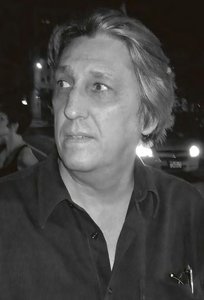
waltércio caldas júnior
1946 - , Brazil
Основные сведения
- Artistic Movement Or Style: Neo-Concretism
- Artists Or Movements Influenced By This Artist: ['Minimalism']
- Artists Who Influenced This Artist: ['Ivan Serpa']
- Date Of Birth: November 6, 1946
- Full Name: Waltércio Caldas Júnior
- Nationality: Brazilian
- Notable Artworks:
- End (Fim)
- Mirror of Light
- Painted Iron
- Place Of Birth: São Paulo, Brazil