

 Предпросмотр
 Поделиться
 Поделиться
 Детали произведения

 Скачать
 Похожие работы
 Рентгенография
 Слайд-шоу
 Статистика
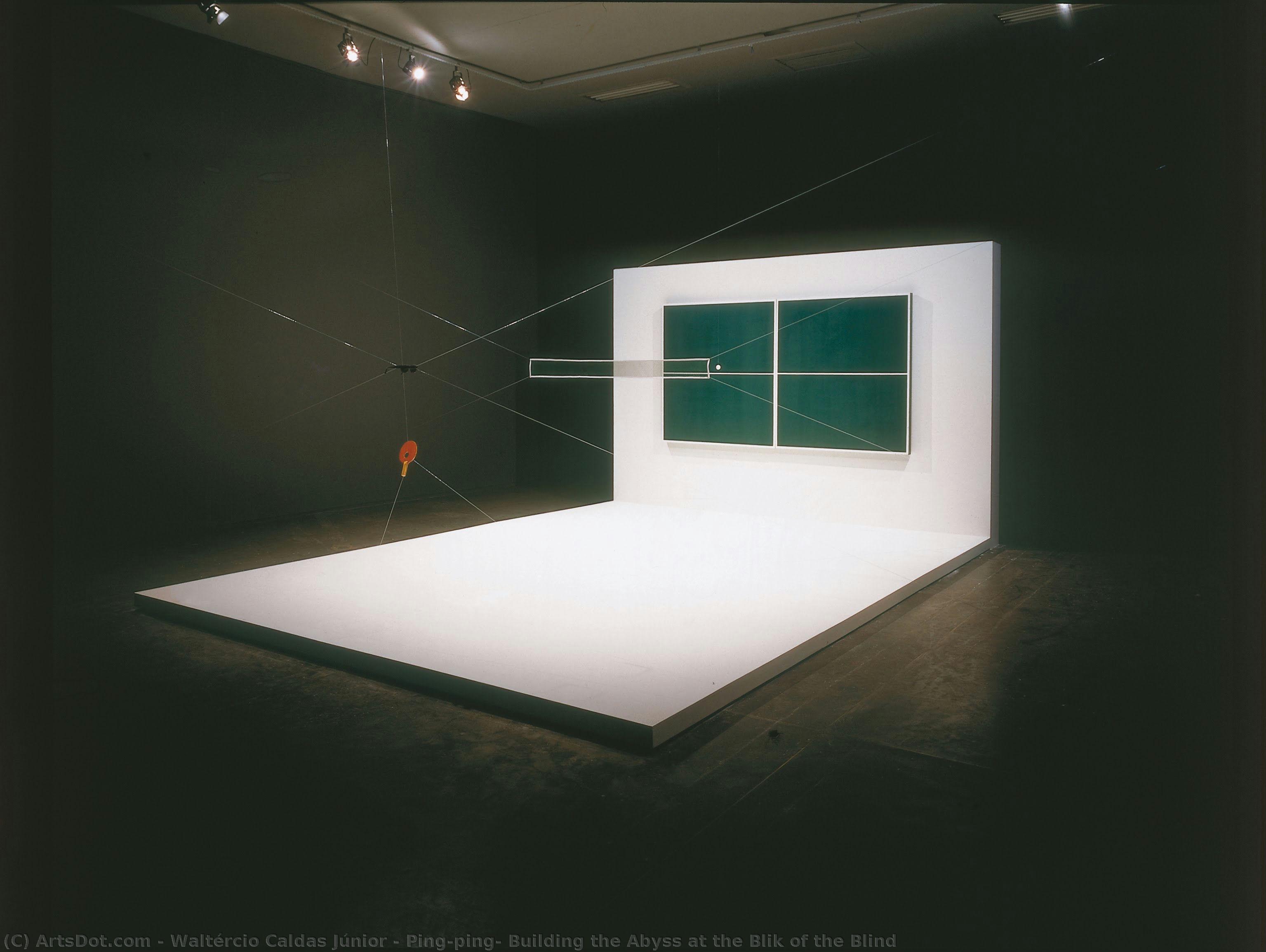
Ping-ping, Building the Abyss at the Blik of the Blind


 Читать далее
Масляная репродукция ручной работы
Картина маслом на холсте в выбранном вами размере и раме, написанная на заказ нашими художниками. ( Перейти к печати Перейти к цифровым изображениям)
































Выберите один из наших стандартных размеров, соответствующих оригинальным пропорциям произведения искусства.

Вы можете указать собственные размеры, чтобы картина идеально вписалась в выбранную раму или пространство. Если выбранный вами размер не соответствует пропорциям оригинала, мы либо обрежем полотно, либо расширим его за счет дополнительных элементов, написанных вручную. Цифровой макет будет отправлен вам на утверждение перед началом производства.
Обратите внимание, что предварительный просмотр на экране не отражает фактическую обрезку или расширение. Только макет точно покажет окончательную композицию.
Хотя доступны индивидуальные размеры, мы рекомендуем выбирать вариант из предопределенного списка, чтобы сохранить исходные пропорции.
После оформления заказа команда ArtsDot.com свяжется с клиентом по электронной почте для уточнения деталей и предоставит предварительный макет
Доставка по всему миру () за 3–4 недели вместо стандартных 5 недель. (13 Сентябрь). Без компромиссов в качестве.

Бесплатная экспресс-доставка по всему миру

Высококачественный льняной холст

Полное страхование доставки

Гарантия возмещения таможенных пошлин

Гарантия точного соответствия цветов

100-дневная политика возврата (только при обнаружении дефектов)

Гарантия возврата 100% средств

Предложение оптовых скидок
 Вариант со стеклом доступен только для размеров менее 110 см

Ping-ping, Building the Abyss at the Blik of the Blind
Техника репродукции
Размер репродукции
-


Итоговая стоимость
$ 263
Похожие произведения







Биография художника
Waltércio Caldas Júnior: Architect of Absence
Waltércio Caldas Júnior (born November 6, 1946), a name synonymous with Brazilian neo-concretism, is an artist whose work defies easy categorization. More than simply creating sculptures, he crafts experiences—moments of perceptual disruption that challenge our assumptions about space, presence, and the very nature of seeing. Born in Rio de Janeiro, his artistic journey was profoundly shaped by his father’s profession as a civil engineer, exposing him to the meticulous world of blueprints and scale models from an early age – a foundation that would later inform Caldas' own deliberate manipulation of form and perspective. His career, spanning decades and continents, is marked by a relentless pursuit of paradox: a fascination with both what *is* visible and what remains tantalizingly absent.Early Influences and the Neo-Concrete Movement
Caldas’s artistic trajectory was inextricably linked to the rise of neo-concretism in Brazil during the 1960s. This movement, a direct response to the prevailing dominance of figurative art, sought to strip away extraneous elements and focus on the essential qualities of form and material. Influenced by figures like Ivan Serpa, with whom he studied at the Museum of Modern Art in Rio de Janeiro, Caldas embraced this minimalist aesthetic, rejecting representational imagery in favor of geometric abstraction and a heightened awareness of spatial relationships. Crucially, however, neo-concretism wasn’t simply about reduction; it was an exploration of perception itself – how we actively construct meaning through our interaction with the artwork. This emphasis on the viewer's role became a defining characteristic of Caldas’s work throughout his career.The Act of Destruction and Rebirth
A pivotal moment in Caldas’s artistic development occurred in 1967, when at the age of twenty-one, he made the radical decision to destroy every drawing he had ever created. This act, recounted with profound significance by Caldas himself, wasn't a rejection of art but rather a deliberate attempt to initiate a new beginning—a “psychic cleansing” that freed him from the constraints of past experiences and allowed him to approach each subsequent work as an entirely fresh creation. He described this decision as "fundamental," shaping his ongoing commitment to novelty and continuous artistic evolution. This willingness to dismantle previous efforts, to embrace the idea of starting over with each piece, is a core tenet of his practice and informs the inherent dynamism within his oeuvre.Materiality and Paradoxical Forms
Caldas’s sculptures are renowned for their eclectic use of materials – stainless steel, wire, granite, glass, ice, and even blank sheets of paper all find a place in his work. He doesn't simply employ these materials; he actively investigates their inherent qualities—their reflectivity, transparency, solidity, and ephemerality. This careful consideration of materiality is often combined with deliberately ambiguous forms that seem to defy conventional spatial understanding. His pieces frequently incorporate mirrors, not as simple reflective surfaces but as tools for disrupting our perception of depth and creating a sense of layered reality. Works like *Mirror of Light* (1974) exemplify this strategy, presenting a seemingly straightforward reflection that simultaneously exposes the mechanics of illusion and challenges our assumptions about visual truth.Legacy and Recognition
Throughout his career, Caldas has garnered significant recognition within both Brazil and internationally. He represented Brazil at the Venice Biennale in 1997 and 2007, solidifying his position as a leading figure in contemporary art. His work is held in prestigious collections worldwide, including those of the Museum of Modern Art (New York), the National Gallery of Art (Washington D.C.), and the Centre Pompidou (Paris). Notably, he was awarded the Brasília Art Award in 1990 and the Johnnie Walker Award in 1998, further cementing his influence within the art world. His public installations, such as *Omkring* (Around) in Norway, continue to engage viewers with their subtle complexities and profound meditations on perception. Caldas’s legacy extends beyond individual artworks; he represents a vital thread in the history of Brazilian modernism—an artist who consistently pushed the boundaries of artistic expression while remaining deeply attuned to the perceptual experiences of those who encounter his work.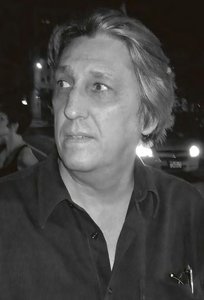
waltércio caldas júnior
1946 - , Brazil
Основные сведения
- Artistic Movement Or Style: Neo-Concretism
- Artists Or Movements Influenced By This Artist: ['Minimalism']
- Artists Who Influenced This Artist: ['Ivan Serpa']
- Date Of Birth: November 6, 1946
- Full Name: Waltércio Caldas Júnior
- Nationality: Brazilian
- Notable Artworks:
- End (Fim)
- Mirror of Light
- Painted Iron
- Place Of Birth: São Paulo, Brazil