

 Предпросмотр
 Поделиться
 Поделиться
 Детали произведения

 Скачать
 Похожие работы
 Рентгенография
 Слайд-шоу
 Статистика
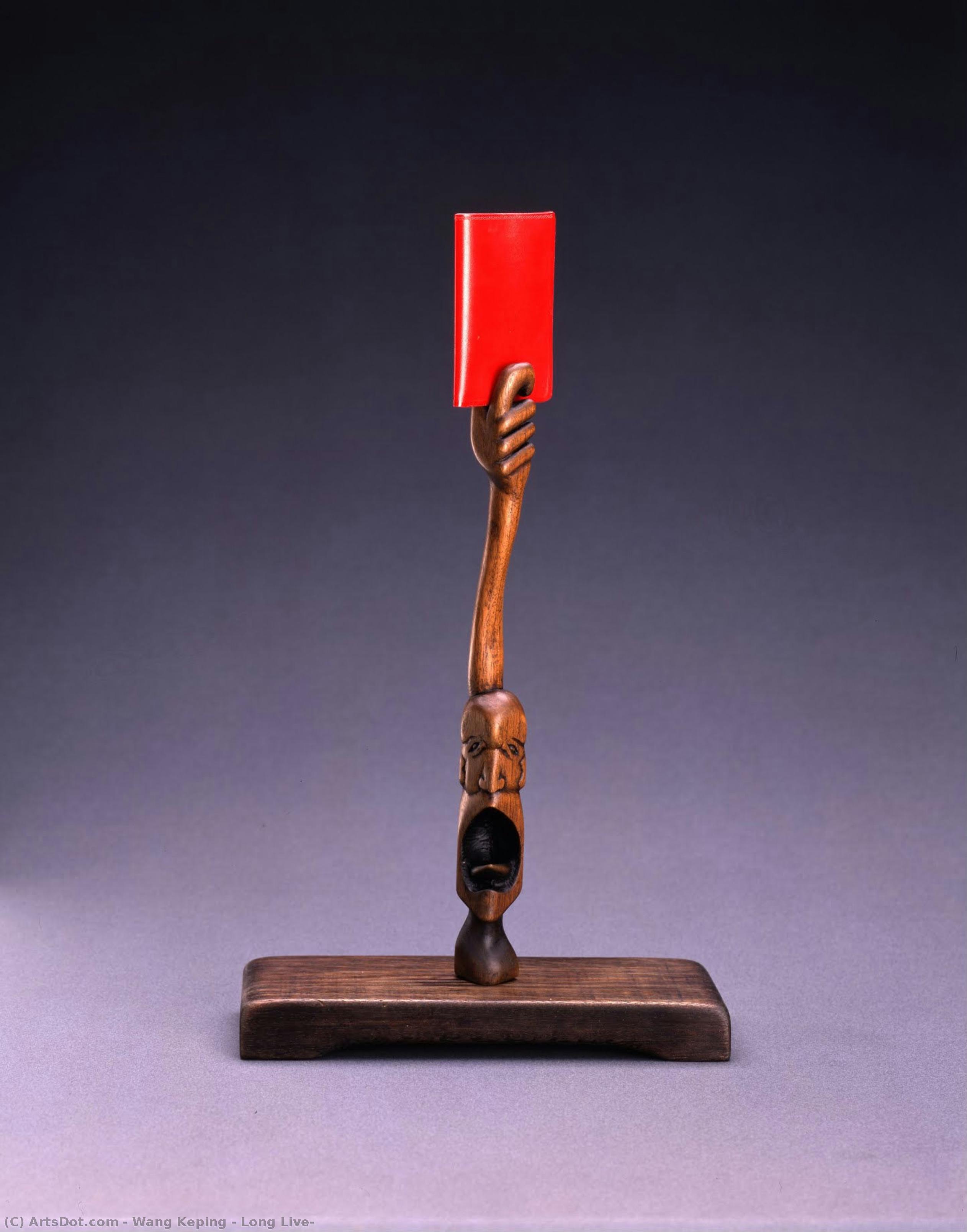
Long Live!
 22.0 x 38.0 cm
 Fukuoka Asian Art Museum
 Читать далее
Приобретите цифровое изображение высокого разрешения в улучшенном качестве, которое значительно превосходит онлайн-превью.
Каждый файл тщательно подготавливается нашими специалистами с использованием передовых инструментов и экспертной ручной ретуши. Мы гарантируем исключительную четкость, точную цветопередачу и детальную проработку каждого изображения.
Финальный файл доставляется по электронной почте в течение 72 часов и оптимизирован для немедленного использования в профессиональной среде, при верстке и печати. Это тот же уровень качества, которому доверяют ведущие дизайнерские студии, издательства и галереи.
Цифровое изображение
Скачайте файл высокого разрешения для личного использования, печати и творческих проектов. ( Перейти к печати Купить картину ручной работы)
Включено в каждый заказ цифровых изображений
Гарантия экспертной цифровой доставки
Выбирая ArtsDot.com, вы получаете не просто изображение — вы приобретаете профессионально обработанное цифровое произведение искусства, созданное с безупречной точностью и под защитой гарантии качества. Вот всё, что автоматически входит в ваш заказ:

Мгновенная доставка по e-mail
Ваш цифровой файл в высоком разрешении будет отправлен вам по электронной почте в течение 72 часов после оформления заказа — и сразу станет доступен для использования.

Цифровой файл с ИИ-улучшением
Ваше произведение искусства проходит профессиональную оптимизацию с использованием передовых инструментов ИИ и ручной обработки, что гарантирует максимальную детализацию, четкость и точность цветопередачи.

Бессрочная бесплатная повторная доставка
Случайно удалили или потеряли файл? Не беспокойтесь — мы отправим его вам повторно в любое время и совершенно бесплатно.

Без импортных пошлин — навсегда
Наслаждайтесь вашим произведением искусства мгновенно без таможенных пошлин, сборов или затрат на доставку — цифровые загрузки всегда не облагаются налогом.

Гарантия точности цветопередачи
Мы гарантируем, что ваше цифровое изображение максимально точно передает оригинальные цвета благодаря использованию профессиональных инструментов и систем управления цветом.

Гарантия удовлетворенности 100 дней
Если вы не будете удовлетворены своим цифровым изображением, мы внесем правки или вернем 100% стоимости в течение 100 дней — без лишних вопросов.

100% Гарантия возврата средств
Не удовлетворены покупкой? Получите полный возврат средств в течение 100 дней после получения цифрового файла — без лишних вопросов.

Скидки на оптовые заказы
Купите 3 изображения, сэкономьте 10% — Купите 5, сэкономьте 15% — Купите 10+, сэкономьте 20%. Отличное решение для творческих проектов, галерей и агентств.
Похожие произведения









Биография художника
The Sculptor of Silence and Spirit
Born in Beijing in 1950, amidst the transformative dawn of a new era in China, Wang Keping emerged as a profound voice within the landscape of contemporary art. His life and work are inextricably linked to the turbulent currents of the twentieth century, shaped by the shadows of the Cultural Revolution and the intellectual awakening that followed. Raised in a family where creativity was a way of life—with a father renowned as a writer and a mother an accomplished actress—Wang’s early years were marked by a complex tension between political conformity and individualistic rebellion. This duality would later become the heartbeat of his sculptural practice, as he sought to carve out spaces of profound human truth from the rigid structures of official dogma.
His artistic journey was not one of traditional academic refinement but rather an autodidactic pursuit of meaning through form. Before finding his calling in wood, Wang’s life took him through various labors, including a period as a plumber, where he mastered the use of tools that would eventually become extensions of his creative will. This tactile relationship with material—the ability to manipulate, carve, and reveal—laid the foundation for a style that prioritizes the raw, expressive power of the medium. His early fascination with philosophy, nurtured during his studies at Beijing University, provided him with the intellectual scaffolding necessary to imbue his physical works with deep existential weight, allowing him to explore themes of identity, suffering, and resilience through the minimalist language of sculpture.
The Stars and the Avant-Garde Rebellion
The late 1970s signaled a seismic shift in the Chinese art world, and Wang Keping stood at its very epicenter. In 1979, alongside fellow visionaries like Huang Rui and Ma Desheng, he became a founding member of the "Stars" (Xing Xing) group. This was more than an artistic collective; it was a defiant movement of glimmers in a dark night, asserting the necessity of creative freedom against the encroaching tides of censorship. It was during this period of intense political and social ferment that Wang’s work took on its most polemical character. His sculptures from this era, often carved from reclaimed wood, served as visceral critiques of the prevailing political climate.
One of his most iconic and controversial works, Long Live Chairman Mao (1978), utilized a simple piece of wood to present a desperate, haunting face clutching the "Little Red Book." Such works were not merely aesthetic objects but political provocations that challenged the viewer to confront the human cost of ideological rigidity. The controversy surrounding his exhibitions, such as those featuring Idol and Silence, led to increased state scrutiny, yet it also solidified his position as a cornerstone of the Chinese avant-garde. Through the "Stars" movement, Wang Keping helped initiate an unprecedented dialogue between art and politics, championing humanist values that would resonate far beyond the borders of Beijing.
A Legacy of Philosophical Depth and Materiality
As his career progressed, Wang’s work evolved from the immediate political provocations of his youth toward a more contemplative and universal exploration of the human condition. While his early pieces were marked by a sharp, reactive energy, his later sculptures began to reflect a deeper engagement with Eastern philosophical traditions, particularly the quietude of Zen Buddhism and the fluid essence of Daoist thought. This transition saw him moving toward an aesthetic of simplicity and spiritual resonance, where the grain of the wood and the organic curves of the form became vessels for exploring the eternal relationship between humanity and nature.
His mastery of wood carving allowed him to achieve a sense of "sculpted silence," where the absence of excessive detail invites the viewer into a meditative state. This ability to convey complex ethical and existential questions through minimalist forms remains his greatest achievement. Beyond his physical sculptures, Wang’s influence extends into the realm of academic and philosophical discourse; as a scholar and professor, he has continued to bridge the gap between aesthetics and transcultural studies. His legacy is that of an artist who transformed the tools of labor into instruments of liberation, leaving behind a body of work that continues to flicker with the enduring light of the human spirit.
wang keping
1950 - , China
Основные сведения
- Artistic Movement Or Style: Avant-garde
- Artists Or Movements Influenced By This Artist: ['Stars Art Group']
- Artists Who Influenced This Artist: ['Constantin Brancusi']
- Date Of Birth: Beijing, China (1950)
- Date Of Death: Living
- Full Name: Wang Keping
- Nationality: Chinese
- Notable Artworks:
- Idol
- Silence
- Place Of Birth: Beijing