

 Предпросмотр
 Поделиться
 Поделиться
 Детали произведения

 Скачать
 Похожие работы
 Рентгенография
 Слайд-шоу
 Статистика
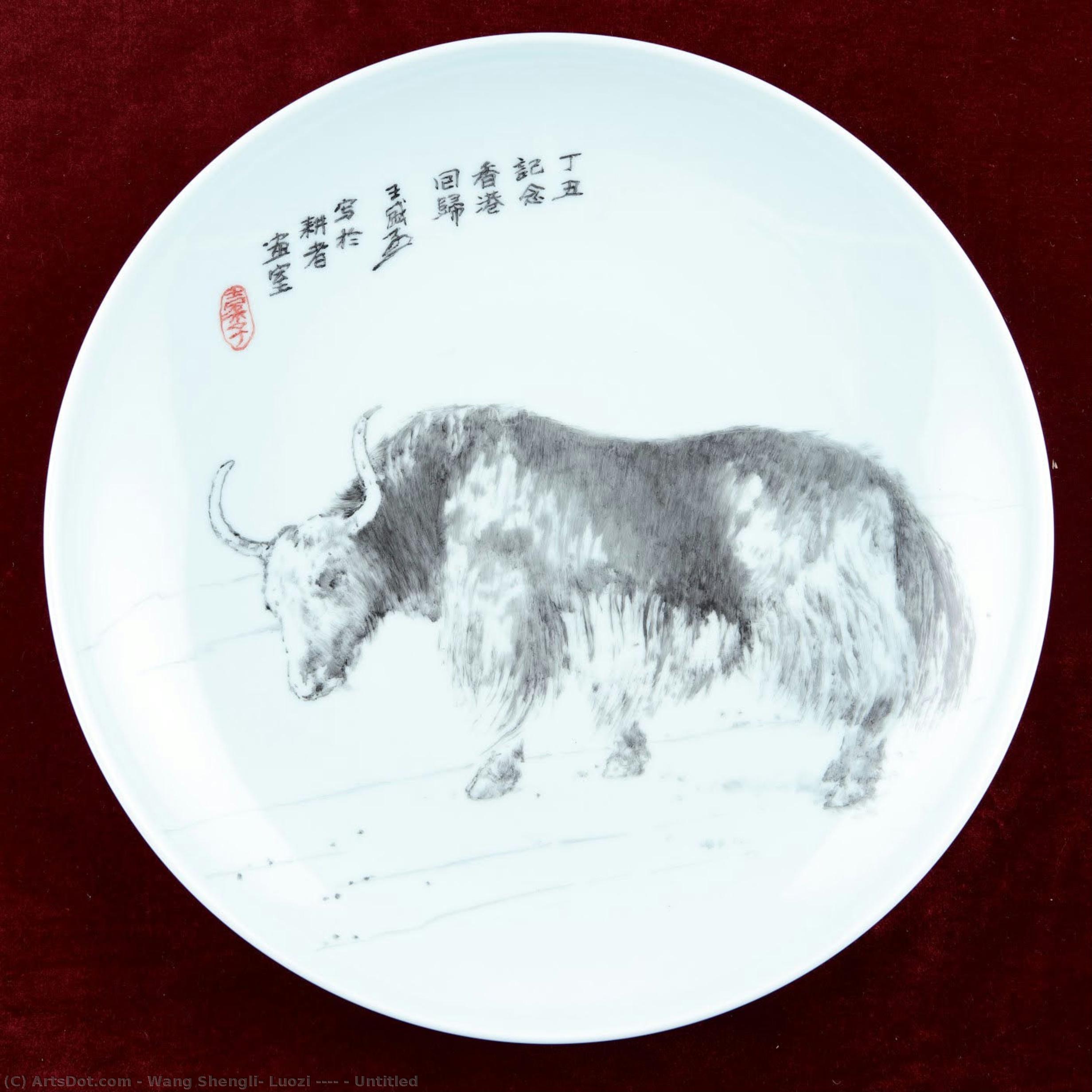
Untitled


 Читать далее
Масляная репродукция ручной работы
Картина маслом на холсте в выбранном вами размере и раме, написанная на заказ нашими художниками. ( Перейти к печати Перейти к цифровым изображениям)




































Выберите один из наших стандартных размеров, соответствующих оригинальным пропорциям произведения искусства.

Вы можете указать собственные размеры, чтобы картина идеально вписалась в выбранную раму или пространство. Если выбранный вами размер не соответствует пропорциям оригинала, мы либо обрежем полотно, либо расширим его за счет дополнительных элементов, написанных вручную. Цифровой макет будет отправлен вам на утверждение перед началом производства.
Обратите внимание, что предварительный просмотр на экране не отражает фактическую обрезку или расширение. Только макет точно покажет окончательную композицию.
Хотя доступны индивидуальные размеры, мы рекомендуем выбирать вариант из предопределенного списка, чтобы сохранить исходные пропорции.
После оформления заказа команда ArtsDot.com свяжется с клиентом по электронной почте для уточнения деталей и предоставит предварительный макет
Доставка по всему миру () за 3–4 недели вместо стандартных 5 недель. (13 Сентябрь). Без компромиссов в качестве.

Бесплатная экспресс-доставка по всему миру

Высококачественный льняной холст

Полное страхование доставки

Гарантия возмещения таможенных пошлин

Гарантия точного соответствия цветов

100-дневная политика возврата (только при обнаружении дефектов)

Гарантия возврата 100% средств

Предложение оптовых скидок
 Вариант со стеклом доступен только для размеров менее 110 см

Untitled
Техника репродукции
Размер репродукции
-


Итоговая стоимость
$ 263
Похожие произведения
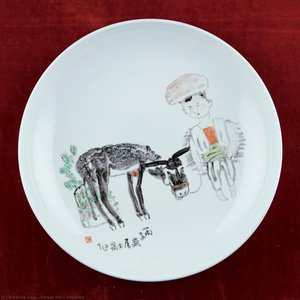
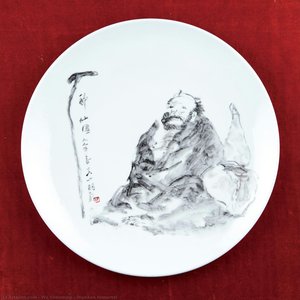
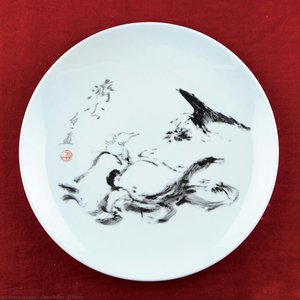
Биография художника
A Legacy of Color and Courage: The Life of Wang Shengli
In the grand tapestry of twentieth-century Chinese art, few threads shine as vibrantly or as defiantly as those woven by Wang Shengli, known also by his moniker Luozi. Born in 1923 in the historic city of Shenyang, Wang emerged during a period of profound national transformation, a time when the boundaries between ancient tradition and modern reality were being violently and beautifully redrawn. His artistic soul was forged in the crucible of international exposure and domestic fervor; his formative years spent studying at the Tokyo Branch of the New Beijing Academy of Fine Arts from 1941 to 1944 provided him with a sophisticated understanding of Japanese aesthetics, which he would later synthesize with a deeply rooted Chinese sensibility. Upon returning to China in 1945, his art became inseparable from the pulse of the nation, as he immersed himself in the revolutionary spirit of the Northeast Youth League, setting the stage for a career defined by both technical mastery and social resonance.
The trajectory of Wang’s development was profoundly shaped by his encounter with the legendary Xu Beihong. Inspired by Beihong’s crusade to revitalize Chinese painting through the integration of Western realism, Wang sought to move beyond mere imitation. He envisioned an art form that could capture the raw, emotional truth of the human condition while honoring the structural elegance of traditional motifs. This ambition led him to ascend through the academic ranks of China's most prestigious institutions, serving as a professor, Dean, and Vice-Dean at the Lu Xun Academy of Fine Arts. His leadership was not merely administrative but deeply creative, culminating in his role as the director of the Wang Shengli Art Center, where he nurtured a new generation of painters to look toward the horizon of modernism without losing sight of their cultural heritage.
The Vanguard of the Guangdong School
Perhaps Wang Shengli’s most enduring contribution to the art world was his role as the architect of the Guangdong School of Painting. Established in 1961, this movement represented a bold departure from the rigid academic conventions that had long dominated the landscape. Under his guidance, a cohort of artists began to experiment with a more visceral approach to figurative painting, characterized by:
- Vibrant Color Palettes: A deliberate use of saturated hues to evoke emotion and vitality.
- Dynamic Compositions: Moving away from static, traditional arrangements toward scenes that pulse with movement and energy.
- Social Commentary: Utilizing the canvas as a medium to reflect the changing social fabric of contemporary China.
This stylistic revolution was not merely an aesthetic choice but a philosophical one, asserting that art must breathe with the life of its era. By rejecting the constraints of purely decorative or overly traditionalist styles, Wang and his contemporaries created a visual language that felt urgent, modern, and undeniably powerful.
Mastery of Narrative and Symbolism
The zenith of Wang Shengli’s creative output is undoubtedly his magnum opus, “Eight Girls Throwing into the River” (八女投江). Completed in 1957, this monumental work serves as a hauntingly beautiful intersection of folklore and historical weight. Drawing from Tang Dynasty legends of sacrifice and filial piety, the painting captures a moment of profound emotional intensity. Through meticulous detail and a masterful command of light and shadow, Wang transforms a scene of tragic loss into an icon of spiritual strength. The painting does more than recount a story; it distills the essence of resilience, making it a cornerstone of national identity.
Beyond this singular masterpiece, his repertoire includes diverse works such as Reading, Tiller, and Long Tianchi Water, each demonstrating his ability to navigate between oil painting and traditional Chinese mediums. His work remains a testament to the idea that true innovation does not require the abandonment of the past, but rather a courageous reimagining of it. Today, the legacy of Wang Shengli lives on through the enduring influence of the Guangdong School, reminding us that art is most potent when it dares to bridge the gap between the ancient spirit and the modern eye.
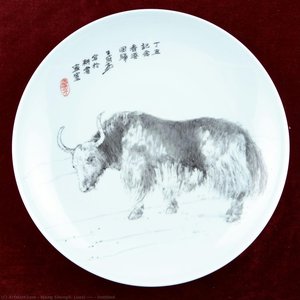
wang shengli, luozi (橐子)
1923 - 2003 , China
Основные сведения
- Artistic Movement Or Style: Guandong School of Painting
- Artists Or Movements Influenced By This Artist: Traditional Chinese Art
- Artists Who Influenced This Artist: Xu Beihong
- Date Of Birth: 1923
- Date Of Death: 2003
- Full Name: Wang Shengli (Luozi)
- Nationality: Chinese
- Notable Artworks: ['Eight Girls Throwing into the River']
- Place Of Birth: Shenyang, China
Похожие статьи

Топ-10 знаменитых картин в черных тонах: шедевры искусства для вашего интерьера
Погрузитесь в мир темных шедевров! Топ-10 знаменитых картин в черных тонах от Гойи, Рембрандта и Мунка. История искусства, техники живописи и вдохновение для вашего интерьера. Купите репродукции высокого качества на ArtsDot.com
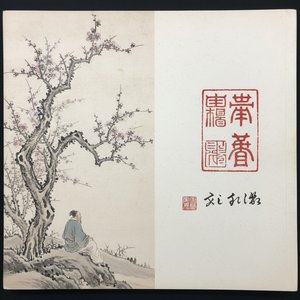
Xie Zhiliu: A Legacy of Ink Wash Painting & Modern Chinese Literati Tradition
Explore the legacy of Xie Zhiliu, a master of Chinese ink wash painting & prominent figure in modern art. Discover his techniques, influences, and contributions to literati tradition. A guide for discerning collectors.
The Beauty of Ink Wash: Discover Serene & Soulful Art for Your Home
Discover the tranquil beauty of ink wash painting. Explore how Sumi-e and monochrome landscapes bring Zen-inspired serenity and soulful elegance to your home decor through expert curation and timeless East Asian aesthetics.
The Alchemy of Clay: A Collector's Guide to the Mastery, Texture, and Timeless Form of Ceramic Art
Discover the profound beauty of ceramic art. Our expert guide explores the alchemy of clay, texture, and glaze, offering collectors deep insights into mastering earth and fire to create timeless, sculptural masterpieces for any curated collection.
Ephemeral Expressions: Exploring the Nuances of Ink on Paper Through History & Contemporary Art
Explore the captivating world of ink wash painting – from its ancient origins to contemporary masters. Discover techniques, symbolism & conservation insights with ArtsDot.com.