

 Предпросмотр
 Поделиться
 Поделиться
 Детали произведения

 Скачать
 Похожие работы
 Рентгенография
 Слайд-шоу
 Статистика
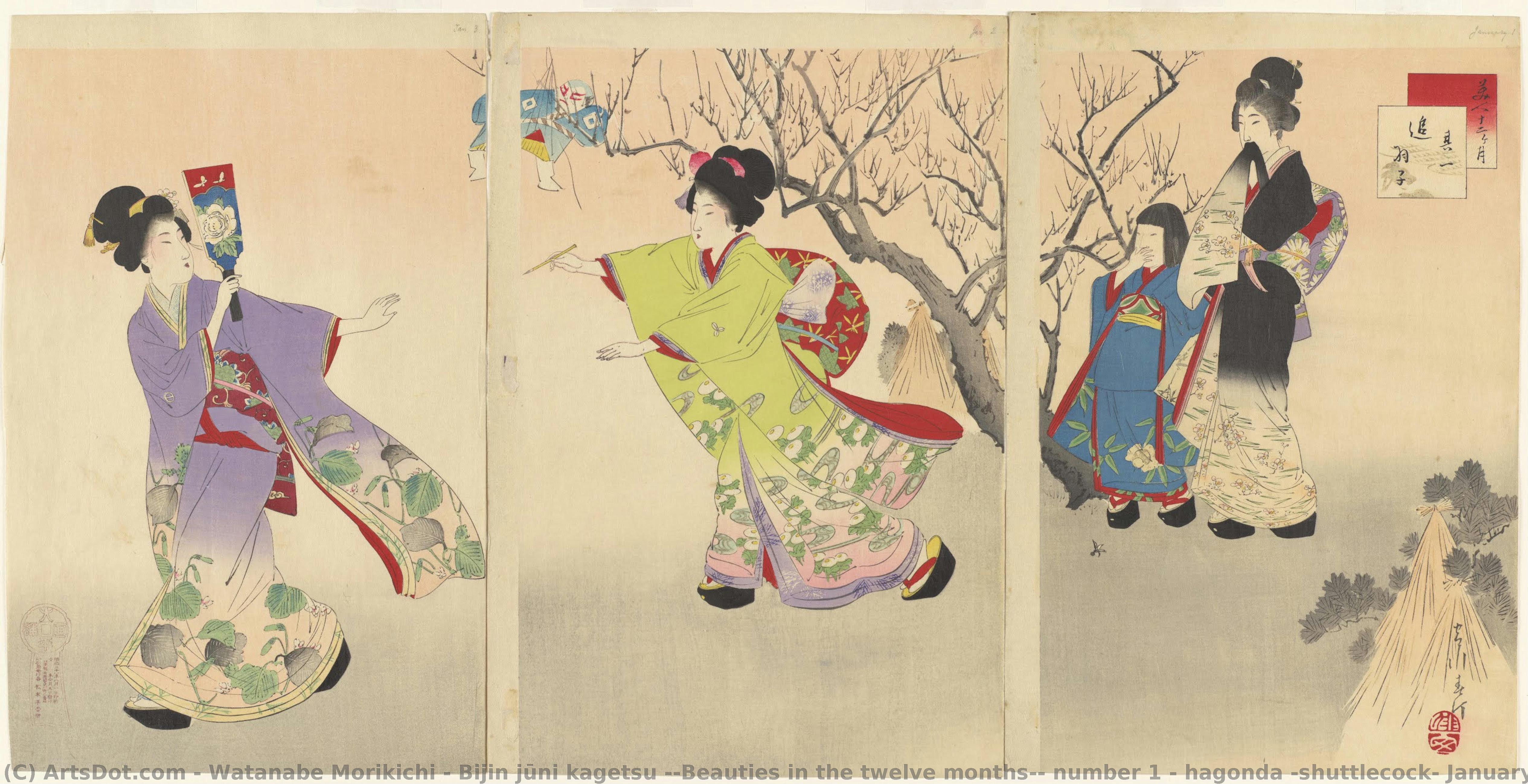
Bijin jūni kagetsu ((Beauties in the twelve months): number 1 - hagonda (shuttlecock) January


 Читать далее
Приобретите цифровое изображение высокого разрешения в улучшенном качестве, которое значительно превосходит онлайн-превью.
Каждый файл тщательно подготавливается нашими специалистами с использованием передовых инструментов и экспертной ручной ретуши. Мы гарантируем исключительную четкость, точную цветопередачу и детальную проработку каждого изображения.
Финальный файл доставляется по электронной почте в течение 72 часов и оптимизирован для немедленного использования в профессиональной среде, при верстке и печати. Это тот же уровень качества, которому доверяют ведущие дизайнерские студии, издательства и галереи.
Цифровое изображение
Скачайте файл высокого разрешения для личного использования, печати и творческих проектов. ( Перейти к печати Купить картину ручной работы)
Включено в каждый заказ цифровых изображений
Гарантия экспертной цифровой доставки
Выбирая ArtsDot.com, вы получаете не просто изображение — вы приобретаете профессионально обработанное цифровое произведение искусства, созданное с безупречной точностью и под защитой гарантии качества. Вот всё, что автоматически входит в ваш заказ:

Мгновенная доставка по e-mail
Ваш цифровой файл в высоком разрешении будет отправлен вам по электронной почте в течение 72 часов после оформления заказа — и сразу станет доступен для использования.

Цифровой файл с ИИ-улучшением
Ваше произведение искусства проходит профессиональную оптимизацию с использованием передовых инструментов ИИ и ручной обработки, что гарантирует максимальную детализацию, четкость и точность цветопередачи.

Бессрочная бесплатная повторная доставка
Случайно удалили или потеряли файл? Не беспокойтесь — мы отправим его вам повторно в любое время и совершенно бесплатно.

Без импортных пошлин — навсегда
Наслаждайтесь вашим произведением искусства мгновенно без таможенных пошлин, сборов или затрат на доставку — цифровые загрузки всегда не облагаются налогом.

Гарантия точности цветопередачи
Мы гарантируем, что ваше цифровое изображение максимально точно передает оригинальные цвета благодаря использованию профессиональных инструментов и систем управления цветом.

Гарантия удовлетворенности 100 дней
Если вы не будете удовлетворены своим цифровым изображением, мы внесем правки или вернем 100% стоимости в течение 100 дней — без лишних вопросов.

100% Гарантия возврата средств
Не удовлетворены покупкой? Получите полный возврат средств в течение 100 дней после получения цифрового файла — без лишних вопросов.

Скидки на оптовые заказы
Купите 3 изображения, сэкономьте 10% — Купите 5, сэкономьте 15% — Купите 10+, сэкономьте 20%. Отличное решение для творческих проектов, галерей и агентств.
A Winter Prelude: The Grace of the Meiji Era
In the delicate interplay of light and tradition, Watanabe Morikichi captures a fleeting moment of seasonal transition in his exquisite woodblock print, Bijin jūni kagetsu ((Beautalliies in the twelve months): number 1 - hagonda (shuttlecock) January. Created in 1898, this masterpiece serves as a poignant opening to a series celebrating the cyclical beauty of the Japanese year. The scene unfolds with a sense of quiet animation, presenting four women dressed in the layered, ornate silks of the Meiji period. As the first month of the year arrives, there is an unmistakable air of preparation and playfulness; one figure moves with rhythmic grace, while another holds an umbrella against the seasonal chill, and a third prepares a fan, all contributing to a narrative of cultural continuity and refined elegance.
The composition is a masterclass in movement and poise. Through the artist's skilled hand, we witness a choreography of daily life where every gesture feels intentional yet natural. The way the figures interact with their surroundings—the tilt of a head, the careful grip on a traditional accessory, or the spirited motion of a dance—invites the viewer into a private, serene world. For the discerning collector or interior designer, this piece offers more than just visual beauty; it provides a window into a vanished era of Japanese sophistication, where the simple act of playing with a shuttlecock becomes a ritual of seasonal celebration.
Mastery of Line and the Spirit of Ukiyo-e
Technically, this work exemplifies the refined kuchi-e style that Morikichi (also known as Miyagawa Shuntei) helped pioneer. The print utilizes the traditional woodblock technique to achieve a breathtaking level of detail, from the intricate patterns on the kimonos to the soft, atmospheric quality of the winter air. The artist’s lineage, descending from the esteemed Miyagawa Chōshun, is evident in the precision of his linework and his ability to balance Western-influenced depth with the flat, decorative elegance of classical Japanese aesthetics. Each stroke serves to emphasize the textures of silk and paper, creating a tactile sensation that transcends the two-dimensional medium.
The color palette is subtle yet evocative, utilizing soft tones that mirror the muted light of a January morning. This restraint allows the viewer to focus on the emotional resonance of the subjects—the quiet joy, the shared companionship, and the dignity of the women depicted. Such a piece is not merely a decoration but an emotional anchor for a room, offering a sense of tranquility and historical depth. Whether placed in a contemporary gallery setting or a classic study, this reproduction brings with it the soul of the Meiji era, making it an incomparable choice for those looking to infuse their space with timeless artistry and cultural prestige.
Похожие произведения
Биография художника
Watanabe Morikichi: A Master of Meiji Beauty
Watanabe Morikichi, also known as Miyagawa Shuntei, was a pivotal figure in late 19th and early 20th century Japanese art, particularly renowned for his exquisite woodblock prints depicting women and children. Born in Aichi Prefecture in 1873, his life coincided with a transformative period in Japan – the Meiji Restoration – an era marked by rapid modernization and a fascinating fusion of Western and traditional influences. His artistic journey began under the tutelage of his father, Miyagawa Chōshun, a respected painter and woodblock printer, providing him with a solid foundation in the craft. This early training instilled within him a deep appreciation for Japanese aesthetics while simultaneously exposing him to emerging Western techniques. Shuntei’s work is not simply a record of appearances; it's an exploration of Japanese culture, capturing its nuances and ideals through a distinctly refined lens.Early Life and Artistic Training
Shuntei’s formative years were spent in Tokyo, a vibrant hub of artistic activity during the Meiji period. This exposure to diverse art forms – painting, sculpture, and particularly woodblock printing – significantly shaped his style. The influence of the Meiji era is undeniably present in his work; while deeply rooted in traditional Japanese aesthetics, Shuntei’s prints demonstrate an awareness of Western compositional techniques and a subtle adoption of Western color palettes. He initially honed his skills as a kuchi-e artist, creating illustrations for newspapers and magazines, before transitioning to producing more elaborate woodblock prints. Notably, he apprenticed under both Watanabe Shoka, a prominent nanga painter, and Tomioka Eisen, the celebrated master known for his dynamic and expressive *nokanshi* (night scenes). These influential mentors provided him with invaluable knowledge and techniques, contributing significantly to the development of his unique artistic voice.The ‘Flowers of the Floating World’ Series and Beyond
Shuntei's most enduring legacy lies in his “Flowers of the Floating World” series, also known as *Ukiyo-e*. This collection, produced primarily between 1897 and 1898, offers a captivating glimpse into the idealized world of upper-class Japanese families during the Meiji era. These prints aren’t merely portraits; they are carefully constructed narratives, imbued with symbolism and reflecting societal values. The subjects – often beautiful women and their children – are presented in elegant domestic settings, surrounded by luxurious objects and engaging in refined activities. The series is characterized by its meticulous detail, delicate color palettes, and a remarkable ability to convey both serenity and subtle emotion. Beyond *Flowers of the Floating World*, Shuntei also produced other notable works, including “Children’s Customs and Manners” (1897) and "Twelve Months of Beauties" (1898), further solidifying his reputation as a master of depicting Japanese beauty and family life.Influences and Legacy
Watanabe Morikichi's work was profoundly influenced by the broader artistic currents of the Meiji period, including the Japonism movement which sought to popularize Japanese art and design in Europe and America. He shared this ambition with other artists like Viscount Kuroda Seiki, who played a crucial role in introducing Western-style painting to Japan. Shuntei’s meticulous attention to detail and his ability to capture the subtleties of Japanese culture resonated deeply with contemporary audiences and subsequent generations of artists. His prints are frequently cited as examples of Meiji-era woodblock printing at its finest, showcasing both technical mastery and artistic sensitivity. His influence can be seen in the works of many later printmakers, demonstrating the lasting impact of his vision and skill. The educational zodiac 12 picture album is a testament to this legacy, representing a pinnacle of his artistic achievement.A Lasting Impression
Watanabe Morikichi’s life was tragically cut short in 1914 at the age of forty-one. Despite his relatively brief career, he left behind an extraordinary body of work that continues to captivate viewers today. His prints are held in prestigious collections worldwide, including the Keio University Library and the British Museum, ensuring that his artistic contributions will be appreciated for generations to come. Shuntei’s legacy extends beyond individual artworks; it represents a crucial moment in Japanese art history – a time of dynamic change and creative synthesis, embodied in the exquisite beauty of his woodblock prints.
watanabe morikichi
1873 - 1914 , Japan
Основные сведения
- Artistic Movement Or Style: Meiji-era woodblock prints
- Artists Or Movements Influenced By This Artist:
- viscount Kuroda Seiki
- Japonism
- Artists Who Influenced This Artist:
- Watanabe Shoka
- Tomioka Eisen
- Date Of Birth: 1873, Aichi Prefecture, Japan
- Date Of Death: 1914
- Full Name: Watanabe Morikichi / Miyagawa Shuntei
- Nationality: Japanese
- Notable Artworks:
- Bijin jūni kagetsu
- Flowers of the Floating World
- Kodomo Fuzoku
- Place Of Birth: Aichi Prefecture, Japan