

 Предпросмотр
 Поделиться
 Поделиться
 Детали произведения

 Скачать
 Похожие работы
 Рентгенография
 Слайд-шоу
 Статистика
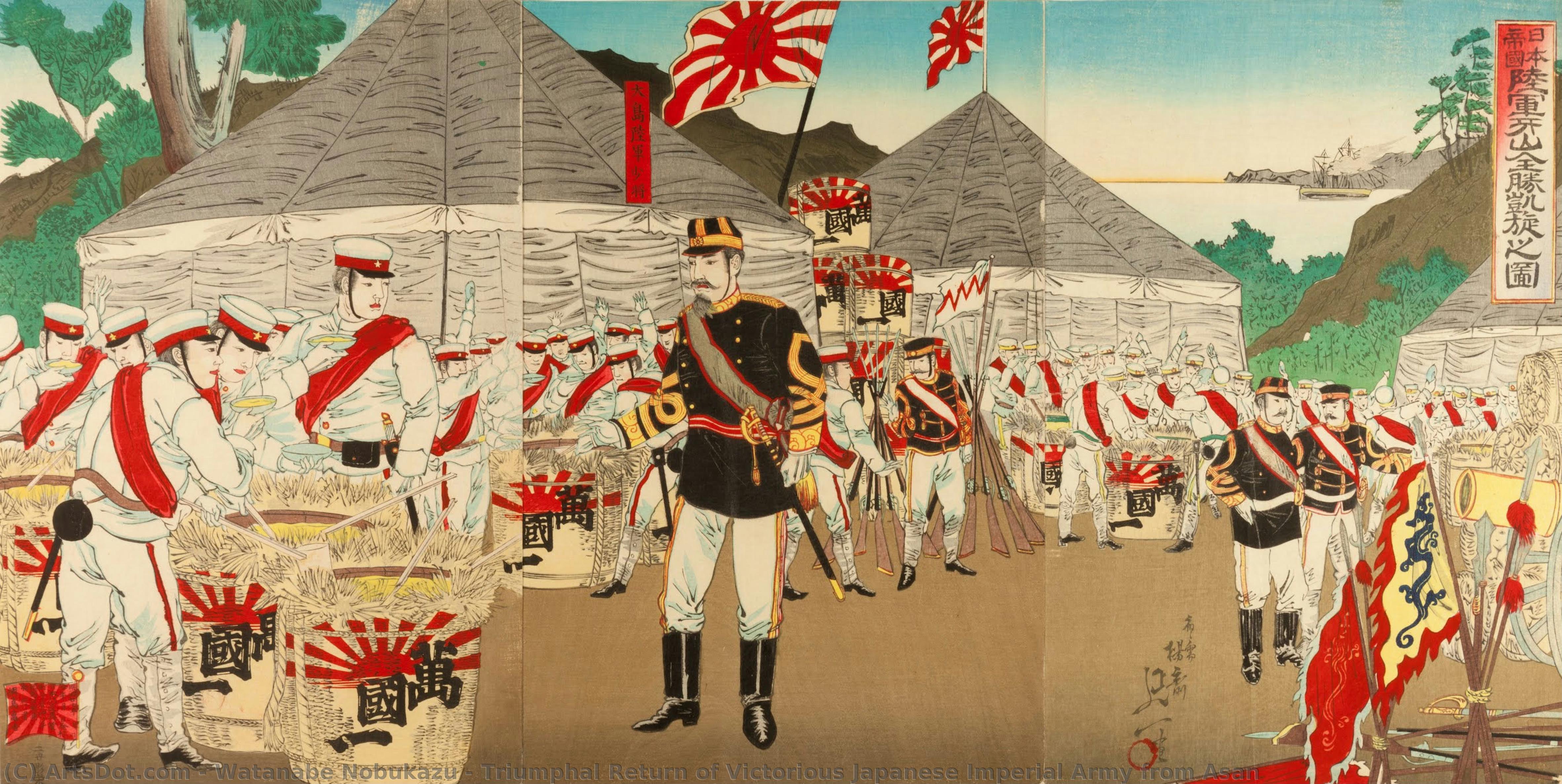
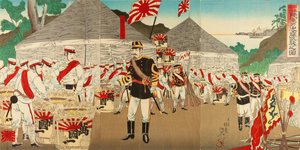
Triumphal Return of Victorious Japanese Imperial Army from Asan


 Читать далее
Масляная репродукция ручной работы
Картина маслом на холсте в выбранном вами размере и раме, написанная на заказ нашими художниками. ( Перейти к печати Перейти к цифровым изображениям)
































Выберите один из наших стандартных размеров, соответствующих оригинальным пропорциям произведения искусства.

Вы можете указать собственные размеры, чтобы картина идеально вписалась в выбранную раму или пространство. Если выбранный вами размер не соответствует пропорциям оригинала, мы либо обрежем полотно, либо расширим его за счет дополнительных элементов, написанных вручную. Цифровой макет будет отправлен вам на утверждение перед началом производства.
Обратите внимание, что предварительный просмотр на экране не отражает фактическую обрезку или расширение. Только макет точно покажет окончательную композицию.
Хотя доступны индивидуальные размеры, мы рекомендуем выбирать вариант из предопределенного списка, чтобы сохранить исходные пропорции.
После оформления заказа команда ArtsDot.com свяжется с клиентом по электронной почте для уточнения деталей и предоставит предварительный макет
Доставка по всему миру () за 3–4 недели вместо стандартных 5 недель. (13 Сентябрь). Без компромиссов в качестве.

Бесплатная экспресс-доставка по всему миру

Высококачественный льняной холст

Полное страхование доставки

Гарантия возмещения таможенных пошлин

Гарантия точного соответствия цветов

100-дневная политика возврата (только при обнаружении дефектов)

Гарантия возврата 100% средств

Предложение оптовых скидок
 Вариант со стеклом доступен только для размеров менее 110 см

Triumphal Return of Victorious Japanese Imperial Army from Asan
Техника репродукции
Размер репродукции
-


Итоговая стоимость
$ 263
Похожие произведения



Биография художника
The Visionary Chronicler of a Changing Japan
In the sweeping tapestry of Japanese art history, few figures capture the dramatic transition from tradition to modernity as poignantly as Watanabe Nobukazu. Born Shimada Jirō around 1872, this master printmaker emerged during an era defined by profound geopolitical shifts and internal transformation. His life and work serve as a visual bridge between the classical elegance of the Edo period's lingering aesthetics and the raw, cinematic intensity of Japan’s emergence as a global power. As a student of the legendary Yōshū Chikanobu, Nobukazu inherited a profound respect for the meticulous craftsmanship of the Ukiyo-e tradition, yet he possessed a unique, contemporary pulse that allowed him to document the turbulent winds of the Sino-Japanese and Russo-Japanese wars with unparalleled vigor.
The foundation of Nobukazu’s artistry was laid through rigorous training in calligraphy and painting, disciplines that instilled in him a reverence for the precision of line. Under Chikanobu’s mentorship, he learned to navigate the delicate balance between decorative beauty and narrative depth. This early education did more than just teach him technique; it provided him with the vocabulary to translate complex historical narratives into the medium of woodblock printing. His ability to weave together the fine, rhythmic lines characteristic of his master with a burgeoning sense of realism allowed him to create works that were not merely art, but essential historical documents.
The Drama of Conflict and the Mastery of Print
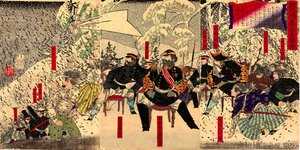
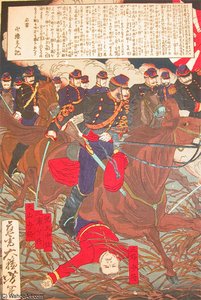
Nobukazu’s ascent to international prominence was inextricably linked to the martial fervor of his time. During the Sino-Japanese War (1894–1895), he became a prolific chronicler of the battlefield, producing elaborate triptychs that captured the heat of combat and the strategic grandeur of military maneuvers. His depictions of pivotal engagements, such as those at Liaodong harbor and Pyongyang, are celebrated for their theatrical composition and breathtaking realism. In these prints, the viewer is not a distant observer but an eyewitness to the smoke, the movement of troops, and the heavy atmosphere of conflict. He utilized the multi-panel format of the triptych to create expansive, panoramic vistas that mirrored the scale of the wars themselves.
Beyond the battlefield, Nobukazu demonstrated a remarkable versatility in capturing the ceremonial and the serene. His masterpiece, "Emperor," stands as a testament to his ability to evoke the solemnity of the Meiji era. In this work, he moves away from the chaos of war to present an imperial procession characterized by profound historical gravity. Through a sophisticated palette of muted ochres, deep browns, and soft creams, he creates an atmosphere of dignified antiquity. The print is a masterclass in structural harmony, where:
- Intricate Line Work delineates the complex patterns of ceremonial robes and architectural grandeur.
- Layered Pigments provide a sense of texture and depth that avoids garishness in favor of refined elegance.
- Symbolic Elements, such as wandering birds and sentinel trees, act as silent witnesses to the unfolding imperial splendor.
A Lasting Legacy in Wood and Ink
The historical significance of Watanabe Nobukazu lies in his role as a visual historian. While many artists of his era remained tethered to purely decorative themes, Nobukazu embraced the dynamism of his age. His work captures the dual identity of Japan at the turn of the century: a nation deeply rooted in its ancestral traditions yet aggressively marching toward a modern, industrial future. His technique—a seamless blend of Chikanobu’s meticulous detail and an expressive, almost cinematic use of color—ensured that his prints possessed both a timeless aesthetic and a contemporary urgency.
Today, the legacy of Nobukazu continues to resonate with scholars and collectors who seek to understand the soul of Meiji-era Japan. His ability to translate the ephemeral moments of war and the enduring rituals of the state into the permanent medium of woodblock printing ensures his place in the pantheon of great Japanese printmakers. Through his eyes, we do not just see history; we feel the weight of its progression, the tension of its battles, and the quiet dignity of its most sacred traditions.
watanabe nobukazu
1872 - 1944 , Japan
Основные сведения
- Artistic Movement Or Style: Ukiyo-e
- Artists Or Movements Influenced By This Artist: ['Utagawa School']
- Artists Who Influenced This Artist: ['Yōshū Chikanobu']
- Date Of Death: 1944
- Full Name: Watanabe Nobukazu (渡辺延一)
- Nationality: Japanese
- Notable Artworks:
- Imperial Prosperity: Ceremony in the Eastern Capital
- Illustration of the Attack on the Hōōjyo (Hōōjyo kogeki no zu)
- Triumphal Return of Victorious Japanese Imperial Army from Asan
- Bronze Statue of Saigō in Ueno Park,
- Watanabe Nobukazu
- Place Of Birth: Tokyo, Japan