Предпросмотр
 Поделиться
 Поделиться
 Детали произведения

 Скачать
 Похожие работы
 Рентгенография
 Слайд-шоу
 Статистика
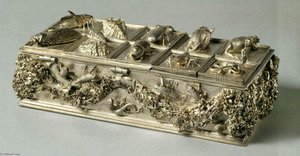
Mother Earth (or Merkel) table decoration


 Читать далее
Масляная репродукция ручной работы
Картина маслом на холсте в выбранном вами размере и раме, написанная на заказ нашими художниками. ( Перейти к печати Перейти к цифровым изображениям)




P118B $10

P118H $10

P118W $10

P438Z $10

P508JH $12

P508YH $12

P805H $10

P805Z $10

P919BZ $10

P919G $10

P919XJ $10

P959ZH $10

P968JZ $12

W106C $8

W218G $10

W218JH $8

W218Y $10

W307PJ $10

W316G $10

W316PJ $8

W316Y $10

W398PJ $8

W4111J $10

W500HY $15

W500JH $15

W692G $12

W849H $8

W940BG $15

W953PJ $8




Выберите один из наших стандартных размеров, соответствующих оригинальным пропорциям произведения искусства.

Вы можете указать собственные размеры, чтобы картина идеально вписалась в выбранную раму или пространство. Если выбранный вами размер не соответствует пропорциям оригинала, мы либо обрежем полотно, либо расширим его за счет дополнительных элементов, написанных вручную. Цифровой макет будет отправлен вам на утверждение перед началом производства.
Обратите внимание, что предварительный просмотр на экране не отражает фактическую обрезку или расширение. Только макет точно покажет окончательную композицию.
Хотя доступны индивидуальные размеры, мы рекомендуем выбирать вариант из предопределенного списка, чтобы сохранить исходные пропорции.
После оформления заказа команда ArtsDot.com свяжется с клиентом по электронной почте для уточнения деталей и предоставит предварительный макет
Доставка по всему миру () за 3–4 недели вместо стандартных 5 недель. (11 Сентябрь). Без компромиссов в качестве.

Бесплатная экспресс-доставка по всему миру

Высококачественный льняной холст

Полное страхование доставки

Гарантия возмещения таможенных пошлин

Гарантия точного соответствия цветов

100-дневная политика возврата (только при обнаружении дефектов)

Гарантия возврата 100% средств

Предложение оптовых скидок
 Вариант со стеклом доступен только для размеров менее 110 см

Mother Earth (or Merkel) table decoration
Техника репродукции
Размер репродукции
-


Итоговая стоимость
$ 263
Wenzel Jamnitzer’s Mother Earth (or Merkel) Table Decoration: A Symphony of Symbolism and Craftsmanship
The Wenzel Jamnitzer table decoration, affectionately nicknamed “Merkelsche Tafelaufsatz,” stands as a testament to the artistic fervor of the Renaissance—specifically 1549—and embodies the pinnacle of German goldsmithing achievement. Commissioned by Nuremberg’s city council, this monumental piece transcends mere decorative function; it's an elaborate allegory designed to celebrate Earth’s bounty and proclaim the glory of imperial patronage. Examining its intricate details reveals a profound understanding of humanist ideals blended with masterful technical skill.A Celebration of Fertility and Divine Order
At first glance, the centerpiece presents itself as a serene tableau depicting Mother Earth—a figure rendered in gleaming silver—surrounded by an astonishing array of meticulously crafted flora and fauna. Each element within the composition carries symbolic weight, reflecting medieval cosmological beliefs about the interconnectedness of all living things. The central bowl, dominated by Earth herself, is populated with miniature representations of animals – lizards, snakes, frogs – painstakingly cast from actual specimens collected in the wild. This deliberate act underscores the importance of observation and imitation of nature—a cornerstone of Renaissance artistic thought.The Artistry of Life Casting: Technique and Innovation
What distinguishes Jamnitzer’s masterpiece is his pioneering use of “life casting,” a technique that revolutionized goldsmithing at the time. Rather than relying on traditional wax models, Jamnitzer employed a revolutionary method whereby he molded miniature replicas of plants and animals from silver—a feat demanding unparalleled precision and patience. This innovative approach necessitated careful consideration of material properties and required considerable expertise in manipulating molten metal. The resulting sculptures are remarkably lifelike, capturing the delicate textures and contours of their organic counterparts with astonishing accuracy.Historical Context: Imperial Ambition and Artistic Patronage
The creation of this opulent table decoration coincided with a period of intense political maneuvering within the Holy Roman Empire. Commissioned by Nuremberg’s ruling council, it served as a powerful visual declaration of civic pride—a symbol of the city's prosperity and its allegiance to imperial authority. Such commissions were commonplace among wealthy elites eager to elevate their status through association with artistic excellence. Jamnitzer’s work exemplifies the broader cultural landscape of the era, reflecting humanist ideals championed by figures like Erasmus and Petrarch alongside a fervent desire for aesthetic grandeur.A Legacy of Elegance: Enduring Symbolism and Artistic Influence
Today, reproductions of Jamnitzer's Mother Earth table decoration continue to inspire designers and collectors alike. Its enduring appeal lies not only in its breathtaking beauty but also in its profound symbolic resonance—a reminder of humanity’s connection to the natural world and a celebration of artistic mastery. The meticulous craftsmanship displayed in this singular artwork secures its place as one of the most remarkable achievements of Renaissance goldsmithing, cementing Wenzel Jamnitzer's reputation as Germany’s foremost artist of his time.Похожие произведения






Биография художника
Early Life & Family Legacy
Wenzel Jamnitzer (circa 1507 – December 19, 1585) emerged from a distinguished Moravian German family known for its artistic endeavors under various spellings—Jamnitzer, Jemniczer, Gemniczer, and Jamitzer. This lineage spanned over 160 years, producing remarkable artworks characterized by refined craftsmanship and stylistic innovation. Born in Vienna, Italy, Wenzel was the son of Hans Jamnitzer the Elder, a goldsmith who established a tradition of excellence that would continue through subsequent generations. His brother, Albrecht Jamnitzer, further solidified this family’s artistic reputation, shaping Wenzel's formative years within an environment steeped in artistic heritage.Training & Artistic Foundations
Wenzel’s artistic education commenced under the tutelage of his father and brother. This rigorous training instilled in him a profound understanding of goldsmithing techniques—a craft that demanded precision, artistry, and meticulous attention to detail. Notably, he studied alongside Euclid's Elements and Plato’s Timaeus, texts considered foundational for geometric reasoning and philosophical contemplation – influences that would profoundly shape his later artistic pursuits.Career as Court Goldsmith & Scientific Pursuits
Jamnitzer swiftly ascended to prominence in Nuremberg, securing positions as court goldsmith to several Holy Roman Emperors—Charles V, Ferdinand I, Maximilian II, and Rudolf II. This role afforded him unparalleled access to imperial patronage and enabled him to contribute significantly to the artistic landscape of his time. Beyond royal commissions, Jamnitzer demonstrated a remarkable commitment to advancing the guild’s knowledge base. His publication of “Perspectiva Corporum Regularium” in 1568 stands as a testament to this dedication—a groundbreaking treatise that meticulously documented the construction and properties of polyhedra using geometric principles.Notable Achievements & Artistic Style
Jamnitzer’s artistic style embodied the Northern Mannerist movement, characterized by its elegance, restraint, and intellectual depth. He skillfully blended Renaissance influences with innovative techniques—incorporating hardstones, shells, corals, and small birds' eggs into his sculptures and jewelry boxes. His magnum opus, arguably, was the Nautilus Cup (1550), a breathtaking golden sculpture depicting a rooster in exquisite detail, reflecting the grandeur of the Renaissance aesthetic. Furthermore, he served as coin die-cutter for Nuremberg and later as master of the city mint.Legacy & Recognition
Wenzel Jamnitzer’s influence extended beyond his own lifetime. He collaborated with Johann Gregor van der Schardt on sculptural projects, leaving an indelible mark on Nuremberg's artistic milieu. His tomb in St. John’s Cemetery is adorned with a bronze sculpture by Jost Amman, commemorating his life and achievements—a poignant reminder of a master craftsman whose legacy continues to inspire admiration for centuries.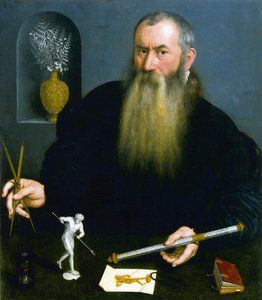
Wenzel Jamnitzer
1507 - 1585 , Italy
Основные сведения
- Artistic Movement Or Style: Northern Mannerism
- Artists Or Movements Influenced By This Artist: ['Renaissance Art']
- Artists Who Influenced This Artist: ['Plato']
- Date Of Birth: ca. 1507, Wien
- Date Of Death: 1585, Nürnberg
- Full Name: Wenzel Jamnitzer
- Nationality: German
- Notable Artworks:
- Nautilus Cup in the Form of a Chicken
- Mother Earth (or Merkel) table decoration
- Inkstand
- Place Of Birth: Vienna, Italy
Похожие статьи

The Dramatic Flourish: Exploring the Baroque Movement's Enduring Legacy in Art History
Explore the dramatic world of Baroque art! Discover iconic artists like Caravaggio & Rubens, defining techniques, and its lasting impact on art history. Expert insights for collectors & enthusiasts at ArtsDot.

The Visceral Stage: Exploring Dramatic Narratives & Emotional Intensity in Baroque Art
Explore the dramatic world of Baroque art! Discover iconic masters like Caravaggio & Rembrandt, their techniques, and the movement's lasting impact. Expert insights for collectors & enthusiasts at ArtsDot.
Decoding Baroque Grandeur: A Guide to the Drama and Emotion of 17th-Century Art
Explore the breathtaking drama of 17th-century Baroque art. Our expert guide decodes the use of chiaroscuro, emotional intensity, and historical grandeur to help you appreciate and curate timeless masterpieces for your collection.

Барочная драма: Искусство величия в современном интерьере
Погрузитесь в мир роскоши и величия барокко! Узнайте об истории стиля, ключевых элементах интерьера и архитектуре. Вдохновляйтесь с и создайте свой неповторимый дизайн.

10 Шедевров Барокко: Искусство, изменившее мир | ArtsDot.com
Погрузитесь в мир барокко! 10 шедевров Караваджо, Рембрандта и других великих художников. Узнайте историю создания культовых картин и найдите идеальную репродукцию для вашего интерьера на ArtsDot.com