

 Предпросмотр
 Поделиться
 Поделиться
 Детали произведения

 Скачать
 Похожие работы
 Рентгенография
 Слайд-шоу
 Статистика
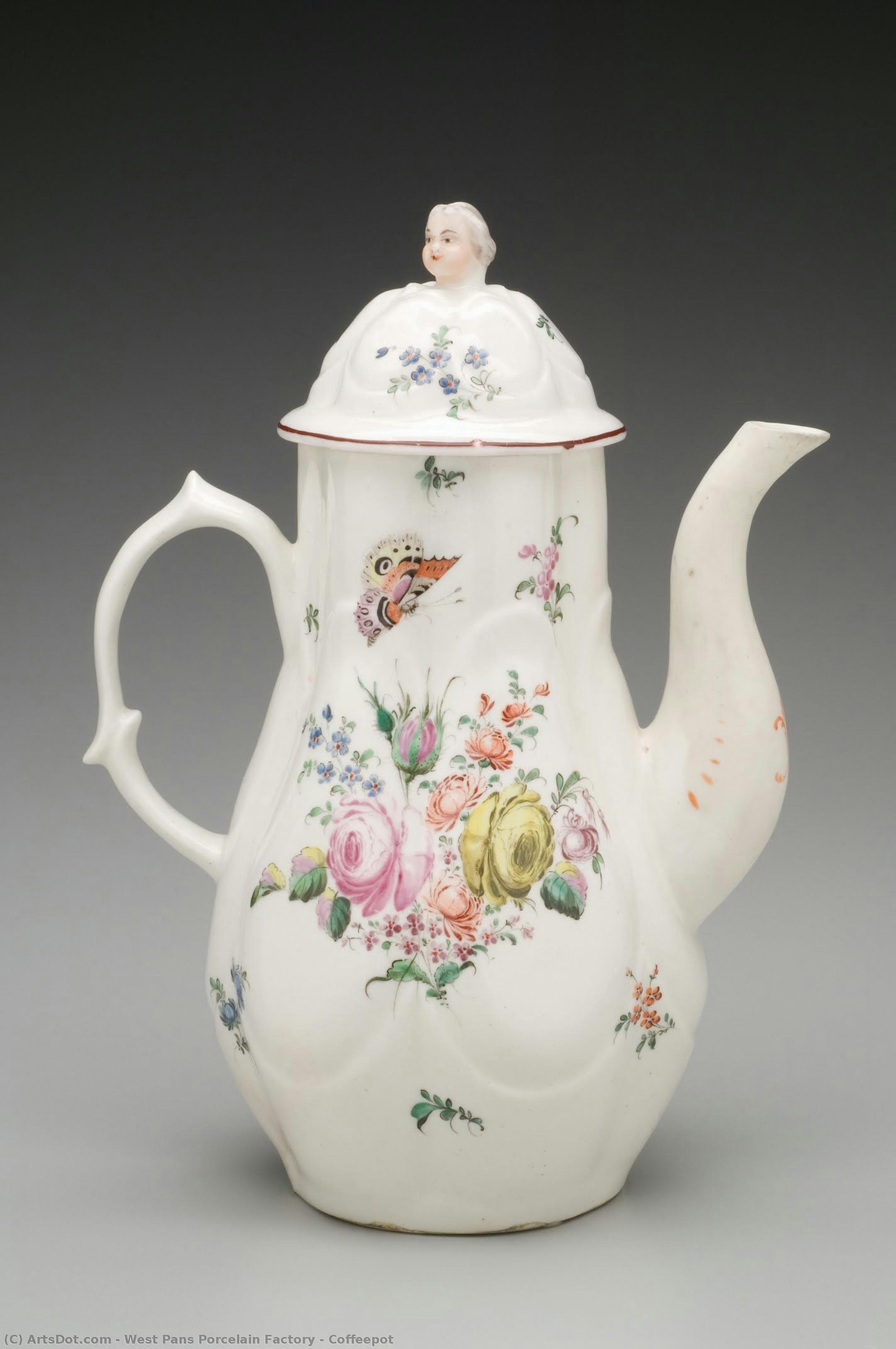
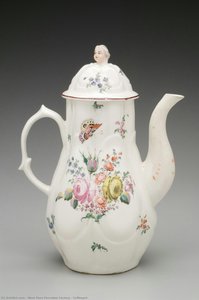
Coffeepot

 Читать далее
Масляная репродукция ручной работы
Картина маслом на холсте в выбранном вами размере и раме, написанная на заказ нашими художниками. ( Перейти к печати Перейти к цифровым изображениям)




































Выберите один из наших стандартных размеров, соответствующих оригинальным пропорциям произведения искусства.

Вы можете указать собственные размеры, чтобы картина идеально вписалась в выбранную раму или пространство. Если выбранный вами размер не соответствует пропорциям оригинала, мы либо обрежем полотно, либо расширим его за счет дополнительных элементов, написанных вручную. Цифровой макет будет отправлен вам на утверждение перед началом производства.
Обратите внимание, что предварительный просмотр на экране не отражает фактическую обрезку или расширение. Только макет точно покажет окончательную композицию.
Хотя доступны индивидуальные размеры, мы рекомендуем выбирать вариант из предопределенного списка, чтобы сохранить исходные пропорции.
После оформления заказа команда ArtsDot.com свяжется с клиентом по электронной почте для уточнения деталей и предоставит предварительный макет
Доставка по всему миру () за 3–4 недели вместо стандартных 5 недель. (11 Сентябрь). Без компромиссов в качестве.

Бесплатная экспресс-доставка по всему миру

Высококачественный льняной холст

Полное страхование доставки

Гарантия возмещения таможенных пошлин

Гарантия точного соответствия цветов

100-дневная политика возврата (только при обнаружении дефектов)

Гарантия возврата 100% средств

Предложение оптовых скидок
 Вариант со стеклом доступен только для размеров менее 110 см

Coffeepot
Техника репродукции
Размер репродукции
-


Итоговая стоимость
$ 263
Похожие произведения






Биография художника
The Pioneering Spirit of West Pans Porcelain Factory
The story of the West Pans Porcelain Factory is a fascinating, if somewhat turbulent, chapter in the history of British ceramics. Unlike the established manufactories of London or Staffordshire, West Pans emerged from an unexpected locale – a small hamlet on the Firth of Forth near Edinburgh, Scotland – and represented a bold attempt to introduce porcelain production north of the border. Its brief but significant existence, spanning roughly from 1764 to 1777, is inextricably linked to the ambitious, yet ultimately financially challenged, figure of William Littler.
From Longton Hall to Scottish Shores
William Littler’s journey to West Pans was one born of both entrepreneurial drive and economic necessity. He had previously established Longton Hall Pottery in Staffordshire around 1750, a venture that initially flourished with its Rococo-inspired designs and delicate tableware. However, despite early success, Longton Hall succumbed to bankruptcy in 1760. Undeterred, Littler sought new opportunities, relocating to Scotland and leasing land from James Gray and Janet Forrest at West Pans in 1764. This marked the beginning of what would become the first porcelain factory in Scotland.
The choice of location was strategic, offering access to local clay deposits and proximity to transportation routes via the Firth of Forth. Littler brought with him not only his accumulated knowledge of porcelain manufacture but also his wife, Jane, a skilled painter whose artistic talents were crucial to the early success of the factory. The initial advertisements in The Caledonian Mercury showcased a range of products, signaling an intent to compete with established English porcelain producers.
A Delicate Balance: Rococo and Neoclassical Influences
The porcelain produced at West Pans during Littler’s tenure reflects a blend of stylistic influences. Early pieces exhibit the graceful curves, floral motifs, and pastel color palettes characteristic of the Rococo period – a continuation of the aesthetic he had cultivated at Longton Hall. However, as the 1770s progressed, there is evidence of a shift towards the emerging Neoclassical style, with more restrained forms and classical ornamentation. A particularly exquisite example is the Rococo/Neoclassical porcelain teapot, showcasing intricate hand-painted details and refined artistry.
The factory’s output included teacups, saucers, coffee pots, inkwells, and decorative objects, often adorned with delicate floral sprays, landscapes, and occasionally personalized armorial bearings. The quality of the painting was a distinguishing feature, with Jane Littler’s expertise playing a vital role in establishing a reputation for elegance and refinement. One notable example is a documentary West Pans inkwell painted with a blazon of a sailing ship in distress, beneath a motto banner inscribed ‘SPES INFRACTA’, demonstrating both artistic skill and personalized commissions.
Financial Struggles and Legacy
Despite the quality of its products, the West Pans Porcelain Factory struggled financially throughout its existence. Littler faced repeated setbacks, including sequestration in 1764 and a persistent search for business partners to secure the factory’s future. Production ceased around 1777, forcing Littler to return to England. While his time at West Pans was relatively short-lived, it left an indelible mark on Scottish ceramic history.
Following Littler's departure, the pot works experienced periods of revival under Robert Bagnall and Anthony de la Chappelle (around 1784-1792), and later as a stoneware company managed by Bagnall in 1793. William Reid also operated at the site from around 1793 to 1801, but ultimately, ceramic production at West Pans ended in 1832 with its sale to Sir James Suttie.
Rediscovering a Scottish Treasure
Today, porcelain from the West Pans Factory is highly sought after by collectors and museums. Archaeological excavations at the site have unearthed a wealth of sherds, providing valuable insights into the factory’s production techniques and stylistic evolution. The work of George Haggarty has been instrumental in publicizing this material, shedding light on the artistry and historical significance of this often-overlooked Scottish manufactory.
The story of West Pans is a testament to the pioneering spirit of William Littler and his wife Jane, who dared to establish porcelain production in an unlikely location. While their venture was ultimately short-lived, it represents a crucial chapter in the development of British ceramics, demonstrating the reach of Rococo and Neoclassical styles beyond the traditional centers of manufacture and leaving behind a legacy of delicate beauty and historical intrigue.
Основные сведения
- Artistic Movement Or Style: Rococo/Neoclassical
- Date Of Death: Living
- Full Name: West Pans Porcelain Factory
- Notable Artworks:
- Coffeepot
- Inkwell