


 Предпросмотр
 Поделиться
 Поделиться
 Детали произведения

 Скачать
 Похожие работы
 Рентгенография
 Слайд-шоу
 Статистика
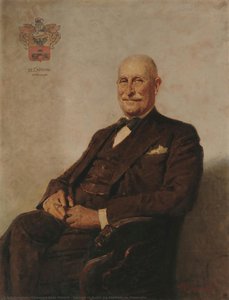
Kazimierz Świtalski (1886-1962)
 Contemporary Realism
 2018
2018 110.0 x 80.0 cm
 Парламент Польши
 Читать далее
Масляная репродукция ручной работы
Картина маслом на холсте в выбранном вами размере и раме, написанная на заказ нашими художниками. ( Перейти к печати Перейти к цифровым изображениям)




































Выберите один из наших стандартных размеров, соответствующих оригинальным пропорциям произведения искусства.

Вы можете указать собственные размеры, чтобы картина идеально вписалась в выбранную раму или пространство. Если выбранный вами размер не соответствует пропорциям оригинала, мы либо обрежем полотно, либо расширим его за счет дополнительных элементов, написанных вручную. Цифровой макет будет отправлен вам на утверждение перед началом производства.
Обратите внимание, что предварительный просмотр на экране не отражает фактическую обрезку или расширение. Только макет точно покажет окончательную композицию.
Хотя доступны индивидуальные размеры, мы рекомендуем выбирать вариант из предопределенного списка, чтобы сохранить исходные пропорции.
После оформления заказа команда ArtsDot.com свяжется с клиентом по электронной почте для уточнения деталей и предоставит предварительный макет
Доставка по всему миру () за 3–4 недели вместо стандартных 5 недель. (14 Сентябрь). Без компромиссов в качестве.

Бесплатная экспресс-доставка по всему миру

Высококачественный льняной холст

Полное страхование доставки

Гарантия возмещения таможенных пошлин

Гарантия точного соответствия цветов

100-дневная политика возврата (только при обнаружении дефектов)

Гарантия возврата 100% средств

Предложение оптовых скидок
 Вариант со стеклом доступен только для размеров менее 110 см

Kazimierz Świtalski (1886-1962)
Техника репродукции
Размер репродукции
-


Итоговая стоимость
$ 263
Похожие произведения




Биография художника
Keith Haring: A Revolutionary Voice in Pop Art
Born on May 4, 1958, in Reading, Pennsylvania, and raised in the small town of Kutztown, Keith Allen Haring’s artistic journey began not with formal training but with a profound connection to the vibrant street art scene emerging in New York City during the late 1970s and early 1980s. His childhood was marked by a love for drawing, nurtured initially by his father, an amateur cartoonist, and fueled by the influence of popular culture icons like Dr. Seuss and Walt Disney. This foundation laid the groundwork for his distinctive style – a bold fusion of cartoon aesthetics, graffiti techniques, and social commentary that would quickly catapult him to international fame.
Haring’s early years were spent exploring various artistic avenues, including enrollment at the Ivy School of Professional Art in Pittsburgh, where he soon realized that commercial art wasn't his calling. He found himself drawn to the burgeoning alternative art community thriving outside the traditional gallery system, a world characterized by raw energy and experimentation. This immersion led him to forge connections with fellow artists like Kenny Scharf and Jean-Michel Basquiat, alongside musicians and performance artists within the downtown scene. Crucially, Haring’s exposure to graffiti profoundly impacted his work; he was captivated by its directness, accessibility, and ability to bypass established art institutions. The subway system in New York City became his laboratory – a blank canvas where he created hundreds of spontaneous chalk drawings, capturing figures, animals, and abstract forms with rapid, energetic lines.
The Subway Drawings and Early Recognition
These “subway drawings,” as they came to be known, were more than just doodles; they represented a deliberate attempt to engage the public directly. Haring’s work quickly gained attention from commuters and critics alike, transforming him into an overnight sensation. His distinctive style – characterized by bold outlines, vibrant colors, and simplified imagery – resonated deeply with audiences, particularly young people. This recognition led to his first solo exhibition at the Westbeth Painters Space in 1981, a pivotal moment that established his place within the New York art scene. The show was met with critical acclaim and generated significant media buzz, solidifying Haring’s status as a rising star.
Following this success, Haring continued to explore various mediums and formats, including murals, posters, and commercial collaborations. He embraced opportunities to create public artworks, often commissioned by hospitals, schools, and community organizations. His commitment to social activism became increasingly prominent during this period. In 1986, he created “Crack is Wack,” a powerful mural designed to raise awareness about the devastating effects of crack cocaine addiction. This work, along with others addressing issues such as AIDS awareness, homosexuality, and apartheid, demonstrated Haring’s desire to use his art as a vehicle for social change. His work was deeply rooted in the spirit of protest and solidarity that characterized the era.
Expanding Horizons: Galleries, Exhibitions, and Social Impact
Throughout the 1980s, Haring's popularity soared, leading to numerous solo exhibitions across the United States and internationally. He participated in prestigious events such as Documenta 7 in Kassel, Germany; the São Paulo Biennial; and the Whitney Biennial in New York City. These engagements exposed his work to a global audience and further cemented his reputation as a significant contemporary artist. He also established “The Pop Shop” in Soho, New York, in 1986 – a retail space that sold merchandise bearing his iconic images at affordable prices, democratizing access to his art and extending its reach beyond the traditional gallery setting.
Haring’s artistic output wasn't limited to visual art. He also ventured into animation, creating short films for television and billboards. His work was frequently featured in magazines and newspapers, solidifying his status as a pop culture icon. Notably, he collaborated with brands like Swatch and Absolut Vodka, demonstrating his ability to seamlessly integrate his artistic vision with commercial interests. Despite the increasing attention, Haring remained committed to his core values – accessibility, social engagement, and the belief that art should be for everyone.
Legacy and Recognition
Tragically, Keith Haring’s life was cut short on February 16, 1990, at the age of 31, due to complications from AIDS. However, his legacy endures as one of the most influential artists of the late 20th century. His distinctive style continues to inspire artists and resonate with audiences worldwide. In 2014, he was honored with a place on the Rainbow Honor Walk in San Francisco, recognizing his contributions to LGBTQ+ rights. The Keith Haring Foundation, established shortly before his death, continues to support organizations dedicated to combating AIDS and promoting children’s health and education – ensuring that Haring's commitment to social justice remains an integral part of his artistic legacy.
Key Works
- “Untitled (Disco Ball)” (1983)
- “Untitled (Pop Shop)” (1986)
- “Crack is Wack” (1986)
- “Radiant Baby” (1987)
- “Dogs Playing Poker” (1985)

wieńczysław pyrzanowski
1958 - , Poland
Основные сведения
- Artistic Movement Or Style: Pop art, graffiti art
- Artists Or Movements Influenced By This Artist:
- Kenny Scharf
- Jean-Michel Basquiat
- Artists Who Influenced This Artist:
- Jean Dubuffet
- Andy Warhol
- Date Of Birth: May 4, 1958
- Date Of Death: February 16, 1990
- Full Name: Keith Allen Haring
- Nationality: American
- Notable Artworks:
- Crack Is Wack
- Tower
- Untitled Series
- Tuttomondo
- Place Of Birth: Reading, Pennsylvania, USA
Похожие статьи

Oil on Canvas: A Historical & Technical Exploration of a Timeless Artistic Medium
Explore the rich history & enduring techniques of oil painting on canvas. Discover the science behind its longevity, conservation practices, and contemporary relevance. Expert insights for art enthusiasts.

The Enduring Power of Painting: A Historical & Contemporary Exploration of Form and Emotion
Explore the rich history & enduring techniques of oil painting with ArtsDot. Discover masterpieces, learn about art collecting, and find authentic handmade reproductions crafted by skilled artists.

Масляная живопись: История, техника и непреходящее наследие
Узнайте все о масляной живописи: история техники, секреты мастеров и современные тенденции. Погрузитесь в мир искусства с экспертами !
Oil on Board: A Historical Survey of Technique, Aesthetic Qualities & Enduring Appeal
Explore the rich history of oil on board painting! Discover techniques, aesthetic qualities & enduring appeal from early masters to modern practice. Expert insights for collectors and art enthusiasts.

The Enduring Legacy of Oil on Canvas: Technique, History & Aesthetic Impact
Explore the rich history & techniques of oil painting – from Renaissance masters to Impressionism. Discover pigments, layering methods, and why this timeless medium endures. Expert insights for artists & art enthusiasts.