

 Предпросмотр
 Поделиться
 Поделиться
 Детали произведения

 Скачать
 Похожие работы
 Рентгенография
 Слайд-шоу
 Статистика
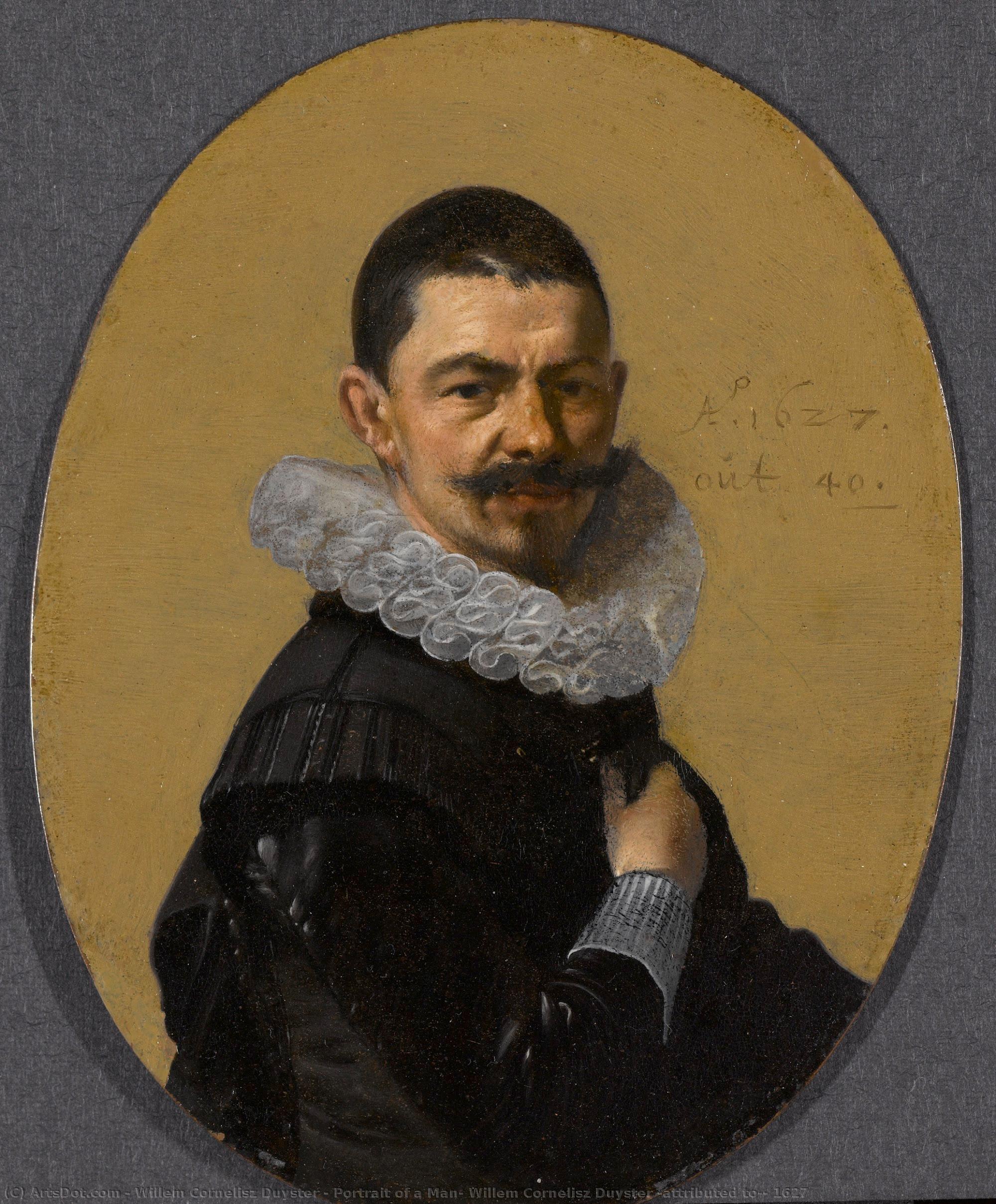
Portrait of a Man, Willem Cornelisz Duyster (attributed to), 1627
 Dutch Golden Age
 1627
1627 15.0 x 11.0 cm
 Читать далее
Приобретите цифровое изображение высокого разрешения в улучшенном качестве, которое значительно превосходит онлайн-превью.
Каждый файл тщательно подготавливается нашими специалистами с использованием передовых инструментов и экспертной ручной ретуши. Мы гарантируем исключительную четкость, точную цветопередачу и детальную проработку каждого изображения.
Финальный файл доставляется по электронной почте в течение 72 часов и оптимизирован для немедленного использования в профессиональной среде, при верстке и печати. Это тот же уровень качества, которому доверяют ведущие дизайнерские студии, издательства и галереи.
Цифровое изображение
Скачайте файл высокого разрешения для личного использования, печати и творческих проектов. ( Перейти к печати Купить картину ручной работы)
Включено в каждый заказ цифровых изображений
Гарантия экспертной цифровой доставки
Выбирая ArtsDot.com, вы получаете не просто изображение — вы приобретаете профессионально обработанное цифровое произведение искусства, созданное с безупречной точностью и под защитой гарантии качества. Вот всё, что автоматически входит в ваш заказ:

Мгновенная доставка по e-mail
Ваш цифровой файл в высоком разрешении будет отправлен вам по электронной почте в течение 72 часов после оформления заказа — и сразу станет доступен для использования.

Цифровой файл с ИИ-улучшением
Ваше произведение искусства проходит профессиональную оптимизацию с использованием передовых инструментов ИИ и ручной обработки, что гарантирует максимальную детализацию, четкость и точность цветопередачи.

Бессрочная бесплатная повторная доставка
Случайно удалили или потеряли файл? Не беспокойтесь — мы отправим его вам повторно в любое время и совершенно бесплатно.

Без импортных пошлин — навсегда
Наслаждайтесь вашим произведением искусства мгновенно без таможенных пошлин, сборов или затрат на доставку — цифровые загрузки всегда не облагаются налогом.

Гарантия точности цветопередачи
Мы гарантируем, что ваше цифровое изображение максимально точно передает оригинальные цвета благодаря использованию профессиональных инструментов и систем управления цветом.

Гарантия удовлетворенности 100 дней
Если вы не будете удовлетворены своим цифровым изображением, мы внесем правки или вернем 100% стоимости в течение 100 дней — без лишних вопросов.

100% Гарантия возврата средств
Не удовлетворены покупкой? Получите полный возврат средств в течение 100 дней после получения цифрового файла — без лишних вопросов.

Скидки на оптовые заказы
Купите 3 изображения, сэкономьте 10% — Купите 5, сэкономьте 15% — Купите 10+, сэкономьте 20%. Отличное решение для творческих проектов, галерей и агентств.
Похожие произведения

Биография художника
The Quiet Observer of Dutch Military Life
In the vibrant, bustling atmosphere of Amsterdam during the seventeenth century, a period defined by the luminous heights of the Dutch Golden Age, Willem Cornelisz Duyster (1599–1635) emerged as a master of the intimate. While many of his contemporaries sought to capture the sweeping grandeur of historical epics or the stiff formality of aristocratic portraiture, Duyster turned his gaze toward a much more grounded and human subject: the cortegaarddje, or guardroom scenes. He eschewed the thunder of battlefield glory in favor of the quiet, unvarnable realities of military life, finding profound narrative potential in the pauses between conflicts.A Tapestry of Influence and Technical Brilliance
Duyster’s artistic evolution was a sophisticated blend of inherited tradition and personal innovation. His early training as a portraitist provided him with an essential foundation in anatomical precision, but it was his engagement with the works of contemporaries like Jacob Jansz van Velsen and Gerard ter Borch the Younger that truly refined his vision. From Van Velsen, he drew an ability to orchestrate complex social dynamics within domestic settings, while from Ter Borch, he inherited a devotion to psychological realism and an almost obsessive attention to detail. This synthesis allowed him to transform simple genre paintings into deep explorations of character and human interaction.His technical mastery was perhaps most breathtakingly evident in his treatment of texture. Duyster possessed a singular ability to render the tactile world; under his brush, heavy velvets and shimmering silks seemed to catch the light with a convincing, palpable weight. In works such as A Wedding Feast, the fabrics do not merely serve as costume but act as luminous protagonists, their intricate weaves and lustrous surfaces demonstrating an unparalleled command over color and light that remains captivating to the modern eye.
The Human Heart within the Guardroom
What ultimately secures Duyster’s place in the pantheon of Dutch Masters is his refusal to idealize his subjects. His soldiers are not mere symbols of valorous heroism; they are flesh-and-blood individuals, imbued with palpable emotion and complex interpersonal relationships. Through subtle glances, weary postures, and the quiet intimacy of shared moments, Duyster captured the psychological depth of those living within the barracks. He did not merely paint soldiers; he painted the human condition, ensuring that his guardroom scenes remain as poignant and resonant today as they were in the seventeenth century.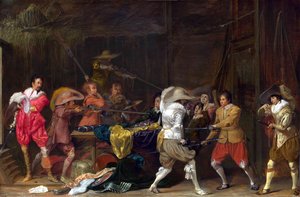
Willem Cornelisz Duyster
1599 - 1635 , Netherlands
Основные сведения
- Artistic Movement Or Style: Dutch Golden Age
- Artists Or Movements Influenced By This Artist: ['Gerard ter Borch the Younger']
- Artists Who Influenced This Artist: ['Jacob Jansz van Velsen']
- Date Of Birth: Amsterdam, Netherlands (1599)
- Date Of Death: 1635
- Full Name: willem cornelisz duyster
- Nationality: Dutch
- Notable Artworks:
- A Wedding Feast...
- Portrait of a Woman...
- Portrait of a Man...
- Place Of Birth: Amsterdam