

 Предпросмотр
 Поделиться
 Поделиться
 Детали произведения

 Скачать
 Похожие работы
 Рентгенография
 Слайд-шоу
 Статистика
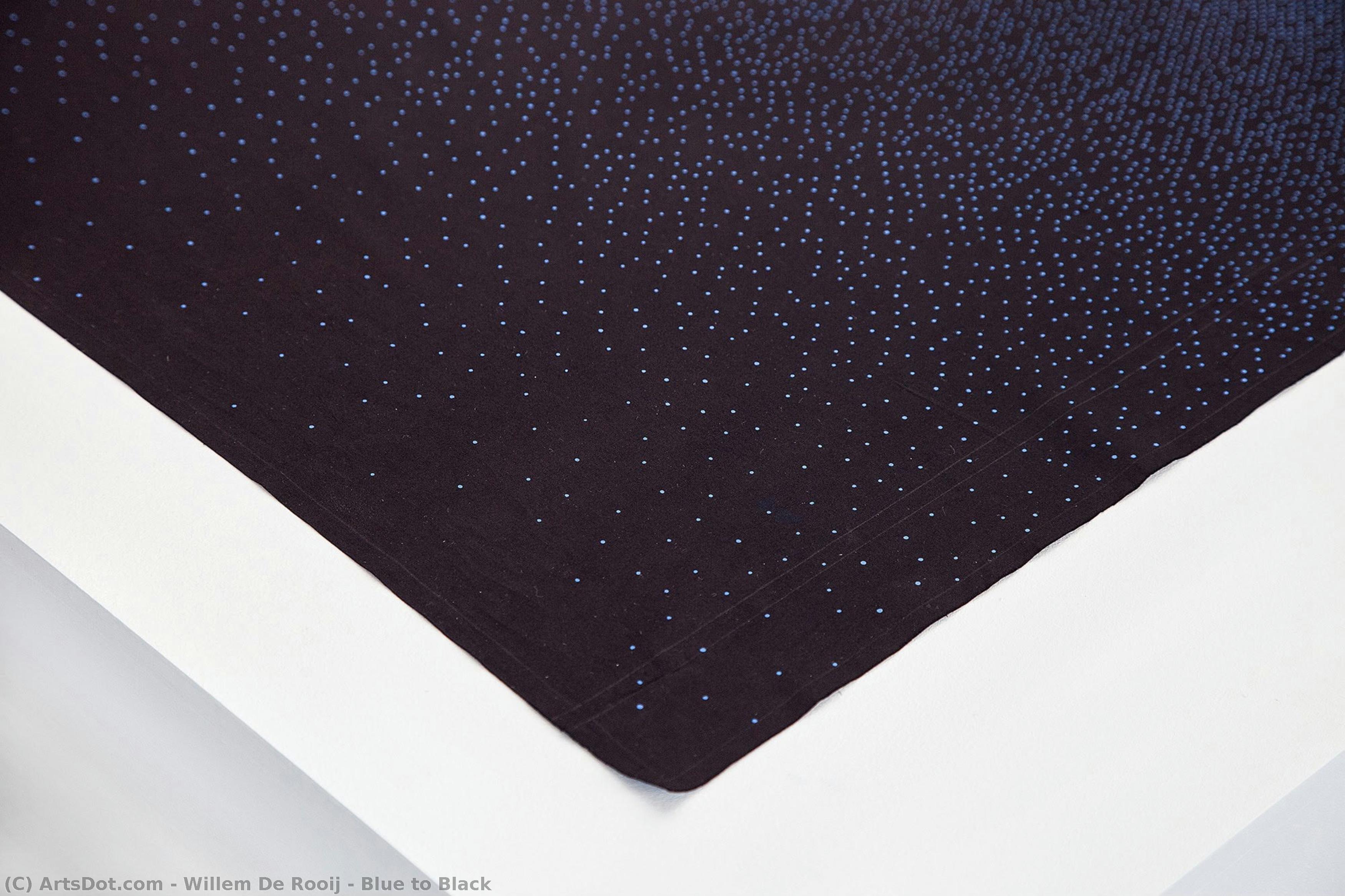
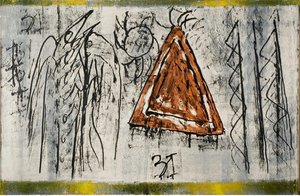
Blue to Black
 2012
2012 120.0 x 550.0 cm
 EVA International
 Читать далее
Масляная репродукция ручной работы
Картина маслом на холсте в выбранном вами размере и раме, написанная на заказ нашими художниками. ( Перейти к печати Перейти к цифровым изображениям)




































Выберите один из наших стандартных размеров, соответствующих оригинальным пропорциям произведения искусства.

Вы можете указать собственные размеры, чтобы картина идеально вписалась в выбранную раму или пространство. Если выбранный вами размер не соответствует пропорциям оригинала, мы либо обрежем полотно, либо расширим его за счет дополнительных элементов, написанных вручную. Цифровой макет будет отправлен вам на утверждение перед началом производства.
Обратите внимание, что предварительный просмотр на экране не отражает фактическую обрезку или расширение. Только макет точно покажет окончательную композицию.
Хотя доступны индивидуальные размеры, мы рекомендуем выбирать вариант из предопределенного списка, чтобы сохранить исходные пропорции.
После оформления заказа команда ArtsDot.com свяжется с клиентом по электронной почте для уточнения деталей и предоставит предварительный макет
Доставка по всему миру () за 3–4 недели вместо стандартных 5 недель. (13 Сентябрь). Без компромиссов в качестве.

Бесплатная экспресс-доставка по всему миру

Высококачественный льняной холст

Полное страхование доставки

Гарантия возмещения таможенных пошлин

Гарантия точного соответствия цветов

100-дневная политика возврата (только при обнаружении дефектов)

Гарантия возврата 100% средств

Предложение оптовых скидок
 Вариант со стеклом доступен только для размеров менее 110 см

Blue to Black
Техника репродукции
Размер репродукции
-


Итоговая стоимость
$ 263
Похожие произведения





Биография художника
Early Life and Artistic Foundations
Willem de Rooij emerged as a significant voice in contemporary art, born in 1969 in the Dutch town of Beverwijk. His upbringing within the Netherlands—a nation deeply intertwined with histories of reclamation, trade, and floral cultivation—profoundly shaped his artistic trajectory. This early environment instilled in him a complex relationship with nature, one that wasn’t rooted in idyllic pastoralism but rather an awareness of constructed landscapes and commodified beauty. De Rooij's formal education began with studies in Art History at the University of Amsterdam, followed by immersion in the practicalities of art-making at the Gerrit Rietveld Academie and later, a residency at the Rijksakademie—institutions that fostered both intellectual rigor and experimental practice. These formative years laid the groundwork for his distinctive approach: an investigation into the very mechanisms of image production, contextualization, and interpretation. He wasn’t simply interested in *what* images were, but *how* they came to be, how they circulated, and what meanings accrued through their various encounters with audiences and institutions.Collaboration and the Production of Meaning
A defining aspect of de Rooij's early career was his long-term collaboration with Jeroen de Rijke (1970–2006). Together, they challenged conventional notions of authorship and artistic agency. Their work wasn’t about imposing a singular vision but rather initiating a dialogue—a process of exchange that blurred the boundaries between creator and interpreter. This collaborative spirit extended beyond their partnership; De Rooij consistently engages with other practitioners – florists, weavers, writers, photographers – recognizing art as inherently discursive. The famed “Bouquets” series exemplifies this approach. Initiated during his collaboration with de Rijke, these sculptures aren’t merely arrangements of flowers but rather conceptual objects designed to test the malleability of meaning. Each bouquet is meticulously crafted in partnership with florists, becoming a site where cultural codes, aesthetic conventions, and personal narratives intersect. The ongoing “translation” of this series—its continuous evolution and adaptation—underscores De Rooij’s belief that art is never fixed but perpetually open to reinterpretation.Academic Pursuits and Institutional Engagement
Alongside his artistic practice, de Rooij has maintained a dedicated commitment to education. Since 1998, he has taught at various institutions, culminating in his position as Professor of Fine Art at the Staatliche Hochschule für Bildende Künste – Städelschule in Frankfurt am Main since 2006. This academic role isn’t viewed as separate from his art-making but rather as an extension of it—a space for critical discourse and intellectual exchange. He approaches teaching not as a didactic exercise but as a collaborative conversation, fostering independent thought and challenging established norms. His engagement with institutions extends beyond the classroom; he served as a member of the Supervisory Board of the Stedelijk Museum in Amsterdam from 2010 to 2018, actively shaping the landscape of contemporary art through curatorial decisions and policy initiatives. In 2016, he co-founded BPA// Berlin, a program designed to facilitate exchange between emerging and experienced artists, further solidifying his commitment to nurturing artistic communities.Major Achievements and Critical Recognition
De Rooij’s work has garnered significant critical acclaim throughout his career. He received the Bâloise Art Prize in 2000, followed by nominations for the prestigious Hugo Boss Award in 2004 and the Vincent Award in 2014. His representation of the Netherlands at the 2005 Venice Biennale—alongside Jeroen de Rijke—marked a pivotal moment, bringing their collaborative practice to an international audience. Solo exhibitions have been staged at prominent institutions worldwide, including the Gemäldegalerie der Akademie der bildenden Künste in Vienna, Portikus Frankfurt, and the Jewish Museum in New York. These exhibitions showcase the breadth of his artistic vision, encompassing film, installation, sculpture, and photography. His work is held in esteemed collections such as the Stedelijk Museum Amsterdam, MUMOK Vienna, Centre Pompidou Paris, and MoMA New York—testaments to its enduring significance within contemporary art discourse.Historical Significance and Lasting Impact
Willem de Rooij’s contribution to contemporary art lies in his profound interrogation of image production and the power dynamics inherent in visual culture. He doesn't offer definitive answers but rather poses challenging questions—questions about authorship, appropriation, collaboration, and the very nature of representation. His work has stimulated new research in art history and ethnography, prompting a re-evaluation of established narratives and methodologies. His emphasis on exchange and process challenges the traditional notion of the artist as a solitary genius, instead positioning art as a collaborative endeavor deeply embedded within social and political contexts. De Rooij’s legacy extends beyond his individual artworks; it resides in his ability to foster critical dialogue, inspire new generations of artists, and provoke a deeper understanding of the complex relationship between images, power, and meaning. He continues to work and teach in Berlin, pushing boundaries and challenging conventions with unwavering intellectual curiosity.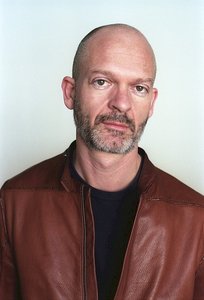
willem de rooij
1969 - , Netherlands
Основные сведения
- Artistic Movement Or Style: Contemporary art
- Current Status: Living
- Date Of Birth: 1969
- Education: Rietveld Academie
- Full Name: Willem de Rooij
- Nationality: Dutch
- Notable Artworks: ['Bouquets']
- Place Of Birth (City And Country): Beverwijk, Netherlands
- Professor Of Fine Art: Städelschule, Frankfurt