

 Предпросмотр
 Поделиться
 Поделиться
 Детали произведения

 Скачать
 Похожие работы
 Рентгенография
 Слайд-шоу
 Статистика
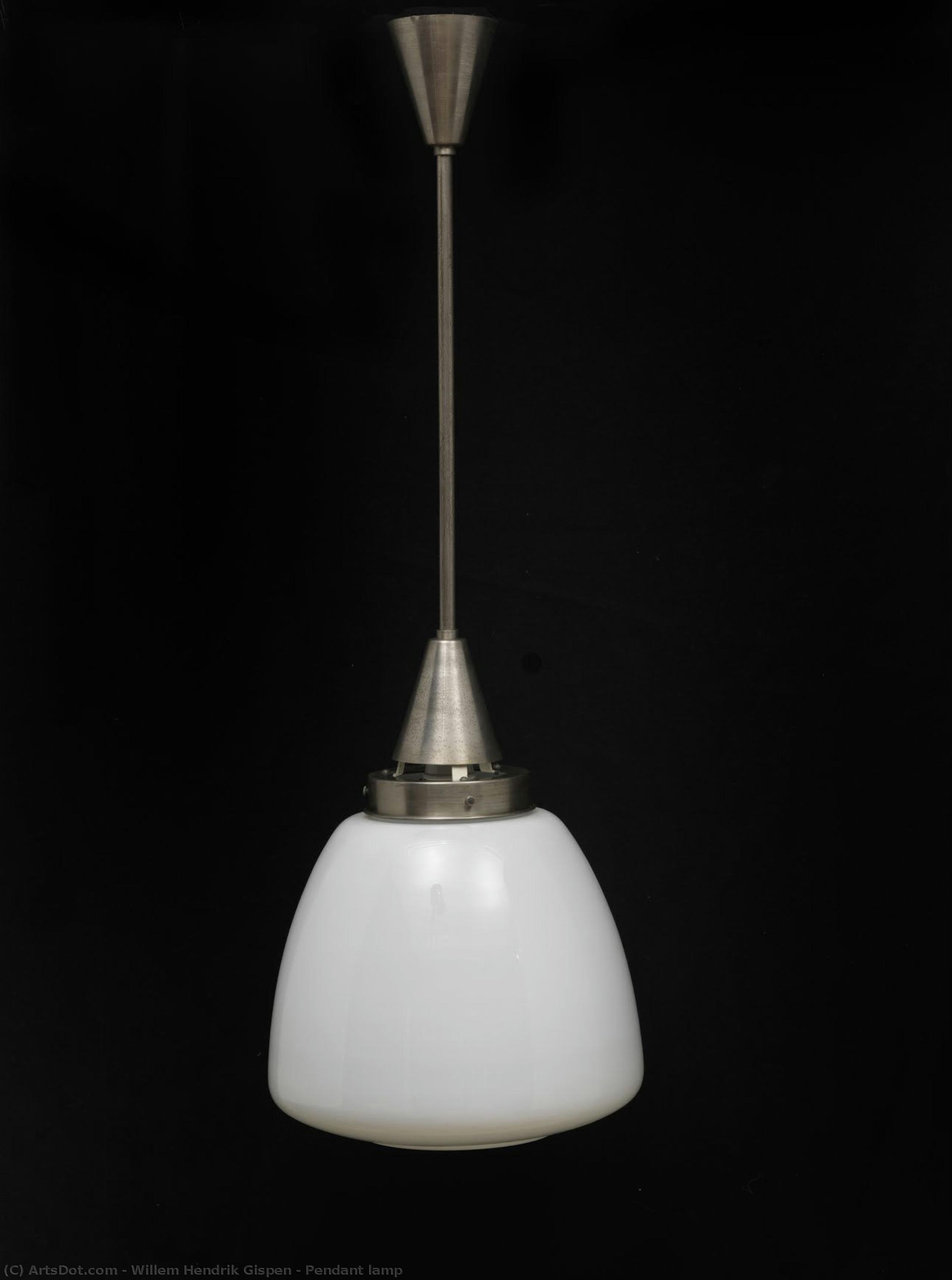
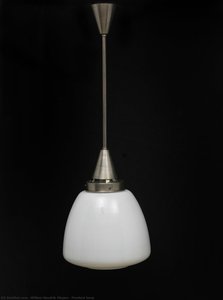
Pendant lamp
 1930
1930 95.0 x 30.0 cm
 NEMO Science Museum
 Читать далее
Масляная репродукция ручной работы
Картина маслом на холсте в выбранном вами размере и раме, написанная на заказ нашими художниками. ( Перейти к печати Перейти к цифровым изображениям)




































Выберите один из наших стандартных размеров, соответствующих оригинальным пропорциям произведения искусства.

Вы можете указать собственные размеры, чтобы картина идеально вписалась в выбранную раму или пространство. Если выбранный вами размер не соответствует пропорциям оригинала, мы либо обрежем полотно, либо расширим его за счет дополнительных элементов, написанных вручную. Цифровой макет будет отправлен вам на утверждение перед началом производства.
Обратите внимание, что предварительный просмотр на экране не отражает фактическую обрезку или расширение. Только макет точно покажет окончательную композицию.
Хотя доступны индивидуальные размеры, мы рекомендуем выбирать вариант из предопределенного списка, чтобы сохранить исходные пропорции.
После оформления заказа команда ArtsDot.com свяжется с клиентом по электронной почте для уточнения деталей и предоставит предварительный макет
Доставка по всему миру () за 3–4 недели вместо стандартных 5 недель. (11 Сентябрь). Без компромиссов в качестве.

Бесплатная экспресс-доставка по всему миру

Высококачественный льняной холст

Полное страхование доставки

Гарантия возмещения таможенных пошлин

Гарантия точного соответствия цветов

100-дневная политика возврата (только при обнаружении дефектов)

Гарантия возврата 100% средств

Предложение оптовых скидок
 Вариант со стеклом доступен только для размеров менее 110 см

Pendant lamp
Техника репродукции
Размер репродукции
-


Итоговая стоимость
$ 263
Похожие произведения







Биография художника
The Architect of Light and Form
Willem Hendrik Gispen was a man whose life unfolded at the intersection of industrial precision and profound scientific curiosity. Born in Amsterdam in 1890, he emerged from a prominent ministerial family to become a singular figure in Dutch design history—a pioneer who bridged the gap between the tactile warmth of traditional craftsmanship and the sleek, uncompromising efficiency of the modern age. His journey began not with metal or glass, but with the structured discipline of architecture, studied at the Academy of Fine Arts and Technical Sciences in Rotterdam. This foundational training instilled in him a lifelong reverence for geometric precision and a meticulous attention to detail that would eventually define the very essence of the functionalist movement.
The year 1916 marked a pivotal transformation in his trajectory when he acquired a small blacksmith’s workshop. What began as a modest endeavor in decorative metalwork, heavily influenced by the expressive curves of the Amsterdam School, soon evolved into the renowned Gispen voor Metaalbewerking N.V. As his technical mastery grew, so did his ambition to strip away the superfluous. He became a central protagonist in the international avant-garde, finding profound inspiration in the radical simplicity of De Stijl and the structural innovations of luminaries such as Ludwig Mies van der Rohe, Gerrit Rietveld, and Mart Stam. Through his hands, the cold rigidity of tubular steel was transformed into something poetic, creating a new visual language for the twentieth century.
The Radiance of Giso and the Steel Revolution
Perhaps nowhere is Gispen’s genius more luminous than in his creation of the iconic Giso lamps. These were not merely light sources but sculptural triumphs of industrial design. Utilizing nickel-plated steel and innovative glass techniques, such as the crystal glass bulbs designed to minimize glare while maximizing brilliance, Gispen mastered the art of controlled radiance. His pendant lamps, which once graced prestigious institutions like the KEMA inspection institute, epitomized an era where light was treated with both scientific rigor and aesthetic grace. Each piece reflected a commitment to functionalism—the belief that beauty is found in the perfect execution of purpose.
This philosophy extended seamlessly into his furniture design, where he revolutionized the use of mass-produced steel-tube elements. His work moved away from the heavy, ornate aesthetics of the past toward a streamlined, airy elegance that defined the modern interior. The Model 412 armchair remains one of his most enduring legacies, standing as a testament to his ability to marry industrial durability with an inviting, ergonomic form. By experimenting with materials that were previously reserved for industry, Gispen helped democratize high design, bringing the sophisticated aesthetics of the modernist movement into the broader fabric of daily life.
A Legacy of Dual Discovery
While history often remembers him through the lens of industrial design, the true depth of Gispen’s intellect lay in his refusal to be confined to a single discipline. Alongside his celebrated career in metalwork and furniture, he pursued a rigorous scientific path that demonstrated an unwavering commitment to human advancement. His profound research into orthopoxviruses—specifically his groundbreaking discovery regarding "silent monkeypox virus infections"—showcased a mind capable of navigating the microscopic complexities of immunology with the same clarity he applied to architectural lines. This rare duality of artistic vision and scientific inquiry allowed him to approach the world as a unified whole, where the structure of a molecule and the structure of a chair were both subjects of intense, disciplined study.
As his career progressed, Gispen’s influence rippled through the decades, leaving an indelible mark on the Dutch landscape. Even after leaving his namesake firm in 1949 to work with other manufacturers like Kembo, his presence remained felt in the very fabric of modernism. His life, which concluded in The Hague in 1981, serves as a profound reminder that true innovation occurs when we allow the boundaries between art and science to dissolve. Today, his works are not merely museum pieces but enduring symbols of an era that dared to imagine a future built on the principles of clarity, efficiency, and unadorned beauty.
willem hendrik gispen
1890 - 1981 , Netherlands
Основные сведения
- Artistic Movement Or Style: Functionalism
- Artists Or Movements Influenced By This Artist: ['International Style']
- Artists Who Influenced This Artist:
- Ludwig Mies van der Rohe
- Gerrit Rietveld
- Date Of Birth: December 7, 1890
- Date Of Death: May 10, 1981
- Full Name: Willem Hendrik Gispen
- Nationality: Dutch
- Notable Artworks: ['Pendant lamp']
- Place Of Birth: Amsterdam, Netherlands