


 Предпросмотр
 Поделиться
 Поделиться
 Детали произведения

 Скачать
 Похожие работы
 Рентгенография
 Слайд-шоу
 Статистика
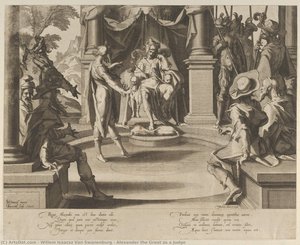
Allegory of Justice Depicting a Street Scene with a Shepherd Giving Paper to a Judge, Who Rejects It
 Engraving
- WallArt
- Baroque Romanticism
 1605
1605- Modern
 30.0 x 37.0 cm
 Музей Метрополитен
 Читать далее
Приобретите цифровое изображение высокого разрешения в улучшенном качестве, которое значительно превосходит онлайн-превью.
Каждый файл тщательно подготавливается нашими специалистами с использованием передовых инструментов и экспертной ручной ретуши. Мы гарантируем исключительную четкость, точную цветопередачу и детальную проработку каждого изображения.
Финальный файл доставляется по электронной почте в течение 72 часов и оптимизирован для немедленного использования в профессиональной среде, при верстке и печати. Это тот же уровень качества, которому доверяют ведущие дизайнерские студии, издательства и галереи.
Цифровое изображение
Скачайте файл высокого разрешения для личного использования, печати и творческих проектов. ( Перейти к печати Купить картину ручной работы)
Включено в каждый заказ цифровых изображений
Гарантия экспертной цифровой доставки
Выбирая ArtsDot.com, вы получаете не просто изображение — вы приобретаете профессионально обработанное цифровое произведение искусства, созданное с безупречной точностью и под защитой гарантии качества. Вот всё, что автоматически входит в ваш заказ:

Мгновенная доставка по e-mail
Ваш цифровой файл в высоком разрешении будет отправлен вам по электронной почте в течение 72 часов после оформления заказа — и сразу станет доступен для использования.

Цифровой файл с ИИ-улучшением
Ваше произведение искусства проходит профессиональную оптимизацию с использованием передовых инструментов ИИ и ручной обработки, что гарантирует максимальную детализацию, четкость и точность цветопередачи.

Бессрочная бесплатная повторная доставка
Случайно удалили или потеряли файл? Не беспокойтесь — мы отправим его вам повторно в любое время и совершенно бесплатно.

Без импортных пошлин — навсегда
Наслаждайтесь вашим произведением искусства мгновенно без таможенных пошлин, сборов или затрат на доставку — цифровые загрузки всегда не облагаются налогом.

Гарантия точности цветопередачи
Мы гарантируем, что ваше цифровое изображение максимально точно передает оригинальные цвета благодаря использованию профессиональных инструментов и систем управления цветом.

Гарантия удовлетворенности 100 дней
Если вы не будете удовлетворены своим цифровым изображением, мы внесем правки или вернем 100% стоимости в течение 100 дней — без лишних вопросов.

100% Гарантия возврата средств
Не удовлетворены покупкой? Получите полный возврат средств в течение 100 дней после получения цифрового файла — без лишних вопросов.

Скидки на оптовые заказы
Купите 3 изображения, сэкономьте 10% — Купите 5, сэкономьте 15% — Купите 10+, сэкономьте 20%. Отличное решение для творческих проектов, галерей и агентств.
The Genesis of a Revolutionary Image
Willem Isaacsz. van Swanenburg’s “Allegory of Justice Depicting a Street Scene with a Shepherd Giving Paper to a Judge, Who Rejects It,” created in 1605, isn't merely a historical print; it’s a visceral embodiment of moral struggle and societal critique. Born into an artistic lineage steeped in the legacy of Frans Floris, Swanenburg inherited not just talent but also a deep understanding of narrative power – a skill he honed during his time in Italy before returning to his native Leiden. This particular engraving, commissioned for the “Thronus Justitiae” series, immediately grabs the viewer with its dynamic composition and unsettling subject matter. It’s a departure from the idealized depictions of justice common at the time, opting instead for a gritty realism that reflects the complexities and potential corruption within the legal system.
The scene unfolds in a bustling streetscape – a deliberate choice by Swanenburg. The figures are not presented as detached moral actors but as participants within a tangible world, complete with horses and the everyday details of urban life. A shepherd, representing perhaps the common people or the source of truth, offers a sheet of paper to a judge, an emblem of authority. However, the judge’s rejection is crucial; it signifies a dismissal of this truth, suggesting that justice itself may be compromised by power and self-interest.
Baroque Drama: Technique and Composition
Swanenburg's masterful execution lies in his ability to convey profound meaning through meticulous detail. The engraving utilizes a complex system of hatching and cross-hatching – a hallmark of the Baroque style – to create a remarkable sense of depth, texture, and light. Notice how the artist skillfully manipulates shadow to emphasize key figures and actions, drawing our attention to the pivotal moment of rejection. The composition itself is carefully constructed; the diagonal lines created by the figures’ postures and the street's layout contribute to a feeling of movement and instability, mirroring the precariousness of justice itself. The use of black ink on laid paper adds to the print’s aged appearance, lending it an air of historical weight.
A Window into 17th-Century Morality
To fully appreciate “Allegory of Justice,” one must consider its historical context. The early 17th century was a period of significant social and political upheaval in Europe, marked by religious conflict, economic instability, and growing skepticism towards established institutions. The concept of justice was frequently challenged, and artists like Swanenburg used their work to explore these tensions. This engraving can be interpreted as a commentary on the abuses of power within the legal system – a critique of corruption and the potential for injustice to prevail. The shepherd’s offering represents an alternative source of truth, while the judge's rejection highlights the obstacles faced by those seeking to uphold moral principles.
Symbolism and Emotional Resonance
Beyond its immediate narrative, the engraving is rich in symbolic meaning. The street scene itself can be seen as a microcosm of society, reflecting the complexities and contradictions inherent in human relationships. The judge’s rejection isn't simply a denial of truth; it represents a failure to heed the wisdom of the common people. The overall mood of the print is one of unease and disillusionment – a subtle but powerful reminder that justice is not always served, and that vigilance is required to safeguard its principles. The image continues to resonate today, prompting viewers to question the nature of authority and the pursuit of fairness in our own societies. It’s a potent visual statement on the enduring struggle between truth and power.
Похожие произведения
Биография художника
A Legacy Etched in Light and Line
The story of Willem Isaacsz. van Swanenburg is one of profound artistic lineage and the delicate interplay between Northern precision and Southern grandeur. Born into a family where the very air of Leiden breathed creativity, Willem was part of a distinguished dynasty of creators. His father, Isaac Claesz. van Swanengburg, was a master of design and monumental works, providing a foundation of technical excellence that would define Willem's early years. Growing up in an environment steeped in the Arminian faith and the intellectual fervor of the Dutch Golden Age, Willem’s development was not merely a matter of skill, but a spiritual and cultural immersion into the textures of his era.
While his brother Jacob achieved renown as a history painter, Willem carved his own niche within the intricate world of printmaking. His work serves as a vital bridge between the meticulous traditions of the Netherlands and the dramatic, emotive influences of the Italian Renaissance. Through his engravings, he captured the essence of an age caught between the structured devotion of the Reformation and the burgeoning theatricality of the Baroque movement.
The Italian Influence and Stylistic Evolution
The trajectory of Willem’s artistry was irrevocably altered by his exposure to the vibrant artistic currents flowing through Italy. The journey to Venice allowed him to witness firsthand the mastery of Venetian Mannerism, a style defined by its use of dramatic lighting and expressive, fluid brushstrokes. This encounter with the legacy of masters like Tintoretto infused his engravings with a sense of movement and atmospheric depth that was rare in the more rigid Northern traditions. As he moved toward Rome, the weight of classical antiquity and the monumental techniques of the Italian masters began to settle into his line work.
This synthesis of styles allowed him to approach subject matter with a unique duality. He possessed the Dutch capacity for minute, almost microscopic detail—essential for the scholarly and biblical themes of the time—yet he imbued these scenes with a sense of classical drama. His ability to manipulate light and shadow through the medium of engraving created a sense of volume and presence, making his black and white prints feel as though they possessed the weight of oil paintings.
Masterworks and Historical Significance
Willem’s oeuvre is characterized by its remarkable versatility, ranging from the scholarly to the mythological. His engravings often served as windows into the intellectual life of the 17th century, capturing both the grandeur of historical figures and the quiet dignity of academic institutions. Some of his most notable contributions include:
- Alexander the Great as a Judge: A breathtaking Baroque engraving that showcases his ability to depict historical gravity through intricate detail and a commanding composition.
- University Library Leiden: A stunning testament to his skill in architectural rendering, where his fine line work celebrates the scholarly pursuits and the structural beauty of one of Holland's most prestigious institutions.
- Janus Hautenus: A masterful example of classical portraiture, utilizing symbolic elements and precise engraving techniques to evoke the character and complexity of his subject.
Beyond his individual compositions, Willem van Swanenburg holds a unique place in art history due to his connection to the next generation of masters. His role as an early teacher to Rembrandt suggests that the seeds of the Dutch Golden Age's greatest light-master were sown within the technical rigor and atmospheric experimentation practiced by artists like Willem. Though his life was part of a broader family tapestry, his individual contribution remains a vital chapter in the evolution of European printmaking, preserving the fleeting shadows and enduring truths of the 17th century.
willem isaacsz van swanenburg
1571 - 1638 , Netherlands
Основные сведения
- Artistic Movement Or Style: Dutch Golden Age engraving
- Artists Or Movements Influenced By This Artist: ['Rembrandt']
- Artists Who Influenced This Artist: ['Frans Floris']
- Date Of Birth: January 29, 1580
- Full Name: Jacob Isaacsz. van Swanenburg
- Nationality: Dutch
- Notable Artworks:
- Anatomical Theatre Leiden
- Ernst Casimir of Nassau-Dietz
- Lot and His Daughters
- Place Of Birth: Leiden, Netherlands