

 Предпросмотр
 Поделиться
 Поделиться
 Детали произведения

 Скачать
 Похожие работы
 Рентгенография
 Слайд-шоу
 Статистика
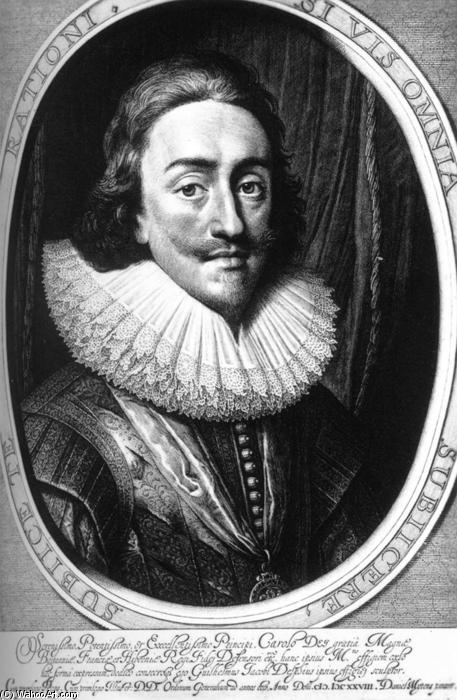
Portrait of Charles I
 Oil On Canvas
- WallArt
- Baroque Portraiture
 1628
1628 418.0 x 297.0 cm
 Рейксмюзеум
 Читать далее
Приобретите цифровое изображение высокого разрешения в улучшенном качестве, которое значительно превосходит онлайн-превью.
Каждый файл тщательно подготавливается нашими специалистами с использованием передовых инструментов и экспертной ручной ретуши. Мы гарантируем исключительную четкость, точную цветопередачу и детальную проработку каждого изображения.
Финальный файл доставляется по электронной почте в течение 72 часов и оптимизирован для немедленного использования в профессиональной среде, при верстке и печати. Это тот же уровень качества, которому доверяют ведущие дизайнерские студии, издательства и галереи.
Цифровое изображение
Скачайте файл высокого разрешения для личного использования, печати и творческих проектов. ( Перейти к печати Купить картину ручной работы)
Включено в каждый заказ цифровых изображений
Гарантия экспертной цифровой доставки
Выбирая ArtsDot.com, вы получаете не просто изображение — вы приобретаете профессионально обработанное цифровое произведение искусства, созданное с безупречной точностью и под защитой гарантии качества. Вот всё, что автоматически входит в ваш заказ:

Мгновенная доставка по e-mail
Ваш цифровой файл в высоком разрешении будет отправлен вам по электронной почте в течение 72 часов после оформления заказа — и сразу станет доступен для использования.

Цифровой файл с ИИ-улучшением
Ваше произведение искусства проходит профессиональную оптимизацию с использованием передовых инструментов ИИ и ручной обработки, что гарантирует максимальную детализацию, четкость и точность цветопередачи.

Бессрочная бесплатная повторная доставка
Случайно удалили или потеряли файл? Не беспокойтесь — мы отправим его вам повторно в любое время и совершенно бесплатно.

Без импортных пошлин — навсегда
Наслаждайтесь вашим произведением искусства мгновенно без таможенных пошлин, сборов или затрат на доставку — цифровые загрузки всегда не облагаются налогом.

Гарантия точности цветопередачи
Мы гарантируем, что ваше цифровое изображение максимально точно передает оригинальные цвета благодаря использованию профессиональных инструментов и систем управления цветом.

Гарантия удовлетворенности 100 дней
Если вы не будете удовлетворены своим цифровым изображением, мы внесем правки или вернем 100% стоимости в течение 100 дней — без лишних вопросов.

100% Гарантия возврата средств
Не удовлетворены покупкой? Получите полный возврат средств в течение 100 дней после получения цифрового файла — без лишних вопросов.

Скидки на оптовые заказы
Купите 3 изображения, сэкономьте 10% — Купите 5, сэкономьте 15% — Купите 10+, сэкономьте 20%. Отличное решение для творческих проектов, галерей и агентств.
Portrait of Charles I: A Regal Study in Baroque Power
The Portrait of Charles I, masterfully executed by Willem Jacobsz Delff around 1628, is more than just a likeness; it’s a carefully constructed statement of power, dignity, and the weighty responsibilities of monarchy. This arresting image, now housed within a substantial frame measuring an impressive 418 x 297 cm, offers a profound glimpse into the character of King Charles I during a pivotal era in English history – a time of burgeoning political tension and ultimately, civil war. Delff’s skill lies not merely in his ability to capture a physical form, but in his astute understanding of how visual cues can convey personality and authority.
The painting immediately draws the eye to Charles I himself, positioned centrally within the oval frame. His expression is one of measured solemnity – a deliberate restraint that speaks volumes about the burdens he carried as king. The artist employs a classic Baroque technique, utilizing strong directional lighting to sculpt the contours of his face and clothing, creating a dramatic interplay of light and shadow that adds depth and realism. Notice how the folds of his doublet are rendered with meticulous detail, suggesting both wealth and the formality expected of royalty. The lace collar, a hallmark of the period, is particularly striking – its intricate patterns hinting at the luxurious lifestyle enjoyed by the court.
A Masterclass in Renaissance Portraiture
Delff’s approach firmly roots this portrait within the traditions of Renaissance and early Baroque painting. The composition echoes the works of artists like Titian and Anthony van Dyck, both renowned for their ability to imbue portraits with psychological depth. The use of a dark curtain as a backdrop is a common device in portraiture during this period, serving not only to define the subject but also to create a sense of space and drama. The muted tones of the drapery – primarily deep blacks and grays – provide a sophisticated counterpoint to the richness of Charles’s attire.
The artist's attention to detail is remarkable. From the subtle texture of his skin to the precise rendering of his beard, every element contributes to the overall sense of realism. Delff skillfully utilizes linear perspective to create a believable three-dimensional space, drawing the viewer into the scene and encouraging them to contemplate the subject’s presence. The portrait's dimensions – 418 x 297 cm – were likely chosen to ensure that it would be displayed prominently, commanding attention within any setting.
Historical Context and Symbolic Weight
To fully appreciate this portrait, one must consider its historical context. Painted in 1628, during the early years of Charles I’s reign, it reflects a period of significant political upheaval. The king faced numerous challenges, including religious divisions, financial difficulties, and growing opposition from Parliament. The portrait itself can be interpreted as a deliberate attempt to project an image of strength and stability – qualities that were desperately needed at a time when the monarchy was under increasing pressure.
The inclusion of the Garter sash, a symbol of the Order of the Garter (one of the most prestigious chivalric orders in England), further reinforces Charles’s status as a noble warrior and ruler. The overall effect is one of regal authority, carefully crafted to convey the image of a powerful and respected sovereign. The portrait serves as a visual testament to the complexities of Charles I's reign – a period marked by both triumph and tragedy.
A Timeless Portrait for Collectors
Reproductions of this iconic portrait offer an exceptional opportunity to bring a piece of English history into your home or office. The meticulous detail and dramatic composition of Delff’s work ensure that any reproduction will be a striking addition to any collection. Whether you are drawn to the painting's historical significance, its artistic merit, or simply its evocative power, this portrait remains a timeless masterpiece – a captivating window into the world of 17th-century England.
Похожие произведения
Биография художника
A Delft Master of Baroque Portraiture
Willem Jacobsz Delff, whose life spanned the vibrant years between 1580 and 1638, remains a luminous figure within the tapestry of the Dutch Golden Age. To encounter his work is to step into an era where portraiture transcended mere likeness; it became a carefully orchestrated performance of status, emotion, and enduring dignity. Born in Delft, this artistic crucible nurtured a talent that was both technically brilliant and deeply resonant with human experience.
His early life was steeped in the very atmosphere of artistic patronage. He did not emerge into art as an isolated genius, but rather as part of a vibrant, creative lineage. The shadow and guidance of his father, Jacob Willemsz. Delff I—a respected portraitist in Delft—provided him with an invaluable apprenticeship in capturing the subtle nuances of familial connection and individual character. This immersion within a family steeped in artistic endeavor, further bolstered by the talents of his brothers, established a profound foundation for his own mastery.
The Craftsmanship of Line and Light
Delff’s early professional renown was built upon an extraordinary command of engraving. He possessed a gift for translating the richness of oil paint into the stark, precise beauty of monochrome print. These engravings reveal a meticulous eye, capable of rendering texture—be it velvet, lace, or polished metal—with astonishing fidelity. Yet, while his prints speak to his technical prowess as a draftsman, it is his paintings that truly capture the sweep of his artistic ambition.
His mature style is undeniably marked by the grandeur and drama inherent in Baroque art. Delff understood how light could sculpt a sitter’s face, how deep shadows could suggest untold narratives, and how opulent composition could elevate a mere portrait into an emblem of power. Whether depicting members of royalty or the affluent merchant class, his subjects are never simply observed; they are presented under a spotlight of historical significance.
Capturing Nobility and Psychological Depth
The subject matter that most defines Delff’s legacy is the portrayal of the elite—the nobility and those who held significant sway in Dutch society. His portraits are not merely flattering records; they are psychological studies veiled in finery. He had a remarkable ability to imbue his sitters with an aura of inherent dignity, making the viewer feel privy to a moment of quiet, powerful contemplation.
The symbolism woven into these works is subtle but pervasive.
A particular glance might suggest political acumen; the richness of the fabrics speaks to accumulated wealth. Delff mastered the art of suggestion, allowing the sitter’s own bearing and the artist's masterful handling of light to do much of the narrative heavy lifting for him. His commitment to realism never sacrificed the necessary theatricality required by the Baroque aesthetic.
Historical Resonance and Enduring Legacy
Willem Jacobsz Delff stands as a vital bridge between the intimate portraiture traditions of his father and the grand, dramatic statements of high Baroque art. His career serves as a testament to the enduring power of the family workshop in sustaining artistic excellence during periods of intense cultural flourishing. Though he passed away in 1638, his contribution to the visual record of the Dutch Golden Age remains indelible.
For the modern admirer of art,
exploring Delff’s oeuvre is an invitation into a world where technical mastery meets profound human observation. His work invites us not just to admire the paint, but to contemplate the weight of history held within a single, exquisitely rendered gaze.
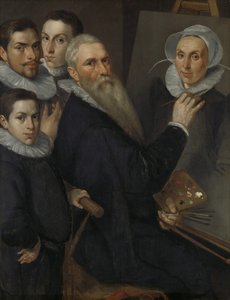
Willem Jacobsz Delff
1580 - 1638 , Netherlands
Основные сведения
- Artistic Movement Or Style: Baroque Portraiture
- Artists Who Influenced This Artist: ['Jacob Willemsz Delff I']
- Date Of Birth: 1580
- Date Of Death: 1638
- Full Name: Willem Jacobsz Delff
- Nationality: Dutch
- Notable Artworks: ['Family portrait']
- Place Of Birth: Delft, Netherlands