

 Предпросмотр
 Поделиться
 Поделиться
 Детали произведения

 Скачать
 Похожие работы
 Рентгенография
 Слайд-шоу
 Статистика
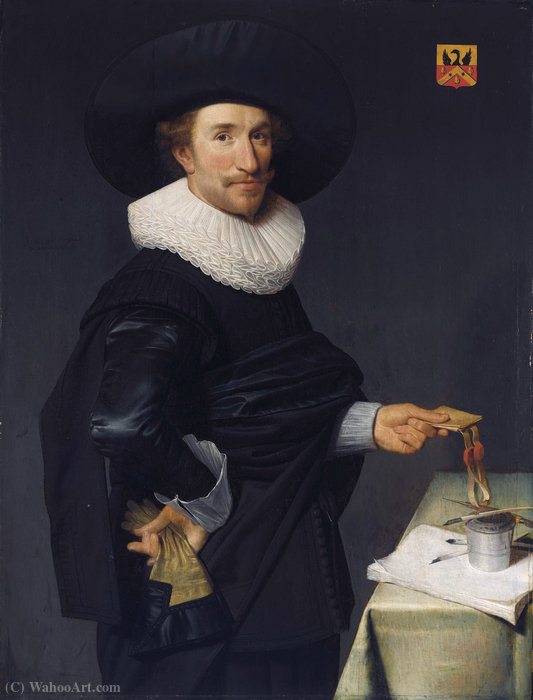
Reyersz. de Langue
 Читать далее
Масляная репродукция ручной работы
Картина маслом на холсте в выбранном вами размере и раме, написанная на заказ нашими художниками. ( Перейти к печати Перейти к цифровым изображениям)




































Выберите один из наших стандартных размеров, соответствующих оригинальным пропорциям произведения искусства.

Вы можете указать собственные размеры, чтобы картина идеально вписалась в выбранную раму или пространство. Если выбранный вами размер не соответствует пропорциям оригинала, мы либо обрежем полотно, либо расширим его за счет дополнительных элементов, написанных вручную. Цифровой макет будет отправлен вам на утверждение перед началом производства.
Обратите внимание, что предварительный просмотр на экране не отражает фактическую обрезку или расширение. Только макет точно покажет окончательную композицию.
Хотя доступны индивидуальные размеры, мы рекомендуем выбирать вариант из предопределенного списка, чтобы сохранить исходные пропорции.
После оформления заказа команда ArtsDot.com свяжется с клиентом по электронной почте для уточнения деталей и предоставит предварительный макет
Доставка по всему миру () за 3–4 недели вместо стандартных 5 недель. (12 Сентябрь). Без компромиссов в качестве.

Бесплатная экспресс-доставка по всему миру

Высококачественный льняной холст

Полное страхование доставки

Гарантия возмещения таможенных пошлин

Гарантия точного соответствия цветов

100-дневная политика возврата (только при обнаружении дефектов)

Гарантия возврата 100% средств

Предложение оптовых скидок
 Вариант со стеклом доступен только для размеров менее 110 см

Reyersz. de Langue
Техника репродукции
Размер репродукции
-


Итоговая стоимость
$ 263
Похожие произведения







Биография художника
The Master of Delft: The Life and Legacy of Willem van der Vliet
Willem van der Vliet was a painter whose brush captured the very essence of the Dutch Golden Age, an era defined by unparalleled cultural flourishing and artistic innovation. Born in the historic city of Delft around 1584, Van der Vliet lived and breathed the atmosphere of a Netherlands finding its voice on the global stage. His life, which concluded in his beloved birthplace in 1642, was deeply intertwined with the artistic traditions of his region. While history sometimes places him in the shadow of more famous contemporaries, his contributions to the genres of historical allegory and portraiture remain a testament to his technical mastery and his ability to weave complex narratives through paint. The foundations of Van der Vliet’s artistry were laid through a lineage of mentorship and familial connection. He served as a mentor to his nephew, Hendrick Cornelisz. van Vliet, an artist who would later become renowned for his architectural perspectives. This relationship suggests a workshop environment where the principles of spatial depth and structural accuracy were passed down with great care. Through this lineage, one can trace the influence of masters like Michiel Jansz van Mierevelt, whose expertise in portraiture likely informed the refined manner in which Willem approached the human face and the social standing of his subjects.A Symphony of Light and Perspective
To encounter a work by Van der Vliet is to experience a profound command over the illusion of space. He was a master of architectural perspective, utilizing linear techniques to construct environments that felt remarkably tangible. His ability to render buildings and landscapes with such precision allowed him to create more than just scenery; he built stages for moral and allegorical dramas. These compositions were never merely decorative; they were carefully staged scenes designed to transport the viewer into a world where grandeur and meaning coexisted. This sense of depth was further heightened by his sophisticated use of chiaroscuro. Van der Vliet possessed a rare ability to manipulate dramatic lighting, using sharp contrasts between light and shadow to carve figures out of the darkness. In his portraits, this technique served a dual purpose: it provided a structural weight to the subjects, giving them a palpable presence, and it highlighted the luxurious textures of the era—the soft sheen of leather, the crispness of a linen collar, or the heavy warmth of fur. This interplay of light and shadow did not just illuminate the canvas; it breathed life into the very fabric of his subjects' identities.The Soul of the Dutch Golden Age
Beyond the technical brilliance of his brushwork, Van der Vliet’s work serves as a vital historical window into the social fabric of seventeenth-century Delft. His portraits were potent instruments of status and self-assurance. When he painted a man seated in an ornate chair, draped in dark, expensive attire, he was recording much more than a likeness; he was documenting the mercantile success and the quiet authority of a rising class of Dutch citizens. Every fold of fabric and every carefully placed shadow spoke to the wealth and dignity of the era. The historical significance of Willem van der Vliet lies in his role as a bridge between the rigid traditions of the past and the expressive innovations of the Golden Age. His works, ranging from intimate portraits like Portrait of a Man to complex allegories, continue to captivate art historians by offering a glimpse into a period of immense transformation. Through his meticulous attention to detail and his mastery of light, Van der Vliet ensured that the spirit of Delft would endure, leaving behind a legacy of evocative beauty that remains as striking today as it was in the seventeenth century.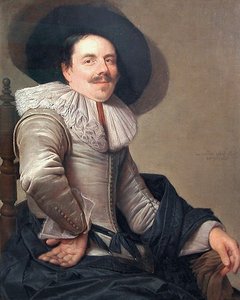
Willem van der Vliet
1584 - 1642 , Netherlands
Основные сведения
- Artistic Movement Or Style: Golden Age Art
- Artists Or Movements Influenced By This Artist: ['Hugo van der Goes']
- Artists Who Influenced This Artist: ['Michiel van Mierevelt']
- Date Of Birth: ca. 1584
- Date Of Death: 1642
- Full Name: Willem van der Vliet
- Nationality: Dutch
- Notable Artworks:
- Portrait of a Man
- An Allegory
- Portrait of an Unknown Boy
- Place Of Birth: Delft, Netherlands