

 Предпросмотр
 Поделиться
 Поделиться
 Детали произведения

 Скачать
 Похожие работы
 Рентгенография
 Слайд-шоу
 Статистика
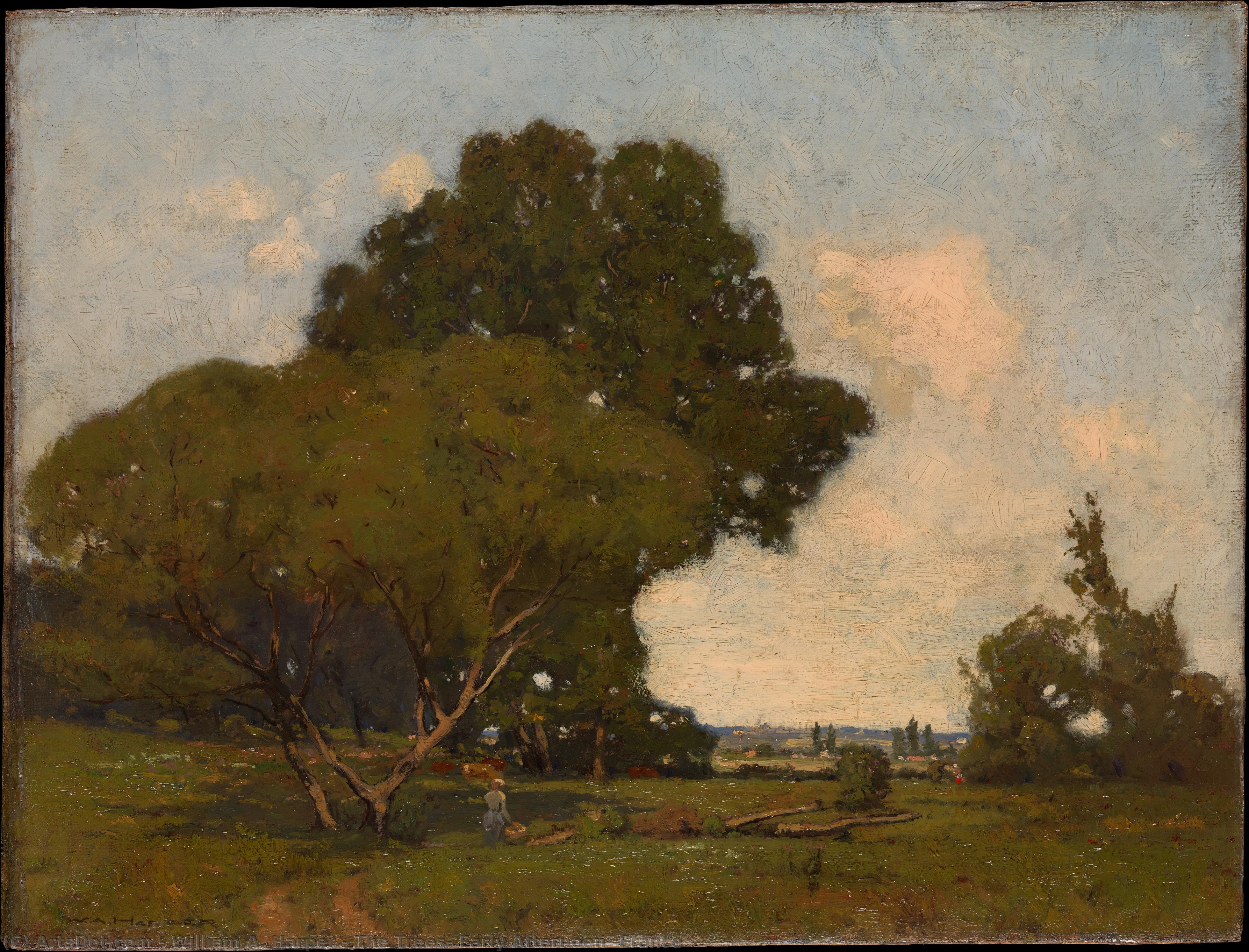
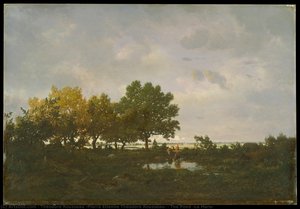
The Trees, Early Afternoon, France
 Oil On Canvas
- WallArt
- French Barbizon Impressionism
 1905
1905- 19th Century
 51.0 x 66.0 cm
 Музей Метрополитен
 Читать далее
Приобретите цифровое изображение высокого разрешения в улучшенном качестве, которое значительно превосходит онлайн-превью.
Каждый файл тщательно подготавливается нашими специалистами с использованием передовых инструментов и экспертной ручной ретуши. Мы гарантируем исключительную четкость, точную цветопередачу и детальную проработку каждого изображения.
Финальный файл доставляется по электронной почте в течение 72 часов и оптимизирован для немедленного использования в профессиональной среде, при верстке и печати. Это тот же уровень качества, которому доверяют ведущие дизайнерские студии, издательства и галереи.
Цифровое изображение
Скачайте файл высокого разрешения для личного использования, печати и творческих проектов. ( Перейти к печати Купить картину ручной работы)
Включено в каждый заказ цифровых изображений
Гарантия экспертной цифровой доставки
Выбирая ArtsDot.com, вы получаете не просто изображение — вы приобретаете профессионально обработанное цифровое произведение искусства, созданное с безупречной точностью и под защитой гарантии качества. Вот всё, что автоматически входит в ваш заказ:

Мгновенная доставка по e-mail
Ваш цифровой файл в высоком разрешении будет отправлен вам по электронной почте в течение 72 часов после оформления заказа — и сразу станет доступен для использования.

Цифровой файл с ИИ-улучшением
Ваше произведение искусства проходит профессиональную оптимизацию с использованием передовых инструментов ИИ и ручной обработки, что гарантирует максимальную детализацию, четкость и точность цветопередачи.

Бессрочная бесплатная повторная доставка
Случайно удалили или потеряли файл? Не беспокойтесь — мы отправим его вам повторно в любое время и совершенно бесплатно.

Без импортных пошлин — навсегда
Наслаждайтесь вашим произведением искусства мгновенно без таможенных пошлин, сборов или затрат на доставку — цифровые загрузки всегда не облагаются налогом.

Гарантия точности цветопередачи
Мы гарантируем, что ваше цифровое изображение максимально точно передает оригинальные цвета благодаря использованию профессиональных инструментов и систем управления цветом.

Гарантия удовлетворенности 100 дней
Если вы не будете удовлетворены своим цифровым изображением, мы внесем правки или вернем 100% стоимости в течение 100 дней — без лишних вопросов.

100% Гарантия возврата средств
Не удовлетворены покупкой? Получите полный возврат средств в течение 100 дней после получения цифрового файла — без лишних вопросов.

Скидки на оптовые заказы
Купите 3 изображения, сэкономьте 10% — Купите 5, сэкономьте 15% — Купите 10+, сэкономьте 20%. Отличное решение для творческих проектов, галерей и агентств.
The Trees, Early Afternoon, France – A Symphony of Impressionistic Light
This rare work by William Andrew Harper transcends mere depiction; it’s an immersive experience into the serene beauty of rural France circa 1905. Harper's artistic vision—influenced profoundly by both the Barbizon painters and the burgeoning Impressionist movement—captures a pivotal moment in art history, reflecting a desire to move beyond Parisian academic conventions toward capturing fleeting sensations of nature. The painting’s enduring appeal lies not just in its picturesque subject matter but also in Harper’s masterful execution, demonstrating an astute understanding of color theory and atmospheric perspective.- Subject Matter: Harper presents a tranquil landscape featuring trees bathed in the soft glow of early afternoon sunlight. A woman stands beneath one of these majestic specimens, suggesting contemplation and connection with the natural world – themes prevalent in Impressionist art.
- Style & Technique: The painting embodies the Impressionistic style, prioritizing capturing light and color rather than precise detail. Harper employs oil paint on canvas, applying brushstrokes that are loose and blended to create an ethereal effect. This technique skillfully mimics the way sunlight filters through foliage, resulting in shimmering highlights and subtle tonal variations.
- Historical Context: Produced during a period of artistic experimentation following Impressionism’s initial breakthroughs, “The Trees” exemplifies Harper's engagement with broader trends shaping European art at the turn of the century. It reflects a reaction against academic realism, favoring subjective perception and emotional resonance—a hallmark of the Barbizon painters who championed plein air painting and idealized rural landscapes.
- Symbolism: The woman beneath the tree can be interpreted as representing femininity, peace, and perhaps even spiritual contemplation. Trees themselves often symbolize strength, resilience, and connection to ancestral roots – concepts resonating deeply within Harper’s artistic sensibilities and mirroring the cultural values of his time.
Harper's Influences: Barbizon & Impressionism Converge
William Andrew Harper’s artistic journey was shaped by two influential movements: The Barbizon painters, who prioritized capturing the grandeur of the French countryside with earthy tones and bold brushstrokes; and the Impressionists, spearheaded by artists like Henry Ossawa Tanner, who championed capturing fleeting moments of light and color. Harper skillfully blended these stylistic approaches, resulting in a harmonious blend that distinguishes his oeuvre from more rigidly defined artistic traditions. This fusion demonstrates Harper’s intellectual curiosity and commitment to exploring innovative techniques for conveying visual experience.A Glimpse Into Harper's Legacy: Beyond the Canvas
Harper’s dedication to portraying regional subjects outside of Paris solidified his position as a pioneer in American landscape painting—a field often dominated by Parisian artistic sensibilities. His work stands as testament to the transformative power of observation and the pursuit of artistic authenticity. Furthermore, Harper’s association with Henry Ossawa Tanner – a fellow African American artist who achieved international acclaim – underscores the importance of cultural diversity within the art world and celebrates Harper's contribution to shaping the visual landscape of his era.Reproductions & Appreciation: Bringing Harper’s Vision Home
A high-quality reproduction of “The Trees, Early Afternoon, France” offers a captivating way to experience Harper’s artistic brilliance in your own living space. ArtsDot.com presents meticulously crafted reproductions that faithfully capture the painting's luminous palette and textural nuances—allowing you to immerse yourself in the tranquility and beauty of this iconic masterpiece. Explore our collection today!Похожие произведения

Биография художника
A Life Forged in Resilience: The Story of William Andrew Harper
William Andrew Harper, a name resonating with quiet power within the landscape tradition, was an artist whose life story is as compelling as his canvases. Born in 1873 in Canfield, Ontario, Canada, Harper’s origins were steeped in the profound realities of the African American experience. He carried the legacy of his grandparents, who bravely escaped slavery, a heritage that undoubtedly shaped his perspective and imbued his work with an unspoken depth. This foundational narrative—a testament to resilience and the pursuit of freedom—would become a subtle but persistent undercurrent throughout his artistic journey. In 1885, Harper’s family immigrated to Illinois, seeking new opportunities and a life unburdened by the shadows of the past. He navigated the challenges of adapting to a new country while simultaneously nurturing an innate talent for art, eventually finding formal training at the prestigious Art Institute of Chicago, graduating in 1901. This period was crucial, providing him with the technical skills and artistic foundation upon which he would build his unique vision. His dedication didn’t end there; Harper continued to refine his craft at the Académie Julian in Paris, immersing himself in the heart of European art and absorbing influences that would subtly shape his style.The Allure of Landscape: Style and Influences
Harper is primarily celebrated for his captivating landscape paintings, works that reveal a deep connection to the natural world. His artistic approach wasn’t one of radical innovation but rather a masterful synthesis of existing traditions. He skillfully blended elements of Impressionism with the tenets of the Barbizon School, creating scenes imbued with atmospheric light and a sense of tranquil observation. The Barbizon influence is particularly evident in his focus on direct observation of nature and his preference for depicting rural landscapes—scenes that offered respite from the complexities of modern life. However, Harper wasn’t merely replicating what he saw; he infused his paintings with a personal sensitivity, capturing not just the visual appearance of a place but also its emotional resonance. His palette often favored muted tones and subtle gradations of color, creating an atmosphere of quiet contemplation. The Trees, Early Afternoon, France, for example, exemplifies this approach—a delicate interplay of light and shadow that evokes a sense of peaceful solitude. While his work shares affinities with the Impressionists in its emphasis on capturing fleeting moments of light and atmosphere, Harper’s paintings generally possess a greater degree of structure and detail than those of Monet or Renoir. He wasn't interested in dissolving form entirely; instead, he sought to harmonize it with the surrounding environment.Recognition and Legacy: A Pioneering Voice
Despite facing societal barriers as an African American artist during a period of widespread prejudice, Harper achieved significant recognition for his work. His paintings were consistently accepted into juried exhibitions at both the Art Institute of Chicago and the Society of Western Artists—a testament to his skill and artistic merit. He received several awards throughout his career, including prizes from the Chicago Municipal Art League, further solidifying his reputation within the art community. Harper’s success wasn't merely personal; it was a breakthrough for African American artists striving for recognition in a predominantly white-dominated field. His work now resides in esteemed institutions such as the Metropolitan Museum of Art in New York City and the National Museum of African American History and Culture in Washington, D.C., ensuring his legacy endures for generations to come. The inclusion of his paintings in these collections is not simply an acknowledgement of artistic talent but also a recognition of the importance of diverse voices within art history.A Life Cut Short: Lasting Impact
Tragically, William Andrew Harper’s life was cut short by tuberculosis in 1910 at the young age of 37. His untimely death robbed the art world of a promising talent, but his artistic contributions continue to inspire and resonate today. Following his passing, the Art Institute of Chicago hosted a posthumous exhibition featuring sixty of his paintings—a remarkable tribute that underscored his significance within the local art scene. This exhibition was particularly noteworthy as it may have been one of the first major museum shows dedicated to an African American artist in the United States. Harper’s story serves as a powerful reminder of the transformative power of art and its ability to transcend boundaries. He demonstrated through his perseverance and talent that artistic expression knows no color, creed, or social status. His life is a beacon for those who face adversity, proving that creativity can flourish even in the most challenging circumstances. His paintings offer not only aesthetic pleasure but also a glimpse into the soul of an artist deeply connected to both his heritage and the natural world.Exploring Further: A World of Artistic Discovery
To delve deeper into the artistic landscape that influenced Harper, consider exploring the works of Canadian artists like Tom Thomson and Emily Carr at the Art Gallery of Ontario. Their depictions of the Canadian wilderness share a similar spirit of reverence for nature found in Harper’s paintings. Additionally, the Beaverbrook Art Gallery in New Brunswick, Canada, offers a rich collection of Canadian art that provides further context for understanding Harper's place within the broader artistic tradition. For those interested in learning more about William Andrew Harper himself, resources are available online at sites like ArtsDot and ArtsDot, offering insights into his life, work, and enduring legacy. His story is a vital chapter in the ongoing narrative of American art—a testament to the power of resilience, creativity, and the pursuit of beauty.
William Andrew Harper
1873 - 1910