

 Предпросмотр
 Поделиться
 Поделиться
 Детали произведения

 Скачать
 Похожие работы
 Рентгенография
 Слайд-шоу
 Статистика
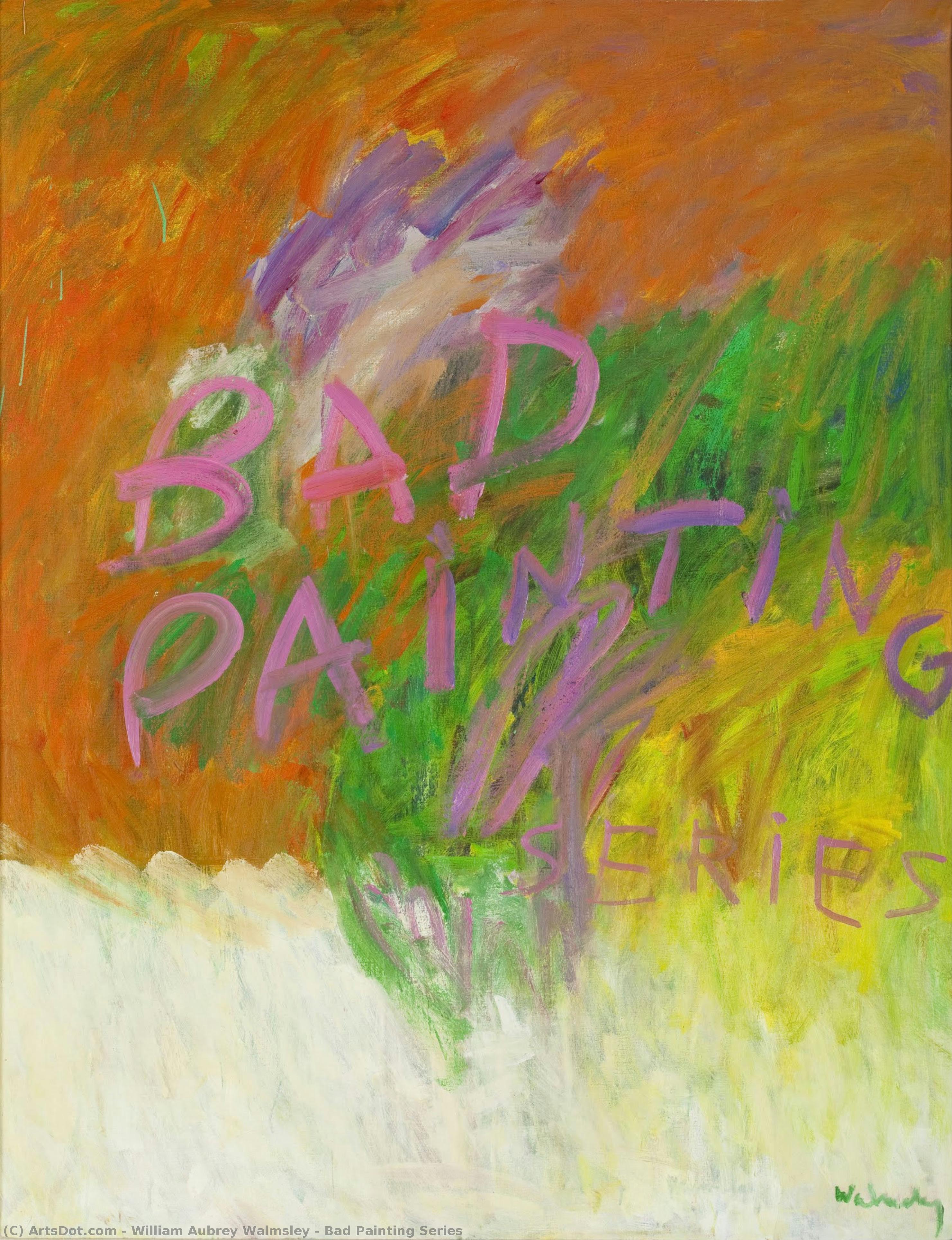
Bad Painting Series


 Читать далее
Жикле / Арт-принт
Печать (жикле) или холст музейного качества с быстрыми сроками изготовления и широким выбором вариантов отделки. ( Купить картину ручной работы Перейти к цифровым изображениям)




P118B $10

P118H $10

P118W $10

P438Z $10

P508JH $12

P508YH $12

P805H $10

P805Z $10

P919BZ $10

P919G $10

P919XJ $10

P959ZH $10

P968JZ $12

W106C $8

W218G $10

W218JH $8

W218Y $10

W307PJ $10

W316G $10

W316PJ $8

W316Y $10

W398PJ $8

W4111J $10

W500HY $15

W500JH $15

W692G $12

W849H $8

W940BG $15

W953PJ $8




Выберите один из наших стандартных размеров, соответствующих оригинальным пропорциям произведения искусства.

Вы можете указать свои собственные размеры, чтобы репродукция идеально подошла под конкретную раму или пространство. Если выбранный вами размер не будет соответствовать пропорциям оригинала, мы либо обрежем произведение, либо дополним изображение зеркальным отражением краев или однотонной заливкой. Перед началом производства вам будет отправлен цифровой макет для утверждения.
Пожалуйста, обратите внимание, что предварительный просмотр на экране не отображает фактическую обрезку или расширение изображения. Только макет точно покажет финальную композицию.
Несмотря на возможность заказа индивидуальных размеров, мы рекомендуем выбирать размер из предопределенного списка, чтобы сохранить оригинальные пропорции.
Доставка по всему миру () за 2 недели вместо стандартных 4/5 недель. (11 Сентябрь)

Бесплатная экспресс-доставка по всему миру

Высококачественный льняной холст

Полное страхование доставки

Гарантия возмещения таможенных пошлин

Гарантия точного соответствия цветов

100-дневная политика возврата (только при обнаружении дефектов)

Гарантия возврата 100% средств

Предложение оптовых скидок
 Вариант со стеклом доступен только для размеров менее 110 см

Bad Painting Series
Жикле / Арт-принт
Размер репродукции
-


Итоговая стоимость
$ 62
The Defiant Spirit of the Bad Painting Series
In the vibrant landscape of mid-century modernism, few works capture the raw, unyielding spirit of artistic autonomy quite like William Aubrey Walmsley’s Bad Painting Series. Created in 1964, this piece serves as a bold manifesto against the stifling constraints of critical consensus. The canvas vibrates with an exuberant energy, dominated by a warm, sun-drenched palette of yellows and oranges that immediately commands the viewer's attention. At first glance, the work presents a playful, almost irreverent confrontation with the concept of quality itself, featuring the provocative pink lettering of its title emblazoned across the surface. It is a work that does not merely ask to be seen; it demands to be reckoned with, challenging the observer to look past the label and engage with the visceral power of color and form.
The technique employed in this particular piece reflects a masterful command over texture and chromatic intensity. Walmsley utilizes a layering approach that allows the fiery oranges and brilliant yellows to bleed into one another, creating a luminous, almost glowing effect that mimics the heat of a summer afternoon. This interplay of light and pigment creates a sense of movement within the frame, as if the colors are still in the process of settling onto the canvas. The inclusion of his signature in the lower corner and the museum-style labeling visible in the presentation remind us that this is not merely an exercise in spontaneity, but a deliberate piece of art history—a curated moment of rebellion captured in paint.
A Philosophy of Self-Reliance
To understand the profound emotional impact of this work, one must delve into the philosophical bedrock upon which Walmsley built his career. The "Bad Painting" title is far from a confession of inadequacy; rather, it is a sophisticated critique of the gatekeepers of art. Walmsley famously maintained a skeptical stance toward critics, believing that true artistic value is determined by the creator's own judgment and internal truth. He lived by the conviction that while critics may offer perspectives, they do not possess the ultimate authority over an artist's soul. This painting, therefore, acts as a shield and a statement of independence, embodying the strength required to face public opinion without losing one's creative essence.
For collectors and interior designers, this piece offers more than just a striking visual element; it provides a conversation starter rooted in resilience and authenticity. The warmth of the composition makes it an ideal centerpiece for spaces that require a burst of optimism and light, such as contemporary living rooms or sophisticated studio environments. Its presence brings a layer of intellectual depth to any decor, inviting guests to contemplate the tension between external perception and internal reality. Owning a reproduction of this work is an invitation to embrace one's own unique voice, much like Walmsley did when he turned the concept of "badness" into a celebrated triumph of personal expression.
Похожие произведения
Биография художника
William Aubrey Walmsley (1923–2003): The Poet of Steel and Light
William Aubrey Walmsley, born October 9, 1923, in Tuscaloosa, Alabama—though his family swiftly relocated to Pueblo, Colorado—was a British-American artist and automobile designer whose career spanned decades of innovation and artistic exploration. He is best remembered as co-founder of Jaguar Cars and for pioneering a distinctive approach to design that blended aesthetic sensibilities with engineering precision – a style he termed “functional art.” His legacy resides not merely in the creation of iconic vehicles but also in his profound engagement with printmaking and his unwavering belief in the transformative power of artistic education.Early Life and Artistic Foundations
Walmsley’s formative years were shaped by the Great Depression, fostering within him a resourceful spirit and an appreciation for opportunities afforded by educational initiatives like the GI Bill after World War I. He pursued higher learning diligently, attending Howard College in Birmingham, Alabama (1953–56), followed by Murray State College in Kentucky (1956). Crucially, he embarked on a continental journey—studying sculpture with Gimond and Yencesse at the Académie Julian in Paris (1949–50) and honing his painting skills at the Art Students League in New York (1951–52)—experiences that instilled in him a lifelong fascination for diverse artistic traditions. As he eloquently stated, “You have to be the one that criticizes…get to the point you criticize yourself. And know what you know. That’s the reason I thought I needed to go to Paris and that’s the reason I thought I had to go to New York.” This self-assessment underscores his commitment to intellectual rigor and a discerning eye for artistic merit.The Swallow Sidecar Company and Automotive Design
Walmsley's professional trajectory took an extraordinary turn in 1962 when he established the Swallow Sidecar Company, transforming it into Jaguar Cars—a feat of entrepreneurial vision that cemented his place in automotive history. His initial foray into design involved crafting a motorcycle sidecar on a Watsonian chassis, utilizing an ex-war department Triumph engine – a project aptly named “Ot-as-ell.” Officially registered in April 1921, the Ot-as-ell advertisement showcased Walmsley’s confidence and ambition. This early endeavor exemplifies his ability to synthesize artistic principles with practical engineering challenges—a hallmark of what he termed "functional art." The resulting vehicle wasn't simply a mode of transport; it was a testament to his creative vision.A Singular Artistic Voice: Printmaking and “Bad Painting”
Beyond automotive design, Walmsley cultivated an impressive printmaking practice, earning recognition from the Southern Graphics Council in New Orleans in 2002 as Emeritus Printmaker. His artistic explorations encompassed diverse mediums and techniques—including lithographs and etching—reflecting his willingness to embrace experimentation and push creative boundaries. Notably, he initiated the “Bad Painting Series,” a provocative project designed to challenge conventional standards of beauty and artistic excellence. This bold undertaking underscored his conviction that art should provoke contemplation and inspire critical engagement.Influence and Legacy
Walmsley’s work resonates with echoes of Art Nouveau—a movement characterized by its celebration of organic forms, flowing lines, and harmonious integration of artistry and craftsmanship. Like many artists of his era, he drew inspiration from movements such as Cubism, recognizing the transformative potential of artistic innovation. His enduring contribution to art lies in demonstrating that creativity can flourish across disciplines—bridging the gap between industrial design and visual expression. William Aubrey Walmsley’s story serves as an inspiring reminder that pursuing knowledge with passion and embracing intellectual curiosity are essential for shaping a richer understanding of both art and human experience.
Уильям Эбрей Уолмсли
1923 - 2003
Основные сведения
- Artistic Movement Or Style: Функциональное искусство; Ар Нуво
- Artists Or Movements Influenced By This Artist: ['Кубизм']
- Date Of Birth: 1923
- Date Of Death: 2003
- Full Name: William Aubrey Walmsley
- Nationality: Британский-Американский
- Notable Artworks:
- Статист
- Серия работ «Плохое живопись»
- Place Of Birth: Tuscumbia, США
Похожие статьи
Топ-25 шедевров Клода Моне: Искусство света и импрессионизма для вашего интерьера
Погрузитесь в мир Клода Моне! 25 шедевров импрессионизма, от "Водных лилий" до знаменитых пейзажей. Узнайте историю создания картин и вдохновитесь для декора интерьера. Репродукции музейного качества на ArtsDot.com.
Топ-10 шедевров живописи в доминирующих оттенках хромового жёлтого | ArtsDot
Погрузитесь в мир хромового жёлтого! 10 знаменитых картин Ван Гога, Моне и других мастеров. История искусства, техника живописи и вдохновение для декора интерьера. Репродукции музейного качества на ArtsDot.com
Топ-10 знаменитых картин в охристых тонах: искусство и декор от ArtsDot
Погрузитесь в мир искусства с 10 знаменитыми картинами, где доминирует охристый цвет! Узнайте истории Ван Гога, Моне и других мастеров. Репродукции высокого качества для вашего интерьера от ArtsDot.com. Откройте всю коллекцию онлайн!
Топ-10 знаменитых картин в нежных розовых тонах: искусство и декор от ArtsDot
Погрузитесь в мир нежности и красоты! Топ-10 знаменитых картин Моне, Ренуара и других мастеров в розовых тонах. Узнайте историю создания шедевров импрессионизма и найдите идеальную репродукцию для вашего интерьера на ArtsDot.com
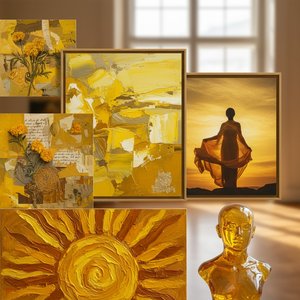
The Golden Hue: Exploring Symbolism & Emotion in Yellow Art
Explore the rich symbolism & emotional power of yellow in art history! From Van Gogh to Kandinsky, discover how artists used this vibrant hue. Expert analysis & high-quality reproductions at ArtsDot.