

 Предпросмотр
 Поделиться
 Поделиться
 Детали произведения

 Скачать
 Похожие работы
 Рентгенография
 Слайд-шоу
 Статистика
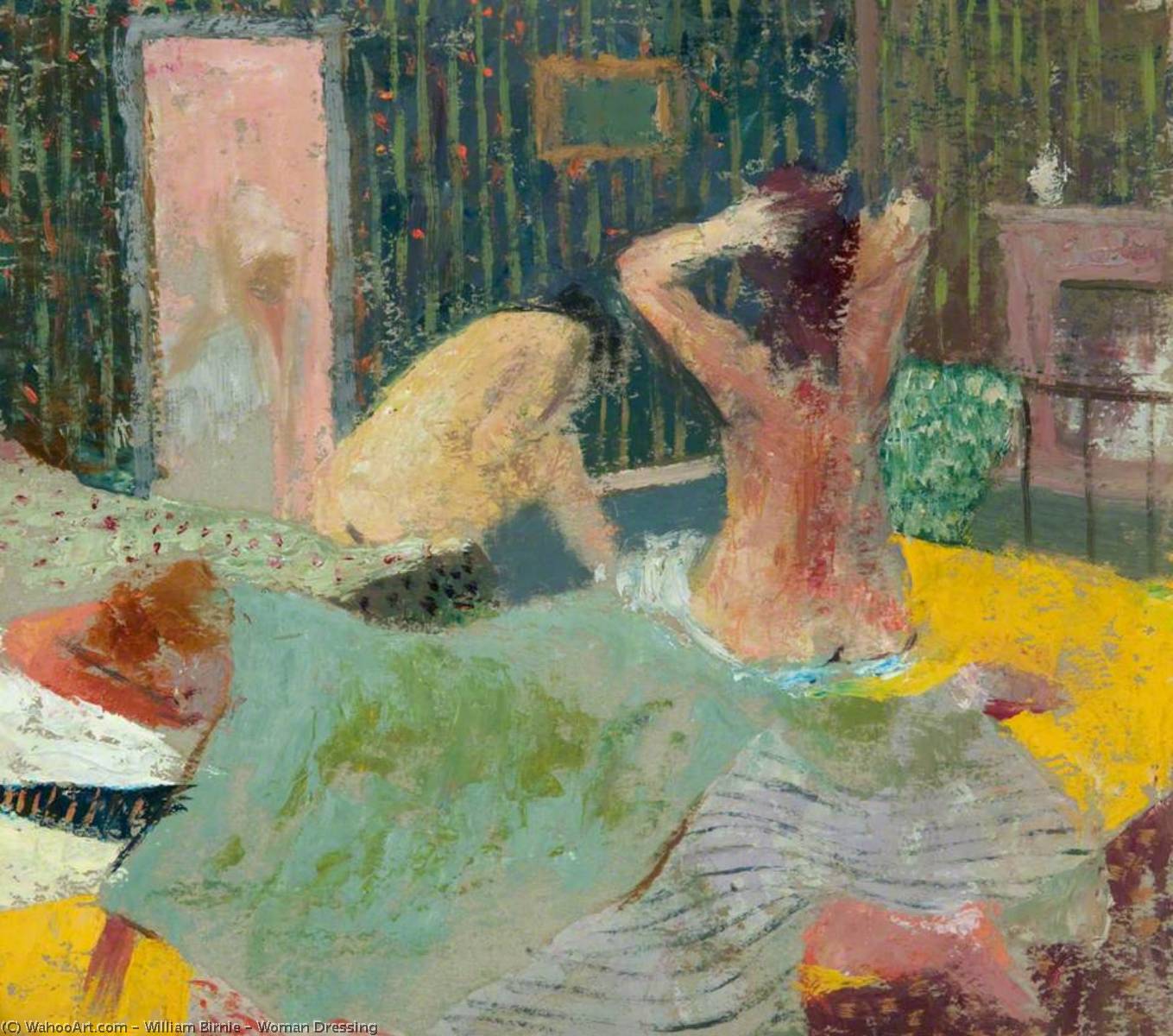
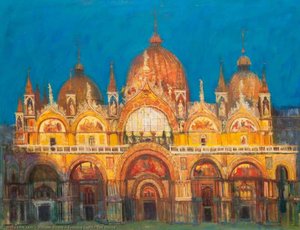
Woman Dressing
 1951
1951 24.0 x 28.0 cm
 Читать далее
Масляная репродукция ручной работы
Картина маслом на холсте в выбранном вами размере и раме, написанная на заказ нашими художниками. ( Перейти к печати Перейти к цифровым изображениям)




































Выберите один из наших стандартных размеров, соответствующих оригинальным пропорциям произведения искусства.

Вы можете указать собственные размеры, чтобы картина идеально вписалась в выбранную раму или пространство. Если выбранный вами размер не соответствует пропорциям оригинала, мы либо обрежем полотно, либо расширим его за счет дополнительных элементов, написанных вручную. Цифровой макет будет отправлен вам на утверждение перед началом производства.
Обратите внимание, что предварительный просмотр на экране не отражает фактическую обрезку или расширение. Только макет точно покажет окончательную композицию.
Хотя доступны индивидуальные размеры, мы рекомендуем выбирать вариант из предопределенного списка, чтобы сохранить исходные пропорции.
После оформления заказа команда ArtsDot.com свяжется с клиентом по электронной почте для уточнения деталей и предоставит предварительный макет
Доставка по всему миру () за 3–4 недели вместо стандартных 5 недель. (12 Сентябрь). Без компромиссов в качестве.

Бесплатная экспресс-доставка по всему миру

Высококачественный льняной холст

Полное страхование доставки

Гарантия возмещения таможенных пошлин

Гарантия точного соответствия цветов

100-дневная политика возврата (только при обнаружении дефектов)

Гарантия возврата 100% средств

Предложение оптовых скидок
 Вариант со стеклом доступен только для размеров менее 110 см

Woman Dressing
Техника репродукции
Размер репродукции
-


Итоговая стоимость
$ 263
Похожие произведения







Биография художника
William Birnie: A Scottish Vision of Landscape and Light
William Birnie (1929-2006) wasn’t a name immediately recognized in the grand halls of 19th-century art, yet his canvases hold a quiet power—a deeply felt connection to the rugged beauty of Scotland. Born in Bathgate, West Lothian, Birnie's artistic journey was shaped by a unique confluence of influences: a rigorous formal education, a profound love for the landscape, and a deliberate rejection of prevailing trends in favor of a personal, intensely observed style. His work isn’t about grand pronouncements or dramatic gestures; it’s an invitation to slow down, to breathe in the atmosphere of a Highland glen or the muted hues of a winter’s day.
Birnie's early artistic training was rooted in Glasgow School of Art, where he studied under luminaries like William and Mary Armour, David Donaldson, and Geoffrey Squire. This environment fostered experimentation with various techniques – watercolour, oil, and pastel – but it was his time at Hospitalfield House in Arbroath that proved pivotal. This residency provided him with the space and freedom to develop a distinctive approach, prioritizing observation and capturing subtle shifts in light and color. He wasn’t interested in replicating reality; instead, he sought to distill the essence of a place, imbuing his paintings with a sense of mood and atmosphere.
The Kilbarchan Winter Series: A Masterclass in Atmospheric Painting
Birnie's most celebrated work undoubtedly lies within his series of paintings depicting the winter landscape around Kilbarchan, near Glasgow. These works, produced primarily between 1960 and 1980, represent a culmination of his artistic explorations. The subjects – often bleak, snow-covered fields, skeletal trees, and the muted tones of a Highland sky – might seem austere at first glance, but they are imbued with an extraordinary sense of warmth and tranquility. He achieved this through a masterful manipulation of light and color, employing delicate washes of paint to create a shimmering effect that seems to capture the very breath of winter.
What distinguishes Birnie’s approach is his deliberate avoidance of sharp contrasts or dramatic compositions. Instead, he favored subtle gradations of tone, layering thin glazes of paint to build up depth and atmosphere. His brushwork is almost invisible—a testament to his meticulous observation and control. The paintings aren't merely representations of a scene; they are evocations of feeling – the stillness, the solitude, the quiet beauty of a landscape stripped bare by winter’s embrace.
Influences and Artistic Development
While Birnie’s style is undeniably unique, it’s clear that he was influenced by several key artistic movements. The Impressionists, with their focus on capturing fleeting moments of light and color, undoubtedly played a role in shaping his approach. He also drew inspiration from the Scottish Colourists – J.M. Whistler, Joseph Thomson, and Peter McGregor Rae – who sought to paint directly from nature, rejecting academic conventions. However, Birnie’s work transcends mere imitation; he developed a distinct voice that is both deeply rooted in tradition and refreshingly original.
His early training at Glasgow School of Art exposed him to the ideas of Cubism, but he quickly moved beyond these influences, embracing a more traditional approach to landscape painting. He was particularly drawn to the work of Constable and Turner, artists who were masters of capturing atmospheric effects and conveying the beauty of the natural world. Birnie’s paintings share this same sense of reverence for nature, as well as a similar ability to evoke a powerful emotional response in the viewer.
Legacy and Recognition
Despite not achieving widespread fame during his lifetime, William Birnie's work has gained increasing recognition in recent decades. His paintings are now held in major collections across Scotland and beyond, and they continue to be exhibited at galleries and museums throughout the country. His influence can also be seen in the work of contemporary landscape artists who share his commitment to observation, atmosphere, and a deep connection to the natural world.
Birnie’s legacy lies not just in his stunning paintings but also in his quiet dedication to his craft and his unwavering belief in the power of art to capture the beauty and wonder of the Scottish landscape. He reminds us that true artistry is often found not in grand gestures, but in the subtle details—the way light falls on a snow-covered field, the rustle of leaves in the wind, the quiet stillness of a winter’s day.
william birnie
1929 - 2006
Основные сведения
- Artistic Movement Or Style: Sculpture, Royal Scottish Academy
- Artists Or Movements Influenced By This Artist: ['Scottish Sculpture']
- Artists Who Influenced This Artist: ['John Rhind (father)']
- Date Of Birth: February 27, 1853
- Date Of Death: July 9, 1933
- Full Name: William Birnie Rhind
- Nationality: British
- Notable Artworks:
- War memorials (Edinburgh)
- Fettes College memorial
- Place Of Birth: Edinburgh, Scotland