

 Предпросмотр
 Поделиться
 Поделиться
 Детали произведения

 Скачать
 Похожие работы
 Рентгенография
 Слайд-шоу
 Статистика
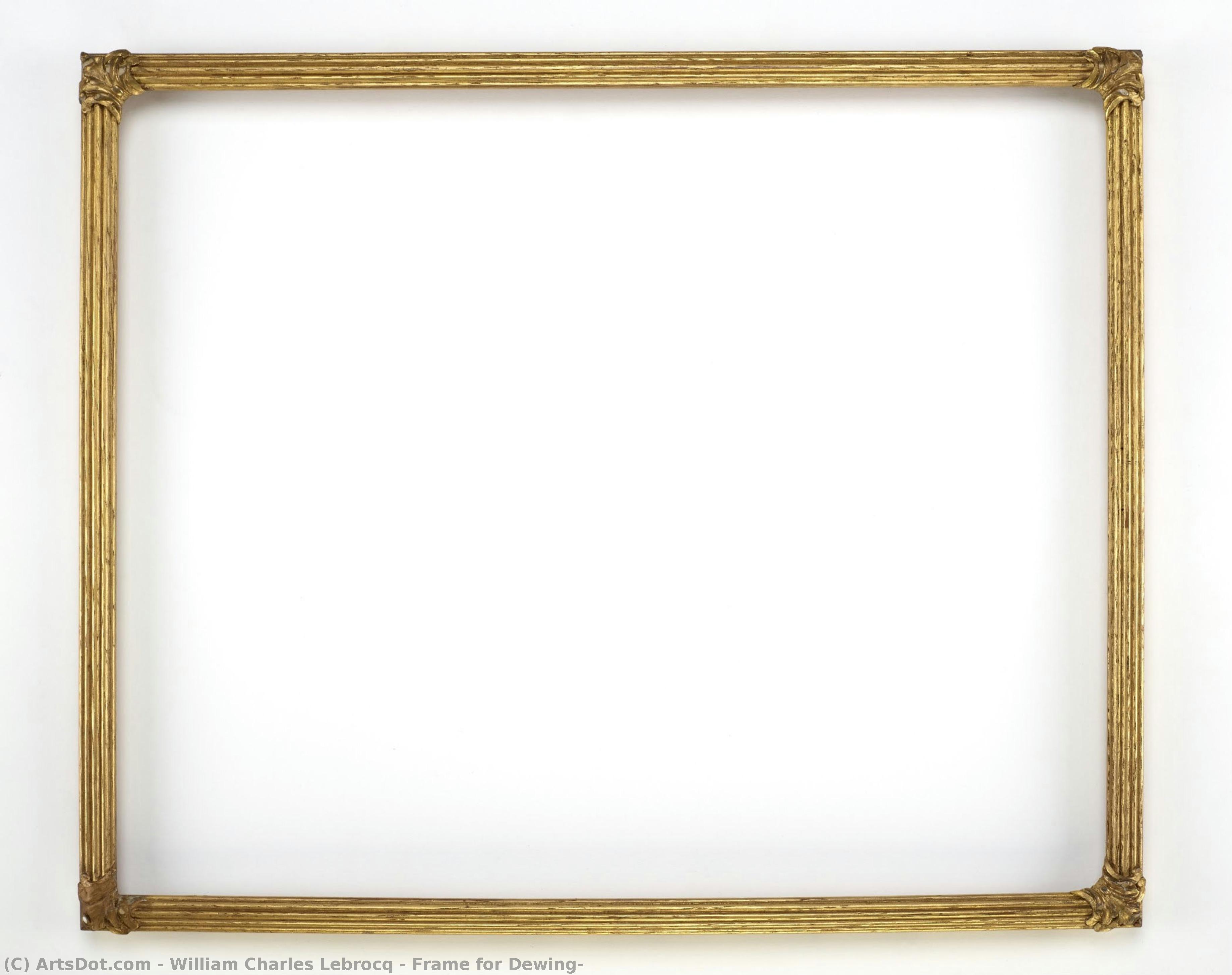
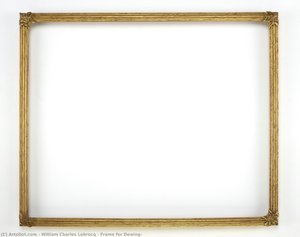
Frame for Dewing


 Читать далее
Масляная репродукция ручной работы
Картина маслом на холсте в выбранном вами размере и раме, написанная на заказ нашими художниками. ( Перейти к печати Перейти к цифровым изображениям)




































Выберите один из наших стандартных размеров, соответствующих оригинальным пропорциям произведения искусства.

Вы можете указать собственные размеры, чтобы картина идеально вписалась в выбранную раму или пространство. Если выбранный вами размер не соответствует пропорциям оригинала, мы либо обрежем полотно, либо расширим его за счет дополнительных элементов, написанных вручную. Цифровой макет будет отправлен вам на утверждение перед началом производства.
Обратите внимание, что предварительный просмотр на экране не отражает фактическую обрезку или расширение. Только макет точно покажет окончательную композицию.
Хотя доступны индивидуальные размеры, мы рекомендуем выбирать вариант из предопределенного списка, чтобы сохранить исходные пропорции.
После оформления заказа команда ArtsDot.com свяжется с клиентом по электронной почте для уточнения деталей и предоставит предварительный макет
Доставка по всему миру () за 3–4 недели вместо стандартных 5 недель. (11 Сентябрь). Без компромиссов в качестве.

Бесплатная экспресс-доставка по всему миру

Высококачественный льняной холст

Полное страхование доставки

Гарантия возмещения таможенных пошлин

Гарантия точного соответствия цветов

100-дневная политика возврата (только при обнаружении дефектов)

Гарантия возврата 100% средств

Предложение оптовых скидок
 Вариант со стеклом доступен только для размеров менее 110 см

Frame for Dewing
Техника репродукции
Размер репродукции
-


Итоговая стоимость
$ 263
Похожие произведения





Биография художника
The Silent Architect of Impressionistic Vision
In the grand tapestry of American art history, certain figures operate not through the stroke of a brush, but through the meticulous curation of the viewer's gaze. William Charles Lebrocq (1862-1950) was such a figure—a master craftsman whose hands shaped the very boundaries of how we perceive beauty. While history often celebrates the painters who command the canvas, Lebrocq worked in the essential, quiet space between the artwork and the world. As an American frame maker born in New York City, his contribution to the aesthetic experience was nothing short of revolutionary, acting as a silent architect for the Impressionistic era.
Lebrocq’s journey began with the disciplined rigor of traditional craftsmanship. His formative years were defined by an apprenticeship that instilled in him a profound reverence for materials and technical precision. This foundational training went beyond mere woodworking; it was an education in the soul of structure. He learned to understand how wood, gilt, and ornament could serve as more than just a protective border. To Lebrocq, a frame was a threshold—a curated gateway that prepared the mind for the emotional journey contained within the pigment. This deep-seated understanding of construction allowed him to develop an understated elegance that would eventually define the visual culture of late Victorian and early 20th-century America.
A Symbiotic Legacy: The Partnership with Stanford White
The true zenith of Lebrocq’s career was reached through his profound collaboration with Stanford White, the legendary architect of the Beaux Arts era. This was not merely a professional arrangement but a symbiotic relationship that bridged the gap between architecture and fine art. Together, they conceived of frames that were an extension of White’s grand architectural visions. When White designed magnificent spaces, Lebrocq provided the finishing touch that allowed paintings to breathe within those environments. His ability to translate complex architectural sensibilities into tangible, wooden forms ensured that the frame was never a distraction, but rather an integral component of the room's narrative.
Through this partnership, Lebrocq’s work became deeply intertwined with the aesthetic movement of his time. He possessed a remarkable sensitivity to context, understanding that a masterpiece by artists such as Thomas Dewing required a specific visual language to be fully realized. His designs helped elevate paintings from mere depictions on canvas to curated objects of profound contemplation. By carefully managing the transition from the static reality of a wall to the vibrant world of the painting, Lebrocq’s work provided the necessary punctuation to the artist's visual sentence.
The Enduring Influence of the Frame
The historical significance of William Charles Lebrocq lies in his ability to manipulate perception. He understood that the frame acts as a psychological tool, providing a cognitive structure for visual information. By defining where the world of the painting ends and our own reality begins, he directed the viewer's gaze inward, preventing it from wandering into the periphery. His legacy is found in the way we still experience iconic works today; even when the original physical borders are gone, the standard of excellence he set for the dialogue between artwork and observer remains a benchmark for art presentation.
Reflecting on his life's work, several key elements emerge as his lasting contributions to the art world:
- Technical Mastery: The application of precision woodworking and fine gilding to honor the complexity of Impressionistic works.
- Architectural Integration: The seamless blending of frame design with the Beaux Arts architectural movement through his work with Stanford White.
- Aesthetic Curation: The transformation of a functional boundary into a psychological threshold that enhances the emotional impact of fine art.
- Cultural Impact: Shaping the visual identity of American high society during the late 19th and early 20th centuries.
Though he may remain a "silent partner" in the annals of art history, the influence of William Charles Lebrocq is felt every time a viewer stands before a masterpiece and feels completely enveloped by its world. He did not just frame art; he framed our very way of seeing.
william charles lebrocq
1862 - 1950 , United States of America
Основные сведения
- Artistic Movement Or Style: Frame Maker
- Artists Or Movements Influenced By This Artist: ['Thomas de Wing']
- Artists Who Influenced This Artist: ['Stanford White']
- Date Of Birth: New York City, United States of America (1862)
- Date Of Death: 1950
- Full Name: William Charles Lebrocq
- Nationality: American
- Notable Artworks: ['Frame for Dewing']
- Place Of Birth: New York City