

 Предпросмотр
 Поделиться
 Поделиться
 Детали произведения

 Скачать
 Похожие работы
 Рентгенография
 Слайд-шоу
 Статистика
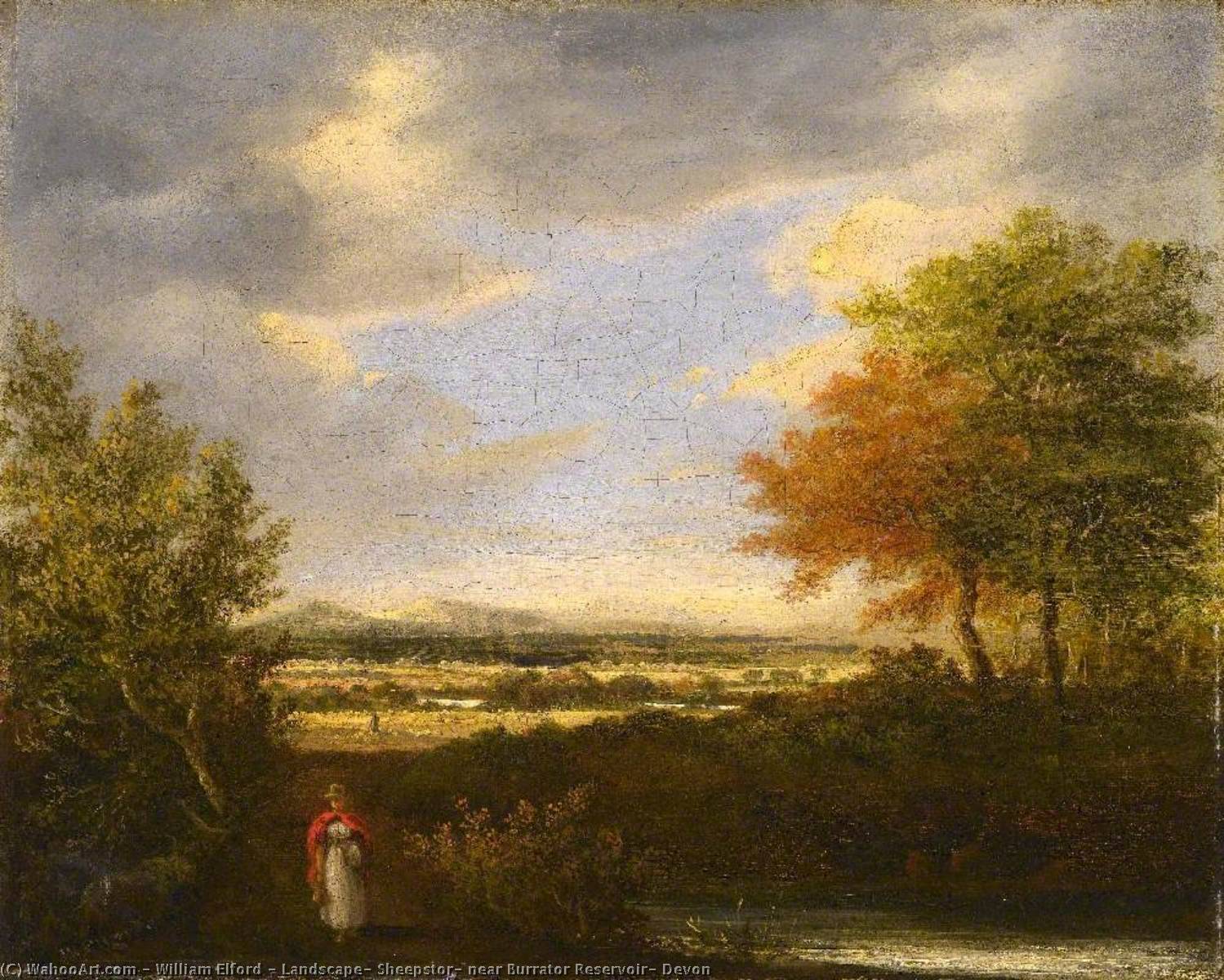
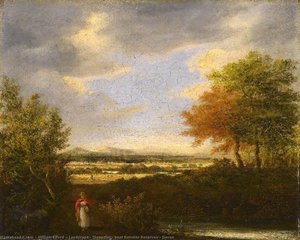
Landscape, Sheepstor, near Burrator Reservoir, Devon
 Romanticism
 1818
1818 30.0 x 38.0 cm
 Royal Albert Memorial Museum
 Читать далее
Масляная репродукция ручной работы
Картина маслом на холсте в выбранном вами размере и раме, написанная на заказ нашими художниками. ( Перейти к печати Перейти к цифровым изображениям)




































Выберите один из наших стандартных размеров, соответствующих оригинальным пропорциям произведения искусства.

Вы можете указать собственные размеры, чтобы картина идеально вписалась в выбранную раму или пространство. Если выбранный вами размер не соответствует пропорциям оригинала, мы либо обрежем полотно, либо расширим его за счет дополнительных элементов, написанных вручную. Цифровой макет будет отправлен вам на утверждение перед началом производства.
Обратите внимание, что предварительный просмотр на экране не отражает фактическую обрезку или расширение. Только макет точно покажет окончательную композицию.
Хотя доступны индивидуальные размеры, мы рекомендуем выбирать вариант из предопределенного списка, чтобы сохранить исходные пропорции.
После оформления заказа команда ArtsDot.com свяжется с клиентом по электронной почте для уточнения деталей и предоставит предварительный макет
Доставка по всему миру () за 3–4 недели вместо стандартных 5 недель. (11 Сентябрь). Без компромиссов в качестве.

Бесплатная экспресс-доставка по всему миру

Высококачественный льняной холст

Полное страхование доставки

Гарантия возмещения таможенных пошлин

Гарантия точного соответствия цветов

100-дневная политика возврата (только при обнаружении дефектов)

Гарантия возврата 100% средств

Предложение оптовых скидок
 Вариант со стеклом доступен только для размеров менее 110 см

Landscape, Sheepstor, near Burrator Reservoir, Devon
Техника репродукции
Размер репродукции
-


Итоговая стоимость
$ 263
Похожие произведения

Биография художника
A Legacy of Dual Devotion: The Life and Art of William Elford
In the tapestry of British history, few figures embody the harmonious tension between civic duty and creative passion as elegantly as Sir William Elford. Born in August 1749 into a prominent Devonshire family, Elford was a man whose life was defined by a remarkable duality. To the political and financial worlds of the late eighteenth and early nineteenth centuries, he was a distinguished banker, a dedicated politician, and a respected public servant. Yet, beneath the mantle of the 1st Baronet lay the soul of an artist—a man whose brush captured the burgeoning spirit of the Romantic movement with profound sensitivity and meticulous detail.
The foundations of Elford’s multifaceted intellect were laid in the maritime and scholarly atmosphere of Plymouth. As the son of the Reverend Lancelot Elformed, he was raised with a deep respect for classical learning and intellectual rigor. This upbringing, enriched by his mother Grace Wills' artistic lineage, fostered a unique perspective that allowed him to navigate the rigid structures of the banking industry while simultaneously exploring the fluid, emotive landscapes of art. His career in finance, notably as a partner in the firm Elford, Tingcombe, & Clerk, provided the stability and means through which he could pursue his aesthetic interests, making him a true bridge between the pragmatic world of commerce and the ethereal realm of fine art.
The Artist’s Eye: From Political Witness to Romantic Visionary
Elford’s artistic contributions were far more than the mere hobbies of a wealthy gentleman; he was a constant and respected presence in the Royal Academy exhibitions from 1774 until 1837. His work is often characterized by an exceptional draughtsmanship and a refined sense of taste that resonated with the era's shifting sensibilities. While his political life saw him serving as the Recorder of Plymouth and representing constituencies such as Rye and Westbury, his art allowed him to document the world through a much more intimate lens. He possessed a rare ability to blend scientific observation—a trait reflected in his election to the Royal Society and the Linnaean Society—with the atmospheric, evocative qualities of Romanticism.
One of his most historically significant, albeit harrowing, artistic achievements was his 1788 drawing, Plan of the British Slave Ship Brookes. This piece served as a powerful, graphic indictment of the horrors of the slave trade, demonstrating that Elford’s talent was often harnessed for profound social and political commentary. Beyond such heavy subject matter, his landscapes, such as his 1818 depiction of Sheepstor, near Burrator Reservoir, reveal a deep affection for the Devonshire countryside. In these works, one finds a serene, almost meditative quality, where the interplay of light and shadow evokes the quiet majesty of the natural world, inviting the viewer into a space of tranquil reflection.
A Lasting Impression on British Art and History
The historical significance of William Elford lies in his ability to synthesize seemingly disparate roles into a singular, impactful life. He was not merely an observer of history but an active participant in its shaping—whether through his legislative efforts, his scientific investigations into agricultural improvements, or his contributions to the Royal Academy. His life serves as a testament to the idea that the analytical mind of a banker and the emotive heart of an artist are not mutually exclusive, but can instead inform and enrich one another.
As we look back upon his body of work, several key elements emerge that define his enduring legacy:
- Technical Mastery: A reputation for excellent draughtsmanship and a sophisticated command of oil and drawing media.
- Romantic Sensibility: An ability to capture the atmospheric beauty and emotional depth characteristic of the late 18th-century landscape tradition.
- Civic and Scientific Integration: The rare intersection of artistic expression with significant contributions to science, politics, and local governance.
- Social Impact: The use of art as a medium for powerful social critique and historical documentation.
Though the era of the great amateur polymath has passed, the works of Sir William Elford remain vital touchstones for understanding the cultural landscape of Georgian and Regency England. He remains an enduring symbol of a time when the pursuit of knowledge, the service of country, and the celebration of beauty were woven into a single, magnificent life.
william elford
1749 - 1837
Основные сведения
- Artistic Movement Or Style: Romanticism
- Artists Or Movements Influenced By This Artist: ['']
- Artists Who Influenced This Artist: ['']
- Date Of Birth: 1749
- Date Of Death: 1837
- Full Name: William Elford
- Nationality: English
- Notable Artworks:
- The White Lady of Avenel
- Landscape, Sheepstor, near Burrator Reservoir
- Place Of Birth: Plymouth, England
Похожие статьи
The Sublime and the Picturesque: Exploring Emotion & Nature in Romantic Landscape Painting
Explore the emotional power of Romantic landscape painting! Discover the sublime & picturesque traditions, key artists like Friedrich & Cole, and find your perfect artwork at ArtsDot.

Романтический пейзаж: 10 шедевров, изменивших искусство | ArtsDot.com
Погрузитесь в мир романтического пейзажа! 10 шедевров Фридриха, Тёрнера и других гениев. Узнайте историю создания культовых картин и вдохновитесь для декора интерьера. Репродукции высокого качества на ArtsDot.com.

Evocations of Place: A Historical Journey Through Landscape Art
Explore the rich history of landscape art with ArtsDot. Discover renowned artists, movements like Impressionism & Romanticism, and expert guidance for collecting timeless pieces. Find your perfect serene escape today!

Evoking Nature's Sublime: A Comprehensive Exploration of 19th-Century Landscape Painting
Explore the captivating world of 19th-century landscape painting! Discover renowned artists like Friedrich & Monet, key movements, and find the perfect artwork to bring nature's serenity into your home. Expert insights at ArtsDot.

Evocations of Place: A Historical Journey Through Landscape Art
Explore the rich history of landscape art with ArtsDot. Discover renowned artists, movements like Impressionism & tonalism, and expert guidance for collecting timeless pieces. Find your perfect serene escape today!