

 Предпросмотр
 Поделиться
 Поделиться
 Детали произведения

 Скачать
 Похожие работы
 Рентгенография
 Слайд-шоу
 Статистика
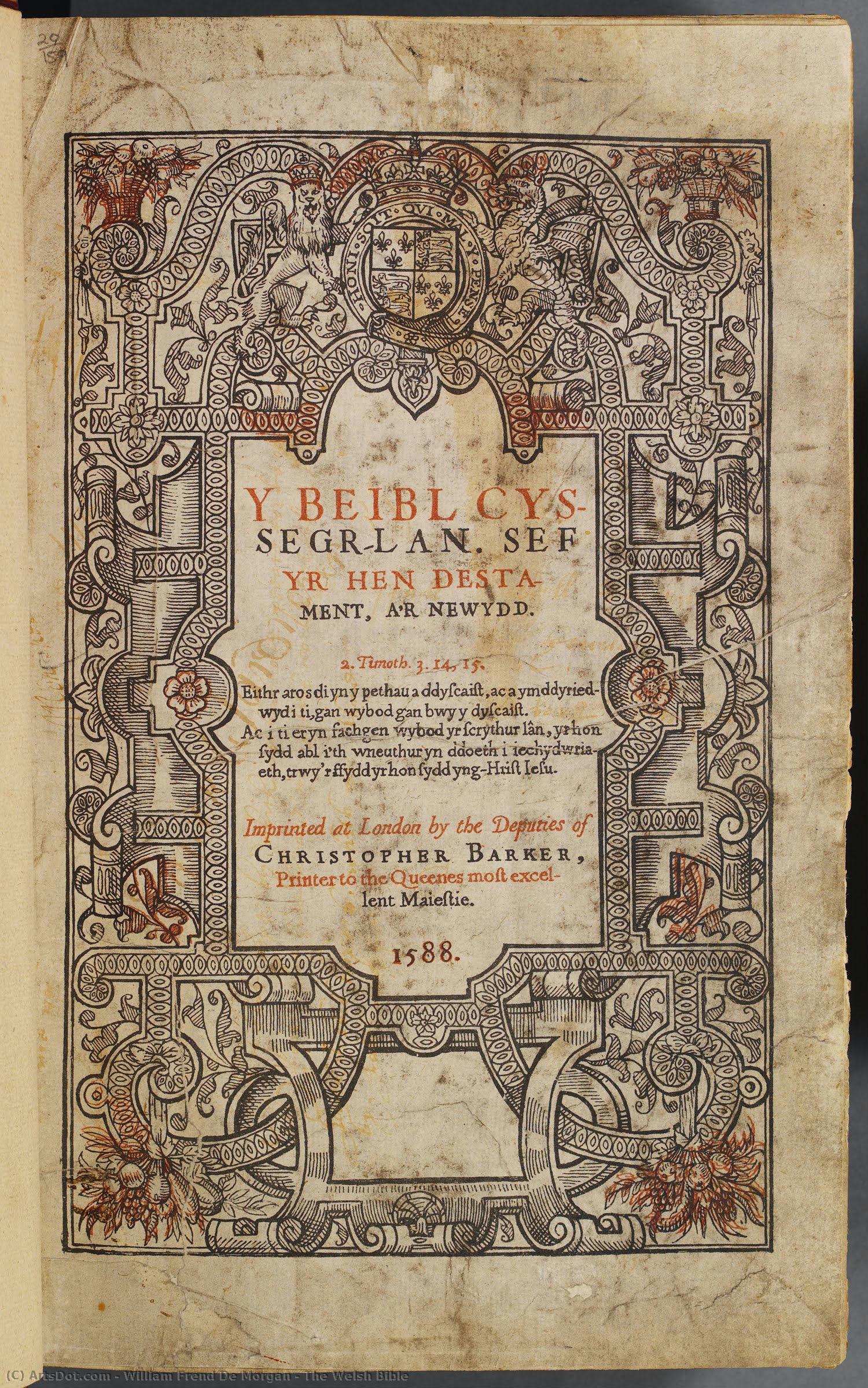
The Welsh Bible


 Читать далее
Приобретите цифровое изображение высокого разрешения в улучшенном качестве, которое значительно превосходит онлайн-превью.
Каждый файл тщательно подготавливается нашими специалистами с использованием передовых инструментов и экспертной ручной ретуши. Мы гарантируем исключительную четкость, точную цветопередачу и детальную проработку каждого изображения.
Финальный файл доставляется по электронной почте в течение 72 часов и оптимизирован для немедленного использования в профессиональной среде, при верстке и печати. Это тот же уровень качества, которому доверяют ведущие дизайнерские студии, издательства и галереи.
Цифровое изображение
Скачайте файл высокого разрешения для личного использования, печати и творческих проектов. ( Перейти к печати Купить картину ручной работы)
Включено в каждый заказ цифровых изображений
Гарантия экспертной цифровой доставки
Выбирая ArtsDot.com, вы получаете не просто изображение — вы приобретаете профессионально обработанное цифровое произведение искусства, созданное с безупречной точностью и под защитой гарантии качества. Вот всё, что автоматически входит в ваш заказ:

Мгновенная доставка по e-mail
Ваш цифровой файл в высоком разрешении будет отправлен вам по электронной почте в течение 72 часов после оформления заказа — и сразу станет доступен для использования.

Цифровой файл с ИИ-улучшением
Ваше произведение искусства проходит профессиональную оптимизацию с использованием передовых инструментов ИИ и ручной обработки, что гарантирует максимальную детализацию, четкость и точность цветопередачи.

Бессрочная бесплатная повторная доставка
Случайно удалили или потеряли файл? Не беспокойтесь — мы отправим его вам повторно в любое время и совершенно бесплатно.

Без импортных пошлин — навсегда
Наслаждайтесь вашим произведением искусства мгновенно без таможенных пошлин, сборов или затрат на доставку — цифровые загрузки всегда не облагаются налогом.

Гарантия точности цветопередачи
Мы гарантируем, что ваше цифровое изображение максимально точно передает оригинальные цвета благодаря использованию профессиональных инструментов и систем управления цветом.

Гарантия удовлетворенности 100 дней
Если вы не будете удовлетворены своим цифровым изображением, мы внесем правки или вернем 100% стоимости в течение 100 дней — без лишних вопросов.

100% Гарантия возврата средств
Не удовлетворены покупкой? Получите полный возврат средств в течение 100 дней после получения цифрового файла — без лишних вопросов.

Скидки на оптовые заказы
Купите 3 изображения, сэкономьте 10% — Купите 5, сэкономьте 15% — Купите 10+, сэкономьте 20%. Отличное решение для творческих проектов, галерей и агентств.
A Portal to the Past: The Whispers of the Welsh Bible
To gaze upon The Welsh Bible is to step through a temporal threshold, leaving the frenetic pace of the modern era for the quiet, reverent atmosphere of the sixteenth century. This exquisite piece, dating back to 1588, serves as more than just a historical artifact; it is a tactile connection to an age of profound spiritual and linguistic transformation. The artwork captures the intimate essence of a title page that has survived centuries of devotion, its worn edges and faded pigments telling a story of hands that have turned these very pages in prayer and study. There is a palpable sense of weight and wisdom held within the visual composition, inviting the viewer to contemplate the enduring legacy of the written word.
The aesthetic allure of this work lies in its intricate marriage of typography and ornamentation. The eye is immediately drawn to the delicate balance of the ornate borders that frame the Welsh text, Yr Hebilys Sefyrnol, with a precision that speaks to the master craftsmanship of the era. A subtle yet striking cross positioned at the top left corner anchors the composition in its religious significance, while the unexpected inclusion of a horse nestled within the decorative elements adds a layer of whimsical, pastoral charm. This juxtaposition of the sacred and the earthly creates a visual rhythm that is both sophisticated and deeply human, making it a captivating focal point for any curated collection.
Artistry and the Soul of the Arts and Crafts Movement
While the subject matter is rooted in the late Tudor period, the interpretation through the lens of William Frend De Morgan brings a unique layer of artistic complexity to the piece. As a polymath deeply embedded in the Arts and Crafts movement, De Morgan possessed an unparalleled ability to find beauty in pattern and historical resonance. His influence ensures that this reproduction does not merely mimic an old book but celebrates the very soul of design—the interplay of line, texture, and organic form. The technique used in this depiction emphasizes the weathered texture of the parchment and the rich, earthy tones that evoke a sense of nostalgia and permanence.
For the discerning collector or interior designer, The Welsh Bible offers an unparalleled opportunity to introduce a sense of heritage and intellectual depth into a living space. It is a piece that demands contemplation, working harmoniously within classical, rustic, or even contemporary minimalist settings to provide a grounding element of history. Whether placed in a sunlit library or as a conversation starter in a sophisticated study, this artwork transcends simple decoration; it becomes an emotional anchor, evoking the quiet dignity of the past and the timeless beauty of human craftsmanship.
Похожие произведения
Биография художника
A Life Immersed in Pattern and Innovation
William Frend De Morgan, born in London in 1839, was a figure who defied easy categorization. He wasn’t simply a potter, nor merely a tile designer, or even solely a novelist—he was a polymath whose artistic spirit permeated multiple disciplines. Born into an intellectually stimulating environment – his father, Augustus De Morgan, was a renowned mathematician, and his mother, Sophia Elizabeth Frend, a progressive thinker and writer – young William received encouragement to pursue his creative inclinations. Though he initially enrolled at the Royal Academy Schools, a sense of disillusionment soon set in, leading him toward a more collaborative and aesthetically aligned path. This pivotal shift came with his introduction to William Morris, a meeting that would profoundly shape De Morgan’s artistic trajectory and immerse him within the burgeoning Arts and Crafts movement.From Stained Glass to Ceramic Revelation
De Morgan's early explorations centered on stained glass, working alongside Morris & Co., contributing designs imbued with medieval and mythological narratives. However, it was a fascination with lustre – that shimmering, iridescent quality found in ancient Hispano-Moresque pottery and Italian maiolica – that truly ignited his artistic passion. He dedicated himself to rediscovering the lost techniques of lustreware, meticulously experimenting with glazes and firing processes. This pursuit wasn’t merely about replicating an aesthetic; it was a scientific investigation driven by an insatiable curiosity. By 1872, De Morgan had fully committed to ceramics, establishing his own pottery in Chelsea. The decade that followed proved remarkably fruitful, though marked by technical challenges. He skillfully combined commercially produced tiles with his own creations, notably developing a high-quality biscuit tile celebrated for its irregularities and durability. His designs during this period began to coalesce around recurring motifs: fantastical creatures, galleons, fish, and intricate floral patterns, all rendered in a distinctive “Persian” palette of deep blues, turquoise, manganese purple, greens, Indian red, and lemon yellow.Eastern Influences and Artistic Flourishing
De Morgan’s artistic vision was deeply informed by his profound interest in Eastern art, particularly Islamic tilework. This fascination wasn't superficial imitation but a genuine appreciation for the complex geometric patterns, vibrant colors, and symbolic richness of these traditions. He absorbed these influences, translating them into a unique visual language that blended medieval aesthetics with Oriental motifs. Between 1882 and 1900, De Morgan received significant commissions, most notably producing elaborate tile panels for twelve P&O liners under the direction of T.E. Colcutt, as well as earlier work for Tsar Alexander II’s yacht, Livadia. These large-scale projects showcased his ability to translate intricate designs into expansive decorative schemes. His pottery also flourished, encompassing chargers, rice dishes, and vases, often brought to life through the skilled hands of decorators like Charles Passenger, Fred Passenger, Joe Juster, and Miss Babb – artists who faithfully executed De Morgan’s visionary concepts.A Legacy Beyond Ceramics
Though his pottery and tile designs remain his most celebrated achievements, William De Morgan's creative energy extended into the realm of literature. In his later years, he embarked on a second career as a novelist, publishing nine works between 1906 and 1917. His novels, characterized by realistic dialogue and insightful social commentary, were well-received during his lifetime. De Morgan’s impact resonates through the enduring appeal of his art. He wasn't simply replicating historical styles; he was innovating, experimenting, and forging a unique aesthetic that continues to captivate audiences today. The De Morgan Centre in London stands as a testament to his legacy, preserving and showcasing his remarkable contributions to Victorian decorative arts. His work embodies the spirit of the Arts and Crafts movement – a commitment to craftsmanship, artistic integrity, and the harmonious integration of art into everyday life.Key Dates & Notable Works
- 1839: Born in Gower Street, London.
- 1863: Began experimenting with stained glass and ventured into pottery.
- 1872: Established his own pottery in Chelsea.
- 1882-1900: Commissioned to produce tile panels for P&O liners and the Tsar’s yacht.
- 1906-1917: Published nine novels.
- 1917: Passed away in London.
- The Annunciation (featured on ArtsDot.com)
- Sunrise, Inverness Copse (by Paul Nash, featured on ArtsDot.com)
- Music Cabinet
- The Welsh Bible
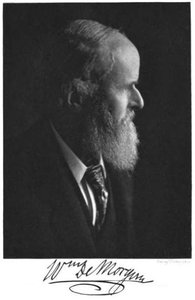
William Frend De Morgan
1839 - 1917 , United Kingdom
Основные сведения
- Artistic Movement Or Style: Arts and Crafts
- Artists Who Influenced This Artist: ['William Morris']
- Date Of Birth: November 16, 1839
- Date Of Death: January 15, 1917
- Full Name: William Frend De Morgan
- Nationality: British
- Notable Artworks:
- The Annunciation
- Music Cabinet
- The Welsh Bible
- Place Of Birth: London, UK