

 Предпросмотр
 Поделиться
 Поделиться
 Детали произведения

 Скачать
 Похожие работы
 Рентгенография
 Слайд-шоу
 Статистика
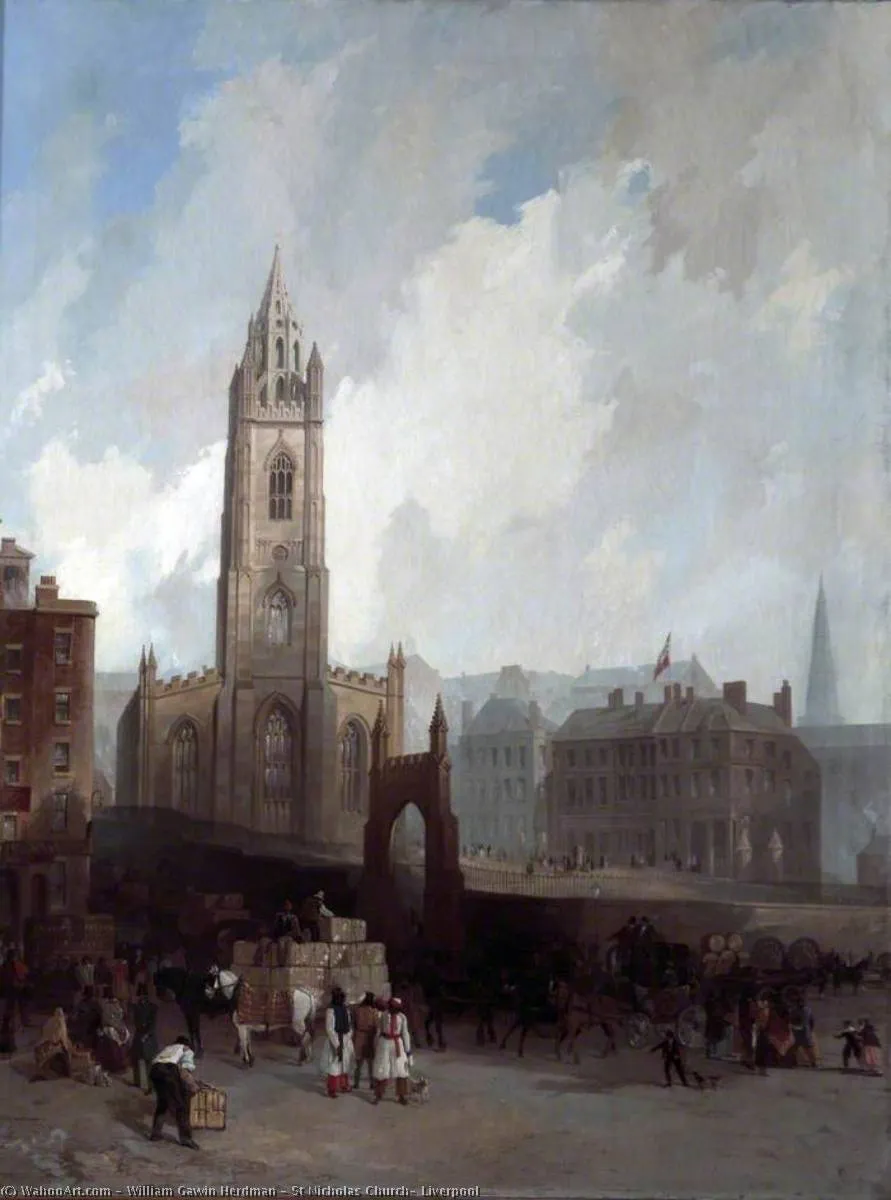
St Nicholas Church, Liverpool
 1842
1842 121.0 x 99.0 cm
 Walker Art Gallery
 Читать далее
Масляная репродукция ручной работы
Картина маслом на холсте в выбранном вами размере и раме, написанная на заказ нашими художниками. ( Перейти к печати Перейти к цифровым изображениям)




































Выберите один из наших стандартных размеров, соответствующих оригинальным пропорциям произведения искусства.

Вы можете указать собственные размеры, чтобы картина идеально вписалась в выбранную раму или пространство. Если выбранный вами размер не соответствует пропорциям оригинала, мы либо обрежем полотно, либо расширим его за счет дополнительных элементов, написанных вручную. Цифровой макет будет отправлен вам на утверждение перед началом производства.
Обратите внимание, что предварительный просмотр на экране не отражает фактическую обрезку или расширение. Только макет точно покажет окончательную композицию.
Хотя доступны индивидуальные размеры, мы рекомендуем выбирать вариант из предопределенного списка, чтобы сохранить исходные пропорции.
После оформления заказа команда ArtsDot.com свяжется с клиентом по электронной почте для уточнения деталей и предоставит предварительный макет
Доставка по всему миру () за 3–4 недели вместо стандартных 5 недель. (13 Сентябрь). Без компромиссов в качестве.

Бесплатная экспресс-доставка по всему миру

Высококачественный льняной холст

Полное страхование доставки

Гарантия возмещения таможенных пошлин

Гарантия точного соответствия цветов

100-дневная политика возврата (только при обнаружении дефектов)

Гарантия возврата 100% средств

Предложение оптовых скидок
 Вариант со стеклом доступен только для размеров менее 110 см

St Nicholas Church, Liverpool
Техника репродукции
Размер репродукции
-


Итоговая стоимость
$ 263
Похожие произведения




Биография художника
A Chronicler of Victorian Life: The World of William Gawin Herdman
William Gawin Herdman, a name perhaps less instantly recognizable than some of his contemporaries, nevertheless occupies a significant place in the tapestry of 19th-century British art. He wasn’t a revolutionary iconoclast shattering conventions; rather, he was a meticulous observer and skilled recorder of Victorian society, its bustling streets, its grand interiors, and the lives unfolding within them. Born with an eye for detail and a talent for capturing atmosphere, Herdman dedicated his career to documenting a world undergoing rapid transformation, offering us a fascinating glimpse into the everyday realities – and occasional splendors – of the era. While biographical details remain somewhat sparse, the sheer volume and quality of his work speak volumes about his dedication and artistic prowess. He wasn’t merely painting *what* he saw, but *how* it felt to be alive during a period defined by both progress and profound social change.Early Life and Artistic Training
The specifics of Herdman's early life are shrouded in some mystery, a common occurrence for artists whose focus lay more on creation than self-promotion. What is known is that he exhibited an early aptitude for drawing and painting, leading him to pursue formal training – though the exact institutions remain undocumented. He quickly gravitated towards watercolor, a medium perfectly suited to his meticulous style and preference for capturing light and shadow. This choice was strategic; watercolor allowed for portability, enabling him to work directly from life, sketching scenes in bustling urban environments or within the private spaces of his patrons’ homes. His early works demonstrate a clear influence of topographical artists, focusing on accurate depictions of architecture and landscape. However, even at this stage, Herdman showed a burgeoning interest in incorporating figures into his compositions, hinting at his future specialization as a chronicler of social life. He wasn't content simply to record buildings; he wanted to populate them with the people who gave those spaces meaning.The Rise of a Social Topographer
Herdman’s career truly blossomed during the mid-Victorian period, a time when an expanding middle class created a demand for art that reflected their own lives and aspirations. He quickly established himself as a highly sought-after artist, particularly in the thriving industrial cities of Scotland and England. Liverpool became a central hub for his work, where he documented the city’s bustling docks, its elegant townhouses, and the vibrant social scene of its merchant class. Simultaneously, Edinburgh provided another rich source of inspiration, with Herdman capturing the historic grandeur of the Old Town alongside the burgeoning New Town. His paintings weren't grand historical narratives; they were intimate portraits of everyday life – a family gathered around a piano, a crowded market street, a fashionable gathering in a drawing room. He possessed an uncanny ability to capture the nuances of Victorian etiquette and social interaction, making his works invaluable records of the period’s customs and manners.Technique and Style: A Master of Detail
Herdman's artistic style is characterized by its remarkable detail and precision. He wasn’t a painter who relied on broad brushstrokes or dramatic effects; instead, he meticulously rendered every element of his compositions, from the intricate patterns of wallpaper to the subtle expressions on his subjects’ faces. His watercolor technique was masterful, employing layers of delicate washes to create depth and atmosphere. He excelled at capturing light, particularly the soft, diffused light that often characterizes British interiors. This attention to detail wasn't merely about technical skill; it was integral to his goal of creating accurate and evocative representations of Victorian life. He wanted viewers to feel as though they were stepping into the scenes he depicted, experiencing the sights, sounds, and even the social dynamics firsthand. His work often features a narrative quality, inviting viewers to speculate about the lives and stories of the people he portrayed.Legacy and Historical Significance
While Herdman may not be a household name today, his contribution to our understanding of Victorian life is undeniable. His paintings offer a unique and invaluable glimpse into the everyday realities of the era, providing insights into social customs, architectural styles, and the lives of ordinary people. He wasn’t interested in idealizing or romanticizing the past; he was committed to documenting it with honesty and accuracy.- His works serve as important historical documents
- They provide a visual record of Victorian interiors and fashion
- He captured the atmosphere of bustling urban centers like Liverpool and Edinburgh
Основные сведения
- Artistic Movement Or Style: Romantic Landscape Painting
- Artists Or Movements Influenced By This Artist:
- Hudson Lowe
- William Holman Hunt
- Artists Who Influenced This Artist:
- John Constable
- George Caleb Bingham
- Date Of Birth: 1805
- Date Of Death: 1882
- Full Name: William Gawin Herdman
- Nationality: British
- Notable Artworks:
- Stirling from the Castle
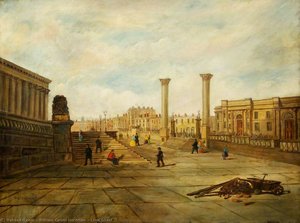
- Lime Street
- St Nicholas Church
- Place Of Birth: Liverpool, England