

 Предпросмотр
 Поделиться
 Поделиться
 Детали произведения

 Скачать
 Похожие работы
 Рентгенография
 Слайд-шоу
 Статистика
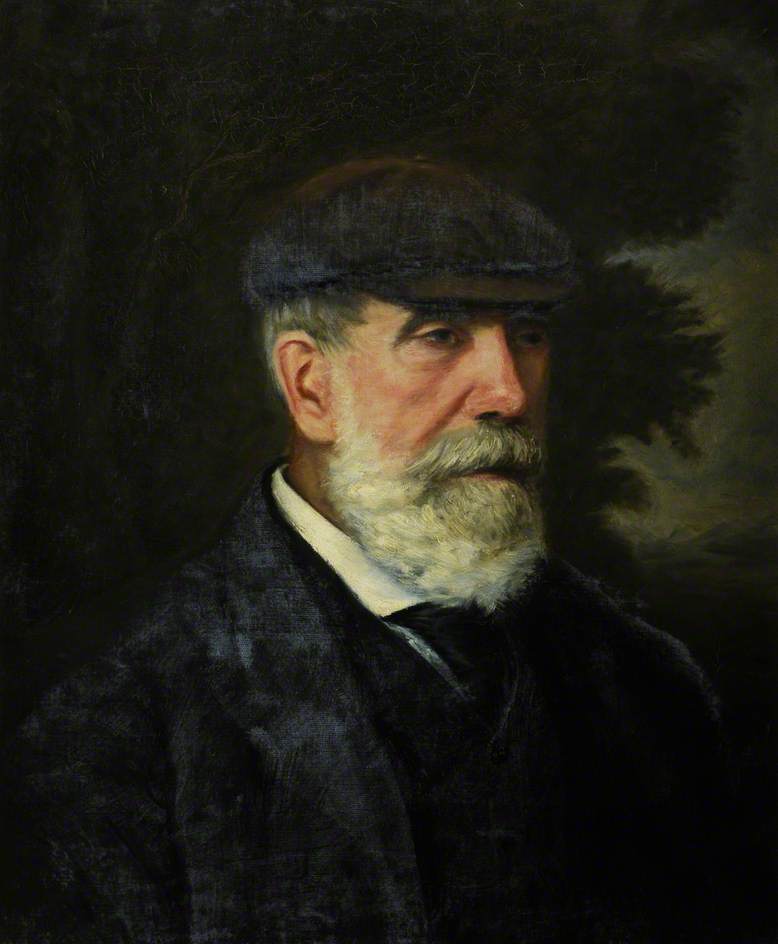
Robert Brown
 60.0 x 50.0 cm
 Читать далее
Жикле / Арт-принт
Печать (жикле) или холст музейного качества с быстрыми сроками изготовления и широким выбором вариантов отделки. ( Купить картину ручной работы Перейти к цифровым изображениям)




































Выберите один из наших стандартных размеров, соответствующих оригинальным пропорциям произведения искусства.

Вы можете указать свои собственные размеры, чтобы репродукция идеально подошла под конкретную раму или пространство. Если выбранный вами размер не будет соответствовать пропорциям оригинала, мы либо обрежем произведение, либо дополним изображение зеркальным отражением краев или однотонной заливкой. Перед началом производства вам будет отправлен цифровой макет для утверждения.
Пожалуйста, обратите внимание, что предварительный просмотр на экране не отображает фактическую обрезку или расширение изображения. Только макет точно покажет финальную композицию.
Несмотря на возможность заказа индивидуальных размеров, мы рекомендуем выбирать размер из предопределенного списка, чтобы сохранить оригинальные пропорции.
Доставка по всему миру () за 2 недели вместо стандартных 4/5 недель. (13 Сентябрь)

Бесплатная экспресс-доставка по всему миру

Высококачественный льняной холст

Полное страхование доставки

Гарантия возмещения таможенных пошлин

Гарантия точного соответствия цветов

100-дневная политика возврата (только при обнаружении дефектов)

Гарантия возврата 100% средств

Предложение оптовых скидок
 Вариант со стеклом доступен только для размеров менее 110 см

Robert Brown
Жикле / Арт-принт
Размер репродукции
-


Итоговая стоимость
$ 62
Похожие произведения










Биография художника
The Sculptor of Dignity and Literary Vision
In the heart of the Victorian era, a period defined by the dual forces of scientific progress and profound social reform, William Grant Stevenson (1849–1919) emerged as a master of form and emotion. Born in Ratho, Midlothian, Stevenson was destined for a life steeped in the arts, being the brother of the esteemed sculptor David Watson Stevenson. His artistic journey was not merely one of technical mastery but a deep, spiritual pursuit to capture the essence of human character through bronze and marble. As a sculptor and portrait painter, he possessed a rare ability to breathe life into static medium, translating the complex psychological landscapes of his subjects into enduring monuments that continue to grace the landscapes of Scotland and beyond.
Stevenson’s artistic foundation was laid under the watchful eye of William Angus Nicolson, whose teachings instilled in him a commitment to meticulous realism. This early training allowed Stevenson to develop a style characterized by profound psychological insight, where every curve of muscle and subtle shift in expression served a narrative purpose. His work often bridged the gap between the physical and the literary; he was an artist deeply moved by the poetic spirit of Scotland, finding immense inspiration in the works of Robert Burns. This connection to literature manifested in his evocative illustrations and sculptures that sought to capture not just the likeness of great men, but their very souls.
Monuments of National Identity
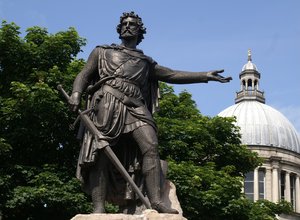
The legacy of Stevenson is perhaps most visibly etched into the urban fabric of Scotland through his monumental commissions. His most celebrated achievement remains the colossal bronze figure of Sir William Wallace, which stands with commanding presence in Aberdeen. Perched upon a high plinth of rugged pink granite, this statue serves as a powerful symbol of Scottish resilience and strength. The work is more than a mere historical commemoration; it is a masterclass in using scale and texture to evoke the heroic spirit of a national icon.
Beyond the walls of Aberdeen, Stevenson’s reach extended across the Atlantic, driven by a shared reverence for the Bard of Ayrshire. His bronze statues of Robert Burns can be found in diverse locations such as:
- Denver, Colorado, within the serene confines of City Park;
- Chicago, Illinois, gracing Garfield Park;
- Fredericton, New Brunswick, standing as a sentinel in The Green;
- Milwaukee, Wisconsin, at Burns Commons.
These works demonstrate his ability to translate local Scottish sentiment into a universal language of heroism and poetic beauty, making him a sculptor of international significance.
A Legacy of Character and Craft
While his monumental bronzes captured the public imagination, Stevenson’s smaller-scale works and portraiture revealed a more intimate side of his genius. He had a remarkable talent for immortalizing the great figures of his age, such as James Carnegie, 9th Earl of Southesk. In these portraits, Stevenson utilized the fine details of attire—such as the collar of the Order of the Thistle—to convey status and history, while simultaneously capturing the rugged, romantic essence of a man who had traversed the wilds of Canada. His ability to balance the formal requirements of portraiture with an uncompromising look at human character set him apart from his contemporaries.
In his later years, Stevenson continued to contribute to the rich tapestry of Scottish art, even venturing into literature with his published work, Wee Johnnie Paterson. His election to the Royal Scottish Academy in 1896 served as a formal recognition of a lifetime dedicated to the pursuit of beauty and truth. Though he passed away in 1919, the shadows cast by his bronze figures and the silent strength of his marble busts remain, serving as a permanent testament to a man who could turn cold metal into the very heartbeat of history.
william grant stevenson
1849 - 1919
Основные сведения
- Artistic Movement Or Style: Victorian Art
- Artists Or Movements Influenced By This Artist: ['Realism']
- Artists Who Influenced This Artist: ['Charles Martin Hardie']
- Date Of Birth: 1849
- Date Of Death: 1919
- Full Name: William Grant Stevenson
- Nationality: Scottish
- Notable Artworks:
- Wallace Statue
- Burns Monument
- Place Of Birth: Scotland