

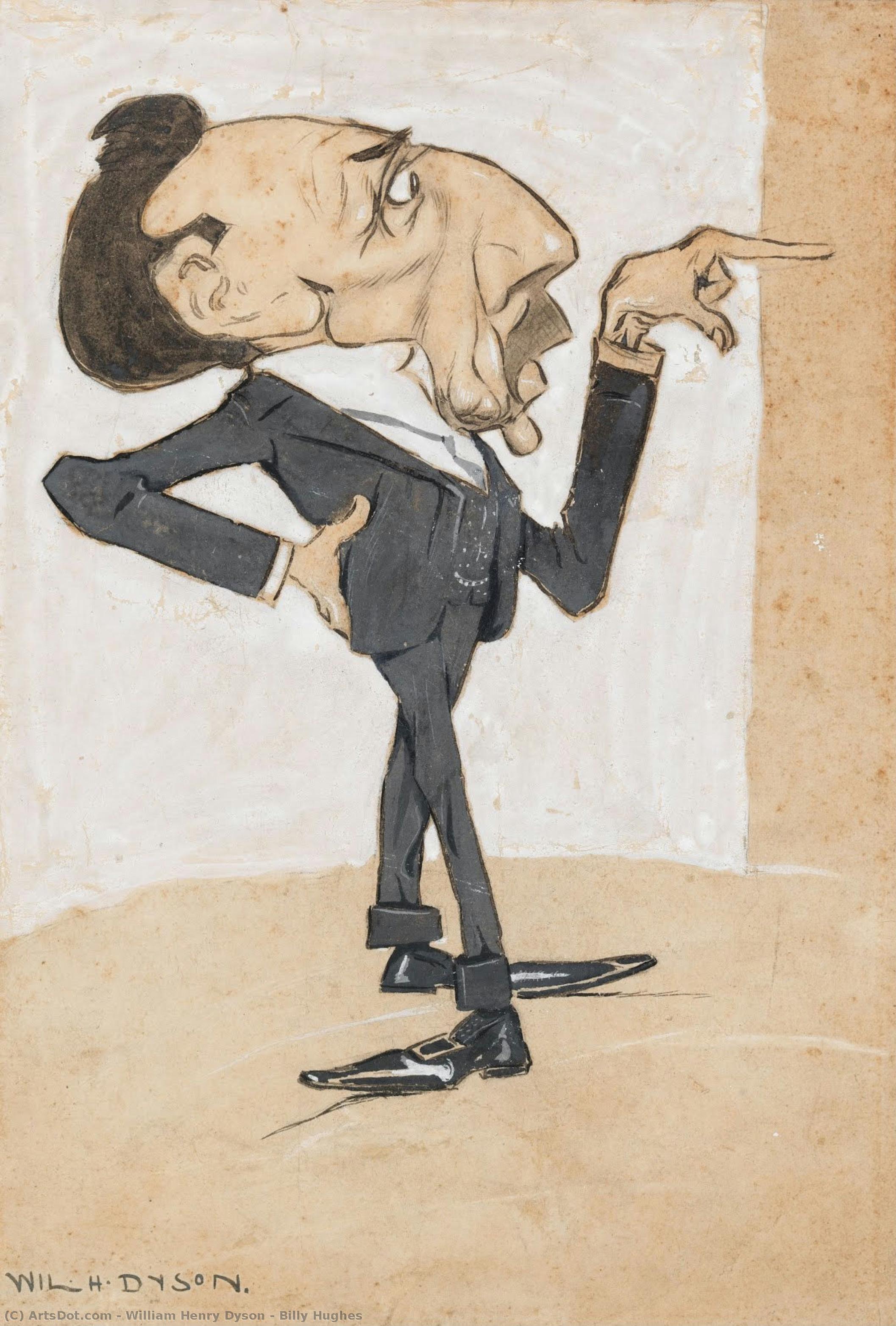
 Предпросмотр
 Поделиться
 Поделиться
 Детали произведения

 Скачать
 Похожие работы
 Рентгенография
 Слайд-шоу
 Статистика
Billy Hughes
 26.0 x 19.0 cm
 National Portrait Gallery
 Читать далее
Приобретите цифровое изображение высокого разрешения в улучшенном качестве, которое значительно превосходит онлайн-превью.
Каждый файл тщательно подготавливается нашими специалистами с использованием передовых инструментов и экспертной ручной ретуши. Мы гарантируем исключительную четкость, точную цветопередачу и детальную проработку каждого изображения.
Финальный файл доставляется по электронной почте в течение 72 часов и оптимизирован для немедленного использования в профессиональной среде, при верстке и печати. Это тот же уровень качества, которому доверяют ведущие дизайнерские студии, издательства и галереи.
Цифровое изображение
Скачайте файл высокого разрешения для личного использования, печати и творческих проектов. ( Перейти к печати Купить картину ручной работы)
Включено в каждый заказ цифровых изображений
Гарантия экспертной цифровой доставки
Выбирая ArtsDot.com, вы получаете не просто изображение — вы приобретаете профессионально обработанное цифровое произведение искусства, созданное с безупречной точностью и под защитой гарантии качества. Вот всё, что автоматически входит в ваш заказ:

Мгновенная доставка по e-mail
Ваш цифровой файл в высоком разрешении будет отправлен вам по электронной почте в течение 72 часов после оформления заказа — и сразу станет доступен для использования.

Цифровой файл с ИИ-улучшением
Ваше произведение искусства проходит профессиональную оптимизацию с использованием передовых инструментов ИИ и ручной обработки, что гарантирует максимальную детализацию, четкость и точность цветопередачи.

Бессрочная бесплатная повторная доставка
Случайно удалили или потеряли файл? Не беспокойтесь — мы отправим его вам повторно в любое время и совершенно бесплатно.

Без импортных пошлин — навсегда
Наслаждайтесь вашим произведением искусства мгновенно без таможенных пошлин, сборов или затрат на доставку — цифровые загрузки всегда не облагаются налогом.

Гарантия точности цветопередачи
Мы гарантируем, что ваше цифровое изображение максимально точно передает оригинальные цвета благодаря использованию профессиональных инструментов и систем управления цветом.

Гарантия удовлетворенности 100 дней
Если вы не будете удовлетворены своим цифровым изображением, мы внесем правки или вернем 100% стоимости в течение 100 дней — без лишних вопросов.

100% Гарантия возврата средств
Не удовлетворены покупкой? Получите полный возврат средств в течение 100 дней после получения цифрового файла — без лишних вопросов.

Скидки на оптовые заказы
Купите 3 изображения, сэкономьте 10% — Купите 5, сэкономьте 15% — Купите 10+, сэкономьте 20%. Отличное решение для творческих проектов, галерей и агентств.
Похожие произведения









Биография художника
A Life Etched in Ink: The World of William Henry Dyson
William Henry ‘Will’ Dyson, a name perhaps less instantly recognizable than some of his contemporaries, nevertheless occupies a pivotal position in the history of Australian art and political commentary. Born in 1880 near Ballarat, Victoria, into a large family grappling with the realities of working-class life, Dyson's artistic journey was deeply interwoven with social consciousness and a fierce commitment to justice. His father’s initial struggles as a miner, transitioning to a dry-goods hawker, and the strong labor movement activism within his family instilled in young Will a sensitivity to inequality that would become the defining characteristic of his work. From an early age, nurtured by siblings who recognized his talent for both drawing and writing, Dyson began to hone skills that would eventually allow him to give voice to the voiceless through the potent medium of political cartooning. His formal education at Albert Park State School was cut short in 1892, but his true schooling had already begun – a rigorous apprenticeship in observation, empathy, and the art of visual storytelling.From Australian Roots to London’s Political Stage
Dyson's career blossomed quickly after submitting illustrations to The Bulletin at just seventeen years old, initially under the pseudonym ‘Asa Dane’. This early success provided a crucial foothold in the competitive world of Australian journalism and illustration. A period working for The Critic in Adelaide further refined his skills as a caricaturist, but it was his encounter with Norman Lindsay that proved particularly formative. The two artists forged a lasting friendship and artistic camaraderie, pushing each other to explore new techniques and perspectives. This relationship deepened when Dyson married Ruby Lindsay, Norman’s sister, in 1909. Shortly thereafter, the couple made the momentous decision to relocate to London – a move that would dramatically alter the course of Dyson's career. London offered a broader audience and a more pressing need for social commentary, allowing him to engage with issues on a global scale. He quickly secured a position as a cartoonist for The Daily Herald, where his biting wit and unflinching critique of societal problems soon gained widespread recognition.A Voice for the Disenfranchised: Dyson’s Artistic Style & Themes
Dyson's artistic style was immediately recognizable – bold lines, expressive figures, and a masterful use of satire combined to create images that were both visually striking and intellectually provocative. He drew inspiration from artists like Honoré Daumier, whose socially conscious caricatures served as a powerful model for his own work. However, Dyson’s style was uniquely his own, infused with the energy and directness of Australian artistic sensibilities. His cartoons fearlessly addressed themes such as poverty, inequality, and the injustices of war, often focusing on the plight of working-class individuals and challenging the established power structures. He didn't shy away from controversy, using his art to expose hypocrisy and demand social reform. His progressive views aligned with a growing movement for change in Britain, and his cartoons became potent tools for raising awareness and sparking debate. Dyson’s work wasn’t merely about depicting problems; it was about igniting a fire within the viewer, compelling them to question the status quo and advocate for a more just world.Bearing Witness: Dyson as Australia's First Official War Artist
The outbreak of World War I ignited a new artistic fervor in Dyson. He directed his scathing artwork towards German militarism and the horrors of war, but he felt compelled to do more than simply comment from afar. In 1916, driven by a desire to document the realities faced by soldiers on the Western Front, he applied to join the Australian forces as an artist. Appointed an honorary lieutenant in January 1917, he joined Anzac troops in France and was officially recognized as Australia’s first official war artist that May. His wartime depictions were starkly realistic, capturing not just the physical devastation of conflict but also the profound emotional toll it took on those who fought. He eschewed romanticized portrayals of heroism, instead focusing on the grim realities of trench warfare – the mud, the fear, the loss, and the sheer futility of it all. One of the Old Platoon, for example, is a haunting depiction of exhausted soldiers, stripped of their glory and reduced to mere shadows of their former selves. His work served as a powerful counterpoint to the patriotic propaganda that often dominated wartime narratives.A Lasting Legacy: Dyson’s Enduring Impact
The death of his wife, Ruby Lindsay, in 1919 deeply affected Dyson, leading to a period of artistic stagnation and personal grief. He returned to Australia in 1924 but found it difficult to reconnect with the local art scene, eventually returning to England in 1930. He died in London in 1938 at the age of 57, leaving behind a body of work that continues to resonate today. Dyson’s legacy lies not only in his technical skill and artistic innovation but also in his unwavering commitment to social justice. He demonstrated the power of art as a vehicle for political commentary, using satire and caricature to challenge authority and advocate for change. His unflinching depictions of war and inequality remain relevant in the 21st century, serving as a reminder of the enduring importance of critical thinking and compassionate engagement with the world around us. He was a master storyteller, an astute observer of human nature, and a fearless champion of the underdog – qualities that ensure his place among the most important political cartoonists of the early 20th century.
William Henry Dyson
1880 - 1938