

 Предпросмотр
 Поделиться
 Поделиться
 Детали произведения

 Скачать
 Похожие работы
 Рентгенография
 Слайд-шоу
 Статистика
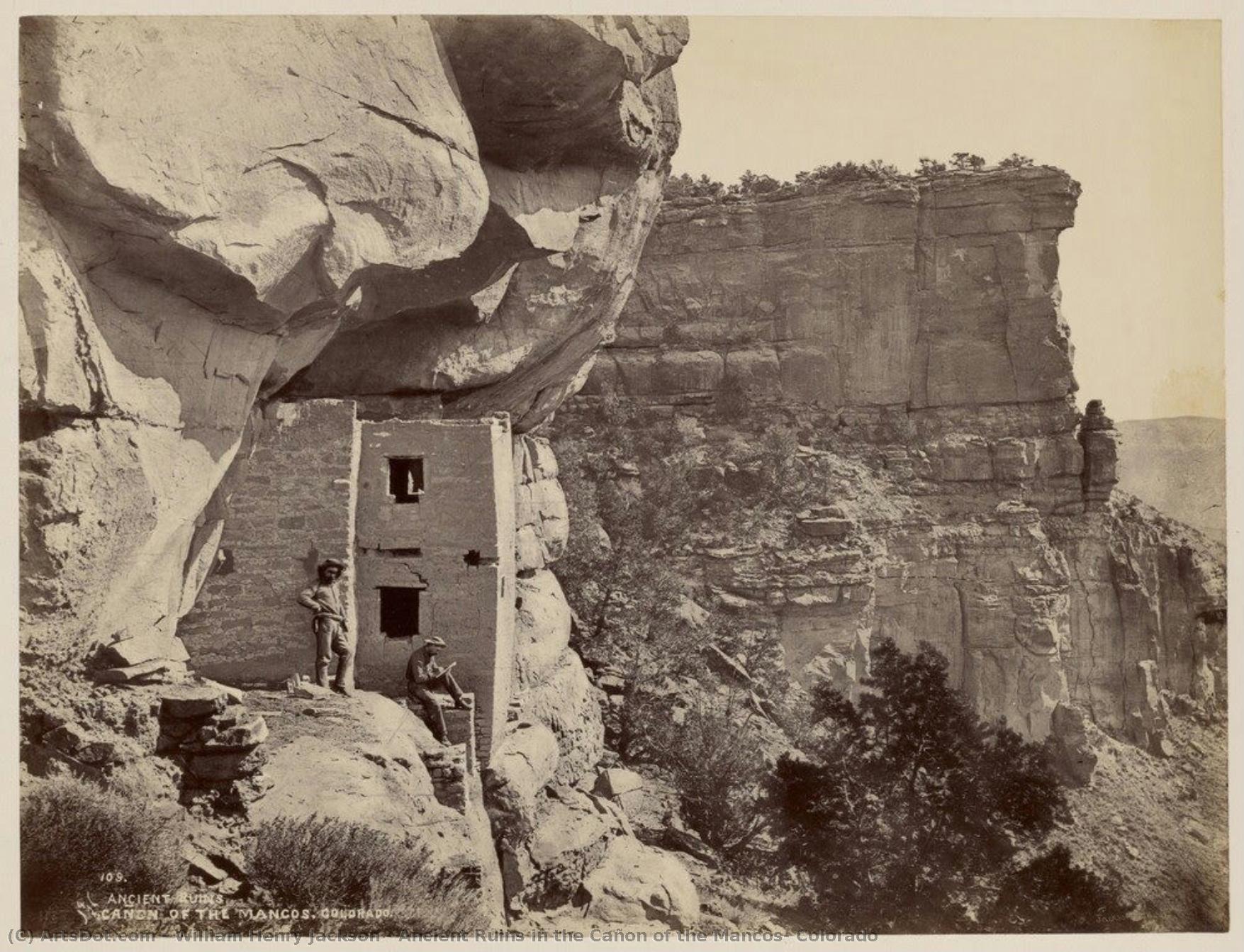
Ancient Ruins in the Cañon of the Mancos, Colorado
 Acrylic On Canvas
- WallArt
- American Luminist Landscape
 1874
1874 25.0 x 33.0 cm
 Музей Дж. Пол Гети
 Читать далее
Приобретите цифровое изображение высокого разрешения в улучшенном качестве, которое значительно превосходит онлайн-превью.
Каждый файл тщательно подготавливается нашими специалистами с использованием передовых инструментов и экспертной ручной ретуши. Мы гарантируем исключительную четкость, точную цветопередачу и детальную проработку каждого изображения.
Финальный файл доставляется по электронной почте в течение 72 часов и оптимизирован для немедленного использования в профессиональной среде, при верстке и печати. Это тот же уровень качества, которому доверяют ведущие дизайнерские студии, издательства и галереи.
Цифровое изображение
Скачайте файл высокого разрешения для личного использования, печати и творческих проектов. ( Перейти к печати Купить картину ручной работы)
Включено в каждый заказ цифровых изображений
Гарантия экспертной цифровой доставки
Выбирая ArtsDot.com, вы получаете не просто изображение — вы приобретаете профессионально обработанное цифровое произведение искусства, созданное с безупречной точностью и под защитой гарантии качества. Вот всё, что автоматически входит в ваш заказ:

Мгновенная доставка по e-mail
Ваш цифровой файл в высоком разрешении будет отправлен вам по электронной почте в течение 72 часов после оформления заказа — и сразу станет доступен для использования.

Цифровой файл с ИИ-улучшением
Ваше произведение искусства проходит профессиональную оптимизацию с использованием передовых инструментов ИИ и ручной обработки, что гарантирует максимальную детализацию, четкость и точность цветопередачи.

Бессрочная бесплатная повторная доставка
Случайно удалили или потеряли файл? Не беспокойтесь — мы отправим его вам повторно в любое время и совершенно бесплатно.

Без импортных пошлин — навсегда
Наслаждайтесь вашим произведением искусства мгновенно без таможенных пошлин, сборов или затрат на доставку — цифровые загрузки всегда не облагаются налогом.

Гарантия точности цветопередачи
Мы гарантируем, что ваше цифровое изображение максимально точно передает оригинальные цвета благодаря использованию профессиональных инструментов и систем управления цветом.

Гарантия удовлетворенности 100 дней
Если вы не будете удовлетворены своим цифровым изображением, мы внесем правки или вернем 100% стоимости в течение 100 дней — без лишних вопросов.

100% Гарантия возврата средств
Не удовлетворены покупкой? Получите полный возврат средств в течение 100 дней после получения цифрового файла — без лишних вопросов.

Скидки на оптовые заказы
Купите 3 изображения, сэкономьте 10% — Купите 5, сэкономьте 15% — Купите 10+, сэкономьте 20%. Отличное решение для творческих проектов, галерей и агентств.
Ancient Ruins in the Cañon of the Mancos – A Window Into Colorado’s Past
The photograph “Ancient Ruins in the Cañon of the Mancos,” executed by William Henry Jackson in 1874, stands as a cornerstone of American landscape photography and a poignant testament to the burgeoning fascination with prehistoric cultures during the late Victorian era. Captured amidst the dramatic sandstone formations of Mesa Verde National Park, this albumen silver print transcends mere documentation; it’s an immersive experience into a bygone epoch, imbued with both scientific observation and artistic sensitivity. Jackson's meticulous approach—characteristic of his broader project documenting the American West for the Geological Survey—involved careful composition and painstaking printing techniques. He skillfully positioned himself to capture the grandeur of the canyon walls bathed in soft afternoon light, emphasizing textures and contours that convey a palpable sense of scale and timelessness. The resulting image reveals a small stone building perched atop a prominent rock outcrop, populated by figures observing the ruins – likely surveyors or explorers eager to record this remarkable site. The photograph’s monochrome palette—a hallmark of Luminist painting—amplifies its emotional resonance. Absence of color lends itself powerfully to conveying mood and atmosphere, highlighting the solemn beauty of the ancient landscape and inviting contemplation about the passage of time. The subtle tonal variations within the print capture nuances of light and shadow, creating depth and dimensionality that draw the viewer into the scene. Jackson’s masterful use of printing techniques—particularly dodging and burning—further enhances these effects, sculpting highlights and shadows to accentuate the textures of the stone building and canyon walls. Beyond its aesthetic qualities, “Ancient Ruins in the Cañon of the Mancos” holds significant historical importance. It represents one of the earliest visual records of Mesa Verde’s cliff dwellings – a UNESCO World Heritage Site—and played a crucial role in shaping public understanding of Native American history. Jackson's work coincided with a period of intense debate regarding the origins and cultural significance of Southwestern ruins, fueled by burgeoning archaeological discoveries. The photograph served as an invaluable tool for disseminating scientific knowledge alongside artistic impressions, contributing to the growing appreciation for the region’s prehistoric heritage. Furthermore, the image speaks to broader themes of exploration, discovery, and humanity's relationship with the natural world. It embodies the spirit of adventure that defined the American West during the late 19th century—a quest to chart uncharted territories and unravel mysteries hidden within the landscape. The presence of human figures amidst the ruins underscores our inherent desire to connect with past civilizations and contemplate our place in the grand sweep of geological time. “Ancient Ruins in the Cañon of the Mancos” remains a captivating visual narrative, inviting viewers to immerse themselves in the beauty and complexity of Colorado’s ancient history.Похожие произведения

![[ibsamboul. Spéos De Phré] — John Beasley Greene, Romanticism](/media/artworks/images-thumb/4f/d0/4fd07465fdfae392a7dc1f60ce3242d5.jpg)
Биография художника
early life and career
william henry jackson, an american photographer, civil war veteran, painter, and explorer, was born on april 4, 1843, in keeseville, new york. he was the first of seven children to george hallock jackson and harriet maria allen. jackson's early life was marked by his service in the american civil war for nine months, including the battle of gettysburg.artistic journey
after the war, jackson became a skilled artist, capturing the essence of american pre-civil war visual arts. in 1866, he traveled west to great salt lake as a bullwhacker on the oregon trail. he settled in omaha in 1867 and entered the photography business. in 1869, he joined the union pacific to document scenery along railroad routes for promotional purposes.notable contributions
* the tower of babel, garden of the gods (amon carter museum of american art, fort worth, united states), a photograph showcasing his skill in capturing the american west. * ute tepee. los pinos agency (amon carter museum of american art, fort worth, united states), another notable photograph that highlights his work with native american communities. * ancient ruins in the cañon of the mancos, colorado (j. paul getty museum, los angeles, united states), a print that demonstrates his ability to capture the beauty of the american landscape.museums and collections
jackson's work can be found in various museums across the united states, including:- amon carter museum of american art (fort worth, texas)
- j. paul getty museum (los angeles, california)
legacy and impact
jackson's work not only captured the essence of the american west but also contributed to the development of photography as an art form. his photographs continue to be celebrated for their historical significance and aesthetic value.- explore more of william henry jackson's work on ArtsDot
- discover the mona lisa (la gioconda), a masterpiece by leonardo da vinci
- learn about the african-american history and its significance in american culture.
conclusion
william henry jackson's life was a testament to his perseverance and passion for art. through his photographs, he captured the spirit of the american west, leaving an indelible mark on the world of photography and art.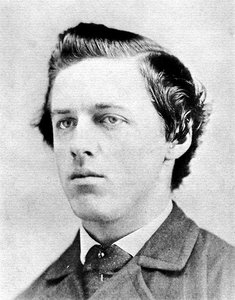
William Henry Jackson
1843 - 1942 , United States of America
Основные сведения
- Artistic Movement Or Style: Romantic Landscape Painting
- Artists Or Movements Influenced By This Artist: ['Hudson River School']
- Artists Who Influenced This Artist: ['George Hallock Jackson']
- Date Of Birth: April 4, 1843
- Date Of Death: 1942
- Full Name: William Henry Jackson
- Nationality: American
- Notable Artworks:
- Tower of Babel
- UTE Tepee
- Place Of Birth: Keswick, United States