 Предпросмотр
 Поделиться
 Поделиться
 Детали произведения

 Скачать
 Похожие работы
 Рентгенография
 Слайд-шоу
 Статистика
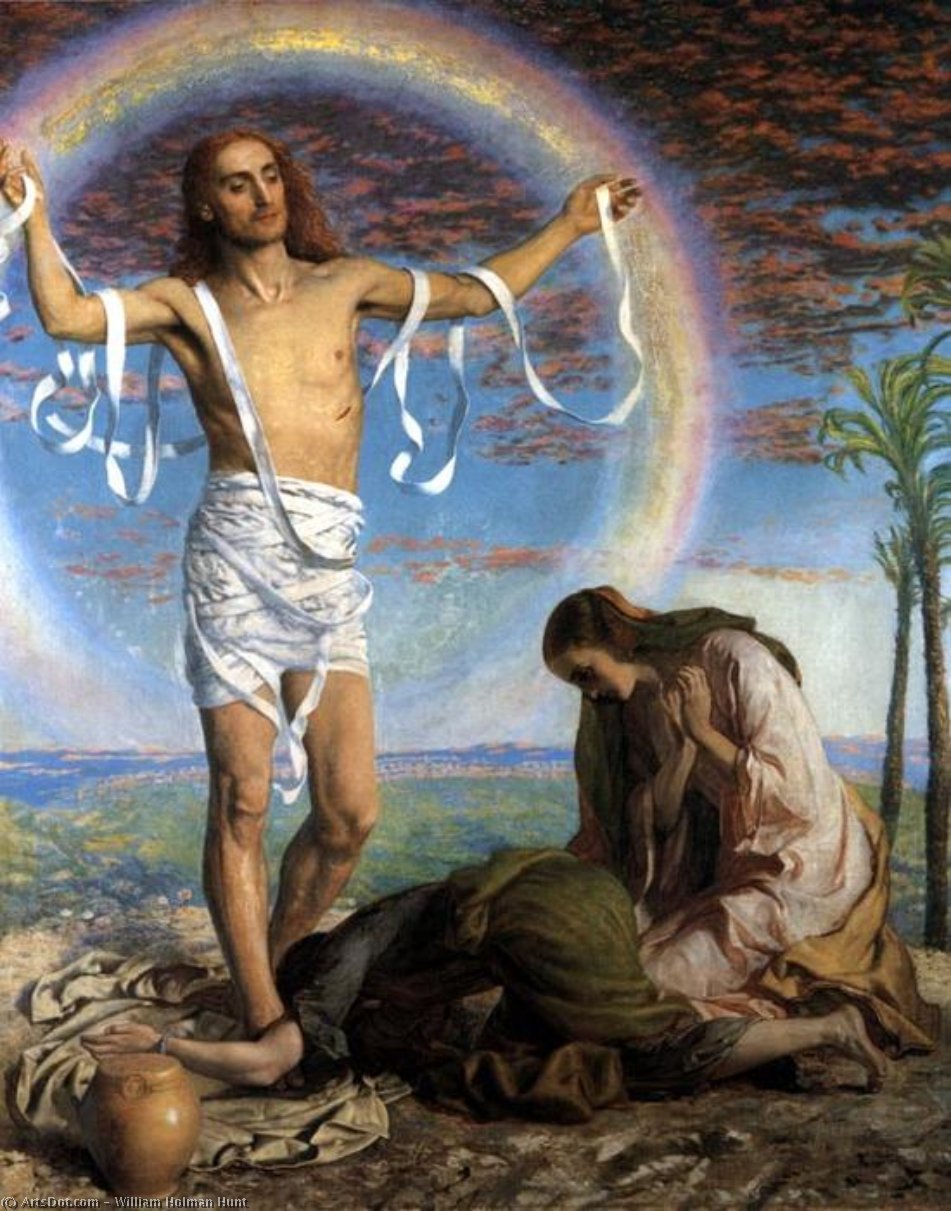
The Risen Christ with the Two Marys in the Garden of Joseph of Arimathea


 Читать далее
Масляная репродукция ручной работы
Картина маслом на холсте в выбранном вами размере и раме, написанная на заказ нашими художниками. ( Перейти к печати Перейти к цифровым изображениям)




P118B $10

P118H $10

P118W $10

P438Z $10

P508JH $12

P508YH $12

P805H $10

P805Z $10

P919BZ $10

P919G $10

P919XJ $10

P959ZH $10

P968JZ $12

W106C $8

W218G $10

W218JH $8

W218Y $10

W307PJ $10

W316G $10

W316PJ $8

W316Y $10

W398PJ $8

W4111J $10

W500HY $15

W500JH $15

W692G $12

W849H $8

W940BG $15

W953PJ $8




Выберите один из наших стандартных размеров, соответствующих оригинальным пропорциям произведения искусства.

Вы можете указать собственные размеры, чтобы картина идеально вписалась в выбранную раму или пространство. Если выбранный вами размер не соответствует пропорциям оригинала, мы либо обрежем полотно, либо расширим его за счет дополнительных элементов, написанных вручную. Цифровой макет будет отправлен вам на утверждение перед началом производства.
Обратите внимание, что предварительный просмотр на экране не отражает фактическую обрезку или расширение. Только макет точно покажет окончательную композицию.
Хотя доступны индивидуальные размеры, мы рекомендуем выбирать вариант из предопределенного списка, чтобы сохранить исходные пропорции.
После оформления заказа команда ArtsDot.com свяжется с клиентом по электронной почте для уточнения деталей и предоставит предварительный макет
Доставка по всему миру () за 3–4 недели вместо стандартных 5 недель. (10 Сентябрь). Без компромиссов в качестве.

Бесплатная экспресс-доставка по всему миру

Высококачественный льняной холст

Полное страхование доставки

Гарантия возмещения таможенных пошлин

Гарантия точного соответствия цветов

100-дневная политика возврата (только при обнаружении дефектов)

Гарантия возврата 100% средств

Предложение оптовых скидок
 Вариант со стеклом доступен только для размеров менее 110 см

The Risen Christ with the Two Marys in the Garden of Joseph of Arimathea
Техника репродукции
Размер репродукции
-


Итоговая стоимость
$ 263
The Risen Christ with the Two Marys in the Garden of Joseph of Arimathea: A Pre-Raphaelite Revelation
William Holman Hunt’s “The Risen Christ with the Two Marys in the Garden of Joseph of Arimathea,” completed in 1897, is more than a painting; it's a meticulously crafted meditation on faith, grief, and the profound mystery of resurrection. This monumental oil-on-canvas work, currently residing at the Art Gallery of South Australia in Adelaide, stands as a cornerstone of the Pre-Raphaelite Brotherhood’s artistic vision – a movement dedicated to rejecting academic art conventions and embracing instead a return to the sincerity and detail found in medieval masterpieces.
A Scene from Scripture, Rendered with Unwavering Detail
The painting depicts a pivotal moment following Christ’s resurrection. Jesus stands bathed in an ethereal light, his arms outstretched in a gesture of both blessing and vulnerability. He is attended by Mary Magdalene and Mary of Cleophas, the two women who witnessed his crucifixion and were among the first to discover the empty tomb. The setting – the garden of Joseph of Arimathea – subtly references biblical accounts, grounding the spiritual narrative within a tangible earthly space. Hunt’s commitment to realism is immediately apparent; every fold in the fabric, every expression on the figures' faces, every detail of the foliage has been rendered with painstaking accuracy. This dedication to naturalism was a hallmark of the Pre-Raphaelites, who sought to capture the world as they perceived it – not through idealized representations, but through direct observation and meticulous study.
Symbolism Woven into Every Element
Beyond its realistic depiction, “The Risen Christ” is rich in symbolic meaning. The cup positioned near the bottom left corner, for instance, may represent a chalice used in religious ceremonies or rituals – a subtle nod to the Eucharist and the sacredness of the scene. The presence of the doves, soaring above the figures, symbolizes peace and the Holy Spirit. Notably, Hunt incorporated elements from his earlier work, “The Lady of Shalott,” including a roundel depicting the adoration of the Christ Child by Mary, demonstrating a deliberate continuity in his artistic themes and techniques. The carefully chosen colors – predominantly blues, greens, and golds – evoke a sense of serenity and divine presence, while the stark contrast between light and shadow heightens the drama and emotional intensity of the scene.
The Artist’s Journey and the Painting's Completion
Hunt began work on this ambitious painting in 1847 at the age of twenty, but he struggled with its completion for decades. He felt that his own faith wasn’t strong enough to adequately portray such a profound spiritual event. It wasn’t until 1897, when he was seventy years old and had achieved considerable success as an artist, that he finally deemed the work worthy of finishing. This protracted process speaks volumes about Hunt's artistic rigor and his unwavering commitment to capturing the essence of his subject matter. The painting represents not just a religious scene but also a testament to the enduring power of artistic vision and perseverance.
For high-quality reproductions and further information, please visit ArtsDot.com
Похожие произведения

Биография художника
William Holman Hunt: A Soul Painted on Canvas
William Holman Hunt, born in the bustling heart of Cheapside, London, on April 2nd, 1827, wasn’t merely a painter; he was a profound seeker – a philosopher and spiritualist who translated his deepest convictions into breathtaking visual narratives. His early life, though steeped in the practical world of his father's warehouse business, harbored an artistic spirit that would ultimately defy expectations and reshape the course of Victorian art. Initially destined for a similar path of commerce, Hunt discovered solace and purpose within the realm of painting, beginning with clandestine sketches and, eventually, formal training at the prestigious Royal Academy Schools. However, this initial apprenticeship proved restrictive; he yearned for an artistic expression that transcended the rigid conventions of academic art – a desire fueled by a deep dissatisfaction with what he perceived as its artificiality and detachment from genuine human experience. This yearning led him to embrace the ideals of the Pre-Raphaelite Brotherhood, a collective dedicated to reviving the sincerity, detail, and symbolic richness of pre-Renaissance Italian painting—a movement that would forever alter the landscape of British art. Hunt’s journey was not simply about aesthetics; it was a relentless quest for truth, morality, and spiritual resonance within the very act of creating visual representations.The Genesis of a Revolutionary Brotherhood
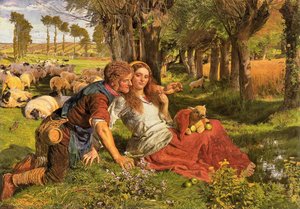
In 1848, amidst the intellectual ferment of London, William Holman Hunt, alongside Dante Gabriel Rossetti and John Everett Millais, established the Pre-Raphaelite Brotherhood (PRB). This wasn’t merely an artistic group; it was a deliberate rebellion against what they viewed as the decline of art since the era of Raphael. The PRB championed a return to meticulous detail, vibrant colors, and subject matter rooted in sincerity and symbolic depth—drawing inspiration from the works of artists like Giotto and the early Italian masters who predated the perceived artificiality of High Renaissance ideals. Hunt’s commitment to these principles remained unwavering throughout his career. His early work, exemplified by *The Hireling Shepherd*, painted in 1851, powerfully demonstrated this dedication. The painting's astonishing realism – from the individual strands of wool on the sheep’s fleece to each meticulously rendered blade of grass—was revolutionary for its time, challenging the prevailing academic style and demanding a new level of observational skill. *The Hireling Shepherd* wasn’t simply a depiction of rural life; it was an allegory of moral corruption, subtly conveying a critique of societal values through painstaking detail and symbolic imagery. The Brotherhood's manifesto, penned by Rossetti, articulated their core beliefs: to reject the conventions of the Royal Academy, embrace the honesty of nature, and strive for artistic works that were both beautiful and morally uplifting. Hunt’s role within this movement was pivotal – he served as a driving force behind its ideals, advocating for a return to the spiritual and emotional depth of earlier art forms.A Pilgrimage of Faith and Symbolic Depth
Hunt's artistic journey took an extraordinary turn with his extensive travels to the Holy Land in the 1850s and 60s. Driven by a profound desire for historical accuracy and a deep-seated spiritual quest, he embarked on a pilgrimage to Palestine and Syria, meticulously documenting landscapes, costumes, and customs. This dedication to authenticity profoundly influenced his later works, imbuing them with an unparalleled sense of realism and spiritual resonance. He sought not just to *represent* the biblical scenes but to *experience* them, immersing himself in the sights, sounds, and atmosphere of the ancient world. The resulting paintings – including *Joseph Entering Egypt*, *The Disrobing of Christ*, and, most famously, *The Light of the World* – are testaments to his meticulous research and artistic skill. *The Light of the World*, completed in 1853, stands as perhaps Hunt’s most enduring masterpiece. The image of Christ knocking at a door, offering salvation to those who open their hearts, became immensely popular throughout Victorian England and America, resonating with audiences seeking spiritual guidance during a period of rapid social change. Hunt's meticulous attention to detail – from the texture of the garments to the expressions on the faces of his subjects – created an intensely realistic and emotionally engaging depiction of a timeless biblical parable.The Pursuit of Truth and Artistic Integrity
Throughout his career, William Holman Hunt remained steadfast in his commitment to artistic integrity and moral purpose. He believed that art had a vital role to play in shaping society—to inspire virtue, promote understanding, and challenge conventional wisdom. His paintings weren’t merely decorative; they were carefully constructed allegories designed to provoke thought and encourage viewers to examine their own lives and beliefs. Hunt's influence extended beyond the realm of painting; he was deeply engaged with contemporary social and political issues, using his art as a platform for expressing his views on topics such as poverty, injustice, and religious hypocrisy. He corresponded extensively with leading intellectuals and artists of his time, including John Ruskin, whose writings on art and morality profoundly shaped Hunt’s artistic philosophy. Ruskin's emphasis on the importance of truth, beauty, and social responsibility resonated deeply with Hunt’s own values, inspiring him to create works that were both aesthetically pleasing and ethically sound.Legacy and Enduring Influence
William Holman Hunt died on September 7th, 1910, leaving behind a remarkable body of work that continues to captivate audiences today. His paintings are celebrated for their meticulous detail, vibrant colors, and profound symbolic depth—qualities that have secured his place as one of the most important figures in Victorian art. Hunt’s legacy extends far beyond the beauty of his individual works; he revolutionized British painting by championing realism, symbolism, and a commitment to artistic integrity. His influence can be seen in the work of countless artists who followed him, and his paintings continue to inspire awe and contemplation—reminding us of the power of art to illuminate the human condition and explore the mysteries of faith. His dedication to capturing truth through meticulous observation and symbolic representation remains a testament to the enduring value of artistic vision.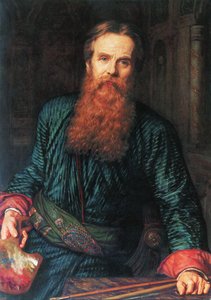
Уильям Холман Хант
1827 - 1910 , Великобритания
Основные сведения
- Artistic Movement Or Style: Прерафаэлиты
- Artists Or Movements Influenced By This Artist: ['Прерафаэлитское братство']
- Artists Who Influenced This Artist:
- Джон Рускин
- Ренессанс
- Date Of Birth: 2 апреля 1827 г.
- Date Of Death: 7 сентября 1910 г.
- Full Name: William Holman Hunt
- Nationality: Британский
- Notable Artworks:
- Свет мира
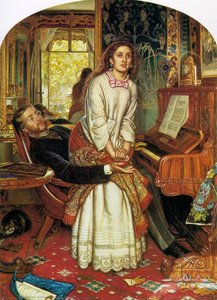
- Пробуждение совести
- Place Of Birth: Лондон, Великобритания
Похожие статьи
Sir John Everett Millais: Pre-Raphaelite Rebellion & Victorian Narrative Detail
Explore the revolutionary art of Sir John Everett Millais & the Pre-Raphaelite Brotherhood. Discover their radical realism, symbolic narratives, and lasting impact on Victorian aesthetics. A deep dive into 19th-century masterpieces.
25 Шедевров Данте Габриэля Россетти: Искусство, Символизм и Декор для Вашего Дома
Погрузитесь в мир Данте Габриэля Россетти! 25 шедевров прерафаэлитов, полных символизма и страсти. Узнайте истории создания культовых картин и найдите идеальный декор для вашего дома на ArtsDot.com – музейное качество, вдохновение и искусство онлайн.
Arthur Hughes: Pre-Raphaelite Visions of Beauty & Melancholy
Explore the captivating world of Arthur Hughes (1832-1915), a leading Pre-Raphaelite painter. Discover his dreamy landscapes, poetic narratives & iconic Victorian artworks. Learn about his life, style & collecting today.
Ford Madox Brown: Pre-Raphaelite Visionary & Victorian Social Commentary
Explore the life & art of Ford Madox Brown, a pivotal Pre-Raphaelite painter renowned for his powerful social commentary and masterpiece 'Work'. Discover his lasting influence on British art history.
The Pre-Raphaelite Brotherhood: Rebellion, Romance & Medieval Revival
Explore the captivating world of the Pre-Raphaelite Brotherhood! Discover their rebellious spirit, iconic masterpieces & lasting influence on art history. Learn about Rossetti, Millais & more.