

 Предпросмотр
 Поделиться
 Поделиться
 Детали произведения

 Скачать
 Похожие работы
 Рентгенография
 Слайд-шоу
 Статистика
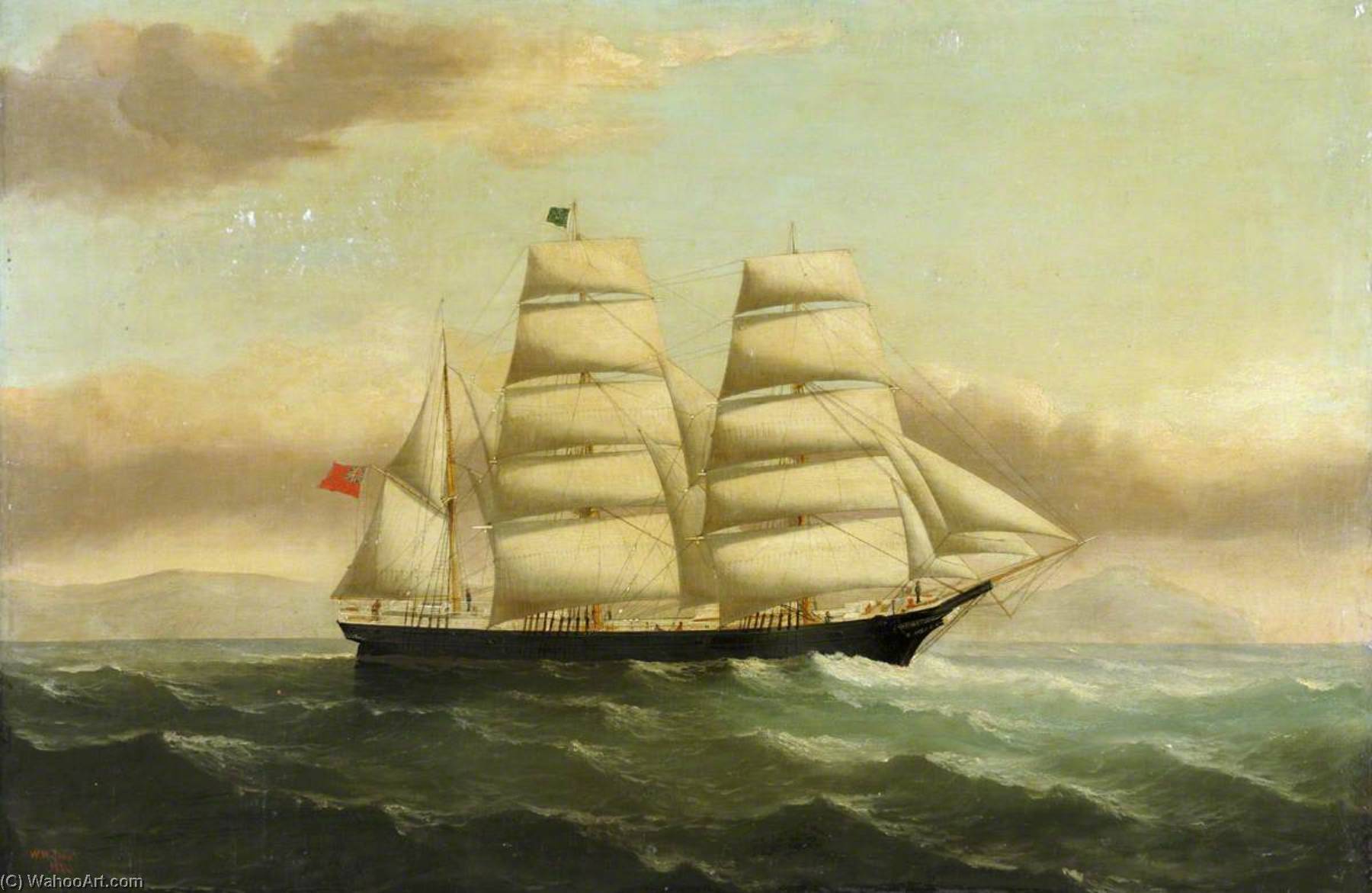
The Barque 'Minnie Carvill'
 1874
1874 61.0 x 92.0 cm
 Читать далее
Приобретите цифровое изображение высокого разрешения в улучшенном качестве, которое значительно превосходит онлайн-превью.
Каждый файл тщательно подготавливается нашими специалистами с использованием передовых инструментов и экспертной ручной ретуши. Мы гарантируем исключительную четкость, точную цветопередачу и детальную проработку каждого изображения.
Финальный файл доставляется по электронной почте в течение 72 часов и оптимизирован для немедленного использования в профессиональной среде, при верстке и печати. Это тот же уровень качества, которому доверяют ведущие дизайнерские студии, издательства и галереи.
Цифровое изображение
Скачайте файл высокого разрешения для личного использования, печати и творческих проектов. ( Перейти к печати Купить картину ручной работы)
Включено в каждый заказ цифровых изображений
Гарантия экспертной цифровой доставки
Выбирая ArtsDot.com, вы получаете не просто изображение — вы приобретаете профессионально обработанное цифровое произведение искусства, созданное с безупречной точностью и под защитой гарантии качества. Вот всё, что автоматически входит в ваш заказ:

Мгновенная доставка по e-mail
Ваш цифровой файл в высоком разрешении будет отправлен вам по электронной почте в течение 72 часов после оформления заказа — и сразу станет доступен для использования.

Цифровой файл с ИИ-улучшением
Ваше произведение искусства проходит профессиональную оптимизацию с использованием передовых инструментов ИИ и ручной обработки, что гарантирует максимальную детализацию, четкость и точность цветопередачи.

Бессрочная бесплатная повторная доставка
Случайно удалили или потеряли файл? Не беспокойтесь — мы отправим его вам повторно в любое время и совершенно бесплатно.

Без импортных пошлин — навсегда
Наслаждайтесь вашим произведением искусства мгновенно без таможенных пошлин, сборов или затрат на доставку — цифровые загрузки всегда не облагаются налогом.

Гарантия точности цветопередачи
Мы гарантируем, что ваше цифровое изображение максимально точно передает оригинальные цвета благодаря использованию профессиональных инструментов и систем управления цветом.

Гарантия удовлетворенности 100 дней
Если вы не будете удовлетворены своим цифровым изображением, мы внесем правки или вернем 100% стоимости в течение 100 дней — без лишних вопросов.

100% Гарантия возврата средств
Не удовлетворены покупкой? Получите полный возврат средств в течение 100 дней после получения цифрового файла — без лишних вопросов.

Скидки на оптовые заказы
Купите 3 изображения, сэкономьте 10% — Купите 5, сэкономьте 15% — Купите 10+, сэкономьте 20%. Отличное решение для творческих проектов, галерей и агентств.
Maritime Art and History
The National Maritime Museum is dedicated to preserving and promoting the maritime history of the United States. The museum has an extensive collection of artifacts, documents, and artwork related to the country's rich maritime past. The National Maritime Museum of the United States Introduction provides a comprehensive overview of the museum's mission and collections.Artist and Style
William Horde Yorke was a skilled artist known for his oil on canvas paintings of sailing ships. His works, such as The Ship 'Magna Charta' in Full Sail and The Ship 'Eliza' in Full Sail, are highly regarded for their attention to detail and mastery of color. The artist's use of light and shadow creates a sense of depth and movement, drawing the viewer into the scene.- The Barque 'Minnie Carvill' is a prime example of William Horde Yorke's skill as a maritime artist.
- The painting's composition and color palette make it a standout piece in the artist's oeuvre.
- William Horde Yorke's works can be found in the collections of prominent museums, including the National Maritime Museum.
The painting The Barque 'Minnie Carvill' is a testament to the artist's skill and the enduring appeal of maritime art. As a masterpiece of **19th-century art, it continues to inspire and captivate audiences today.
Похожие произведения




Биография художника
William Horde Yorke: A Sailor’s Brush – Capturing the Spirit of the North Atlantic
William Horde Yorke (1847-1921) wasn't a name etched in the annals of grand salon painting, yet his canvases hold a unique and compelling resonance. Born in Maine, he possessed an innate connection to the sea, nurtured by a childhood spent immersed in its rhythms and mysteries. Unlike many artists who sought formal training, Yorke’s education came from the very waters he loved – a lifetime apprenticeship as a sailor, culminating in a distinctive style that beautifully blended maritime realism with a touch of romanticism. His life was inextricably linked to the North Atlantic, and his art became a testament to its power, beauty, and the lives intertwined with it. Yorke’s story is one of quiet dedication, a solitary pursuit fueled by an unwavering passion for capturing the essence of ships and the sea itself.Early Life and Maritime Beginnings
Yorke's early years were spent on the rugged coast of Maine, providing him with a deep understanding of shipbuilding and seafaring traditions. He began his career as a deckhand aboard Yankee schooners, hauling yards and scrubbing decks – experiences that instilled in him an intimate knowledge of ship construction, rigging, and the daily lives of sailors. This practical experience profoundly shaped his artistic vision; he wasn’t simply painting ships; he was rendering them with a profound respect for their mechanics and the men who commanded them. He later moved to Liverpool, England, where he honed his skills as a painter, supplementing his income by selling his work. It was during this period that he began to develop his signature style – characterized by loose brushstrokes, vibrant colors, and an almost palpable sense of movement on the water’s surface. His early works often depicted scenes from Liverpool's bustling harbor, capturing the energy and diversity of its maritime trade.The Erie Basin Years: A Life Forged in Resilience
A pivotal moment in Yorke’s life occurred when he relocated to the Erie Basin in Western New York. Here, amidst the industrial activity of a burgeoning port city, he established a unique and somewhat unconventional existence. He built a small shack on the wreck of a canal boat, transforming it into his studio and home alongside his wife and son. This period is particularly fascinating, as documented by newspaper accounts from 1882 which initially portrayed him in a rather unflattering light – a “wretched hut” inhabited by a blind artist and his family teetering on the brink of starvation. However, this narrative quickly shifted when John H. Starin, a U.S. Representative, intervened, providing Yorke with a stable home and livelihood. Yorke’s work during these years primarily focused on painting portraits of ships that passed through the Erie Basin – a practical yet deeply satisfying occupation. He described himself as “a painter,” acknowledging his roots in seafaring while simultaneously embracing his artistic vocation. His ability to capture the details of each vessel, from its hull shape to its rigging and flags, demonstrated both technical skill and an appreciation for the maritime world.Style and Technique: A Distinctive Maritime Vision
Yorke’s style was remarkably distinctive, a product of his unique background and artistic sensibilities. He eschewed academic precision in favor of a looser, more expressive approach. His brushstrokes were often broad and gestural, conveying the movement of the water and the wind with remarkable dynamism. He favored bright, saturated colors – blues, greens, and yellows – to capture the light on the water and the hues of the ships. While influenced by the Ashcan School’s focus on depicting everyday life, Yorke's work remained firmly rooted in maritime subject matter. His paintings weren’t simply representations of ships; they were imbued with a sense of atmosphere, capturing the mood and spirit of the sea. He frequently depicted ships under sail, bathed in sunlight or shrouded in mist, conveying both their beauty and their vulnerability to the elements.Legacy and Notable Works
Despite his relative obscurity during his lifetime, William Horde Yorke’s work has gained increasing recognition in recent years. His paintings offer a rare glimpse into the lives of sailors and shipbuilders, capturing a bygone era of maritime trade and exploration. “The Lord Templeshore” (1892), a dramatic depiction of a sailing ship battling a storm, exemplifies his skill in conveying movement and atmosphere. His extensive collection of ship portraits – including works like “Bark Baron Holberg” and “Frigate Toivo” – provide valuable insights into the design and construction of vessels from the late 19th century. Yorke’s legacy lies not only in his artistic achievements but also in his remarkable resilience—a testament to a life lived entirely on his own terms, dedicated to capturing the beauty and power of the sea through the strokes of his brush. His story serves as an enduring reminder that art can be born from humble beginnings and sustained by unwavering passion.
william horde yorke
1847 - 1921
Основные сведения
- Artistic Movement Or Style: Marine painting
- Artists Or Movements Influenced By This Artist: ['Ashcan School']
- Artists Who Influenced This Artist: ['']
- Date Of Birth: 1847
- Date Of Death: 1921
- Full Name: William Horde Yorke
- Nationality: British
- Notable Artworks:
- The Lord Templeshore
- Tikoma
- Bark Veronica
- Place Of Birth: Maine, USA