

 Предпросмотр
 Поделиться
 Поделиться
 Детали произведения

 Скачать
 Похожие работы
 Рентгенография
 Слайд-шоу
 Статистика
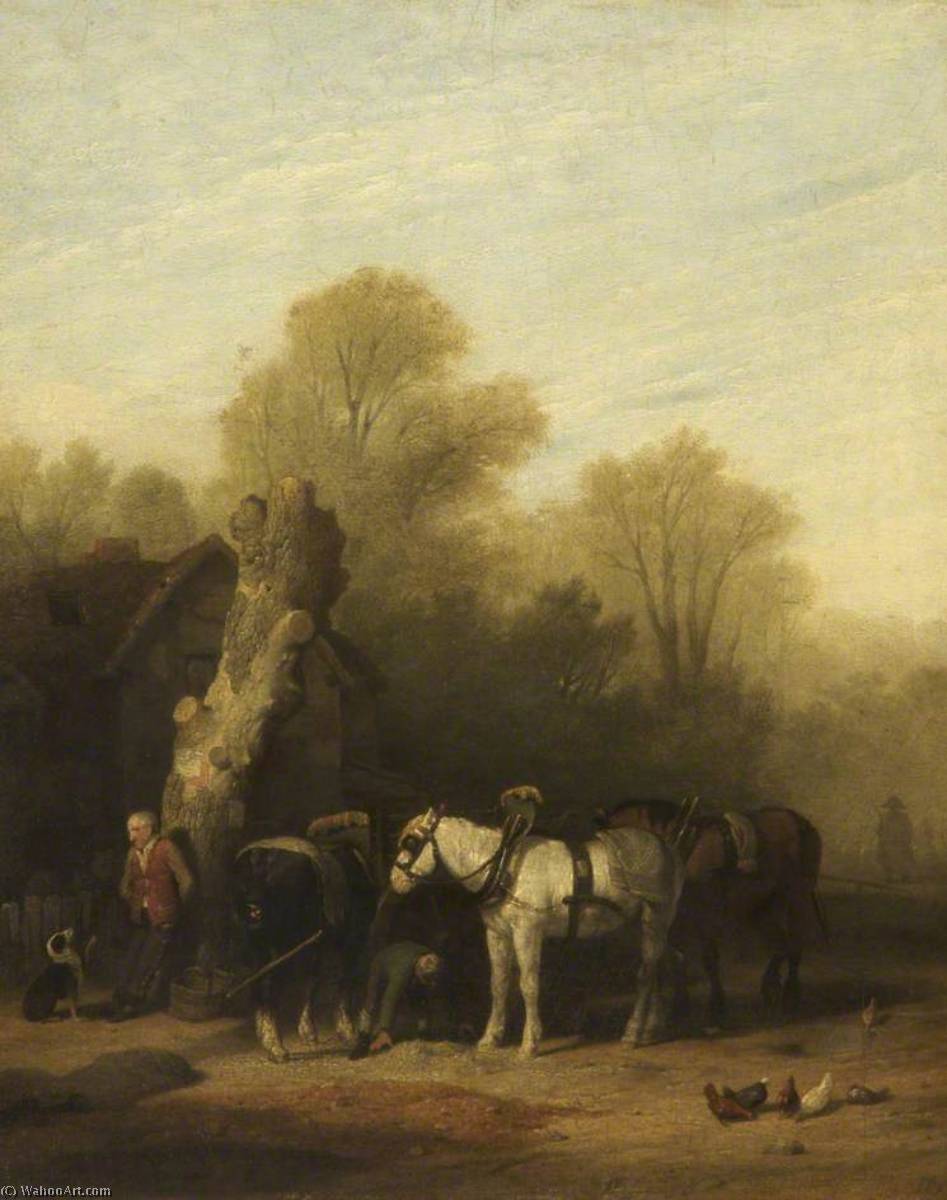
Horses Baiting
 Oil On Board
- Romanticism
 1816
1816- 19th Century
 40.0 x 33.0 cm
 The Whitworth
 Читать далее
Масляная репродукция ручной работы
Картина маслом на холсте в выбранном вами размере и раме, написанная на заказ нашими художниками. ( Перейти к печати Перейти к цифровым изображениям)




P118B $10

P118H $10

P118W $10

P438Z $10

P508JH $12

P508YH $12

P805H $10

P805Z $10

P919BZ $10

P919G $10

P919XJ $10

P959ZH $10

P968JZ $12

W106C $8

W218G $10

W218JH $8

W218Y $10

W307PJ $10

W316G $10

W316PJ $8

W316Y $10

W398PJ $8

W4111J $10

W500HY $15

W500JH $15

W692G $12

W849H $8

W940BG $15

W953PJ $8




Выберите один из наших стандартных размеров, соответствующих оригинальным пропорциям произведения искусства.

Вы можете указать собственные размеры, чтобы картина идеально вписалась в выбранную раму или пространство. Если выбранный вами размер не соответствует пропорциям оригинала, мы либо обрежем полотно, либо расширим его за счет дополнительных элементов, написанных вручную. Цифровой макет будет отправлен вам на утверждение перед началом производства.
Обратите внимание, что предварительный просмотр на экране не отражает фактическую обрезку или расширение. Только макет точно покажет окончательную композицию.
Хотя доступны индивидуальные размеры, мы рекомендуем выбирать вариант из предопределенного списка, чтобы сохранить исходные пропорции.
После оформления заказа команда ArtsDot.com свяжется с клиентом по электронной почте для уточнения деталей и предоставит предварительный макет
Доставка по всему миру () за 3–4 недели вместо стандартных 5 недель. (10 Сентябрь). Без компромиссов в качестве.

Бесплатная экспресс-доставка по всему миру

Высококачественный льняной холст

Полное страхование доставки

Гарантия возмещения таможенных пошлин

Гарантия точного соответствия цветов

100-дневная политика возврата (только при обнаружении дефектов)

Гарантия возврата 100% средств

Предложение оптовых скидок
 Вариант со стеклом доступен только для размеров менее 110 см

Horses Baiting
Техника репродукции
Размер репродукции
-


Итоговая стоимость
$ 263
William Mulready’s Horses Baiting: A Pastoral Echo of Victorian Sentiment
Horses Baiting by William Mulready (1786–1863), 1816, from The Whitworth, The University of Manchester is a deceptively tranquil depiction of rural life that speaks volumes about the Victorian fascination with nature and its role in shaping human emotion. Painted during a period marked by industrial expansion and social upheaval, Mulready’s artwork offers a respite from urban anxieties—a carefully crafted tableau designed to evoke feelings of serenity and idealized beauty. The painting's enduring appeal lies not merely in its visual charm but also in its subtle articulation of Victorian sensibilities concerning morality and the sublime.- Subject Matter: The scene portrays a simple pastoral setting featuring three horses gathered around a trough, accompanied by a solitary figure overseeing their activities. This deliberate choice of subject matter aligns perfectly with the Romantic movement’s emphasis on unspoiled landscapes and the contemplation of natural grandeur—a reaction against the perceived ugliness and corruption of industrial society.
- Style: Mulready's style is firmly rooted in Realism, yet imbued with a Romantic spirit. He meticulously captures the textures of the horses’ coats, the rough bark of the ancient tree dominating the background, and the weathered appearance of the barn—details that convey an impression of authenticity while simultaneously elevating the scene to a level of aesthetic contemplation.
- Technique: Employing oil paint on wood, Mulready utilizes layering techniques to achieve remarkable depth and luminosity. Careful blending creates soft gradations of color, enhancing the overall atmosphere of calm and inviting viewers into the depicted environment. The artist’s meticulous attention to detail underscores his commitment to portraying nature accurately—a hallmark of Victorian artistic practice.
Historical Context: Victorian Ideals of Landscape and Domestic Tranquility
The painting emerged from a broader cultural context characterized by anxieties surrounding industrialization and social reform. However, Mulready consciously sought to counter these concerns by presenting an image of rural harmony—a deliberate affirmation of traditional values and beliefs. The Whitworth Gallery’s acquisition of Horses Baiting reflects the Victorian appreciation for landscapes that embodied moral virtue and spiritual solace. It exemplifies the movement's conviction that communion with nature could nurture the soul and instill a sense of ethical responsibility.Symbolism: Horses as Embodiments of Strength, Fertility, and Pastoral Virtue
Horses themselves hold significant symbolic weight within Victorian art and literature—representing strength, fertility, and nobility. In Mulready’s depiction, they symbolize not only physical prowess but also the pastoral ideal—a vision of rural life characterized by simplicity, contentment, and connection to the natural world. The presence of the solitary figure suggests a contemplative gaze upon this idyllic scene—reflecting Victorian belief in the importance of moral reflection and spiritual contemplation amidst the bustle of urban existence.Emotional Impact: A Balm for Industrial Anxiety
Ultimately, Horses Baiting succeeds in transporting viewers to a realm of tranquility and beauty—offering a poignant counterpoint to the anxieties prevalent during the Victorian era. The muted palette contributes to the painting’s overall mood—creating an atmosphere of understated elegance and inviting contemplation. Mulready's masterful execution captures not just what is seen but also what is felt—affirming the enduring power of art to evoke emotion and inspire wonder. It stands as a testament to Victorian artists’ ability to distill complex philosophical ideas into accessible visual representations—a celebration of nature’s restorative qualities and its capacity to nourish the human spirit.Похожие произведения
Биография художника
A Life Rooted in Observation: The World of William Mulready the Younger
Born in the quiet Irish town of Ennis, County Clare, in 1786, William Mulready the Younger embarked on a journey that would establish him as a pivotal figure in Victorian genre painting. His early life foreshadowed his artistic inclinations; a family relocation to London in 1792 provided access to a burgeoning art world and opportunities for formal training. Even as a young boy, Mulready demonstrated an exceptional talent for copying engravings, revealing a keen eye for detail and a natural aptitude for visual representation. This innate ability led him to the tutelage of John Graham, a historical painter who recognized his potential, followed by studies at the Royal Academy School around the age of fourteen – a significant achievement for someone from such humble beginnings. These formative years were characterized not only by academic instruction but also by self-directed learning; Mulready diligently copied prints and keenly observed actors in theatrical performances, honing his skills through dedicated practice and immersive observation of the world around him. He was particularly fascinated by the dramatic lighting and expressive gestures he witnessed on stage, elements that would later inform his own compositions.From Landscape to Life: The Evolution of a Genre Painter
Mulready’s artistic path wasn't immediately defined. He initially focused on landscapes, demonstrating an early mastery of depicting natural settings – rolling hills, serene rivers, and dramatic skies. However, around 1808, he began his transition into genre painting – scenes from everyday life – a shift that would ultimately define his career and secure his place in art history. This move was significantly influenced by the Dutch masters of the 17th century, whose works he meticulously studied in private collections. He absorbed their techniques for capturing realistic detail, nuanced characterizations, and intimate domestic settings; artists like Rembrandt and Vermeer became enduring models for his approach to light, shadow, and human emotion. His paintings became imbued with a romantic sensibility, often carrying subtle moral undertones that resonated deeply with Victorian audiences – a desire to capture not just the appearance of life but also its inherent values and complexities. Recurring themes emerged in his work: children engaged in playful activities, rural laborers performing their tasks, and scenes of domestic tranquility, reflecting the social realities of the time. Mulready’s technical skill was remarkable, particularly evident in his ability to render fabrics with astonishing realism – a testament to his dedication to mastering fundamental artistic principles.Recognition and Innovation: A Royal Academician and Beyond
Mulready’s talent didn't go unnoticed by the artistic establishment. He rapidly ascended within the ranks of the Royal Academy, becoming an Associate (A.R.A.) in 1815 and a full member (R.A.) just a year later – a remarkable feat demonstrating his exceptional skill and promise. His international recognition extended beyond Britain; in 1816, he was awarded the French Légion d'honneur, further solidifying his reputation as a leading artist of his time. Among his most celebrated works are “Returning from the Ale House” (also known as “Fair Time”), housed in the Tate Gallery, and “Giving a Bite,” which graces the Victoria and Albert Museum. “First Love”, also at the V&A, exemplifies his ability to capture tender emotion and delicate narrative. He was particularly adept at portraying children – their innocence, curiosity, and occasional mischief – capturing a specific aspect of Victorian society that resonated with viewers. Mulready’s work wasn't merely decorative; it offered glimpses into social customs, economic realities, and the moral values of his era. His paintings were immensely popular during the Victorian period, reflecting and shaping contemporary tastes and values.The Mulready Stationery Legacy
Beyond his artistic achievements, Mulready is perhaps best remembered for designing the iconic Mulready stationery, introduced in 1840 alongside the Penny Black postage stamp. This seemingly simple design – a depiction of Britannia sending celestial messengers to the farthest outskirts of the Empire – became an instant sensation and remains one of the most recognizable images associated with Victorian Britain. The design was initially met with some public criticism for its perceived complexity, contrasting sharply with the simplicity of the new penny postal rate. However, it proved remarkably effective in promoting the Penny Black and establishing a visual identity for the British postal service. Mulready’s contribution to this innovation cemented his place not only as an artist but also as a designer, demonstrating his versatility and ability to adapt his skills to meet the demands of a rapidly changing society.A Lasting Legacy: The Enduring Appeal of Victorian Life
William Mulready died in 1863, leaving behind a rich artistic legacy that continues to resonate today. His paintings offer a captivating glimpse into Victorian life, capturing the essence of an era with remarkable detail and sensitivity. He played a crucial role in establishing genre painting as a respected art form within Britain, elevating scenes of everyday life to the level of serious artistic consideration. Mulready’s influence extended beyond his own work; he came from a family deeply rooted in artistry – his wife Elizabeth Varley and their sons Paul Augustus, William Junior, and Michael all pursued careers as artists. His grandson, Augustus Edwin Mulready, became a prominent member of the Cranbrook Colony of artists, continuing the family tradition. While the Mulready stationery may have been short-lived, its association with the Penny Black ensures its place in history. More importantly, his paintings provide valuable insights into Victorian society – capturing the beauty, the challenges, and the enduring spirit of an era.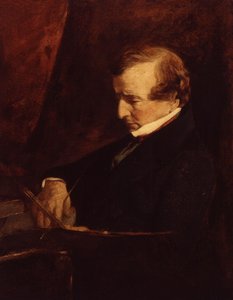
William Mulready the Younger
1786 - 1863 , Ирландия
Основные сведения
- Artistic Movement Or Style: Жанровое живопись, Романтизм
- Artists Or Movements Influenced By This Artist: ['Викторианская жанровая живопись']
- Artists Who Influenced This Artist: ['Голландские жанровые художники']
- Date Of Birth: 1786
- Date Of Death: 1863
- Full Name: William Mulready the Younger
- Nationality: Ирландец
- Notable Artworks:
- Возвращение из таверны
- Дающий укус
- Первая любовь
- Place Of Birth: Эннис, Ирландия
Похожие статьи
Idyllic Visions: Exploring the Pastoral Tradition in Western Art – Themes, Techniques & Enduring Appeal
Explore the rich history of pastoral art from classical Arcadia to contemporary interpretations. Discover key artists, themes & collecting tips at ArtsDot.
Cultivating Visions: A Historical Journey Through Rural Landscapes in Art
Explore the rich history of rural landscape painting with ArtsDot. Discover Impressionist masterpieces, key artists & movements. Find your perfect serene artwork and bring nature's beauty home.
Evoking Arcadia: A Historical & Aesthetic Exploration of Rural Landscape Art
Explore the rich history of pastoral landscape art, from classical Arcadia to Impressionism & beyond. Discover key artists, movements, and how to collect serene rural scenes for your home. Expert insights at ArtsDot.

Джон Констебль: 25 шедевров английского пейзажа для вашего интерьера
Погрузитесь в мир английского пейзажа с Джоном Констеблом! 25 шедевров романтизма, история создания картин и вдохновение для вашего интерьера. Репродукции высокого качества на ArtsDot.com – искусство для ценителей.
Idyllic Visions: Exploring the Pastoral Scene in Art History – From Arcadia to Modern Interpretations
Explore the captivating history of pastoral art from classical Arcadia to modern masterpieces. Discover key artists like Millet & Cole at ArtsDot. Find serene landscape paintings for your home.