

 Предпросмотр
 Поделиться
 Поделиться
 Детали произведения

 Скачать
 Похожие работы
 Рентгенография
 Слайд-шоу
 Статистика
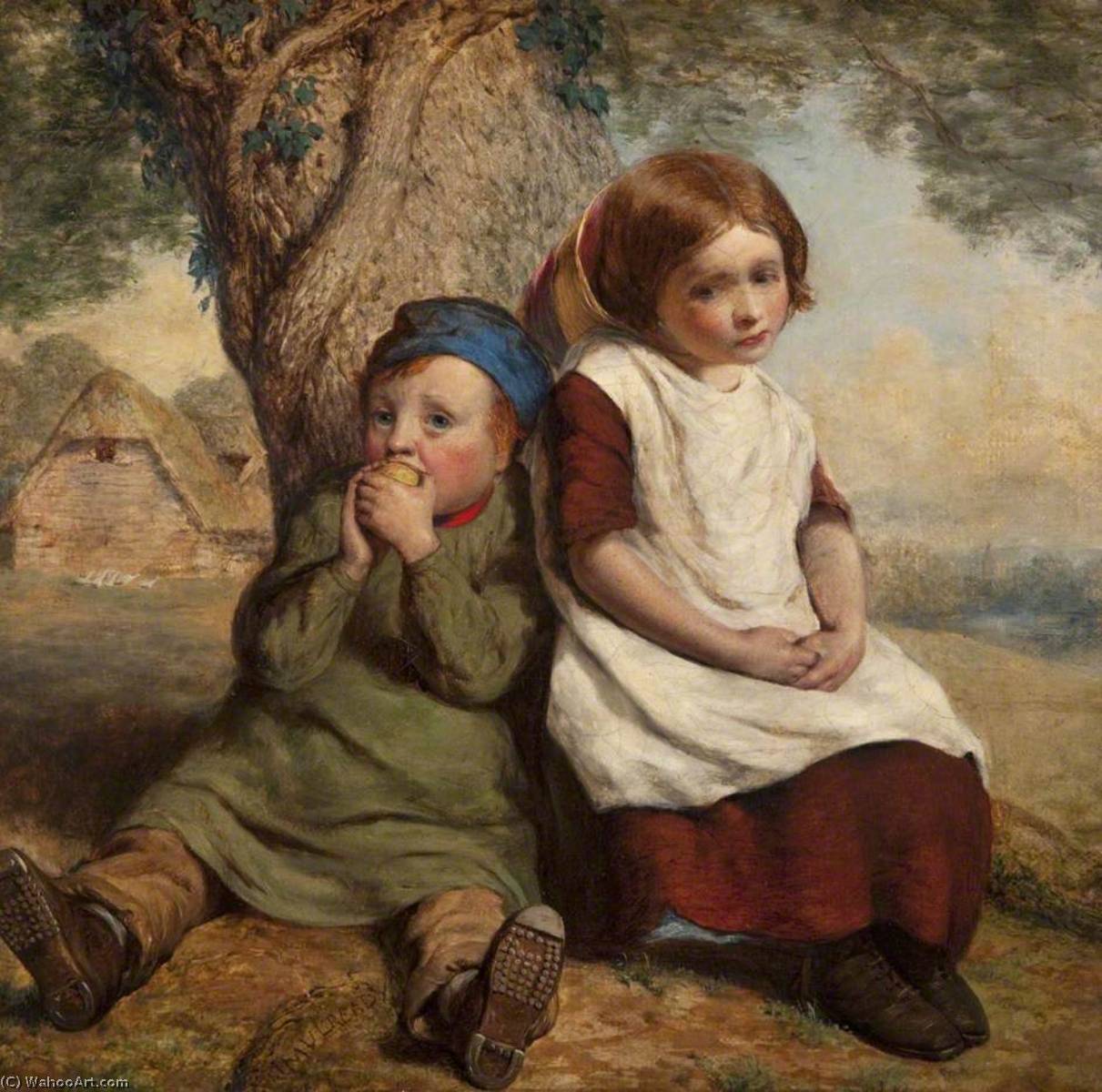
The Monopolist
 Acrylic On Canvas
- WallArt
- Romantic Introspection
 1843
1843 25.0 x 25.0 cm
 The Dick Institute
 Читать далее
Приобретите цифровое изображение высокого разрешения в улучшенном качестве, которое значительно превосходит онлайн-превью.
Каждый файл тщательно подготавливается нашими специалистами с использованием передовых инструментов и экспертной ручной ретуши. Мы гарантируем исключительную четкость, точную цветопередачу и детальную проработку каждого изображения.
Финальный файл доставляется по электронной почте в течение 72 часов и оптимизирован для немедленного использования в профессиональной среде, при верстке и печати. Это тот же уровень качества, которому доверяют ведущие дизайнерские студии, издательства и галереи.
Цифровое изображение
Скачайте файл высокого разрешения для личного использования, печати и творческих проектов. ( Перейти к печати Купить картину ручной работы)
Включено в каждый заказ цифровых изображений
Гарантия экспертной цифровой доставки
Выбирая ArtsDot.com, вы получаете не просто изображение — вы приобретаете профессионально обработанное цифровое произведение искусства, созданное с безупречной точностью и под защитой гарантии качества. Вот всё, что автоматически входит в ваш заказ:

Мгновенная доставка по e-mail
Ваш цифровой файл в высоком разрешении будет отправлен вам по электронной почте в течение 72 часов после оформления заказа — и сразу станет доступен для использования.

Цифровой файл с ИИ-улучшением
Ваше произведение искусства проходит профессиональную оптимизацию с использованием передовых инструментов ИИ и ручной обработки, что гарантирует максимальную детализацию, четкость и точность цветопередачи.

Бессрочная бесплатная повторная доставка
Случайно удалили или потеряли файл? Не беспокойтесь — мы отправим его вам повторно в любое время и совершенно бесплатно.

Без импортных пошлин — навсегда
Наслаждайтесь вашим произведением искусства мгновенно без таможенных пошлин, сборов или затрат на доставку — цифровые загрузки всегда не облагаются налогом.

Гарантия точности цветопередачи
Мы гарантируем, что ваше цифровое изображение максимально точно передает оригинальные цвета благодаря использованию профессиональных инструментов и систем управления цветом.

Гарантия удовлетворенности 100 дней
Если вы не будете удовлетворены своим цифровым изображением, мы внесем правки или вернем 100% стоимости в течение 100 дней — без лишних вопросов.

100% Гарантия возврата средств
Не удовлетворены покупкой? Получите полный возврат средств в течение 100 дней после получения цифрового файла — без лишних вопросов.

Скидки на оптовые заказы
Купите 3 изображения, сэкономьте 10% — Купите 5, сэкономьте 15% — Купите 10+, сэкономьте 20%. Отличное решение для творческих проектов, галерей и агентств.
A Moment Frozen in Pastoral Tranquility: Exploring William Mulready’s “The Monopolist”
William Mulready the Younger's "The Monopolist," painted in 1843, stands as a quintessential example of Victorian genre painting—a genre dedicated to depicting scenes from everyday life with an emphasis on sentimentality and moral instruction. Originating from East Ayrshire Council’s collection, this artwork offers more than just a visual representation; it invites contemplation about childhood innocence and the subtle complexities of human connection within a beautifully rendered landscape.- Subject Matter: The painting portrays two young children seated beneath a sprawling oak tree, bathed in dappled sunlight. Their posture exudes comfort and contentment—a deliberate choice by Mulready to convey an idealized vision of rural childhood.
- Style & Technique: Mulready’s style is characterized by meticulous detail and a masterful command of tonal gradation. Employing oil paints on canvas, he achieves remarkable luminosity through layering thin glazes that capture the nuances of light and shadow—a technique honed during his formative years at the Royal Academy School.
Historical Context: Victorian Sentimentality and Landscape Idealization
“The Monopolist” emerged during a period marked by profound social transformations—the Industrial Revolution reshaping Britain’s economic landscape while simultaneously fueling anxieties about urbanization and moral decay. Artists like Mulready responded to these concerns by championing pastoral imagery as a balm for the stresses of modern life, presenting idealized depictions of rural landscapes and figures as emblems of harmony and goodness.- Moral Instruction: Victorian artists frequently sought to instill moral virtues through their artwork—a practice evident in Mulready’s careful composition and subdued palette. The painting encourages viewers to appreciate the beauty of nature and to cherish simple pleasures, reflecting a broader cultural preoccupation with ethical conduct.
Emotional Resonance: Capturing Innocence and Quiet Reflection
Ultimately, “The Monopolist” succeeds in evoking a powerful emotional response—a feeling of serene tranquility mingled with poignant tenderness. The artist’s gaze is directed upwards, suggesting an absorption in contemplation rather than worldly concerns—a gesture that speaks to the enduring human desire for spiritual solace and connection.Conclusion: An Enduring Legacy
William Mulready's “The Monopolist” remains a testament to the Victorian aesthetic’s fascination with landscape and its commitment to portraying idealized representations of human experience. Its meticulous technique, symbolic elements, and evocative atmosphere continue to inspire admiration and offer valuable insights into the artistic sensibilities of an era defined by both progress and moral introspection.Похожие произведения
Биография художника
A Life Rooted in Observation: The World of William Mulready the Younger
Born in the quiet Irish town of Ennis, County Clare, in 1786, William Mulready the Younger embarked on a journey that would establish him as a pivotal figure in Victorian genre painting. His early life foreshadowed his artistic inclinations; a family relocation to London in 1792 provided access to a burgeoning art world and opportunities for formal training. Even as a young boy, Mulready demonstrated an exceptional talent for copying engravings, revealing a keen eye for detail and a natural aptitude for visual representation. This innate ability led him to the tutelage of John Graham, a historical painter who recognized his potential, followed by studies at the Royal Academy School around the age of fourteen – a significant achievement for someone from such humble beginnings. These formative years were characterized not only by academic instruction but also by self-directed learning; Mulready diligently copied prints and keenly observed actors in theatrical performances, honing his skills through dedicated practice and immersive observation of the world around him. He was particularly fascinated by the dramatic lighting and expressive gestures he witnessed on stage, elements that would later inform his own compositions.From Landscape to Life: The Evolution of a Genre Painter
Mulready’s artistic path wasn't immediately defined. He initially focused on landscapes, demonstrating an early mastery of depicting natural settings – rolling hills, serene rivers, and dramatic skies. However, around 1808, he began his transition into genre painting – scenes from everyday life – a shift that would ultimately define his career and secure his place in art history. This move was significantly influenced by the Dutch masters of the 17th century, whose works he meticulously studied in private collections. He absorbed their techniques for capturing realistic detail, nuanced characterizations, and intimate domestic settings; artists like Rembrandt and Vermeer became enduring models for his approach to light, shadow, and human emotion. His paintings became imbued with a romantic sensibility, often carrying subtle moral undertones that resonated deeply with Victorian audiences – a desire to capture not just the appearance of life but also its inherent values and complexities. Recurring themes emerged in his work: children engaged in playful activities, rural laborers performing their tasks, and scenes of domestic tranquility, reflecting the social realities of the time. Mulready’s technical skill was remarkable, particularly evident in his ability to render fabrics with astonishing realism – a testament to his dedication to mastering fundamental artistic principles.Recognition and Innovation: A Royal Academician and Beyond
Mulready’s talent didn't go unnoticed by the artistic establishment. He rapidly ascended within the ranks of the Royal Academy, becoming an Associate (A.R.A.) in 1815 and a full member (R.A.) just a year later – a remarkable feat demonstrating his exceptional skill and promise. His international recognition extended beyond Britain; in 1816, he was awarded the French Légion d'honneur, further solidifying his reputation as a leading artist of his time. Among his most celebrated works are “Returning from the Ale House” (also known as “Fair Time”), housed in the Tate Gallery, and “Giving a Bite,” which graces the Victoria and Albert Museum. “First Love”, also at the V&A, exemplifies his ability to capture tender emotion and delicate narrative. He was particularly adept at portraying children – their innocence, curiosity, and occasional mischief – capturing a specific aspect of Victorian society that resonated with viewers. Mulready’s work wasn't merely decorative; it offered glimpses into social customs, economic realities, and the moral values of his era. His paintings were immensely popular during the Victorian period, reflecting and shaping contemporary tastes and values.The Mulready Stationery Legacy
Beyond his artistic achievements, Mulready is perhaps best remembered for designing the iconic Mulready stationery, introduced in 1840 alongside the Penny Black postage stamp. This seemingly simple design – a depiction of Britannia sending celestial messengers to the farthest outskirts of the Empire – became an instant sensation and remains one of the most recognizable images associated with Victorian Britain. The design was initially met with some public criticism for its perceived complexity, contrasting sharply with the simplicity of the new penny postal rate. However, it proved remarkably effective in promoting the Penny Black and establishing a visual identity for the British postal service. Mulready’s contribution to this innovation cemented his place not only as an artist but also as a designer, demonstrating his versatility and ability to adapt his skills to meet the demands of a rapidly changing society.A Lasting Legacy: The Enduring Appeal of Victorian Life
William Mulready died in 1863, leaving behind a rich artistic legacy that continues to resonate today. His paintings offer a captivating glimpse into Victorian life, capturing the essence of an era with remarkable detail and sensitivity. He played a crucial role in establishing genre painting as a respected art form within Britain, elevating scenes of everyday life to the level of serious artistic consideration. Mulready’s influence extended beyond his own work; he came from a family deeply rooted in artistry – his wife Elizabeth Varley and their sons Paul Augustus, William Junior, and Michael all pursued careers as artists. His grandson, Augustus Edwin Mulready, became a prominent member of the Cranbrook Colony of artists, continuing the family tradition. While the Mulready stationery may have been short-lived, its association with the Penny Black ensures its place in history. More importantly, his paintings provide valuable insights into Victorian society – capturing the beauty, the challenges, and the enduring spirit of an era.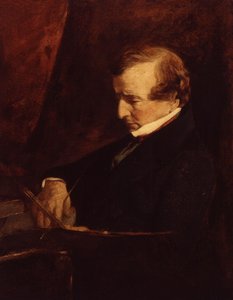
William Mulready the Younger
1786 - 1863 , Ирландия
Основные сведения
- Artistic Movement Or Style: Жанровое живопись, Романтизм
- Artists Or Movements Influenced By This Artist: ['Викторианская жанровая живопись']
- Artists Who Influenced This Artist: ['Голландские жанровые художники']
- Date Of Birth: 1786
- Date Of Death: 1863
- Full Name: William Mulready the Younger
- Nationality: Ирландец
- Notable Artworks:
- Возвращение из таверны
- Дающий укус
- Первая любовь
- Place Of Birth: Эннис, Ирландия