


 Предпросмотр
 Поделиться
 Поделиться
 Детали произведения

 Скачать
 Похожие работы
 Рентгенография
 Слайд-шоу
 Статистика
Garden of Flowers (set design for Alice-in-Wonderland, 1915)


 Читать далее
Масляная репродукция ручной работы
Картина маслом на холсте в выбранном вами размере и раме, написанная на заказ нашими художниками. ( Перейти к печати Перейти к цифровым изображениям)




P118B $10

P118H $10

P118W $10

P438Z $10

P508JH $12

P508YH $12

P805H $10

P805Z $10

P919BZ $10

P919G $10

P919XJ $10

P959ZH $10

P968JZ $12

W106C $8

W218G $10

W218JH $8

W218Y $10

W307PJ $10

W316G $10

W316PJ $8

W316Y $10

W398PJ $8

W4111J $10

W500HY $15

W500JH $15

W692G $12

W849H $8

W940BG $15

W953PJ $8
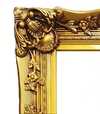
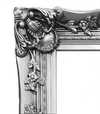
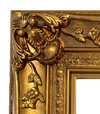
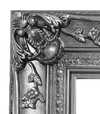
Выберите один из наших стандартных размеров, соответствующих оригинальным пропорциям произведения искусства.

Вы можете указать собственные размеры, чтобы картина идеально вписалась в выбранную раму или пространство. Если выбранный вами размер не соответствует пропорциям оригинала, мы либо обрежем полотно, либо расширим его за счет дополнительных элементов, написанных вручную. Цифровой макет будет отправлен вам на утверждение перед началом производства.
Обратите внимание, что предварительный просмотр на экране не отражает фактическую обрезку или расширение. Только макет точно покажет окончательную композицию.
Хотя доступны индивидуальные размеры, мы рекомендуем выбирать вариант из предопределенного списка, чтобы сохранить исходные пропорции.
После оформления заказа команда ArtsDot.com свяжется с клиентом по электронной почте для уточнения деталей и предоставит предварительный макет
Доставка по всему миру () за 3–4 недели вместо стандартных 5 недель. (15 Сентябрь). Без компромиссов в качестве.

Бесплатная экспресс-доставка по всему миру

Высококачественный льняной холст

Полное страхование доставки

Гарантия возмещения таможенных пошлин

Гарантия точного соответствия цветов

100-дневная политика возврата (только при обнаружении дефектов)

Гарантия возврата 100% средств

Предложение оптовых скидок
 Вариант со стеклом доступен только для размеров менее 110 см

Garden of Flowers (set design for Alice-in-Wonderland, 1915)
Техника репродукции
Размер репродукции
-


Итоговая стоимость
$ 263
A Dreamscape Captured in Monochrome: The Enchanted Garden
In the delicate interplay of light and shadow, Garden of Flowers emerges as a hauntingly beautiful window into a bygone era of theatrical imagination. Created in 1915 by the versatile American master William Penhallow Henderson, this piece serves as a profound set design for the production of Alice-in-Wonderland. Though rendered in a monochromatic palette, the work vibrates with a silent, rhythmic energy that transcends its lack of color. The composition centers on a serene woman perched upon a pedestal, her gaze drifting toward an unseen horizon, effectively inviting the viewer to share in her quiet contemplation. Surrounded by a curated arrangement of potted plants and a solitary vase, the scene feels less like a literal garden and more like a carefully constructed stage for a dream, where every element is placed with architectural precision.
The atmosphere of the work is one of profound stillness, evoking a sense of peace that borders on the surreal. Henderson, an artist whose talents spanned architecture, furniture design, and painting, brings a unique structural sensibility to this piece. The placement of the bench in the distant background and the scattered flora create a sense of depth that draws the eye through a labyrinthine, yet orderly, botanical sanctuary. For the collector or interior designer, this artwork offers a sophisticated touch of nostalgia; it possesses a quiet elegance that complements both classical and contemporary spaces, providing a focal point that encourages slow looking and deep emotional resonance.
The Intersection of Stagecraft and Fine Art
To understand the soul of Garden of Flowers, one must consider Henderson’s role as a weaver of worlds. As an artist deeply connected to the vibrant landscapes of the American Southwest, his ability to manipulate space was unparalleled. In this specific design for Alice-in-Wonderland, he utilizes the starkness of black and white to emphasize form, texture, and silhouette over mere decoration. The technique suggests a mastery of tonal range, where the soft edges of the foliage contrast against the solid, grounded presence of the pedestal. This duality mirrors the themes of Lewis Carroll’s beloved tale—the tension between the structured reality of the garden and the whimsical, unpredictable nature of the Wonderland it contains.
For those seeking to adorn a home with art that tells a story, this reproduction offers more than just visual beauty; it offers a piece of theatrical history. The work functions as a bridge between the tangible world of botanical arrangement and the ephemeral world of performance art. It is an evocative choice for any curated collection, serving as a testament to Henderson's ability to capture the essence of enchantment through the disciplined lens of design. Whether placed in a sunlit study or a moody, dimly lit gallery space, the painting continues to whisper its secrets of peace, mystery, and the enduring magic of the imagination.
Похожие произведения

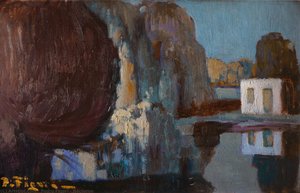
Биография художника
William Penhallow Henderson: Weaver of the Southwest
William Penhallow Henderson (1877-1943) wasn’t merely a painter; he was an architect, furniture designer, and a pivotal figure in shaping the artistic landscape of Santa Fe and the broader Southwestern United States. Born in Medford, Massachusetts, into a family deeply rooted in art – his father, William Oliver Henderson, was an amateur painter with connections to William Edward Norton – Henderson’s early life fostered a profound appreciation for visual expression. His journey took him across America, culminating in a permanent settlement in Santa Fe, New Mexico, a place that would irrevocably inform and define his artistic vision.
Henderson's formative years were marked by a restless spirit of exploration and learning. He began his formal training at the Massachusetts Normal Art School and later honed his skills at the Boston Museum of Fine Arts under Edmund Charles Tarbell. This early education provided him with a solid foundation in traditional techniques, but it was his subsequent travels – particularly to Europe – that truly ignited his artistic sensibilities. During this period, he immersed himself in the works of Old Masters like Velázquez, absorbing their mastery of light, color, and composition. Returning to America, he embraced a distinctly Impressionistic approach, characterized by loose brushwork, vibrant hues, and an emphasis on capturing fleeting moments of light and atmosphere.
However, Henderson’s artistic trajectory took a dramatic turn when he moved to Santa Fe in 1914. The stark beauty of the New Mexican landscape – its vast deserts, towering mesas, and fiery sunsets – immediately captivated him. He quickly established himself as a central figure in the burgeoning Southwestern art scene, forming the New Mexico Painters Society alongside other prominent artists like Joseph Henry Sharp and Ernest Lien. His work during this period is characterized by an almost hallucinatory intensity, reflecting the dramatic light and otherworldly quality of the region. He wasn’t simply depicting landscapes; he was attempting to capture the *feeling* of the Southwest – its heat, its silence, its sense of timelessness.
Theatrical Designs and a New Vision
Beyond his landscape paintings, Henderson made an indelible mark on the world of stage design. His imaginative and often surreal designs for productions like “Alice in Wonderland” (1915) showcased a remarkable versatility and a willingness to experiment with unconventional materials and techniques. The costumes he created – particularly ‘Two of Spades,’ a striking clown ensemble—were bold, expressive, and deeply rooted in the spirit of the story. These weren’t merely functional garments; they were visual metaphors, imbued with symbolism and emotion. His work for Alice in Wonderland demonstrated an ability to translate fantastical narratives into tangible forms, blending theatricality with artistic innovation.
This theatrical sensibility extended to his furniture designs, which often incorporated similar elements of whimsy and surrealism. He created pieces that were both functional and visually arresting, reflecting a unique aesthetic sensibility. His furniture was not just meant to be used; it was intended to be experienced – to evoke a sense of wonder and delight.
Influences and Artistic Style
Henderson’s artistic style can be described as Post-Impressionistic with strong elements of Symbolism and Expressionism. He drew inspiration from a diverse range of sources, including the works of J.M.W. Turner, Paul Gauguin, and Vincent van Gogh. His use of color was particularly striking – he employed intense, saturated hues to create dramatic effects and evoke powerful emotions. His brushwork was often loose and gestural, conveying a sense of movement and energy. He frequently used thick impasto—applying paint in heavy layers—to build up texture and depth.
Furthermore, Henderson’s work was profoundly influenced by Native American art and culture. He spent considerable time studying the traditions and symbolism of the Pueblo peoples, incorporating elements of their iconography into his paintings and designs. This engagement with indigenous cultures demonstrated a genuine respect for the artistic heritage of the Southwest and contributed to his unique visual language.
Legacy and Recognition
Despite facing challenges in securing consistent sales during his lifetime, William Penhallow Henderson’s legacy as one of the most important artists of the Southwestern art movement is now firmly established. His paintings are held in numerous museums and private collections across the United States and abroad, including the Denver Art Museum and the Smithsonian American Art Museum. His work continues to inspire artists and viewers alike, offering a glimpse into the beauty and mystery of the Southwest.
Beyond his artistic achievements, Henderson’s contributions as an architect and furniture designer further cemented his place in the cultural history of Santa Fe. His designs helped shape the aesthetic character of the city, reflecting its unique blend of artistic innovation and Southwestern traditions. William Penhallow Henderson remains a vital figure in understanding the evolution of American art and the enduring power of the Southwest’s visual landscape.
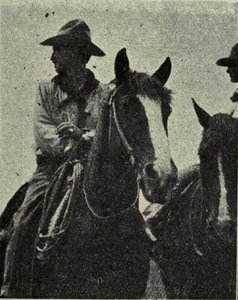
william penhallow henderson
1877 - 1943
Основные сведения
- Artistic Movement Or Style: Post-Impressionism
- Artists Or Movements Influenced By This Artist: ['New Mexico Painters Society']
- Artists Who Influenced This Artist:
- William Edward Norton
- Edmund C. Tarbell
- Date Of Birth: 1877
- Date Of Death: 1943
- Full Name: William Penhallow Henderson
- Nationality: American
- Notable Artworks:
- Portrait of William E. Norton
- Two of Spades
- White Rabbit with Herald’s Costume
- Place Of Birth: Medford, Massachusetts
Похожие статьи
Cultivating Paradise: A Historical & Artistic Exploration of Gardens in Painting
Explore the rich history of gardens in painting! Discover masterpieces from Renaissance to Impressionism & beyond. Learn about symbolism, artists like Monet & Klimt, and find your perfect artwork at ArtsDot.
Топ-10 шедевров в тонах сажи: Искусство, история и декор от ArtsDot
Погрузитесь в мир темных тонов и драматизма! От Караваджо до Гойи – топ-10 знаменитых картин, где сажа создает неповторимую атмосферу. Репродукции высокого качества для вашего интерьера на ArtsDot.com
Топ-10 шедевров в тонах слоновой кости и черного: искусство, вдохновляющее интерьер
Погрузитесь в мир искусства с 10 шедеврами, где слоновая кость и черный создают завораживающие образы. Узнайте истории великих художников и вдохновитесь для создания уникального интерьера. Репродукции картин высокого качества на ArtsDot.com – искусство для вашего дома! Explore the full collection o
Топ-10 шедевров в оттенках черного: искусство, история и декор с ArtsDot
Погрузитесь в мир великих шедевров, где черный цвет – символ страсти и драмы. От Караваджо до Мунка, откройте историю искусства с ArtsDot. Купите репродукции картин онлайн и преобразите свой интерьер! Explore the full collection on ArtsDot.com

Топ-10 знаменитых картин в черных тонах: шедевры искусства для вашего интерьера
Погрузитесь в мир темных шедевров! Топ-10 знаменитых картин в черных тонах от Гойи, Рембрандта и Мунка. История искусства, техники живописи и вдохновение для вашего интерьера. Купите репродукции высокого качества на ArtsDot.com