

 Предпросмотр
 Поделиться
 Поделиться
 Детали произведения

 Скачать
 Похожие работы
 Рентгенография
 Слайд-шоу
 Статистика
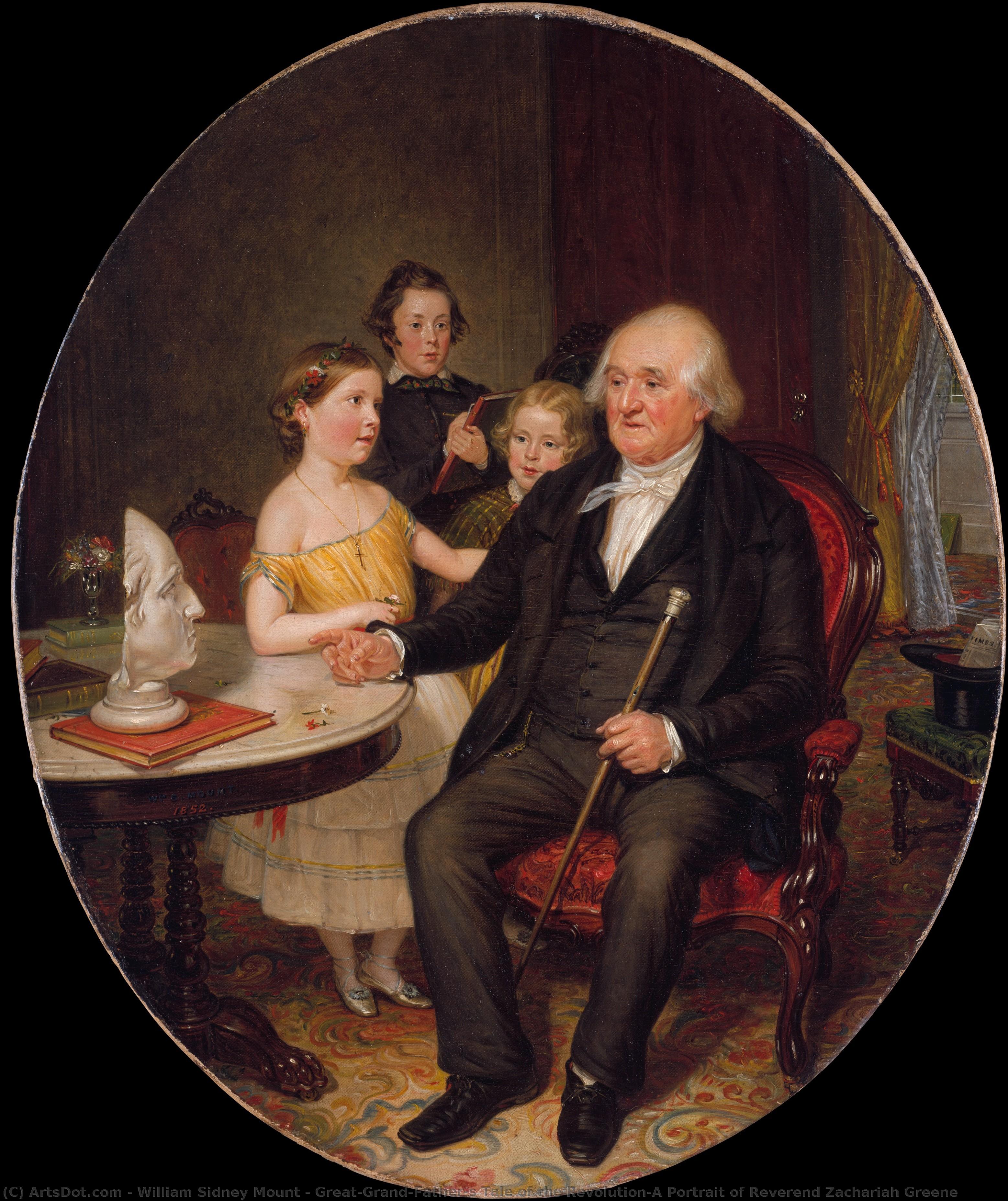
Great-Grand-Father's Tale of the Revolution—A Portrait of Reverend Zachariah Greene
 Oil On Canvas
- WallArt
- Contemporary Realism
 1852
1852- 19th Century
 61.0 x 51.0 cm
 Музей Метрополитен
 Читать далее
Приобретите цифровое изображение высокого разрешения в улучшенном качестве, которое значительно превосходит онлайн-превью.
Каждый файл тщательно подготавливается нашими специалистами с использованием передовых инструментов и экспертной ручной ретуши. Мы гарантируем исключительную четкость, точную цветопередачу и детальную проработку каждого изображения.
Финальный файл доставляется по электронной почте в течение 72 часов и оптимизирован для немедленного использования в профессиональной среде, при верстке и печати. Это тот же уровень качества, которому доверяют ведущие дизайнерские студии, издательства и галереи.
Цифровое изображение
Скачайте файл высокого разрешения для личного использования, печати и творческих проектов. ( Перейти к печати Купить картину ручной работы)
Включено в каждый заказ цифровых изображений
Гарантия экспертной цифровой доставки
Выбирая ArtsDot.com, вы получаете не просто изображение — вы приобретаете профессионально обработанное цифровое произведение искусства, созданное с безупречной точностью и под защитой гарантии качества. Вот всё, что автоматически входит в ваш заказ:

Мгновенная доставка по e-mail
Ваш цифровой файл в высоком разрешении будет отправлен вам по электронной почте в течение 72 часов после оформления заказа — и сразу станет доступен для использования.

Цифровой файл с ИИ-улучшением
Ваше произведение искусства проходит профессиональную оптимизацию с использованием передовых инструментов ИИ и ручной обработки, что гарантирует максимальную детализацию, четкость и точность цветопередачи.

Бессрочная бесплатная повторная доставка
Случайно удалили или потеряли файл? Не беспокойтесь — мы отправим его вам повторно в любое время и совершенно бесплатно.

Без импортных пошлин — навсегда
Наслаждайтесь вашим произведением искусства мгновенно без таможенных пошлин, сборов или затрат на доставку — цифровые загрузки всегда не облагаются налогом.

Гарантия точности цветопередачи
Мы гарантируем, что ваше цифровое изображение максимально точно передает оригинальные цвета благодаря использованию профессиональных инструментов и систем управления цветом.

Гарантия удовлетворенности 100 дней
Если вы не будете удовлетворены своим цифровым изображением, мы внесем правки или вернем 100% стоимости в течение 100 дней — без лишних вопросов.

100% Гарантия возврата средств
Не удовлетворены покупкой? Получите полный возврат средств в течение 100 дней после получения цифрового файла — без лишних вопросов.

Скидки на оптовые заказы
Купите 3 изображения, сэкономьте 10% — Купите 5, сэкономьте 15% — Купите 10+, сэкономьте 20%. Отличное решение для творческих проектов, галерей и агентств.
A Legacy Captured in Oil: The Intimacy of Mount’s Vision
In the quiet, amber-hued atmosphere of 1852, William Sidney Mount captured more than just a family portrait; he froze a moment of profound generational continuity. Great-Grandfather's Tale of the Revolution—A Portrait of Reverend Zachariah Greene serves as a breathtaking window into the heart of mid-nineteenth-century American domesticity. The canvas invites viewers into the Vanderhoof residence, where the venerable Reverend Greene sits as the gravitational center of his kin. Surrounded by the soft presence of children and grandchildren, the scene is far more than a mere gathering; it is a masterclass in genre painting, where the mundane is elevated to the monumental through the artist's tender observation of familial devotion.
The composition is a delicate dance of light and shadow, guiding the eye from the seated patriarch toward the attentive faces of the younger generation. Mount utilizes a sophisticated arrangement of figures to weave a narrative of paternal guidance and spiritual legacy. As the Reverend recounts tales of the Revolution, his very posture suggests a bridge between the turbulent past of a young nation and the peaceful, pious future represented by the children at his feet. This careful structural balance creates an enduring sense of serenity, making the painting an ideal centerpiece for those seeking to bring a sense of historical weight and soulful tranquility to a curated interior.
Masterful Technique and the Texture of Time
To behold this work is to appreciate the meticulous technical prowess of one of America's pioneering genre painters. Mount employed oil on canvas with a precision that borders on the miraculous, utilizing subtle tonal nuances to breathe life into the domestic setting. His brushwork possesses an extraordinary ability to render the tactile reality of the era—the heavy, velvety sheen of a fine rug, the crisp folds of period drapery, and the soft, luminous skin of the children. This level of detail does not merely decorate the canvas; it builds a palpable atmosphere that allows the viewer to almost feel the stillness of the room.
< p>For the discerning collector or interior designer, the painting offers a rich tapestry of textures that complement both classical and transitional decor. The interplay of light across the dining table, where books rest as symbols of intellect and faith, adds a layer of intellectual depth to the visual feast. Mount’s ability to capture the "Aesthetic" fascination with rural authenticity ensures that the piece feels both grounded in history and timeless in its emotional resonance. It is a work that does not demand attention through loud colors, but rather commands it through an understated grandeur and a profound, quiet dignity.An Emotional Anchor for the Modern Home
Beyond its historical significance, this masterpiece resonates on a deeply human level. In an era of rapid change, Mount’s depiction of the enduring bonds of family offers a sense of permanence and emotional stability. The painting evokes a nostalgic longing for a time defined by moral seriousness and the celebration of the commonplace. It is an evocative piece that serves as an emotional anchor, sparking conversation about heritage, storytelling, and the invisible threads that connect us to our ancestors.
Whether displayed in a sunlit library or a formal dining hall, a high-quality reproduction of this work brings with it the warmth of the 19th-century American spirit. It is an investment in atmosphere, providing a sophisticated touch of Americana that honors the beauty of the everyday life and the enduring power of the family legacy.
Похожие произведения

Биография художника
A Pioneer of American Genre Painting
William Sidney Mount, born November 26, 1807, in the quiet hamlet of Setauket, Long Island, emerged as a pivotal figure in the development of distinctly American art. He wasn’t drawn to the grand historical narratives or formal portraiture championed by many of his contemporaries; instead, Mount turned his keen eye toward the everyday lives unfolding around him – the farmers, musicians, and ordinary folk who populated the rural landscapes of 19th-century Long Island. This unwavering dedication to depicting scenes of common life established him as a true innovator, marking him as one of the earliest practitioners of genre painting in America—a style that celebrated the dignity and inherent beauty found within the mundane. His artistic journey was profoundly shaped by his upbringing; his father operated a bustling farm, store, and tavern, fostering an environment brimming with both practical experience and observation of human character. Micah Hawkins, Mount’s uncle, possessed a remarkable breadth of talents – a composer, playwright, mimic, and poet – nurturing within young William a spirit of artistic curiosity and engagement with diverse forms of expression.Early Training and Artistic Awakening
Mount's initial foray into the art world commenced not within the confines of an academic institution but through a formative apprenticeship with his older brother, Henry Smith Mount, a sign painter in New York City. This practical training honed his draughtsmanship skills and instilled a foundational understanding of painting technique—a grounding that would prove invaluable as he pursued his artistic ambitions. However, it was a visit to the American Academy of the Fine Arts exhibition in 1825 that irrevocably ignited his artistic passion. Surrounded by the works of established artists who favored grand historical subjects, Mount experienced an epiphany; he recognized the compelling narrative potential residing within capturing authentic moments from daily life. This realization propelled him toward a stylistic path markedly different from prevailing trends—a conscious rejection of convention in favor of truthful representation. Immediately captivated by the expressive power of realism, Mount embarked on his artistic independence, establishing his own studio in New York City in 1829 – a decisive step towards realizing his vision as a professional artist. Despite initial influences drawn from historical painting—he created works like *Christ Raising the Daughter of Jairus* (1828)—Mount swiftly discerned that his true vocation lay in portraying the world he knew best: the rural life of Long Island.Capturing Rural Life with Realism and Warmth
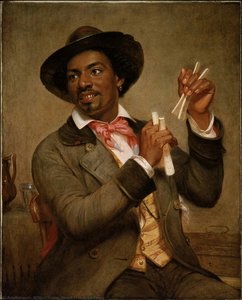
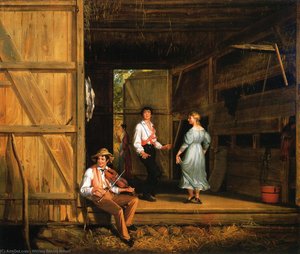
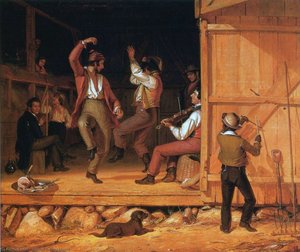
Mount’s artistic style is characterized by an unwavering realism tempered with a remarkable ability to infuse his scenes with warmth, humor, and profound empathy. He didn't idealize rural existence; rather, he presented it as it truly was – replete with both labor and leisure, hardship and joy—a nuanced portrayal that distinguished him from many of his peers. His meticulous attention to detail is palpable, extending from the textures of clothing to the subtle expressions on faces, creating an immersive experience for the viewer and conveying a sense of immediacy and authenticity. *Dancing on Barn Floor* (1831), arguably Mount’s most celebrated masterpiece, exemplifies this approach; it's a vibrant depiction of a rural dance celebration—a snapshot of communal joy captured with breathtaking precision. Later works like *The Banjo Player* (1856) demonstrate not only his technical prowess but also a deep sensitivity to his subjects—particularly African American musicians—challenging societal prejudices of the era and advocating for dignified representation. Other notable paintings include *The Long Story*, *Right and Left*, and *School Boys Quarreling*, each offering poignant glimpses into the lives and experiences of ordinary Americans.Innovation Beyond the Canvas
Mount’s artistic creativity transcended the boundaries of painting; he possessed a multifaceted talent encompassing music and invention. He played the fiddle with considerable skill, composing melodies that reflected his profound connection to the rhythms of rural life—a testament to his holistic artistic vision. Furthermore, demonstrating an extraordinary spirit of innovation, Mount constructed a portable studio within a horse-drawn wagon in 1860 – a bold decision that liberated him from conventional constraints and allowed him to pursue his art wherever inspiration struck. This mobile workspace enabled him to travel extensively throughout Long Island, directly observing and documenting scenes unfolding in real time—a practice that underscored his commitment to capturing spontaneity and conveying genuine emotion. He was recognized as one of the foremost pre-Civil War genre painters in America who resided in Stony Brook and Setauket for the majority of his life.Legacy and Enduring Influence
William Sidney Mount passed away on November 19, 1868, in his beloved Setauket, leaving behind a rich artistic legacy that continues to inspire artists today. His pioneering work in genre painting fundamentally reshaped the American art landscape—establishing it as a significant force alongside historical painting and portraiture—and paving the way for subsequent generations of painters who sought to explore themes of everyday life with honesty and compassion. He is remembered not merely for his technical skill and meticulous realism but also for his unwavering empathy toward ordinary people—celebrating their lives with dignity, respect, and profound artistic insight. Mount’s paintings stand as enduring symbols of American identity and culture, reminding us that beauty can be found in the simplest moments—a testament to his indelible contribution to art history. His dedication to portraying authentic human experience cemented his place among America's most influential artists.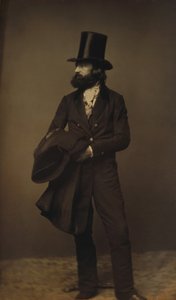
Вильям Сидни Маут
1807 - 1868 , Соединенные Штаты Америки
Основные сведения
- Artistic Movement Or Style: Жанровая живопись, Реализм
- Artists Or Movements Influenced By This Artist: ['Американская жанровая живопись']
- Artists Who Influenced This Artist:
- Бенджамин Уэст
- Вильям Хогарть
- Date Of Birth: Ноябрь 26, 1807 г.
- Date Of Death: Ноябрь 19, 1868 г.
- Full Name: William Sidney Mount
- Nationality: Американский
- Notable Artworks:
- Танцующий на амбаре
- Длинная история
- Правый и левый
- Балагур
- Place Of Birth: Сетукет, США