

 Предпросмотр
 Поделиться
 Поделиться
 Детали произведения

 Скачать
 Похожие работы
 Рентгенография
 Слайд-шоу
 Статистика
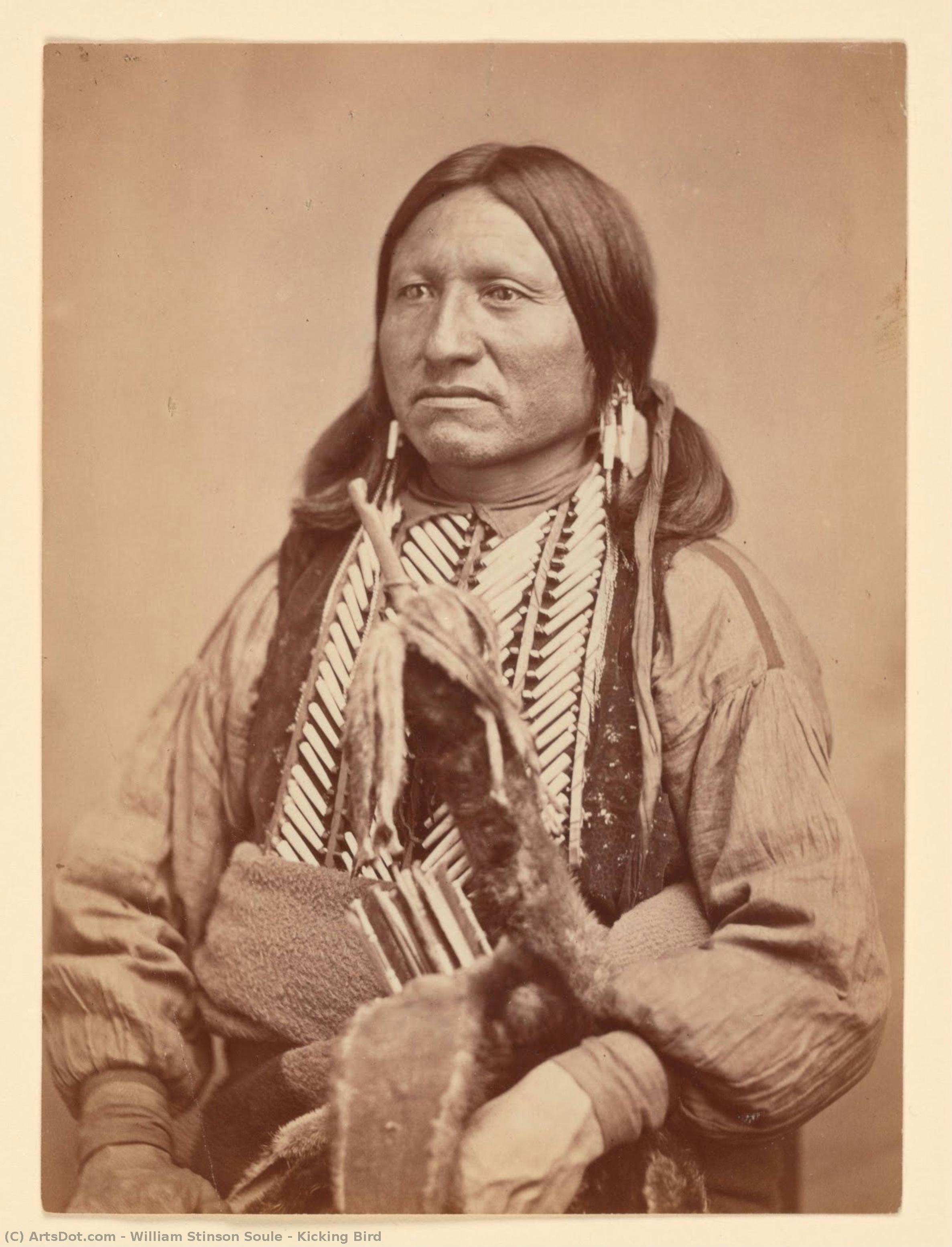
Kicking Bird
 Acrylic On Canvas
- WallArt
- Romanticism
 1870
1870 13.0 x 10.0 cm
 Национальная портретная галерея
 Читать далее
Приобретите цифровое изображение высокого разрешения в улучшенном качестве, которое значительно превосходит онлайн-превью.
Каждый файл тщательно подготавливается нашими специалистами с использованием передовых инструментов и экспертной ручной ретуши. Мы гарантируем исключительную четкость, точную цветопередачу и детальную проработку каждого изображения.
Финальный файл доставляется по электронной почте в течение 72 часов и оптимизирован для немедленного использования в профессиональной среде, при верстке и печати. Это тот же уровень качества, которому доверяют ведущие дизайнерские студии, издательства и галереи.
Цифровое изображение
Скачайте файл высокого разрешения для личного использования, печати и творческих проектов. ( Перейти к печати Купить картину ручной работы)
Включено в каждый заказ цифровых изображений
Гарантия экспертной цифровой доставки
Выбирая ArtsDot.com, вы получаете не просто изображение — вы приобретаете профессионально обработанное цифровое произведение искусства, созданное с безупречной точностью и под защитой гарантии качества. Вот всё, что автоматически входит в ваш заказ:

Мгновенная доставка по e-mail
Ваш цифровой файл в высоком разрешении будет отправлен вам по электронной почте в течение 72 часов после оформления заказа — и сразу станет доступен для использования.

Цифровой файл с ИИ-улучшением
Ваше произведение искусства проходит профессиональную оптимизацию с использованием передовых инструментов ИИ и ручной обработки, что гарантирует максимальную детализацию, четкость и точность цветопередачи.

Бессрочная бесплатная повторная доставка
Случайно удалили или потеряли файл? Не беспокойтесь — мы отправим его вам повторно в любое время и совершенно бесплатно.

Без импортных пошлин — навсегда
Наслаждайтесь вашим произведением искусства мгновенно без таможенных пошлин, сборов или затрат на доставку — цифровые загрузки всегда не облагаются налогом.

Гарантия точности цветопередачи
Мы гарантируем, что ваше цифровое изображение максимально точно передает оригинальные цвета благодаря использованию профессиональных инструментов и систем управления цветом.

Гарантия удовлетворенности 100 дней
Если вы не будете удовлетворены своим цифровым изображением, мы внесем правки или вернем 100% стоимости в течение 100 дней — без лишних вопросов.

100% Гарантия возврата средств
Не удовлетворены покупкой? Получите полный возврат средств в течение 100 дней после получения цифрового файла — без лишних вопросов.

Скидки на оптовые заказы
Купите 3 изображения, сэкономьте 10% — Купите 5, сэкономьте 15% — Купите 10+, сэкономьте 20%. Отличное решение для творческих проектов, галерей и агентств.
A Portrait of Resilience: William Stinson Soule’s “Kicking Bird”
The photograph "Kicking Bird," created by William Stinson Soule in 1870, stands as a testament to both the artistic prowess of its creator and the profound cultural significance embedded within Native American iconography. Captured in black and white, this image depicts Kicking Bird, a Cheyenne warrior, seated calmly beside a pipe – an emblem deeply rooted in Cheyenne spirituality and tradition. Soule’s meticulous attention to detail elevates “Kicking Bird” beyond mere documentation; it's a carefully considered portrayal that speaks volumes about the era’s fascination with ethnographic observation and the burgeoning field of photography as a tool for preserving cultural heritage.The Artist’s Journey: From Civil War Soldier to Photographic Pioneer
William Stinson Soule’s life was shaped by pivotal experiences during the American Civil War. Enlisting with the 13th Massachusetts Volunteer Infantry, he bravely served on the Union side, sustaining injuries at Antietam – a battle that underscored the brutal realities of conflict and solidified his commitment to duty. Following the war, Soule pursued his passion for photography, establishing a studio in Chambersburg, Pennsylvania, before facing unforeseen hardship when a devastating fire consumed his business. Undeterred by setbacks, he relocated to Fort Dodge, Kansas, where he honed his skills as a clerk in the sutler’s store and ultimately secured the position of post photographer – an opportunity that allowed him to document the landscapes and people of the American West.Technical Considerations: Soule's Photographic Approach
Soule employed albumen printing, a technique prevalent during the late 1860s and early 1870s. This process involved immersing paper in a solution containing egg whites and metallic salts – a laborious undertaking that demanded precision and patience. The resulting image possessed remarkable tonal range and sharpness, capturing subtle nuances of light and shadow with impressive accuracy. Soule’s skillful manipulation of exposure and dodging ensured that Kicking Bird's face was illuminated prominently, conveying both dignity and solemn contemplation. Furthermore, the photograph’s composition—the warrior positioned centrally against a muted backdrop—suggested an intention to convey respect for the subject and his cultural heritage.Symbolism Within the Image: The Pipe as Spiritual Representation
The inclusion of the pipe is paramount to understanding “Kicking Bird.” For Cheyenne people, the pipe represents more than just a smoking instrument; it’s a conduit to the spirit world and a symbol of peace, healing, and connection with ancestors. Holding the pipe signifies Kicking Bird's adherence to Cheyenne traditions and his engagement in rituals intended to foster harmony and spiritual awareness. The posture itself—seated calmly—reflects a contemplative demeanor that embodies resilience and inner strength – qualities admired within Cheyenne culture during this period of westward expansion and increasing interaction with European settlers.Emotional Resonance: Capturing the Essence of Cheyenne Identity
“Kicking Bird” transcends its technical merits to evoke a powerful emotional response. The photograph’s stark monochrome palette contributes to its solemn atmosphere, emphasizing the seriousness of the subject matter and conveying a sense of timelessness. Soule's portrayal captures not only Kicking Bird's physical appearance but also his inner spirit—a quiet dignity born from unwavering faith in tradition and a profound connection to Cheyenne heritage. It serves as an enduring reminder of the importance of preserving cultural narratives and honoring the experiences of indigenous communities during a transformative era in American history.Похожие произведения
Биография художника
William Stinson Soule: A Life in Photography
Early Life and Military Service
William Stinson Soule, also known as Will Soule, was born on August 26, 1836, in Turner, Maine, the son of John Soule and Mary (née True). His early life took a dramatic turn with the outbreak of the American Civil War. He enlisted with the 13th Massachusetts Volunteer Infantry, serving the Union Army. Soule was wounded at the Battle of Antietam on September 17, 1862, and subsequently served out the remainder of the war with the Veteran Reserve Corps.
Photographic Career: From Pennsylvania to the West
Following his military service, Soule embarked on a career in photography. In 1865, he opened a studio and gallery in Chambersburg, Pennsylvania. However, this venture was short-lived; a fire destroyed his business in early 1867. Undeterred, Soule moved west to Fort Dodge, Kansas, where he worked as a clerk in the sutler's store.
A pivotal moment arrived in 1869 when Soule became the post photographer at Fort Sill, Indian Territory (present-day Oklahoma). For six years, he held this position, capturing high-quality portraits and photographs of Native American individuals and groups. This period represents the most significant contribution to his photographic legacy.
Work and Style
Soule’s work is characterized by its technical proficiency and attention to detail – hallmarks of late 19th-century photography. His portraits, particularly those of Native Americans, are notable for their dignity and respect. He wasn't simply documenting; he was creating lasting visual records of a changing era.
- Portraiture: Soule excelled in portrait photography, capturing the likenesses of soldiers, settlers, and especially Native American leaders and families.
- Documentation: His photographs served as important documentation of life on the frontier during a period of significant cultural contact and conflict.
- Technical Skill: Soule’s work demonstrates mastery of photographic techniques available at the time, including wet plate collodion processes.
Later Life and Legacy
In 1875, Soule left Fort Sill and returned east. He married Ella Augusta Blackman that year and resided in Philadelphia before moving to Vermont and finally settling in Boston in 1882. There, he took over his older brother's business, the Soule Art Company, until his retirement in 1900.
William Stinson Soule passed away on August 12, 1908. While not a household name today, his photographs remain invaluable historical resources, offering insights into the American West and its diverse inhabitants during a crucial period of transformation.
Historical Significance
Soule’s contributions lie in his meticulous documentation of Native American life and culture at a time when these communities were undergoing profound changes. His photographs provide a visual record that complements written accounts, offering a more nuanced understanding of the era. His work continues to be studied by historians and art enthusiasts alike, ensuring his place as an important figure in the history of Western photography.
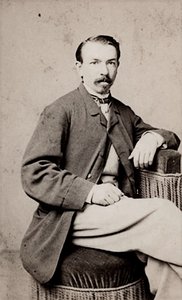
william stinson soule
1836 - 1908 , United States of America
Основные сведения
- Birth Date: August 26, 1836
- Birth Place: Turner, Maine, United States of America
- Death Date: August 12, 1908
- Movement: Photography
- Name: William Stinson Soule
- Nationality: American
- Notable Works: Photographs of Native American subjects and the American West (specifically Kicking Bird)