

 Предпросмотр
 Поделиться
 Поделиться
 Детали произведения

 Скачать
 Похожие работы
 Рентгенография
 Слайд-шоу
 Статистика
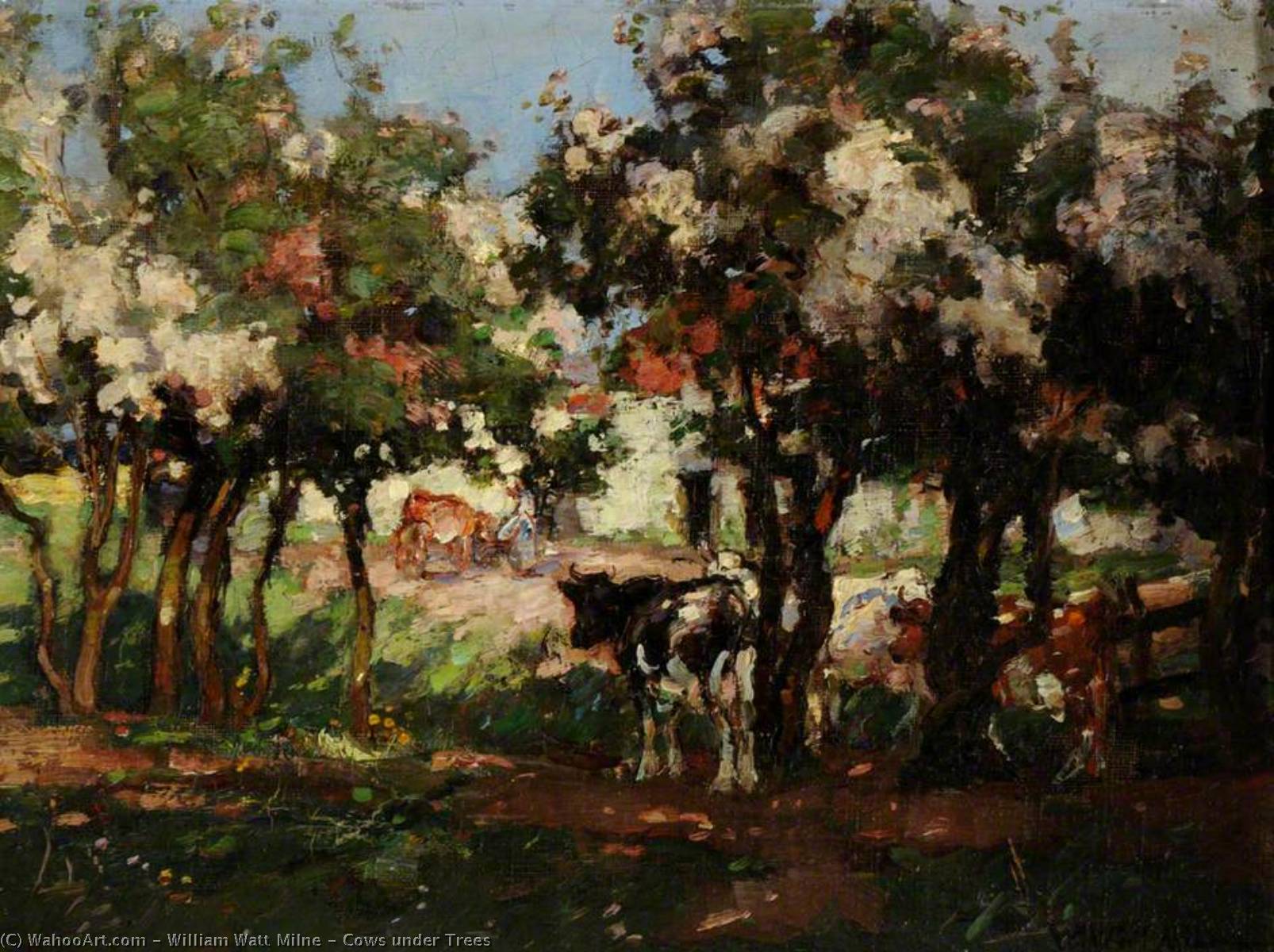
Cows under Trees
 21.0 x 29.0 cm
 Читать далее
Жикле / Арт-принт
Печать (жикле) или холст музейного качества с быстрыми сроками изготовления и широким выбором вариантов отделки. ( Купить картину ручной работы Перейти к цифровым изображениям)




































Выберите один из наших стандартных размеров, соответствующих оригинальным пропорциям произведения искусства.

Вы можете указать свои собственные размеры, чтобы репродукция идеально подошла под конкретную раму или пространство. Если выбранный вами размер не будет соответствовать пропорциям оригинала, мы либо обрежем произведение, либо дополним изображение зеркальным отражением краев или однотонной заливкой. Перед началом производства вам будет отправлен цифровой макет для утверждения.
Пожалуйста, обратите внимание, что предварительный просмотр на экране не отображает фактическую обрезку или расширение изображения. Только макет точно покажет финальную композицию.
Несмотря на возможность заказа индивидуальных размеров, мы рекомендуем выбирать размер из предопределенного списка, чтобы сохранить оригинальные пропорции.
Доставка по всему миру () за 2 недели вместо стандартных 4/5 недель. (12 Сентябрь)

Бесплатная экспресс-доставка по всему миру

Высококачественный льняной холст

Полное страхование доставки

Гарантия возмещения таможенных пошлин

Гарантия точного соответствия цветов

100-дневная политика возврата (только при обнаружении дефектов)

Гарантия возврата 100% средств

Предложение оптовых скидок
 Вариант со стеклом доступен только для размеров менее 110 см

Cows under Trees
Жикле / Арт-принт
Размер репродукции
-


Итоговая стоимость
$ 62
Похожие произведения





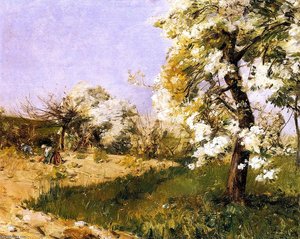

Биография художника
The Serene Vision of William Watt Milne
In the quiet, rolling landscapes of the English countryside, there exists a particular kind of magic found only in the soft interplay of light and shadow upon a meadow or the gentle ripple of water against an ancient mill. It was this very essence of pastoral tranquility that William Watt Milne (1865–1949) dedicated his life to capturing. Born in Cambridge, Cambridges bridgeshire, Milne emerged as a painter whose soul was deeply entwined with the rural rhythms of England. His work does not merely document the land; it breathes with it, offering a nostalgic window into a world where the pace of life was dictated by the seasons and the sun.
Milne’s artistic journey began with formal training at the Cambridge School of Art, an experience that provided him with a rigorous foundation in watercolor. However, as his vision matured, he found himself drawn to the richer, more atmospheric possibilities of oil on canvas. This transition allowed him to move beyond mere representation toward a more profound, Impressionistic exploration of light. Influenced by the monumental figures of his era, such as Frederic Leighton and Joseph Noel Paton, Milne learned to prioritize the emotional weight of color and the ephemeral quality of atmosphere over the rigid constraints of precise detail. His canvases became vessels for mood, where a soft brushstroke could evoke the warmth of a summer afternoon or the misty uncertainty of a morning fog.
A Legacy of Light and Craftsmanship
The heart of Milne’s oeuvre lies in his profound connection to the Arts & Crafts movement. This period, which championed a return to traditional craftsmanship and an idealized reverence for nature, found its perfect visual ambassador in Milne’s landscapes. His paintings often feature the quintessential elements of the Cambridgeshire countryside: winding watermills, sun-drenched farmyards, and charming cottages nestled among lush flora. In works such as A Cottage Garden at Sawtry, one can witness his mastery of the Impressionistic style, where vibrant roses and poppies are rendered with a delicate touch that suggests movement and life.
His technical approach was characterized by a muted yet luminous palette, designed to evoke a sense of peace rather than drama. Whether he was depicting the lively energy of A Corner of the Farmyard—complete with roaming chickens and a watchful dog—or the solitary, reflective beauty of Hemingford Grey Watermill, Milne maintained a consistent devotion to the "quiet" landscape. His ability to find grandeur in the humble and beauty in the ordinary solidified his reputation among his contemporaries.
Beyond his individual canvases, Milne’s significance is cemented by his place within the broader artistic community of his time:
- The Watts Gallery Connection: His close association with the Watts Gallery – Artists' Village in Guildford placed him at the center of a vibrant creative ecosystem dedicated to the revival of British art.
- Artistic Versatility: While primarily known for landscapes, his ability to transition from the delicate transparency of watercolor to the textured depth of oil allowed him to capture various facets of nature.
- Historical Preservation: Through his prolific output of over 300 paintings, Milne preserved a visual record of a vanishing way of rural life, making his work a vital piece of British cultural heritage.
Today, the legacy of William Watt Milne continues to resonate through the galleries that house his treasures, such as the Burton Art Gallery and Museum and the Watts Gallery. To look upon a Milne landscape is to step into a moment of stillness, a respite from the chaos of the modern world, and to rediscover the enduring, quiet beauty of the English earth.
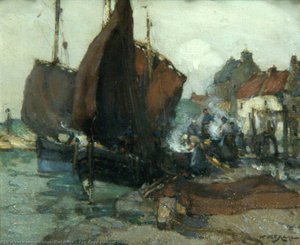
william watt milne
1865 - 1949
Основные сведения
- Artistic Movement Or Style: Impressionism
- Artists Or Movements Influenced By This Artist: ['Arts & Crafts']
- Artists Who Influenced This Artist: ['George Frederic Watts']
- Date Of Birth: 1865
- Date Of Death: 1949
- Full Name: William Watt Milne
- Nationality: British
- Notable Artworks:
- A Corner of the Farmyard
- A Cottage Garden at Sawtry, Cambridgeshire
- Hemingford Grey Watermill
- Place Of Birth: Guildford, Surrey