

 Предпросмотр
 Поделиться
 Поделиться
 Детали произведения

 Скачать
 Похожие работы
 Рентгенография
 Слайд-шоу
 Статистика
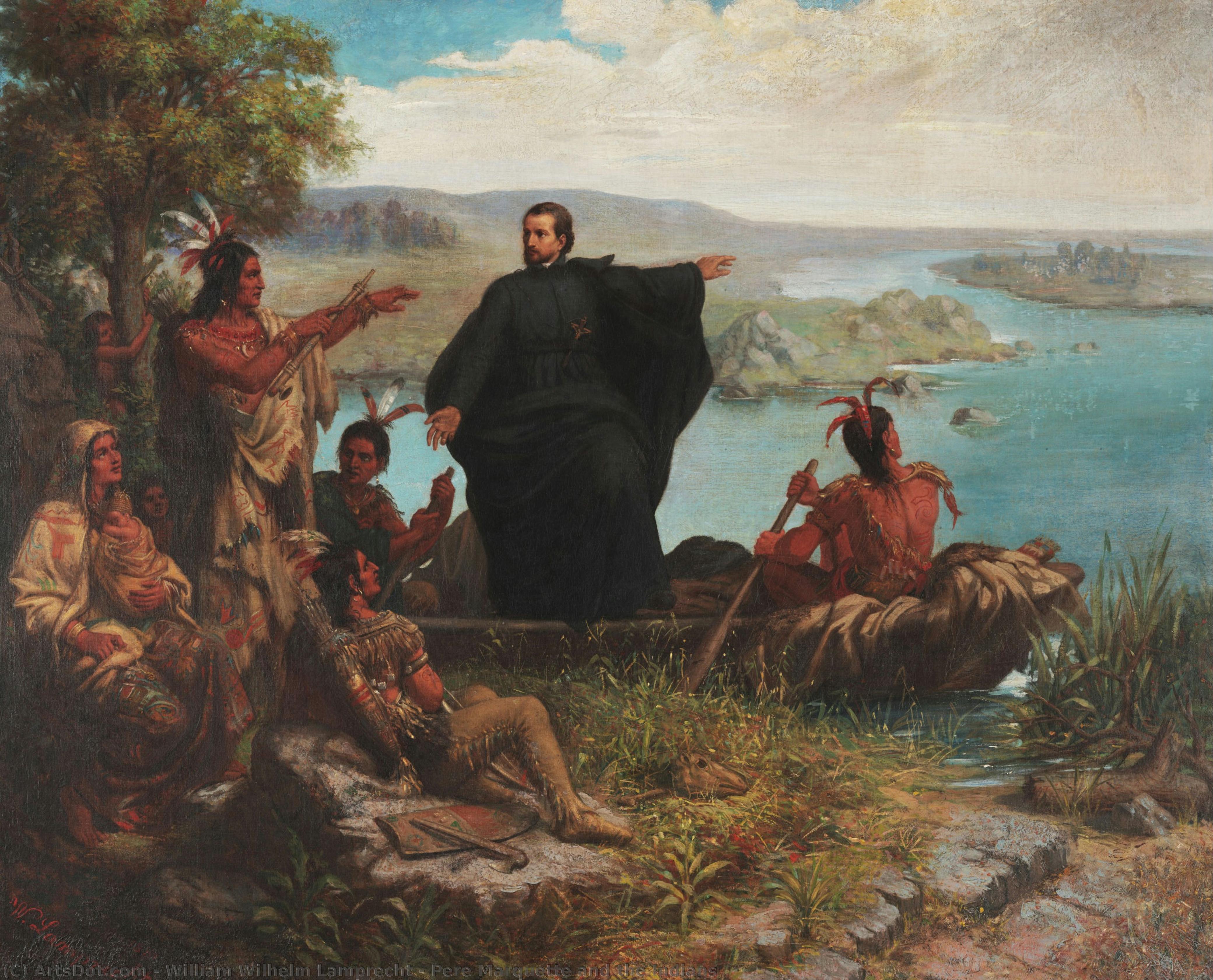
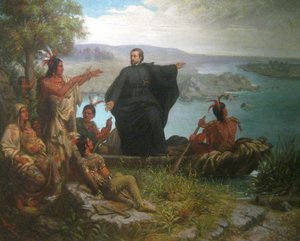
Pere Marquette and the Indians


 Читать далее
Приобретите цифровое изображение высокого разрешения в улучшенном качестве, которое значительно превосходит онлайн-превью.
Каждый файл тщательно подготавливается нашими специалистами с использованием передовых инструментов и экспертной ручной ретуши. Мы гарантируем исключительную четкость, точную цветопередачу и детальную проработку каждого изображения.
Финальный файл доставляется по электронной почте в течение 72 часов и оптимизирован для немедленного использования в профессиональной среде, при верстке и печати. Это тот же уровень качества, которому доверяют ведущие дизайнерские студии, издательства и галереи.
Цифровое изображение
Скачайте файл высокого разрешения для личного использования, печати и творческих проектов. ( Перейти к печати Купить картину ручной работы)
Включено в каждый заказ цифровых изображений
Гарантия экспертной цифровой доставки
Выбирая ArtsDot.com, вы получаете не просто изображение — вы приобретаете профессионально обработанное цифровое произведение искусства, созданное с безупречной точностью и под защитой гарантии качества. Вот всё, что автоматически входит в ваш заказ:

Мгновенная доставка по e-mail
Ваш цифровой файл в высоком разрешении будет отправлен вам по электронной почте в течение 72 часов после оформления заказа — и сразу станет доступен для использования.

Цифровой файл с ИИ-улучшением
Ваше произведение искусства проходит профессиональную оптимизацию с использованием передовых инструментов ИИ и ручной обработки, что гарантирует максимальную детализацию, четкость и точность цветопередачи.

Бессрочная бесплатная повторная доставка
Случайно удалили или потеряли файл? Не беспокойтесь — мы отправим его вам повторно в любое время и совершенно бесплатно.

Без импортных пошлин — навсегда
Наслаждайтесь вашим произведением искусства мгновенно без таможенных пошлин, сборов или затрат на доставку — цифровые загрузки всегда не облагаются налогом.

Гарантия точности цветопередачи
Мы гарантируем, что ваше цифровое изображение максимально точно передает оригинальные цвета благодаря использованию профессиональных инструментов и систем управления цветом.

Гарантия удовлетворенности 100 дней
Если вы не будете удовлетворены своим цифровым изображением, мы внесем правки или вернем 100% стоимости в течение 100 дней — без лишних вопросов.

100% Гарантия возврата средств
Не удовлетворены покупкой? Получите полный возврат средств в течение 100 дней после получения цифрового файла — без лишних вопросов.

Скидки на оптовые заказы
Купите 3 изображения, сэкономьте 10% — Купите 5, сэкономьте 15% — Купите 10+, сэкономьте 20%. Отличное решение для творческих проектов, галерей и агентств.
Похожие произведения
Биография художника
William Keith: A Pioneer of California Tonalism
Born in Oldmeldrum, Aberdeenshire, Scotland, on November 18, 1838, William Keith’s artistic journey took him from the rugged landscapes of his homeland to the sun-drenched vistas of California, ultimately establishing him as a significant figure in American Tonalism and the broader American Barbizon school. His early life was marked by a swift relocation to New York City with his family, an experience that instilled in him a pragmatic approach to art – one rooted not in grand narratives or dramatic displays but in quiet observation and the subtle nuances of light and color. This foundational shift would profoundly shape his artistic philosophy and style.
Keith’s formal training began as an apprentice engraver, a skill that honed his eye for detail and precision—qualities he later applied to his painting. He briefly explored opportunities in Europe, studying under Samuel Marsden Brookes in Dusseldorf and absorbing the influence of European landscape traditions. However, it was his time in California, beginning in 1859, that truly defined his artistic identity. The vastness and unique light conditions of the West captivated him, leading to a sustained period of intense observation and experimentation. Unlike many artists who sought to replicate photographic realism, Keith deliberately eschewed detailed rendering, instead focusing on capturing the *feeling* of a place—the atmosphere, the mood, the subtle shifts in tone that characterized the California landscape.
Early California Years & Artistic Development
Upon arriving in San Francisco, Keith initially struggled to secure the commissions he’d anticipated. He established his own engraving business and later partnered with Harrison Eastman and Durbin Van Vleck, but it was painting that ultimately became his primary focus. His early works were characterized by a meticulous attention to detail, reflecting his engraver's background, yet they quickly evolved into something far more expressive. Keith’s artistic development can be traced through several key influences: the Tonalist movement, which emphasized atmospheric effects and subtle gradations of color; and the Barbizon school in France, known for its rejection of academic conventions and focus on direct observation. He sought to emulate the tonal qualities of artists like Jean-François Millet, translating the muted palettes and evocative moods of French landscape painting to the Californian setting.
Keith’s artistic philosophy was deeply personal. As he himself stated, “My subjective pictures are the ones that come from the inside.” He believed that true art stemmed not from external representation but from an internal emotional response—a feeling conveyed through color and light. He famously described his approach as prioritizing "the sentiment" over mere visual accuracy, a perspective that distinguished him from many of his contemporaries who sought to create more literal depictions of nature.
California Landscapes & Tonalist Techniques
Keith’s most celebrated works depict the dramatic landscapes of California—the towering Sierra Nevada mountains, the vast plains, and the meandering rivers. He was particularly drawn to scenes of rural life, capturing the dignity and resilience of the people who inhabited these regions. His paintings are characterized by a deliberate lack of sharp outlines or strong contrasts; instead, he employed subtle gradations of tone – “tones” as he called them—to create an atmospheric depth and sense of mood. This technique, central to Tonalism, allowed him to evoke not just the appearance of a landscape but its *essence*.
Keith’s use of light was particularly noteworthy. He meticulously observed how sunlight transformed throughout the day, casting long shadows, creating shimmering highlights, and imbuing the landscapes with an ever-changing quality. His paintings often capture the fleeting moments of twilight or dawn, when the world is bathed in a soft, ethereal glow. His work demonstrates a remarkable sensitivity to color—a palette dominated by muted browns, grays, and greens, punctuated by occasional bursts of vibrant yellow or blue.
Legacy & Recognition
William Keith’s career spanned several decades, during which he established himself as one of California's leading landscape painters. While his work was not always immediately recognized during his lifetime, it has since gained considerable appreciation for its quiet beauty and profound emotional resonance. He died in 1911, leaving behind a substantial body of work that continues to captivate viewers with its evocative power. Keith’s influence can be seen in the works of later Tonalist painters and American landscape artists, cementing his place as a pivotal figure in the development of American art.
Keith's paintings are now held in prominent collections across the United States, including the Smithsonian American Art Museum and the California Palace of Fine Arts. His legacy endures not only through his artistic achievements but also through his unwavering commitment to capturing the spirit of the West—a spirit that continues to resonate with audiences today.
william wilhelm lamprecht
1838 - 1901 , United States of America
Основные сведения
- Artistic Movement Or Style: Genre, Landscape
- Artists Or Movements Influenced By This Artist: ['American Society']
- Artists Who Influenced This Artist: ['National Academy']
- Date Of Birth: March 20, 1838
- Date Of Death: 1918
- Full Name: William Magrath
- Nationality: Irish
- Notable Artworks:
- Cotton Plantation
- Levee, New Orleans
- Place Of Birth: Cork, Ireland