

 Предпросмотр
 Поделиться
 Поделиться
 Детали произведения

 Скачать
 Похожие работы
 Рентгенография
 Слайд-шоу
 Статистика
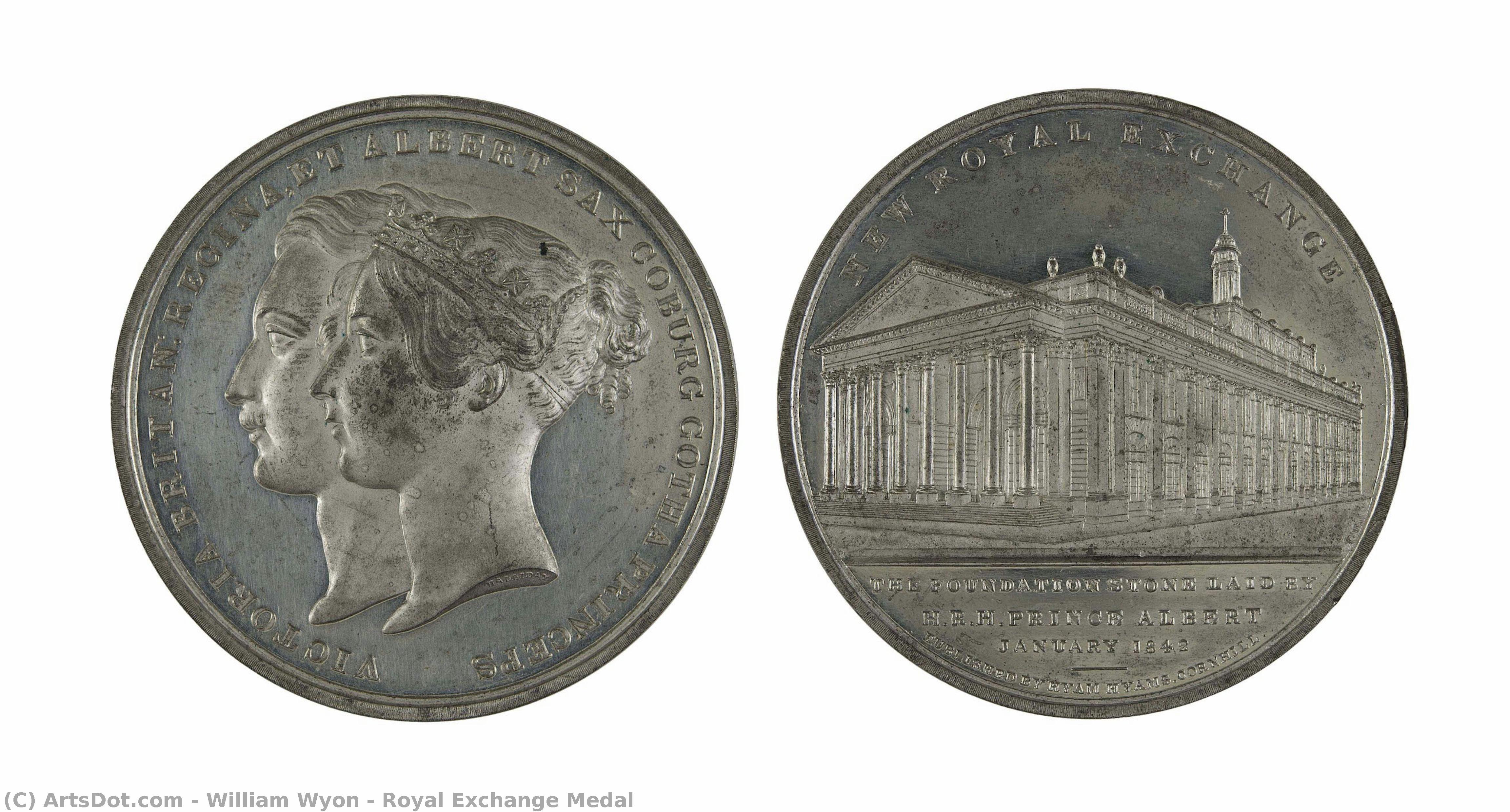
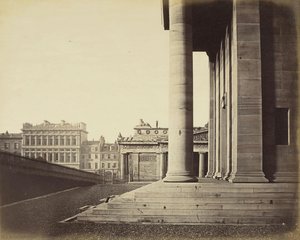
Royal Exchange Medal


 Читать далее
Приобретите цифровое изображение высокого разрешения в улучшенном качестве, которое значительно превосходит онлайн-превью.
Каждый файл тщательно подготавливается нашими специалистами с использованием передовых инструментов и экспертной ручной ретуши. Мы гарантируем исключительную четкость, точную цветопередачу и детальную проработку каждого изображения.
Финальный файл доставляется по электронной почте в течение 72 часов и оптимизирован для немедленного использования в профессиональной среде, при верстке и печати. Это тот же уровень качества, которому доверяют ведущие дизайнерские студии, издательства и галереи.
Цифровое изображение
Скачайте файл высокого разрешения для личного использования, печати и творческих проектов. ( Перейти к печати Купить картину ручной работы)
Включено в каждый заказ цифровых изображений
Гарантия экспертной цифровой доставки
Выбирая ArtsDot.com, вы получаете не просто изображение — вы приобретаете профессионально обработанное цифровое произведение искусства, созданное с безупречной точностью и под защитой гарантии качества. Вот всё, что автоматически входит в ваш заказ:

Мгновенная доставка по e-mail
Ваш цифровой файл в высоком разрешении будет отправлен вам по электронной почте в течение 72 часов после оформления заказа — и сразу станет доступен для использования.

Цифровой файл с ИИ-улучшением
Ваше произведение искусства проходит профессиональную оптимизацию с использованием передовых инструментов ИИ и ручной обработки, что гарантирует максимальную детализацию, четкость и точность цветопередачи.

Бессрочная бесплатная повторная доставка
Случайно удалили или потеряли файл? Не беспокойтесь — мы отправим его вам повторно в любое время и совершенно бесплатно.

Без импортных пошлин — навсегда
Наслаждайтесь вашим произведением искусства мгновенно без таможенных пошлин, сборов или затрат на доставку — цифровые загрузки всегда не облагаются налогом.

Гарантия точности цветопередачи
Мы гарантируем, что ваше цифровое изображение максимально точно передает оригинальные цвета благодаря использованию профессиональных инструментов и систем управления цветом.

Гарантия удовлетворенности 100 дней
Если вы не будете удовлетворены своим цифровым изображением, мы внесем правки или вернем 100% стоимости в течение 100 дней — без лишних вопросов.

100% Гарантия возврата средств
Не удовлетворены покупкой? Получите полный возврат средств в течение 100 дней после получения цифрового файла — без лишних вопросов.

Скидки на оптовые заказы
Купите 3 изображения, сэкономьте 10% — Купите 5, сэкономьте 15% — Купите 10+, сэкономьте 20%. Отличное решение для творческих проектов, галерей и агентств.
Похожие произведения
Биография художника
William Wyon: The Sculptor of Britannia’s Coinage
William Wyon (1795 – 1851) stands as a monumental figure in British artistic history, primarily recognized for his transformative role at the Royal Mint and his indelible contribution to Victorian coinage. Born in Birmingham, England, into a family steeped in die engraving tradition—his father, Peter Wyon, was himself a respected engraver—Wyon’s early life foreshadowed a lifelong dedication to crafting precision and beauty from metal. He possessed an innate talent for sculpture combined with exceptional technical skill, which would ultimately define his artistic legacy.- Early Life & Training: From Birmingham Die Sinker to Artistic Aspirations
- London Years & Flaxman’s Influence: Studying Under a Master Sculptor
- Royal Mint Career: Shaping Britannia's Image
- Notable Engravings: Coins and Medallions That Defined an Era
- Legacy & Recognition: A Lasting Impact on British Art and Numismatics
Early Life & Training: From Birmingham Die Sinker to Artistic Aspirations
William Wyon’s formative years were spent in Birmingham, where he apprenticed under his father, Peter George Wyon II, a skilled die engraver who operated a family business specializing in producing coins and medals. This upbringing instilled within him not only technical proficiency but also an appreciation for craftsmanship and artistic vision—values that would permeate his entire career. The burgeoning Industrial Revolution provided Birmingham with unparalleled opportunities for innovation and technological advancement, shaping the environment in which Wyon honed his skills. His father’s influence extended beyond mere trade; Peter Wyon II fostered a deep understanding of sculptural techniques and aesthetic principles, laying the groundwork for William's future artistic endeavors.London Years & Flaxman’s Influence: Studying Under a Master Sculptor
Seeking to broaden his artistic horizons, Wyon relocated to London in 1816 where he enrolled at the Royal Academy of Arts and studied under John Flaxman, a celebrated neoclassical sculptor whose work championed idealized forms and moral themes. Flaxman's profound impact on Wyon’s artistic sensibilities is undeniable; he instilled in him a reverence for classical ideals and encouraged experimentation with new sculptural techniques. Flaxman’s emphasis on conveying emotion through form—a cornerstone of neoclassical art—served as an inspiration to Wyon, shaping his approach to portraiture and commemorative sculpture alike. The Academy's rigorous curriculum fostered intellectual curiosity and artistic refinement, equipping Wyon with the tools necessary to excel in his chosen field.Royal Mint Career: Shaping Britannia’s Image
In 1828 William Wyon ascended to the prestigious role of Chief Engraver at the Royal Mint—a position he held until his death in 1851—marking a pivotal moment in British numismatic history. Prior to this appointment, he had served as assistant engraver and gained considerable experience in designing coins for various monarchs. During his tenure, Wyon oversaw the creation of several groundbreaking coin designs, including the second and third effigies of George IV and the portrait of William IV—each meticulously crafted to embody regal dignity and artistic excellence. He championed a revival of neoclassical engraving styles, prioritizing clarity, precision, and harmonious composition. His work elevated British coinage to new heights of aesthetic sophistication, solidifying his reputation as one of the era’s foremost engravers.Notable Engravings: Coins and Medallions That Defined an Era
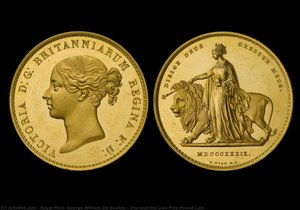
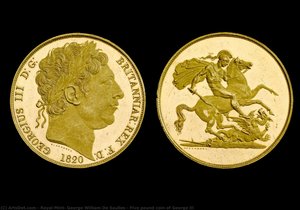
Wyon's artistic output extended beyond coin design; he produced numerous medals commemorating significant historical events and honoring prominent figures—most notably, the Royal Exchange Medal (1842) celebrating London’s economic prosperity and the St George and Dragon medal (1845), symbolizing England’s martial spirit. His engravings were characterized by remarkable detail and artistic sensitivity, reflecting his mastery of sculptural techniques and his unwavering commitment to conveying emotion through form. The “Young Head” portrait of Victoria—adopted as the coinage emblem from 1838—became an enduring symbol of Victorian Britain, embodying youthful idealism and regal grace. Wyon’s designs captivated collectors worldwide and cemented his place among the most influential artists of the nineteenth century.Legacy & Recognition: A Lasting Impact on British Art and Numismatics
William Wyon's influence resonated throughout British art and numismatic circles for decades after his death. His revival of neoclassical engraving styles inspired subsequent generations of engravers, shaping the visual language of Victorian coinage and contributing to a broader appreciation for classical artistic principles. He was elected a Fellow of the Royal Academy in 1838—a testament to his artistic achievements and scholarly reputation—further solidifying his legacy as one of Britain’s most celebrated sculptors and engravers. His meticulous attention to detail, combined with his unwavering commitment to conveying emotion through form, continues to inspire admiration among art historians and collectors alike. Wyon's enduring contribution to British cultural heritage ensures that his name will forever be associated with the grandeur and beauty of Victorian artistry.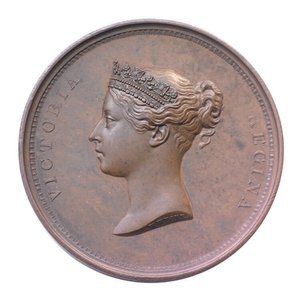
William Wyon
1795 - 1851 , United Kingdom
Основные сведения
- Artistic Movement Or Style: Neoclassicist
- Artists Or Movements Influenced By This Artist: ['George IV Effigies']
- Artists Who Influenced This Artist: ['John Flaxman']
- Date Of Birth: 1795 Birmingham, United Kingdom
- Date Of Death: 1851 Brighton, United Kingdom
- Full Name: William Wyon
- Nationality: British
- Notable Artworks:
- Royal Exchange Medal
- Electrotype featuring St George battling the dragon
- Place Of Birth: Birmingham