

 Предпросмотр
 Поделиться
 Поделиться
 Детали произведения

 Скачать
 Похожие работы
 Рентгенография
 Слайд-шоу
 Статистика
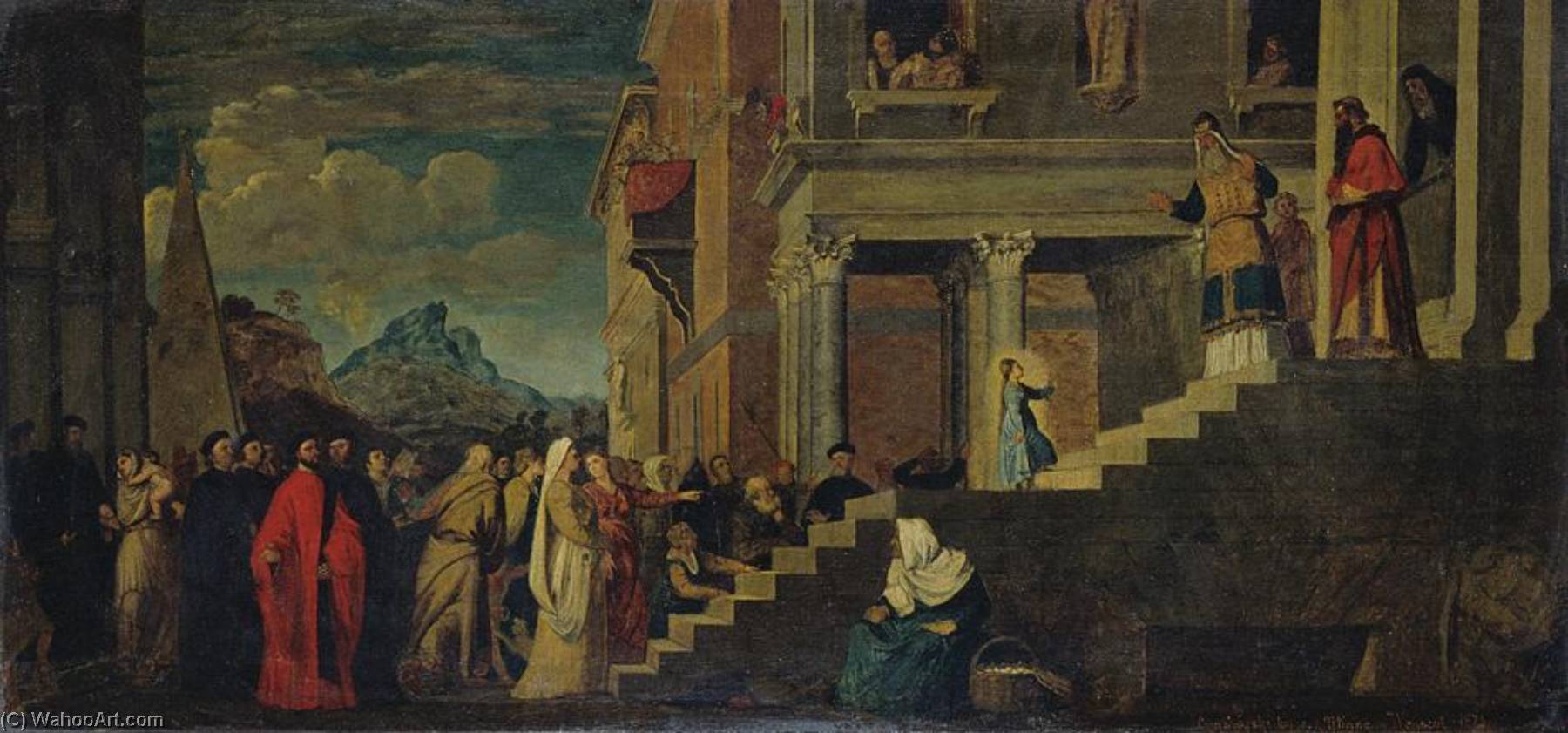
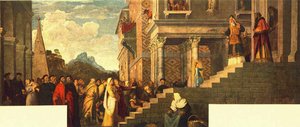
Mary in the Temple


 Читать далее
Приобретите цифровое изображение высокого разрешения в улучшенном качестве, которое значительно превосходит онлайн-превью.
Каждый файл тщательно подготавливается нашими специалистами с использованием передовых инструментов и экспертной ручной ретуши. Мы гарантируем исключительную четкость, точную цветопередачу и детальную проработку каждого изображения.
Финальный файл доставляется по электронной почте в течение 72 часов и оптимизирован для немедленного использования в профессиональной среде, при верстке и печати. Это тот же уровень качества, которому доверяют ведущие дизайнерские студии, издательства и галереи.
Цифровое изображение
Скачайте файл высокого разрешения для личного использования, печати и творческих проектов. ( Перейти к печати Купить картину ручной работы)
Включено в каждый заказ цифровых изображений
Гарантия экспертной цифровой доставки
Выбирая ArtsDot.com, вы получаете не просто изображение — вы приобретаете профессионально обработанное цифровое произведение искусства, созданное с безупречной точностью и под защитой гарантии качества. Вот всё, что автоматически входит в ваш заказ:

Мгновенная доставка по e-mail
Ваш цифровой файл в высоком разрешении будет отправлен вам по электронной почте в течение 72 часов после оформления заказа — и сразу станет доступен для использования.

Цифровой файл с ИИ-улучшением
Ваше произведение искусства проходит профессиональную оптимизацию с использованием передовых инструментов ИИ и ручной обработки, что гарантирует максимальную детализацию, четкость и точность цветопередачи.

Бессрочная бесплатная повторная доставка
Случайно удалили или потеряли файл? Не беспокойтесь — мы отправим его вам повторно в любое время и совершенно бесплатно.

Без импортных пошлин — навсегда
Наслаждайтесь вашим произведением искусства мгновенно без таможенных пошлин, сборов или затрат на доставку — цифровые загрузки всегда не облагаются налогом.

Гарантия точности цветопередачи
Мы гарантируем, что ваше цифровое изображение максимально точно передает оригинальные цвета благодаря использованию профессиональных инструментов и систем управления цветом.

Гарантия удовлетворенности 100 дней
Если вы не будете удовлетворены своим цифровым изображением, мы внесем правки или вернем 100% стоимости в течение 100 дней — без лишних вопросов.

100% Гарантия возврата средств
Не удовлетворены покупкой? Получите полный возврат средств в течение 100 дней после получения цифрового файла — без лишних вопросов.

Скидки на оптовые заказы
Купите 3 изображения, сэкономьте 10% — Купите 5, сэкономьте 15% — Купите 10+, сэкономьте 20%. Отличное решение для творческих проектов, галерей и агентств.
Похожие произведения

Биография художника
The Elegance of Academic Detail: The Life and Legacy of Władysław Czachórski
Władysław Czachórski stands as a luminous figure in the tapestry of Polish art history, a master whose brush captured the very essence of 19-century elegance. Born in 1850 in Lublin, during a period when Poland resided under Russian dominion, Czachórski’s journey was one of profound movement and academic rigor. His artistic soul was forged through a series of prestigious encounters with Europe's most esteemed institutions. From his foundational training at the School of Fine Arts in Warsaw to the disciplined halls of the Dresden Academy, each step refined his ability to translate reality into something far more poetic. However, it was his time at the Munich Academy of Fine Arts—studying under luminaries such as Hermann Anschütz, Alexander Wagner, and Karl von Piloty—that truly crystallized his devotion to the Munich School, a movement that would define his meticulous approach to realism.
The development of Czachórski’s style was not merely a product of classroom instruction but of a deep, wandering curiosity for the classical world. His transformative journey through Italy between 1874 and 1877 allowed him to breathe the air of Rome and Florence, immersing himself in the artistic heritage that had shaped the Renaissance and Baroque masters. This period of pilgrimage infused his work with a sophisticated understanding of light and historical grandeur. He did not simply paint scenes; he reconstructed eras. His canvases became windows into the opulent interiors of the Baroque and Rococo periods, where every fold of silk, every glint of gold, and every shadow in a corner spoke of an aristocratic life lived with grace and dramatic intensity.
Mastery of Narrative and the Shakespearean Spirit
What truly distinguishes Czachórski from his contemporaries was his ability to marry technical perfection with profound psychological depth. While many academic painters focused solely on the surface beauty of their subjects, Czachórski sought the heartbeat beneath the finery. This is most strikingly evident in his celebrated interpretations of Shakespearean tragedies. In works such as Hamlet and Juliet’s Funeral, he moved beyond mere illustration to create evocative atmospheres that resonate with the weight of human emotion. He utilized the dramatic chiaroscuro and rich textures of the academic style to capture the tension, grief, and nobility inherent in these timeless dramas, making the theatricality of the stage feel intimately present on the canvas.
Beyond the grand stages of literature, his genre scenes and portraits remain some of his most enduring achievements. His ability to depict the quiet, intimate moments of life—a woman lost in thought, a figure draped in vibrant crimson, or the delicate beauty of flowers—showcases a versatility that bridged the gap between historical epic and romantic portraiture. His technique was characterized by:
- Meticulous Observation: A relentless dedication to the textures of fabric, skin, and light that defined the Munich School's realism.
- Psychological Nuance: The capacity to imbue his subjects with a sense of internal life and silent storytelling.
- Historical Veracity: An expert command over the aesthetic details of past centuries, from Rococo ornamentation to Baroque grandeur.
Ultimately, Władysław Czachórski’s significance lies in his role as a bridge between tradition and emotion. He took the rigid, disciplined structures of academicism and breathed into them a romantic vitality. Though he passed away in Munich in 1911, his legacy persists through works that continue to captivate the modern eye with their sumptuous beauty and their ability to evoke the lost splendor of a bygone age.
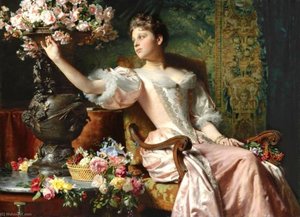
wladyslaw czachórski
1850 - 1911
Основные сведения
- Artistic Movement Or Style: Academic Art Style
- Artists Or Movements Influenced By This Artist: ['Impressionism']
- Artists Who Influenced This Artist: ['Rafał Hadziewicz']
- Date Of Birth: December 27, 1850
- Date Of Death: July 12, 1911
- Full Name: Władysław Czachórski
- Nationality: Polish
- Notable Artworks:
- Juliet's Funeral
- Hamlet Receiving the Players
- Place Of Birth: Lublin, Poland