

 Предпросмотр
 Поделиться
 Поделиться
 Детали произведения

 Скачать
 Похожие работы
 Рентгенография
 Слайд-шоу
 Статистика
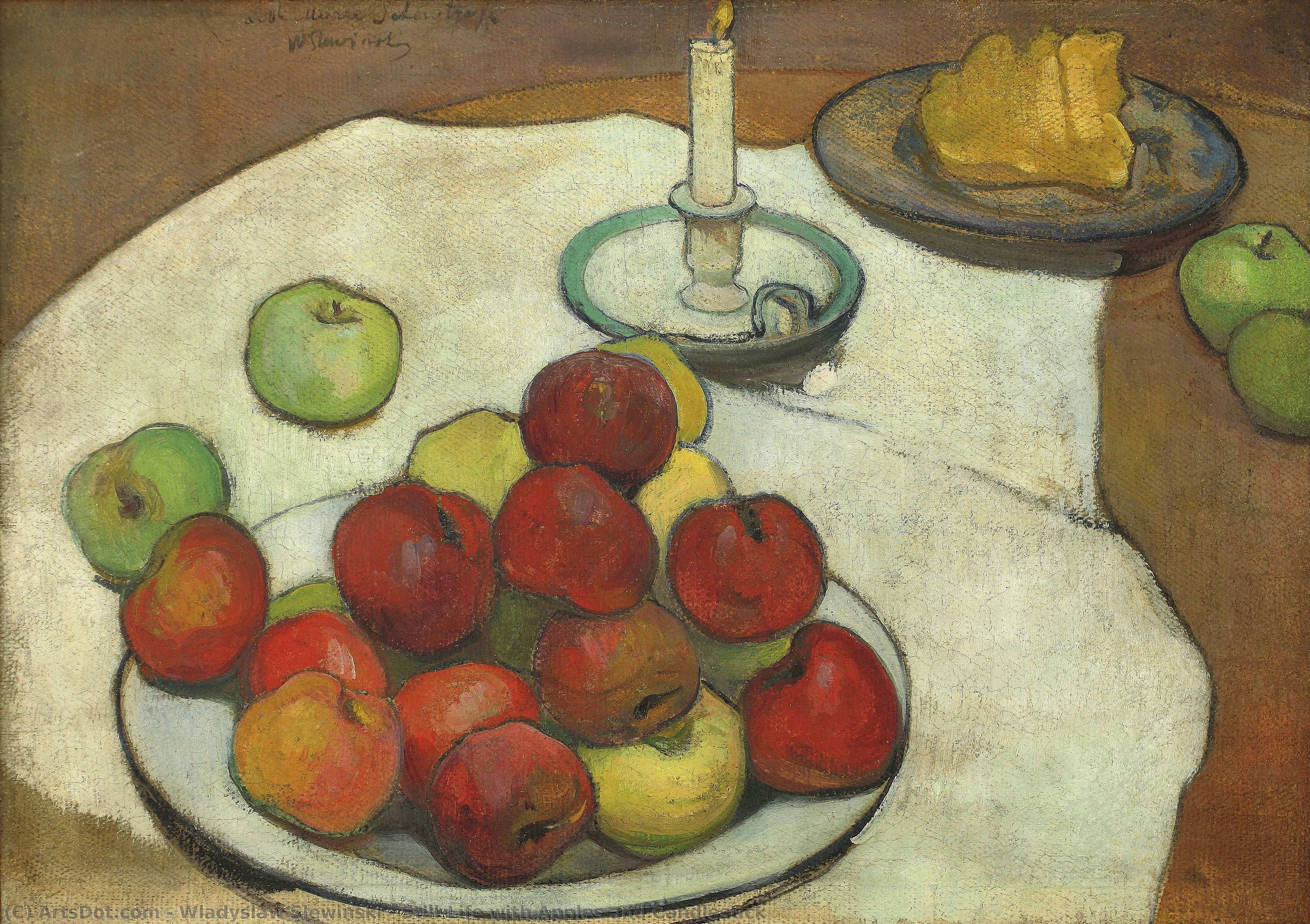
Still-Life with Apples and Candlestick
 Oil On Canvas
- WallArt
- Pont-Aven aesthetic
 1897
1897- 19th Century
 47.0 x 66.0 cm
 Musée de Pont-Aven
 Читать далее
Приобретите цифровое изображение высокого разрешения в улучшенном качестве, которое значительно превосходит онлайн-превью.
Каждый файл тщательно подготавливается нашими специалистами с использованием передовых инструментов и экспертной ручной ретуши. Мы гарантируем исключительную четкость, точную цветопередачу и детальную проработку каждого изображения.
Финальный файл доставляется по электронной почте в течение 72 часов и оптимизирован для немедленного использования в профессиональной среде, при верстке и печати. Это тот же уровень качества, которому доверяют ведущие дизайнерские студии, издательства и галереи.
Цифровое изображение
Скачайте файл высокого разрешения для личного использования, печати и творческих проектов. ( Перейти к печати Купить картину ручной работы)
Включено в каждый заказ цифровых изображений
Гарантия экспертной цифровой доставки
Выбирая ArtsDot.com, вы получаете не просто изображение — вы приобретаете профессионально обработанное цифровое произведение искусства, созданное с безупречной точностью и под защитой гарантии качества. Вот всё, что автоматически входит в ваш заказ:

Мгновенная доставка по e-mail
Ваш цифровой файл в высоком разрешении будет отправлен вам по электронной почте в течение 72 часов после оформления заказа — и сразу станет доступен для использования.

Цифровой файл с ИИ-улучшением
Ваше произведение искусства проходит профессиональную оптимизацию с использованием передовых инструментов ИИ и ручной обработки, что гарантирует максимальную детализацию, четкость и точность цветопередачи.

Бессрочная бесплатная повторная доставка
Случайно удалили или потеряли файл? Не беспокойтесь — мы отправим его вам повторно в любое время и совершенно бесплатно.

Без импортных пошлин — навсегда
Наслаждайтесь вашим произведением искусства мгновенно без таможенных пошлин, сборов или затрат на доставку — цифровые загрузки всегда не облагаются налогом.

Гарантия точности цветопередачи
Мы гарантируем, что ваше цифровое изображение максимально точно передает оригинальные цвета благодаря использованию профессиональных инструментов и систем управления цветом.

Гарантия удовлетворенности 100 дней
Если вы не будете удовлетворены своим цифровым изображением, мы внесем правки или вернем 100% стоимости в течение 100 дней — без лишних вопросов.

100% Гарантия возврата средств
Не удовлетворены покупкой? Получите полный возврат средств в течение 100 дней после получения цифрового файла — без лишних вопросов.

Скидки на оптовые заказы
Купите 3 изображения, сэкономьте 10% — Купите 5, сэкономьте 15% — Купите 10+, сэкономьте 20%. Отличное решение для творческих проектов, галерей и агентств.
A Tapestry of Light and Form: Exploring Ślewiński's Still Life
To gaze upon this still life with Apples and Candlestick is to step directly into the evocative, richly colored atmosphere of late 19th-century Brittany, filtered through the unique lens of Władysław Ślewiński. This piece, dating from 1897, transcends a mere arrangement of objects; it is a meditation on abundance, domestic ritual, and the enduring influence of artistic movements that sought to revitalize art with primal energy. The subject matter—a generous scattering of apples nestled around a central candlestick upon a table—is rendered with an almost reverent attention to detail, yet simultaneously simplified into bold, graphic shapes.
The Echoes of Pont-Aven: Style and Technique
What immediately strikes the knowledgeable eye is the unmistakable resonance of Paul Gauguin’s influence. Ślewiński, a disciple who moved through artistic hubs like Pont-Aven, has masterfully absorbed and adapted this aesthetic. The technique employed here speaks volumes: notice the flat, single-colour areas juxtaposed against heavy, defining outlines. This departure from academic realism towards more decorative, planar compositions is characteristic of the Pont-Aven school. Furthermore, the bird’s-eye perspective lends an almost diagrammatic clarity to the arrangement, inviting the viewer to examine every curve and shadow with focused contemplation. The apples themselves are not merely fruits; they are studies in varied geometry, each one possessing a distinct weight and placement that contributes to the overall sense of balanced depth across the tabletop.
Symbolism Woven into the Harvest
In the context of Ślewiński’s broader oeuvre, which often imbued botanical subjects with profound meaning, this still life carries layers of symbolic resonance. The apples, historically potent symbols in art—representing fertility, knowledge, or earthly bounty—are clustered here like a gathered treasure. They speak to a moment of harvest, a pause before the turning seasons. Meanwhile, the candlestick, positioned centrally, suggests illumination and guidance. Together, these elements create a quiet narrative: a celebration of life’s simple, tangible gifts, illuminated by enduring tradition. It is an art piece that whispers of spiritual resonance beneath its surface beauty.
Bringing the Salon Home
For the collector or designer seeking to infuse a space with artistic depth and historical gravitas, this reproduction offers unparalleled character. The combination of Gauguin-esque boldness with Ślewiński’s delicate touch makes it remarkably versatile. Whether placed in a formal dining room where its bounty can be admired, or in a sunlit study that appreciates its symbolic quietude, the painting acts as an immediate focal point. Owning this piece is not just acquiring art; it is curating a moment of thoughtful contemplation, allowing the vibrant spirit of Young Poland to enrich your daily life.
Похожие произведения
Биография художника
A Soul in Bloom: The Poetic Legacy of Władysław Ślewiński
In the grand tapestry of European art, few threads possess the delicate, luminous quality of Władysław Ślewiński. A central figure of the Young Poland movement, Ślewiński did not merely paint objects; he captured the very breath of nature, imbuing the ephemeral beauty of flowers and fruit with a profound, spiritual weight. Born in 1856 in Nowy Białynin to a landowning family, his early life was marked by both privilege and profound loss. The death of his mother during childbirth cast a long shadow over his beginnings, yet it was this very sensitivity to the fragility of existence that would later define his brushwork. Guided by the keen eye of his cousin, the renowned painter Józef Chełmoński, Ślewiński began his formal training under Wojciech Gerson, laying the academic foundation upon which he would later build a revolutionary, modern aesthetic.
The trajectory of Ślewiński’s life took a dramatic turn following financial ruin and the pressures of political upheaval in Poland. Fleeing to Paris in 1888, he transitioned from a displaced landowner to a dedicated seeker of light and form. It was in the vibrant, intellectual crucible of France that his artistic identity truly crystallized. Studying at the prestigious Académie Julian and Académie Colarossi, he moved beyond traditional realism toward something far more evocative. Most significantly, his encounter with Paul Gauguin became the defining moment of his career. Immersed in the School of Pont-Aven, Ślewi ński embraced the principles of Synthetism, learning to simplify forms into bold, flat areas of color and to use contours that anchored his compositions with a rhythmic, almost musical grace.
The Language of Symbolism and Still Life
While many of his contemporaries sought the grand narratives of history painting, Ślewiński found the infinite within the intimate. His mastery of the still life genre allowed him to explore a unique visual language where every petal and every piece of fruit served as a vessel for meaning. To gaze upon his Peonies in a Vase or his depictions of apples is to enter a meditative space. He utilized a palette that was both luminous and controlled, blending the Impressionistic fascination with light with a Post-Impressionist commitment to symbolic depth. In his hands, the peony became more than a botanical specimen; it stood as an emblem of purity and nobility, while the simple presence of fruit suggested themes of fertility, abundance, and the cyclical nature of life.
His technique was a masterful balance of opposites:
- Precision and Fluidity: He maintained an unwavering commitment to academic accuracy in his botanical details while simultaneously employing the soft, expressive color patches characteristic of the Pont-Aven school.
- Subjective Color: Moving away from purely descriptive tones, he used color to evoke emotion, creating atmospheres that felt both physically real and spiritually heightened.
- Structural Harmony: Through the use of deliberate outlines and carefully arranged compositions, he achieved a sense of permanence and stillness that invites long periods of contemplation.
A Lasting Impression on Polish and Global Art
The historical significance of Władysław Ślewiński lies in his ability to bridge the gap between the academic traditions of the 19th century and the burgeoning modernism of the 20th. As a leading light of the Young Poland movement, he helped revitalize Polish culture during a period of intense national struggle, providing an art that was both deeply rooted in local identity and conversant with the avant-garde movements of Paris. His brief return to Poland between 1905 and 1910, where he served as a professor and opened his own school, allowed him to pass this sophisticated, international vision down to a new generation of Polish artists.
Though he passed away in Paris in 1918, leaving behind a body of work that remains as fresh and vibrant as the blooms he so loved, Ślewiński’s influence persists. He remains a master of the quiet moment, an artist who proved that the most profound truths are often found in the simplest of subjects. His legacy is one of resilience, beauty, and a deep, humanist connection to the natural world—a reminder that even in the face of tragedy, art can bloom with eternal grace.
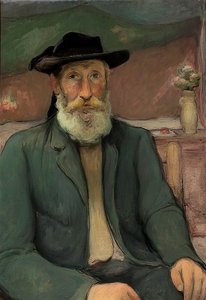
wladyslaw slewinski
1856 - 1918 , Poland
Основные сведения
- Artistic Movement Or Style: Academic Art Style
- Artists Who Influenced This Artist: ['Paul Gauguin']
- Date Of Birth: June 1856
- Full Name: Władysław Ślewiński
- Nationality: Polish
- Notable Artworks:
- Peonies in a Vase
- Still-Life with Apples and Candlestick
- Portrait of Marie Schewtzoff
- Place Of Birth: Białynikau, Poland