


 Предпросмотр
 Поделиться
 Поделиться
 Детали произведения

 Скачать
 Похожие работы
 Рентгенография
 Слайд-шоу
 Статистика
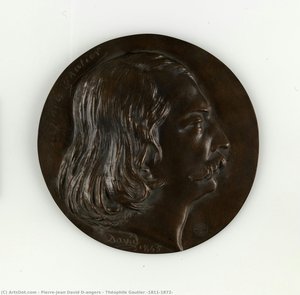
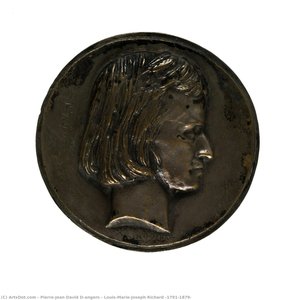
Medal with profile of Adam Mickiewicz\n\nView 1


 Читать далее
Приобретите цифровое изображение высокого разрешения в улучшенном качестве, которое значительно превосходит онлайн-превью.
Каждый файл тщательно подготавливается нашими специалистами с использованием передовых инструментов и экспертной ручной ретуши. Мы гарантируем исключительную четкость, точную цветопередачу и детальную проработку каждого изображения.
Финальный файл доставляется по электронной почте в течение 72 часов и оптимизирован для немедленного использования в профессиональной среде, при верстке и печати. Это тот же уровень качества, которому доверяют ведущие дизайнерские студии, издательства и галереи.
Цифровое изображение
Скачайте файл высокого разрешения для личного использования, печати и творческих проектов. ( Перейти к печати Купить картину ручной работы)
Включено в каждый заказ цифровых изображений
Гарантия экспертной цифровой доставки
Выбирая ArtsDot.com, вы получаете не просто изображение — вы приобретаете профессионально обработанное цифровое произведение искусства, созданное с безупречной точностью и под защитой гарантии качества. Вот всё, что автоматически входит в ваш заказ:

Мгновенная доставка по e-mail
Ваш цифровой файл в высоком разрешении будет отправлен вам по электронной почте в течение 72 часов после оформления заказа — и сразу станет доступен для использования.

Цифровой файл с ИИ-улучшением
Ваше произведение искусства проходит профессиональную оптимизацию с использованием передовых инструментов ИИ и ручной обработки, что гарантирует максимальную детализацию, четкость и точность цветопередачи.

Бессрочная бесплатная повторная доставка
Случайно удалили или потеряли файл? Не беспокойтесь — мы отправим его вам повторно в любое время и совершенно бесплатно.

Без импортных пошлин — навсегда
Наслаждайтесь вашим произведением искусства мгновенно без таможенных пошлин, сборов или затрат на доставку — цифровые загрузки всегда не облагаются налогом.

Гарантия точности цветопередачи
Мы гарантируем, что ваше цифровое изображение максимально точно передает оригинальные цвета благодаря использованию профессиональных инструментов и систем управления цветом.

Гарантия удовлетворенности 100 дней
Если вы не будете удовлетворены своим цифровым изображением, мы внесем правки или вернем 100% стоимости в течение 100 дней — без лишних вопросов.

100% Гарантия возврата средств
Не удовлетворены покупкой? Получите полный возврат средств в течение 100 дней после получения цифрового файла — без лишних вопросов.

Скидки на оптовые заказы
Купите 3 изображения, сэкономьте 10% — Купите 5, сэкономьте 15% — Купите 10+, сэкономьте 20%. Отличное решение для творческих проектов, галерей и агентств.
A Bronze Portrait of Poland’s Poet Laureate: Adam Mickiewicz
The meticulously crafted bronze medal before us offers more than just a likeness; it's a tangible embodiment of Polish national identity and the enduring legacy of its most celebrated poet, Adam Mickiewicz. Created by Władysław Tomasz Kazimierz Oleszczyński in 1866, this piece transcends mere commemoration, acting as a powerful symbol of artistic achievement and patriotic pride within a turbulent period of Polish history. The medal’s creation coincided with a fervent desire for national revival following decades of foreign rule, making it a potent visual representation of the yearning for independence and cultural affirmation.
Oleszczyński, a prominent sculptor known for his evocative portrayals of historical figures and allegorical themes, masterfully captures Mickiewicz’s profile with remarkable detail. The artist's skill is evident in the subtle rendering of wrinkles around the eyes, suggesting both wisdom and melancholy – qualities often associated with the poet’s profound reflections on love, loss, and the fate of Poland. The relief sculpting technique, a hallmark of the era, allows for a three-dimensional effect, lending an almost palpable sense of presence to Mickiewicz's image. The bronze itself, chosen for its durability and rich color, speaks volumes about the importance placed upon this artistic tribute.
A Study in Neoclassical Detail
The medal’s style firmly resides within the Neoclassical tradition, a movement that sought inspiration from the art and ideals of ancient Greece and Rome. This is reflected not only in Mickiewicz's idealized portrait but also in the medal’s overall composition – its balanced symmetry and restrained ornamentation. The meticulous attention to detail—the texture of the hair, the folds of the clothing, even the subtle sheen on Mickiewicz’s face—demonstrates a commitment to realism and a deep understanding of classical artistic principles. The use of light and shadow further enhances the sense of depth and volume, drawing the viewer's eye into the portrait.
Technically, the medal was produced through a complex process involving creating a wax model, investing it in plaster, and then casting the bronze within a mold. This method, common at the time, resulted in a surface that is both smooth and subtly textured – a testament to the skill of the foundry workers involved. The choice of bronze itself contributes significantly to the medal’s aesthetic appeal; its warm, earthy tones evoke a sense of history and permanence.
Symbolism and National Identity
Beyond simply depicting Mickiewicz's likeness, the medal is laden with symbolic meaning. Adam Mickiewicz himself was a towering figure in Polish literature, known for his epic poems like “Pan Tadeusz” and “Dziady,” which explored themes of national identity, patriotism, and the struggle for freedom. The medal, therefore, serves as a constant reminder of these ideals and the poet’s enduring contribution to Polish culture. The profile portrait itself is significant – it emphasizes Mickiewicz's intellectual and moral authority, portraying him not merely as an artist but as a guiding force for the nation.
Furthermore, the medal’s presentation—often awarded to individuals who championed Polish causes or embodied national values—reinforced its symbolic power. It became a cherished emblem of patriotism and a tangible link to Poland's rich artistic heritage. The image continues to resonate today as a symbol of Polish resilience and cultural pride.
A Timeless Masterpiece for Collectors and Designers
Reproductions of this remarkable medal offer an exceptional opportunity to bring a piece of Polish history into your home or office. The intricate detail and powerful symbolism make it a striking addition to any collection, while its historical significance adds layers of meaning and value. Consider incorporating the image into interior design schemes – its bronze tones will complement a wide range of styles, from classic to contemporary. This medal is more than just an artwork; it’s a window into Poland's past and a testament to the enduring power of art to shape national identity.
Похожие произведения
Биография художника
Angelica Kauffman: A Swiss Pioneer in the World of Art
Born Maria Anna Angelika Kauffmann on October 30, 1741, in Chur, Switzerland, Angelica Kauffman’s life was a testament to ambition and artistic determination. Her early years were marked by a nomadic existence, shaped by her father, Joseph Johann Kauffmann, a skilled muralist who traveled extensively throughout Europe. This itinerant upbringing exposed young Angelica to diverse artistic styles and cultures, laying the foundation for her own distinctive approach. Unlike many women of her time, she received formal training in painting, initially under her father and later with renowned artists like Louis-Joseph Dorval in Florence – a pivotal experience that deeply influenced her embrace of Neoclassicism. Her mother’s early death at the age of twelve fueled Angelica's resolve to pursue a career in art, defying societal expectations that often confined women to domestic roles.
- Early Influences: The Italian Renaissance and Dutch Golden Age painting were particularly formative for Kauffman.
- Neoclassical Style: She mastered the principles of Neoclassicism, characterized by its emphasis on order, clarity, and idealized beauty.
- A Dual Career: Kauffman’s career unfolded across two continents – first in Switzerland and Italy, then flourishing in London and Rome.
London and the Royal Academy
In 1786, Angelica Kauffman arrived in London, a city that quickly embraced her talent. She established herself as one of the most sought-after portrait painters of the era, capturing the likenesses of prominent figures – from royalty to nobility. However, her ambition extended beyond portraiture. She was instrumental in establishing the Royal Academy of Arts in 1768, becoming one of its two founding female members alongside Mary Moser. This groundbreaking achievement challenged prevailing prejudices against women in the art world and paved the way for future generations of female artists.
- Portraiture: She was renowned for her elegant and dignified portraits, often imbued with a sense of serenity and composure.
- Royal Patronage: Kauffman enjoyed considerable patronage from members of the British aristocracy, including Queen Charlotte.
- A Champion for Women in Art: Her inclusion in the Royal Academy symbolized a significant step towards greater recognition for women artists.
Major Works and Artistic Development
Kauffman’s artistic style evolved throughout her career, reflecting her exposure to diverse influences and her growing technical skill. Early works showcased a vibrant palette and dynamic compositions, reminiscent of Italian masters. As she matured, her paintings became more refined and controlled, characterized by meticulous detail and a subtle use of light and shadow. Her historical scenes, particularly those depicting mythological subjects or biblical narratives, demonstrated a deep understanding of classical art and a remarkable ability to convey emotion through gesture and expression. Notable works include *Portrait of Ludwig, Crown Prince of Bavaria*, *The Death of Nelson*, and her series of illustrations for William Blake’s *Paradise Lost* – a project that showcased her versatility as an artist and her appreciation for literature.
Key Paintings:**- Portrait of Ludwig, Crown Prince of Bavaria (1793)
- The Death of Nelson (1806)
- Illustrations for *Paradise Lost* (1794-98)
Legacy and Historical Significance
Angelica Kauffman’s life and career represent a remarkable achievement in the face of significant societal obstacles. She defied expectations, pursued her artistic ambitions with unwavering determination, and ultimately achieved international recognition as one of the most accomplished painters of her time. Her pioneering role in the Royal Academy and her success as a female artist left an enduring legacy, inspiring generations of women to pursue careers in the arts. She remains a significant figure in art history, celebrated for her technical skill, artistic vision, and unwavering commitment to her craft. Her work continues to be studied and admired for its elegance, grace, and profound emotional depth.
Angelica Kauffman died on November 5, 1807, leaving behind a body of work that stands as a testament to her talent and determination.
władysław tomasz kazimierz oleszczyński
1807 - 1866